Usuba
Usuba
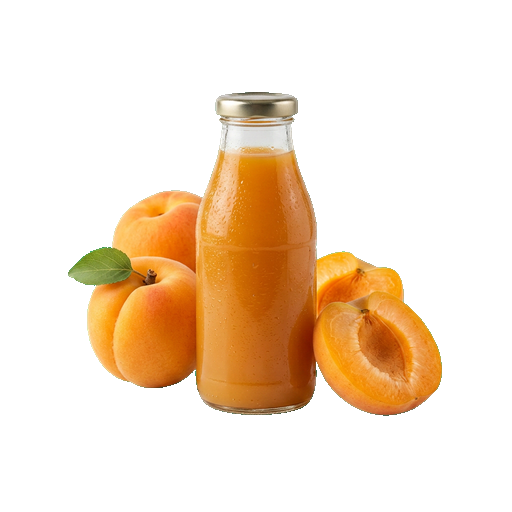
Apricot juice
Fresh juice made from ripe apricots with natural sweetness and a subtle tang, containing pulp or fully strained depending on the variety. In cooking, it is used for preparing sauces for meat and poultry, added to marinades, glazes and desserts, and also serves as a base for beverages and cocktails. When choosing, pay attention to the sugar content — natural juice without additives is better suited for sweet dishes, while concentrated versions require dilution with water.
About
Taste and Aroma
Apricot juice is concentrated sweetness with a subtle tartness that makes it a versatile kitchen helper. The flavor depends on the ripeness of the fruit: young apricots provide a brighter acidity, ripe ones — a deep honey sweetness. Freshly squeezed juice smells of summer and sunshine, while commercial options are often more stable in taste thanks to pasteurization.
When choosing, pay attention to consistency: nectar contains pulp and is thicker, juice is more transparent. Both are good, but work differently in recipes. Juice mixes more easily with other beverages, nectar better maintains structure in sauces and marinades.
Where to use in cooking
Apricot juice works in three directions: as a base for beverages and cocktails, as a component of sauces and glazes, and as a marinade for meat. In the first case, it is diluted with water or carbonated, mixed with other juices. In the second case, it gives dishes a soft sweetness and helps form a beautiful crust when baking.
- Marinades for chicken and pork — acid softens the meat, sweetness caramelizes
- Glazes for baked goods and meat — mix with mustard, garlic, or hot spices
- Sauces for desserts — pairs perfectly with cottage cheese, yogurt, and ice cream
- Compotes and fruit drinks — dilute with water and add lemon juice for balance
- Base ingredient for fruit jellies and marmalade
Combinations with other ingredients
Apricot juice pairs well with spices: cinnamon, ginger, and clove highlight its honey notes. With acidity — lemon and lime balance the sweetness. With heat — mustard, chili pepper, and horseradish create a contrast that works especially well in meat marinades.
In sweet dishes, the juice works well with vanilla, almonds, and coconut. If you're making a sauce, add a little soy sauce or balsamic vinegar — they deepen the flavor and add umami. Don't forget about herbs: mint and basil sound fresh in summer drinks with apricot juice.
Selection and Storage
When buying packaged juice, check the ingredients: a good product should contain only apricots and water, at most vitamin C as a preservative. Avoid long lists of additives and artificial sweeteners. The color should be saturated yellow or orange, without cloudiness (unless it's a nectar with pulp).
Freshly squeezed juice is stored in the refrigerator for no more than three days and quickly loses vitamins. Packaged juice in a sealed container keeps in a cool place for up to a year, and in the refrigerator for two weeks after opening. If you make juice yourself, pasteurize it for long-term storage: heat it to 75 degrees, pour it into sterilized jars, and seal.
Nutrition
per 100 ml
- Calories
- 44 kcal
- Protein
- 0.7 g
- Fat
- 0.1 g
- Carbs
- 10.5 g
Measures and weight
- 1 tbsp
- 15.6 g
- 1 tsp
- 5.2 g
- 1 cup
- 260 g
Measure calculator
- Weight
- 100 g
- Calories
- 42 kcal