1

Allergies

Recipe collections without common allergens. The card button adds those foods to your blacklist.

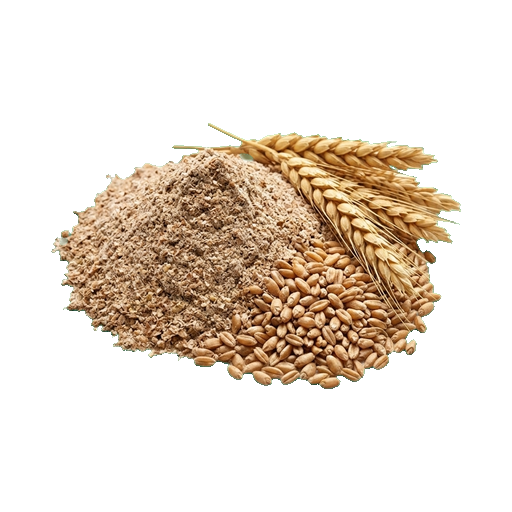
  • Gluten

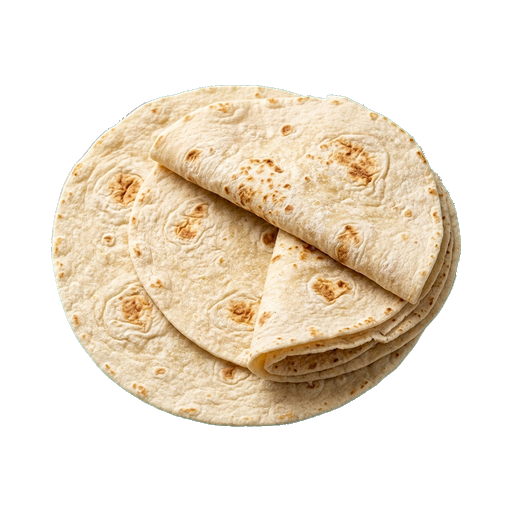
    Gluten is a protein found in wheat, rye, barley, and some other grains that should be avoided if you have a sensitivity to it or celiac disease. When selecting recipes, you should avoid wheat flour, durum wheat pasta, bulgur, couscous, and rye flour, preferring gluten-free alternatives such as rice, corn, or coconut flour. This will allow you to comfortably prepare your favorite dishes without discomfort and maintain good health.

  • Crustaceans

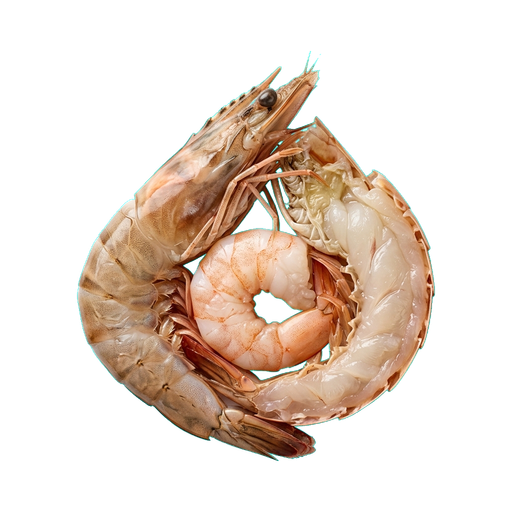
    Crustaceans are part of a group of seafood products that often cause allergic reactions due to the presence of specific proteins. In case of crustacean intolerance, shrimp, crabs, langoustines, crayfish, and imitation crab meat must be excluded from the diet in all forms of preparation. It is important to carefully check the composition of ready-made dishes and sauces, as crustaceans are frequently used in Asian cuisine and seafood products, and may also be present as thickeners and flavorings in unexpected products.

  • Eggs

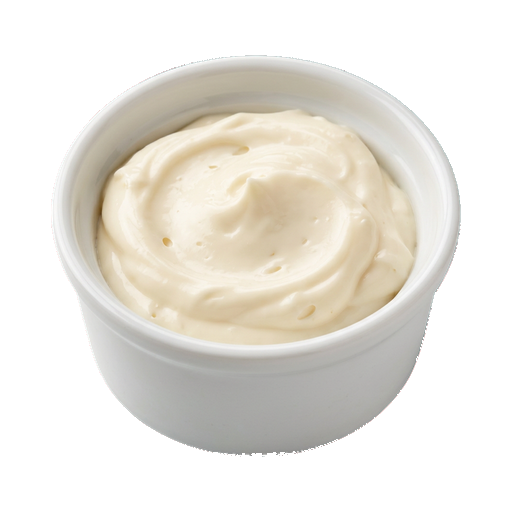
    Egg intolerance requires excluding chicken eggs, quail eggs, and products containing egg white or yolk from your diet, including mayonnaise and its variants. When selecting recipes, it is important to pay attention to hidden sources of eggs in baked goods, sauces, and prepared foods, as they can cause unwanted reactions. When choosing dishes, focus on egg-free recipes or those with safe plant-based substitutes.

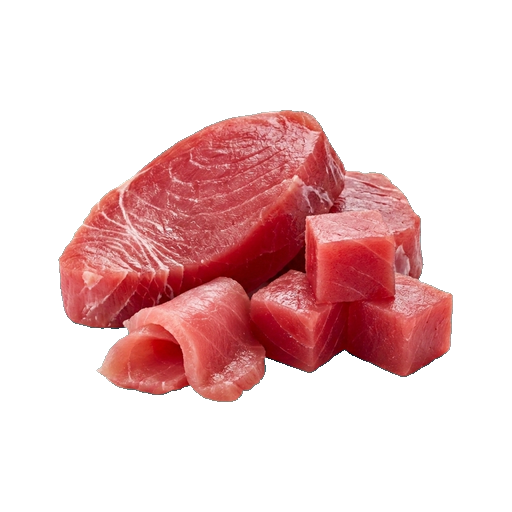
  • Fish

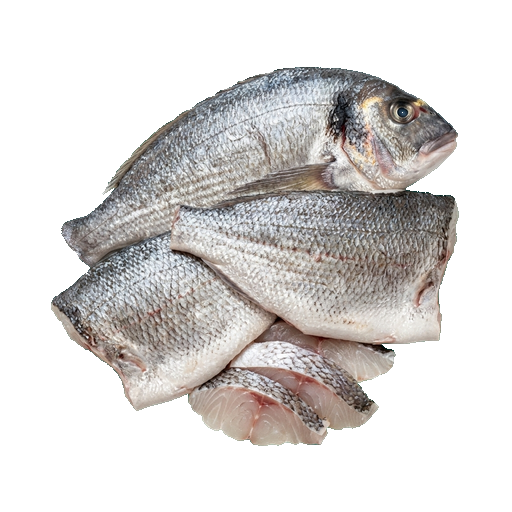
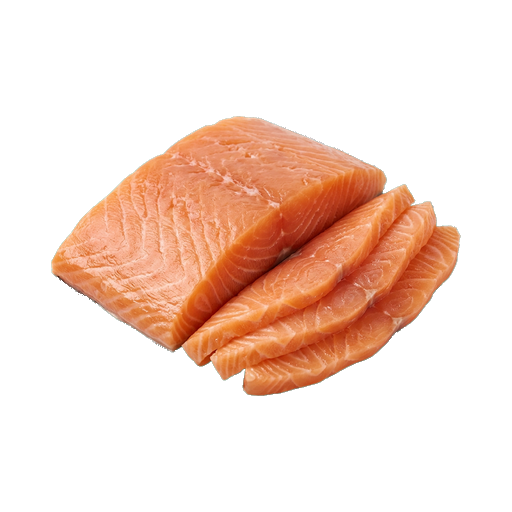
    If you have fish intolerance, you must exclude all types of saltwater and freshwater fish, including salmon, cod, tuna, trout, herring, and other varieties in any form — fresh, salted, smoked, or canned. You should also avoid fish sauces, broths, caviar, and canned cod liver, as they contain fish proteins and may trigger a reaction. When selecting recipes on the site, pay attention to alternatives: seafood is often replaced with meat, poultry, or plant-based proteins, and fish sauces are substituted with soy sauce or vegetable broths.

  • Peanuts

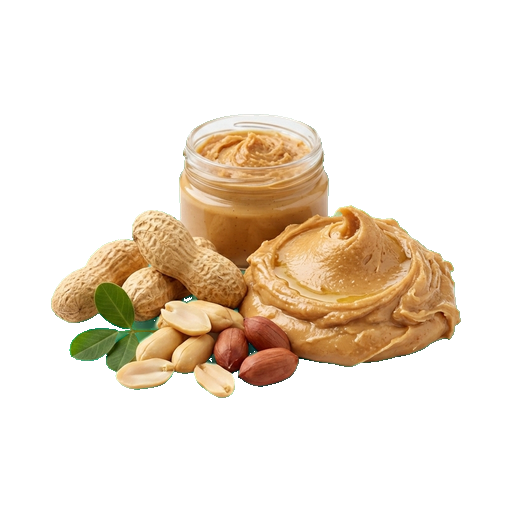
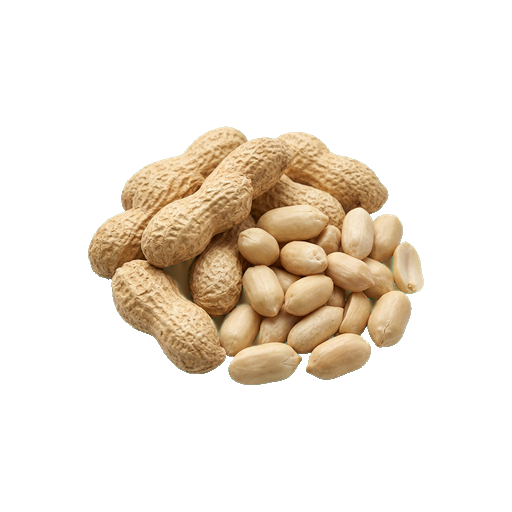
    Peanuts are one of the most common food allergies, so if you have this allergy, you need to carefully check the composition of ready-made products and exclude peanut butter, peanut oil, roasted and ground peanuts from your diet. Cross-reactions can also occur with other legumes, so it's important to pay attention to labels and food production methods. On our website, you will find peanut-free recipes and products without peanut derivatives that will help you prepare safe and delicious dishes.

  • Soy

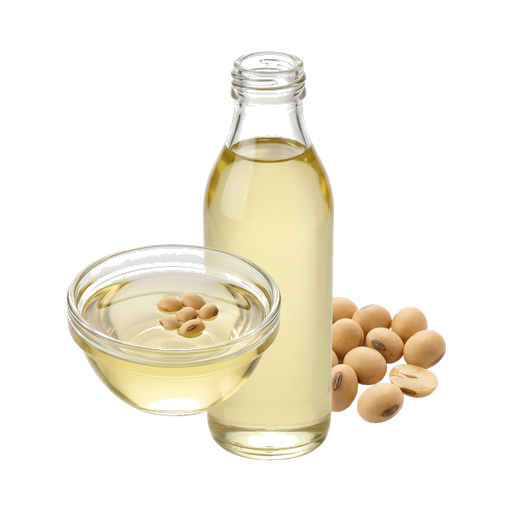
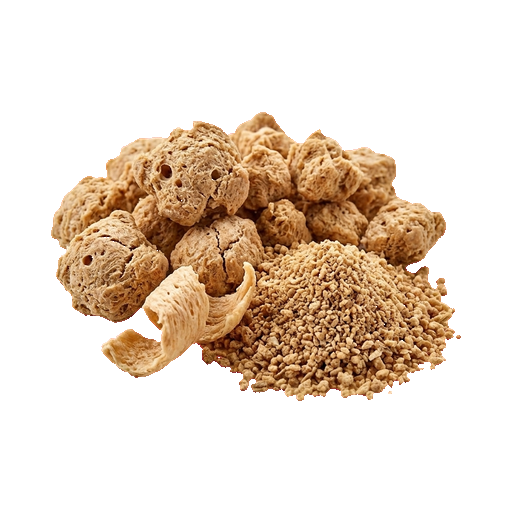
    If you have a soy intolerance, it is necessary to exclude soy sauce, miso paste, tofu, soy milk, and other soy-based products from your diet, as they can cause digestive discomfort and allergic reactions. When choosing recipes, it is important to carefully check the composition of finished products, as soy is often hidden in unexpected ingredients and seasonings. On our website, you will find many delicious alternative dishes that completely exclude soy components and are suitable for safe and comfortable eating.

  • Milk

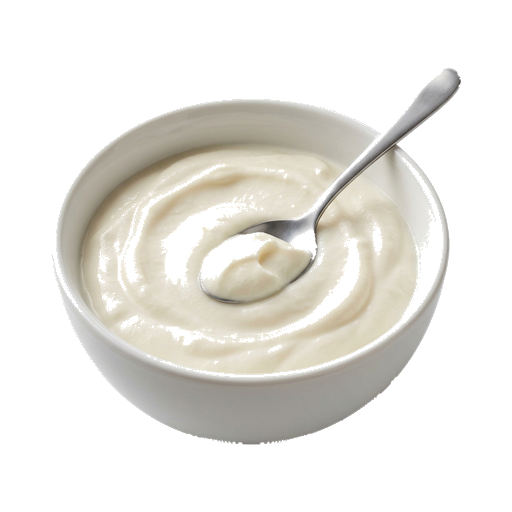
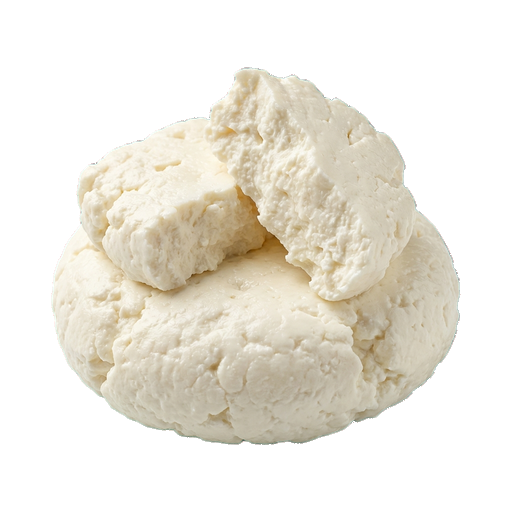
    Milk intolerance requires excluding dairy products from the diet, including cow's milk, kefir, yogurt, cottage cheese, cream, and all types of cheese. When selecting recipes, dairy ingredients should be replaced with plant-based alternatives — coconut, almond, rice, or soy milk, as well as vegan analogs of sour cream and butter. This will help avoid digestive system discomfort and make dishes accessible for people with this particular dietary need.

  • Tree nuts

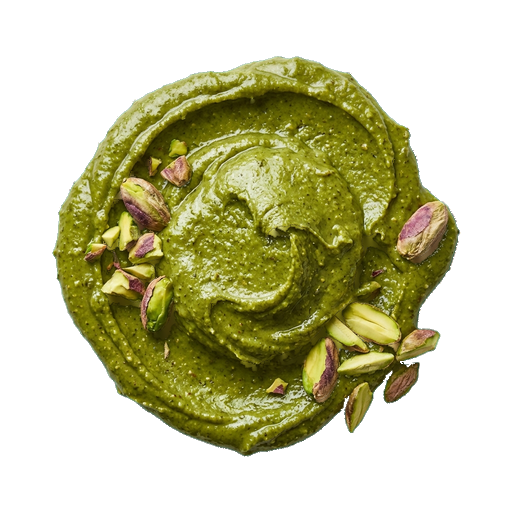
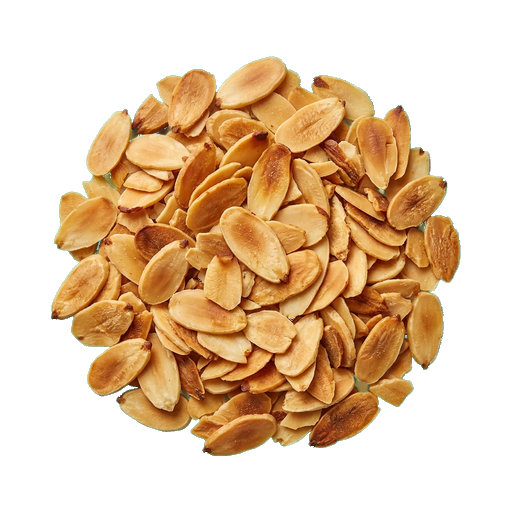
    Tree nut intolerance requires eliminating pistachios, walnuts, almonds, cashews, pecans, hazelnuts, pine nuts, and products based on them, including nut butters, flour, and milk from your diet. When selecting recipes, it is important to carefully check the composition of sauces, baked goods, and ready-made dishes, as nut ingredients often hide in unexpected places. Replacing nuts with seeds, coconut, or safe grains will help maintain variety and nutritional value in your menu.

  • Celery

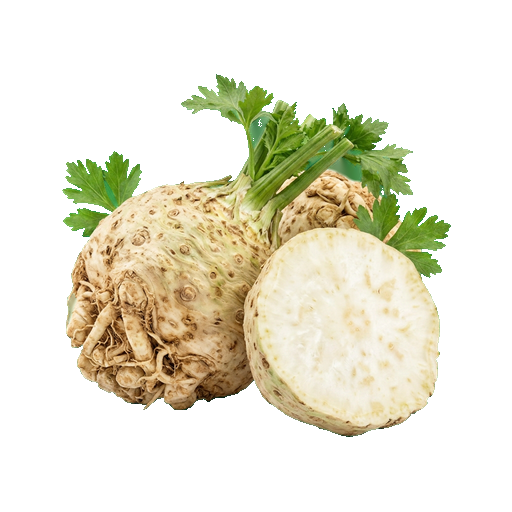
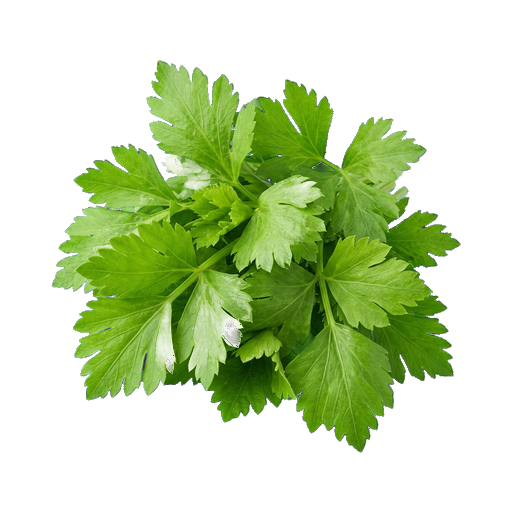
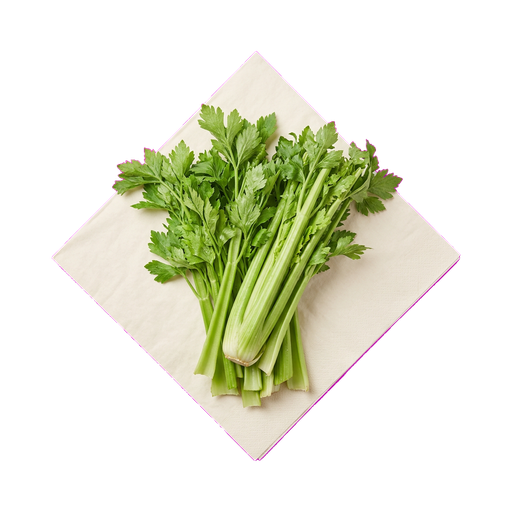
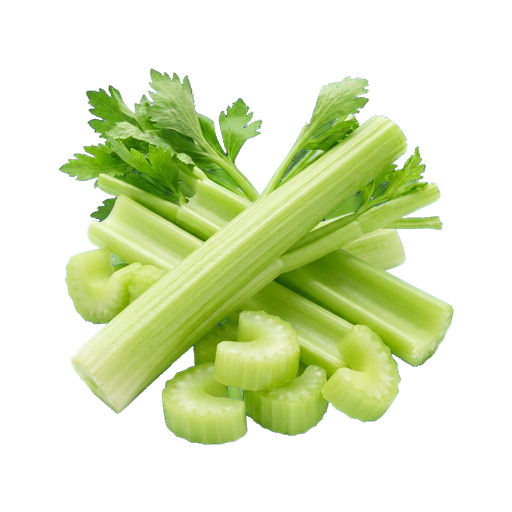
    If you have a celery allergy, you must exclude the root, stalk, leaves, and seeds of this plant from your diet, as well as products where it is used as an ingredient or seasoning. This is important because even small amounts of celery can trigger a reaction, including cross-reactions with carrots, parsley, and other plants in the Apiaceae family. When choosing recipes, pay attention to the composition of broths, sauces, and ready-made spice blends, where celery is often present as a hidden ingredient.

  • Mustard

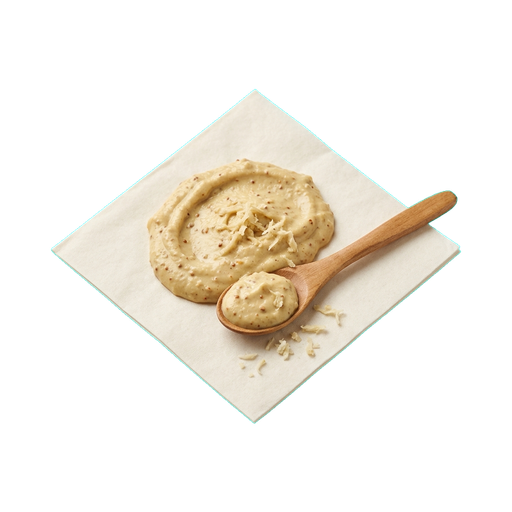
    Mustard is a sharp condiment that should be excluded from your diet if you are sensitive to it, as it can cause discomfort in the digestive system and irritate mucous membranes. When choosing recipes, pay attention to sauces, marinades, salad dressings, and meat dishes where mustard is often used as the main ingredient or an auxiliary component. Replace mustard with mild spices, herbs, or other seasonings to preserve the taste of the dish without unpleasant sensations.

  • Sesame

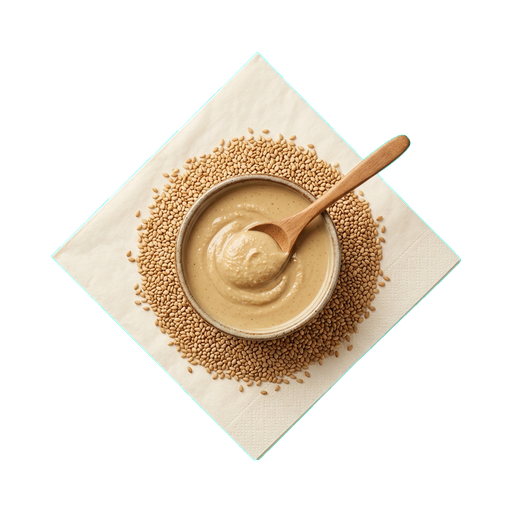
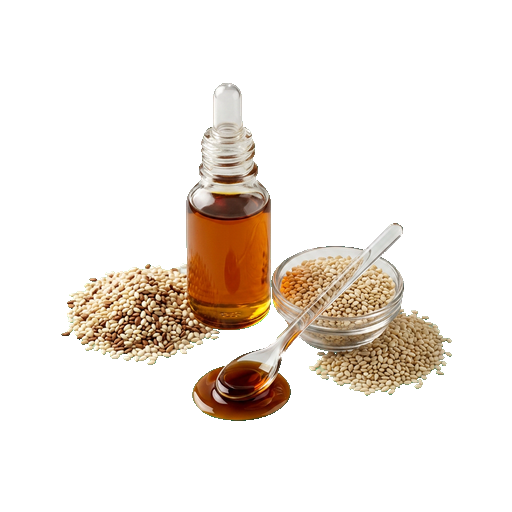
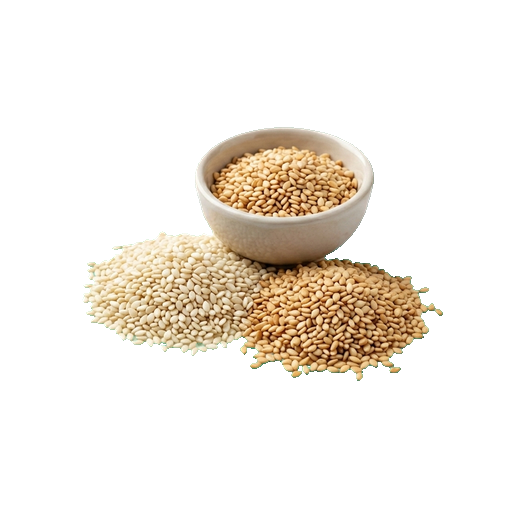
    Sesame allergy requires excluding sesame seeds, tahini, sesame oil, and any products containing these ingredients from your diet. When choosing recipes, it is important to carefully check the composition of sauces, baked goods, sweets, and oriental dishes where sesame is used as a main or hidden component. This will help you avoid unwanted reactions and safely prepare your favorite dishes at home.

  • Sulphites

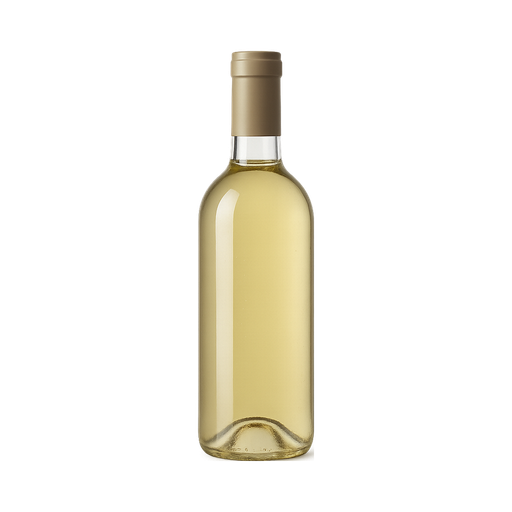
    Sulfites are preservatives commonly added to wines, vinegars, and some processed products to maintain freshness and prevent oxidation. When selecting recipes, it is important to exclude alcoholic beverages, especially wines and rice wines, as well as grape vinegar, as they contain high concentrations of these substances. For people with sulfite sensitivity, it is important to use fresh, unprocessed ingredients and replace wine components with alternative options such as lemon juice or natural vinegar without preservatives.

  • Lupin

    Lupine is a legume plant whose seeds are used in the food industry as a source of protein and flour. When intolerant to lupine, it is important to avoid products containing lupine flour, lupine protein, and whole lupine seeds, which are often found in baked goods, pasta, and plant-based meat substitutes. Lupine can cause cross-reactions in people with peanut allergies and allergies to other legumes, so when choosing recipes, it is necessary to carefully check the composition of ingredients and labels of finished products.

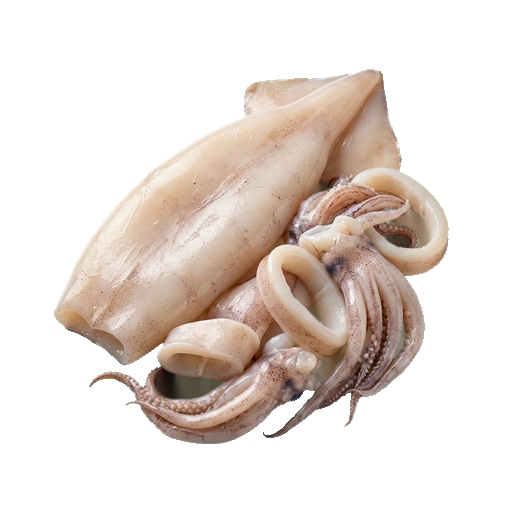
    • Molluscs

      If you have shellfish intolerance, you should exclude squid, mussels, octopus, snails, and oysters from your diet, as they contain specific proteins that your body may not tolerate. These seafood delicacies often trigger reactions due to high histamine content and unique protein composition. Therefore, when selecting recipes, it is important to carefully check ingredients and avoid dishes with seafood. When choosing alternative options, you can opt for fish, meat, or plant-based proteins, which are usually well tolerated.

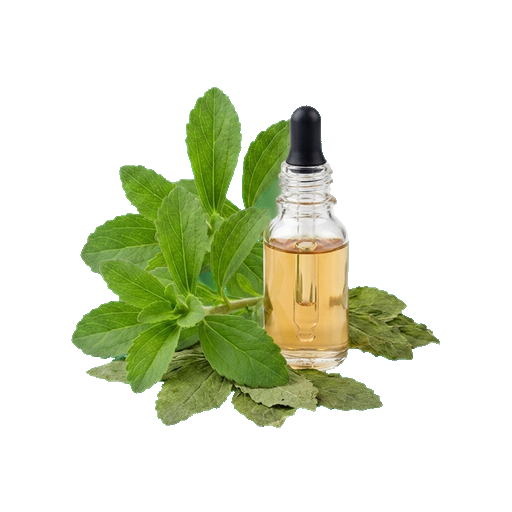
    • Aspartame

      Aspartame is an artificial sweetener used in diet drinks, chewing gum, and low-calorie products. If you have aspartame intolerance, avoid products labeled E951 and read the ingredients carefully, as it is often hidden under this food additive code. When choosing recipes, pay attention to natural sweeteners such as honey, stevia, or sugar to avoid discomfort and unpleasant sensations.

      • Lactose intolerance

        Lactose intolerance requires excluding dairy products and ingredients containing milk sugar: milk, cream, yogurt, cheese, cottage cheese, and sour cream. When choosing recipes, pay attention to replacing dairy components with plant-based alternatives — coconut, almond, rice, or soy milk. This will help you enjoy familiar dishes without discomfort and preserve the pleasure of cooking.

      • Histamine intolerance

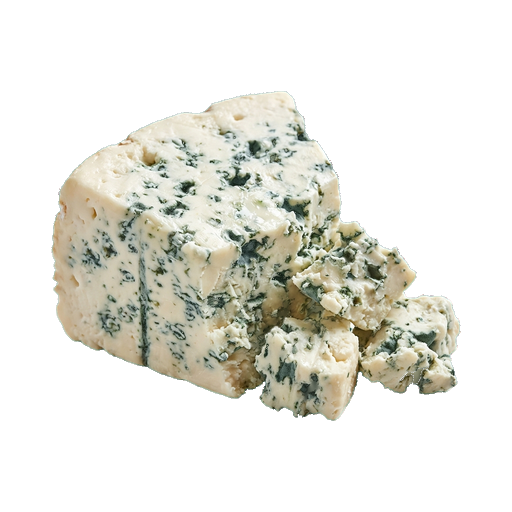
        Histamine accumulates in products during prolonged storage, fermentation, and aging, so with histamine intolerance, you should avoid aged and moldy cheeses, smoked meats, canned fish, fermented vegetables, and alcoholic beverages. These ingredients contain high concentrations of histamine, which can cause adverse reactions in sensitive individuals. When selecting recipes, it is recommended to prefer fresh products, young cheeses, and freshly prepared dishes.

      • Fructose intolerance

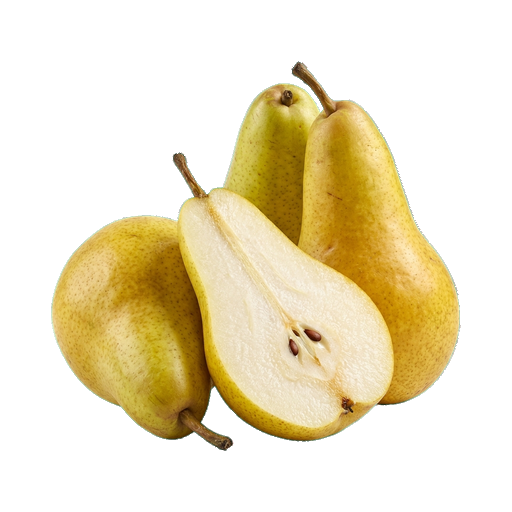
        Fructose intolerance requires excluding products with high fructose content from your diet: honey, sweet fruits (pears, apples, mangoes, watermelon), fruit juices, and syrups. When choosing recipes, it is important to focus on dishes without these ingredients to avoid discomfort and digestive issues. Replacing fructose-containing products with alternative ingredients will allow you to enjoy a diverse menu without restrictions.

      • Citrus

        If you have a citrus intolerance, you must avoid oranges, lemons, limes, grapefruits, mandarins, and all products made from them — juices, zest, liqueurs, and canned varieties. This is important to consider when choosing recipes, as citrus fruits are often used to add acidity and aroma to dishes, and replacing them requires selecting alternative ingredients. When searching for recipes on the site, you will be able to filter out dishes containing these components and find suitable options with other sour or aromatic additives.

      • Strawberry

        Strawberry is one of the most common allergens among berries, so if you have an intolerance to it, you should exclude fresh, frozen, and processed strawberries from your diet, as well as dishes where it is the main ingredient. When choosing recipes, pay attention to jams, compotes, yogurts, and desserts where strawberry may be hidden in the ingredients. You can find a replacement in other berries—blueberries, raspberries, or currants—which are usually better tolerated.

      • Raspberry

        When selecting raspberry recipes, it is important to exclude all products based on it if you have an intolerance to this berry. This applies to raspberry juice, liqueur, fresh raspberries, and jam, which can cause unpleasant digestive reactions. Choose alternative recipes with other berries — blackcurrant, strawberry, or blackberry — to avoid limiting the variety of your menu.

      • Blueberry

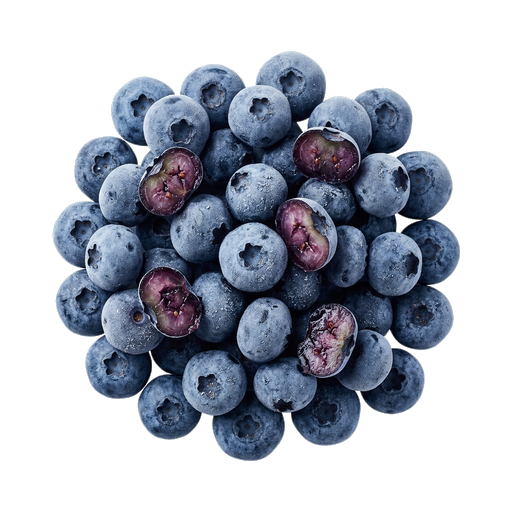
        When selecting blueberry recipes, it's important to keep in mind that this berry may trigger a reaction in people with sensitivity to salicylates and natural salicylates in its composition. If you experience blueberry intolerance, it's worth excluding it from your diet and replacing it with less allergenic berries — strawberries, raspberries, or gooseberries. This is especially relevant when planning menus for young children or when there is food sensitivity to berry components.

      • Cherry

        Cherries and sweet cherries rarely cause allergic reactions, but if you are sensitive to them, you should exclude all forms of these berries — fresh, frozen, pickled, juices, and compotes. The reaction may be related to proteins in the pulp or skin, especially with oral allergy syndrome to birch pollen. When choosing recipes, check the composition of sauces, jams, and beverages, as cherries are often used as an ingredient in desserts and preserves.

      • Stone fruit

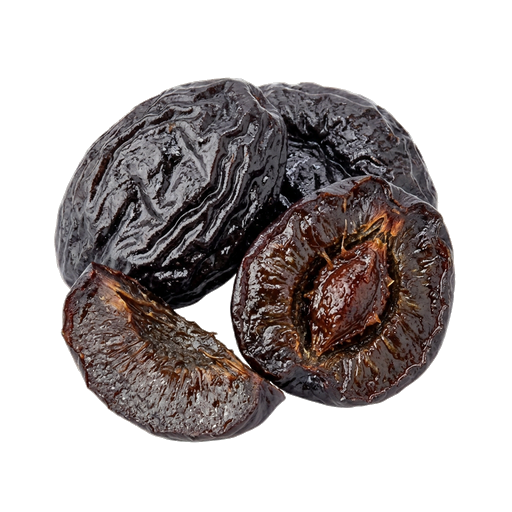
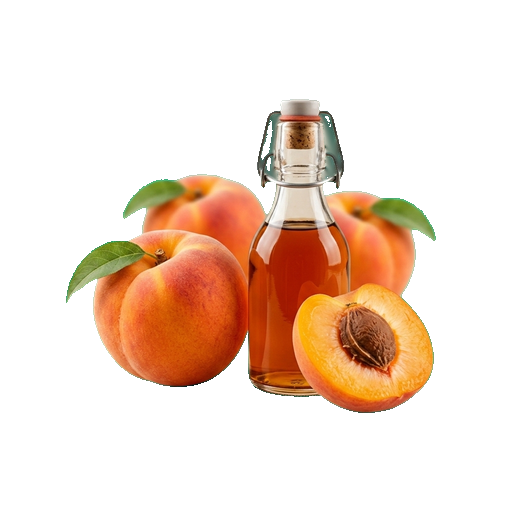
        An allergy to stone fruits requires excluding plums, peaches, apricots, nectarines, and prunes from your diet in all forms — fresh, canned, dried, and as juices, nectars, and jams. When choosing recipes, it is important to check not only the main ingredients but also additives such as apricot brandy, liqueur, and other derivatives that may contain traces of allergens. This will help avoid adverse reactions and make cooking safe and comfortable.

      • Banana

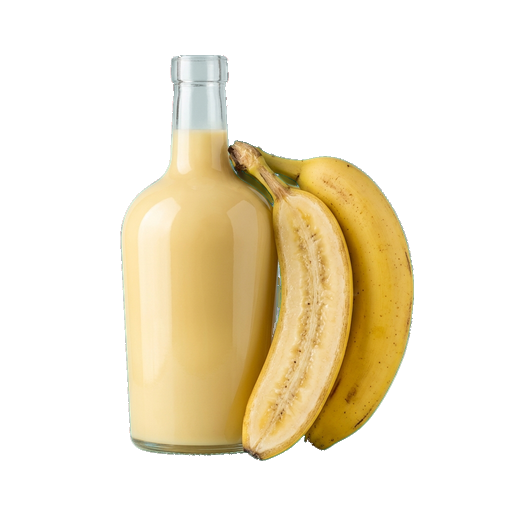
        If you have a banana intolerance, it is important to exclude it from recipes and monitor products that may contain banana flour or banana powder. Bananas are often used in smoothies, baking, and desserts, so when choosing recipes, pay attention to the composition and ingredients. Replacing banana with other fruits such as apples, pears, or avocado will help maintain the desired consistency and sweetness of the dish.
      • Kiwi

        Kiwi contains substances that can cause irritation to the mucous membranes of the mouth and throat in sensitive individuals. If you have an intolerance, it is recommended to exclude this fruit and dishes made with it from your diet. When choosing recipes, pay attention to smoothies, desserts, salads, and drinks where kiwi can be a main or secondary ingredient. Alternatives include other exotic fruits or berries that are safe for your diet.

      • Avocado

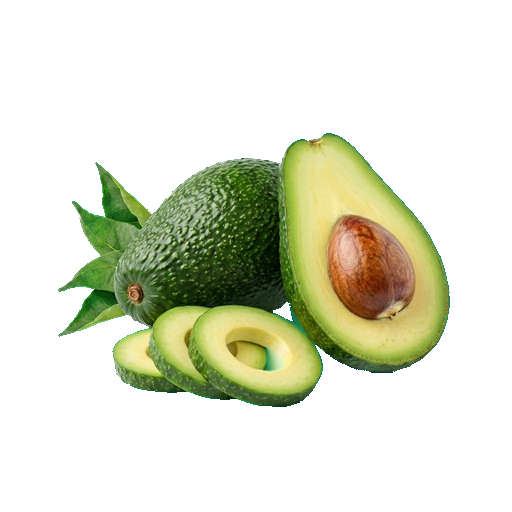
        If you have avocado intolerance, you should exclude the fruit itself and dishes where it is used as a main ingredient or additive from your diet. This is important because avocado is commonly found in modern cuisine — from guacamole and salads to toast and smoothies. When choosing recipes, pay attention to ingredient lists and prefer alternative sources of healthy fats, such as olive oil, nuts, or seeds.

      • Apple

        Apples contain fructose and organic acids that can cause discomfort if you are sensitive to this fruit. If you have an apple intolerance, you should exclude all varieties from your diet, including fresh fruits, juices, compotes, and baked goods with apple filling. It is important to carefully read the ingredients of prepared dishes and desserts, as apples are often used as a main ingredient in cooking.

      • Tomato

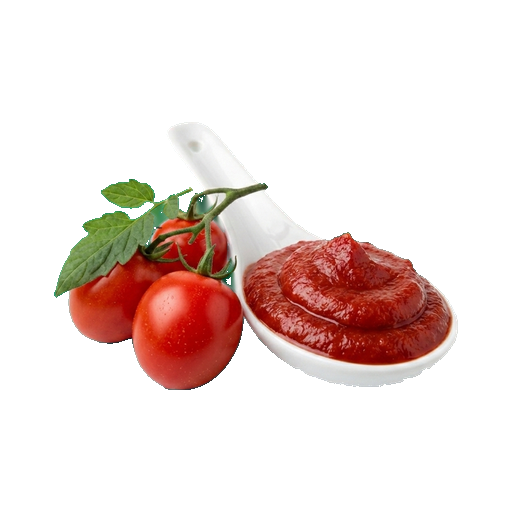
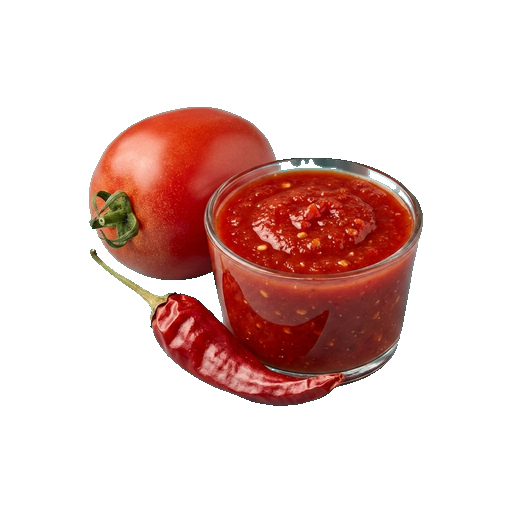
        If you have a tomato intolerance, you should exclude fresh tomatoes in all forms, tomato paste, sauces and juices based on tomatoes, including ketchup and passata. This is important because tomatoes contain substances that can cause discomfort in the digestive system, so when choosing recipes you should focus on alternative vegetables and sauces based on other ingredients. When planning your menu, it is recommended to replace tomato components with peppers, carrots, beets or other vegetables that are well tolerated.

      • Eggplant

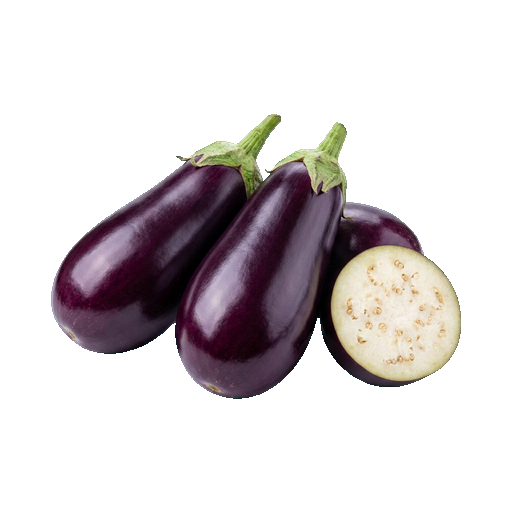
        When selecting recipes with eggplants, it is important to remember that this vegetable belongs to the nightshade family and may cause a reaction in people with sensitivity to this group of plants. Eggplants contain alkaloids, which in rare cases trigger food intolerance, manifesting as digestive discomfort or skin reactions. If you have eggplant intolerance, you should exclude them from your diet and replace them with other vegetables such as zucchini, tomatoes, or sweet peppers, while maintaining the variety and nutritional value of your dishes.

      • Bell pepper

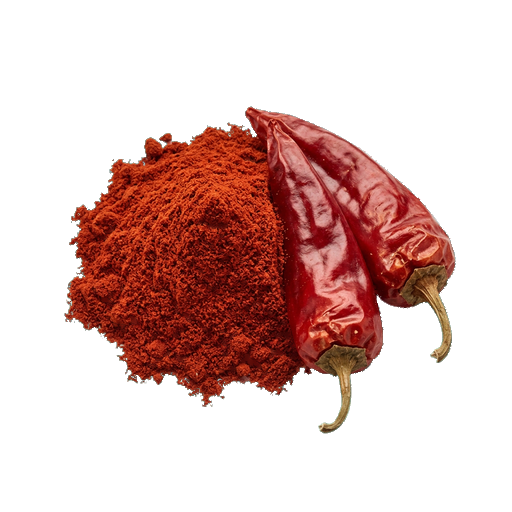
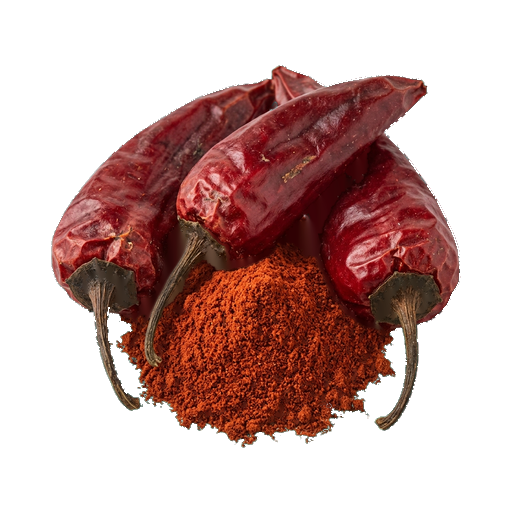
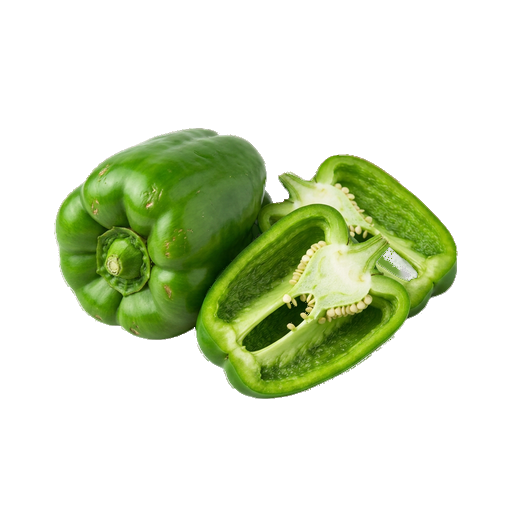
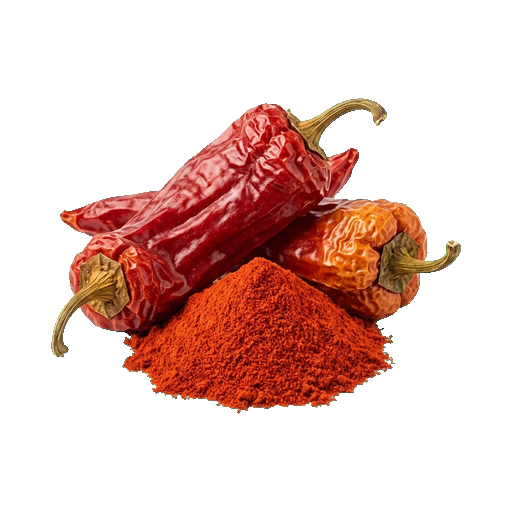
        Sweet pepper is a versatile vegetable that rarely causes allergic reactions, but if you have an intolerance to it, you should exclude it from your diet along with other nightshade plants. When choosing recipes, it is important to avoid dishes with sweet pepper, paprika, and spices based on it, as even in processed form they can trigger unwanted reactions. Check the composition of ready-made spice blends and sauces, where pepper is often used as a hidden ingredient.

      • Potato

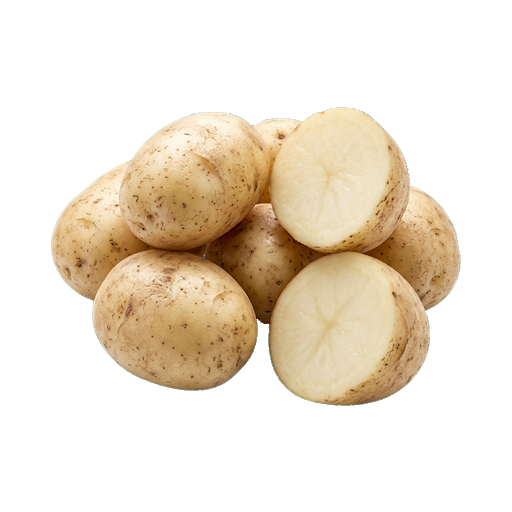
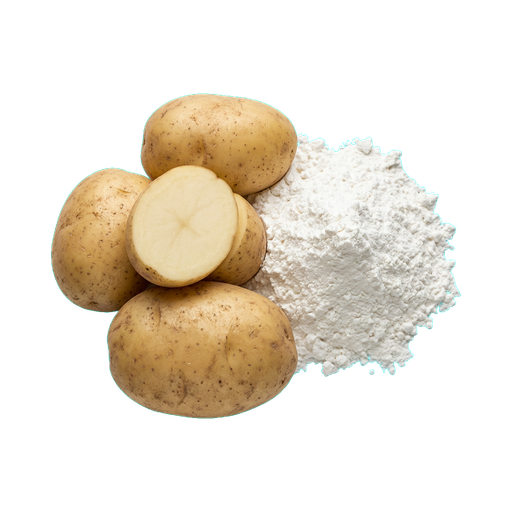
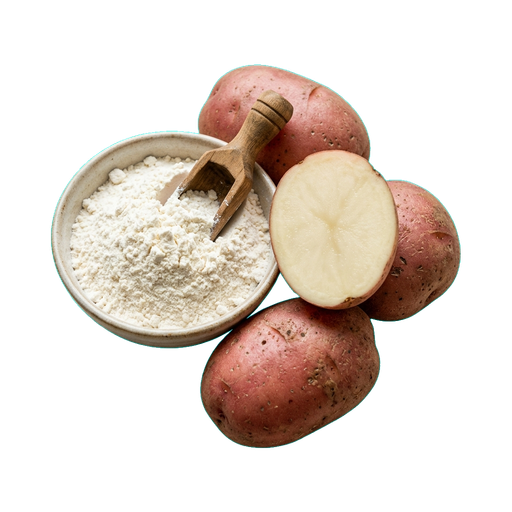
        Potatoes rarely cause allergic reactions, but some people are sensitive to solanine — an alkaloid found in raw and green potatoes. In case of potato intolerance, all its forms must be excluded: raw, boiled, fried potatoes, mashed potatoes, and starch, which are often used as a thickener in sauces and baked goods. This is especially important to consider when choosing recipes for soups, side dishes, and prepared meals to find suitable alternatives based on other vegetables and grains.

      • Cocoa and chocolate

        When intolerant to cocoa and chocolate, it is necessary to exclude all products containing cocoa beans, cocoa butter, and cocoa powder, including dark, milk, and bitter chocolate. This is important because even a small amount of cocoa can cause unpleasant digestive system reactions or skin manifestations. When selecting recipes, pay attention to the composition of ready-made baking mixes and syrups, as cocoa is often included in their ingredients as a hidden component.

      • Honey

        When honey intolerance is present, all types of honey and products containing it as a sweetener or ingredient must be excluded from the diet. This is important to consider when choosing recipes for desserts, beverages, sauces, and baked goods, as honey is often hidden in ready-made mixes and marinades. A replacement for honey can be found in other natural sweeteners, which will allow you to enjoy your favorite dishes without discomfort.

      • Corn

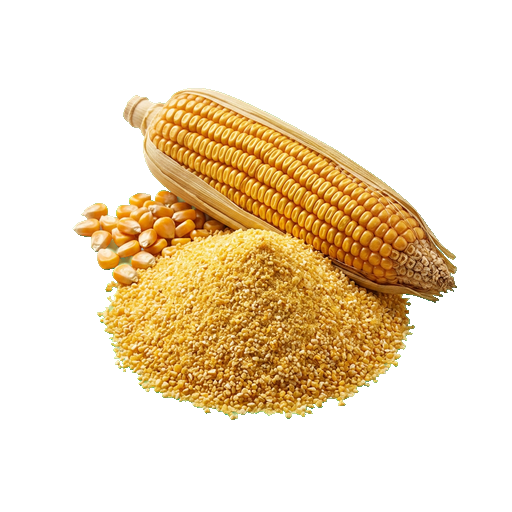
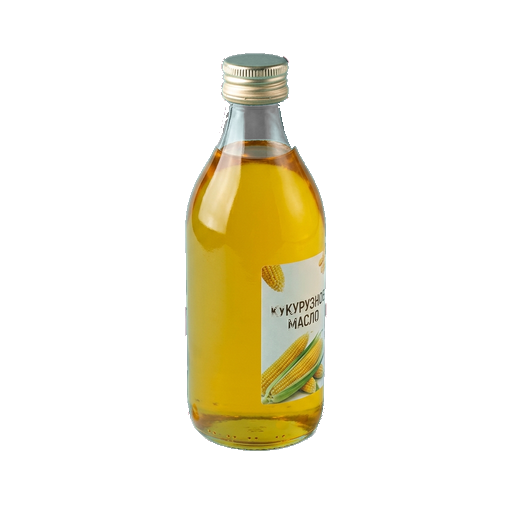
        Corn allergy requires excluding corn syrup, cornmeal, corn oil, cornstarch, and all dishes based on them, including tortillas and canned corn from the diet. When selecting recipes, it is important to keep in mind that corn is often hidden in industrial products as thickeners and sweeteners, so careful examination of ingredients will help avoid adverse reactions. By choosing alternative recipes, you can use other grains and thickeners to create a varied menu.

      • Buckwheat

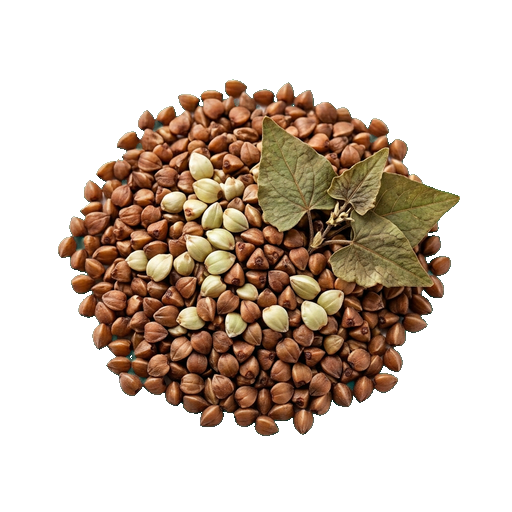
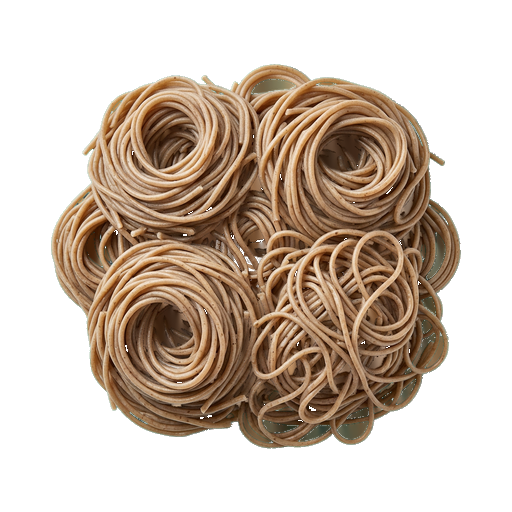
        Buckwheat contains proteins and carbohydrates that can cause an allergic reaction in some people, although this is rare. In case of buckwheat intolerance, buckwheat groats and buckwheat noodles should be excluded from the diet, and the composition of ready-made dishes and cereal mixtures should be checked. When choosing recipes, it is important to pay attention to alternative side dishes and bases for dishes made from other grains and cereals.

      • Rice

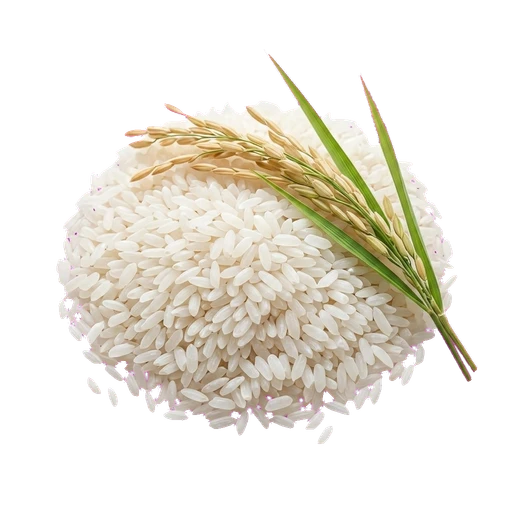
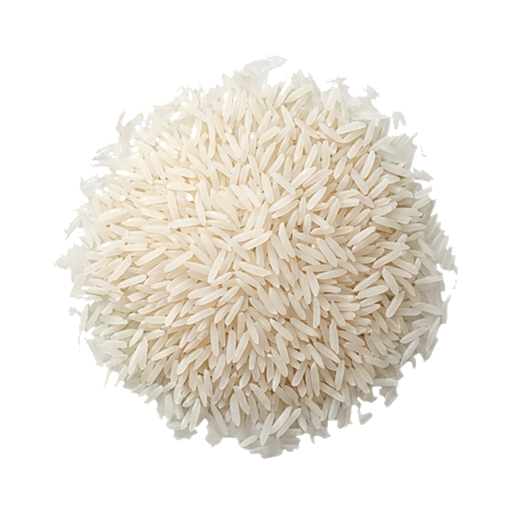
        Rice intolerance is rare, but if present, all types of rice and rice-based products must be excluded from the diet, including rice flour, rice vinegar, rice milk, and rice noodles. When selecting recipes, rice should be replaced with alternative grains such as buckwheat, quinoa, or corn to ensure dietary variety and nutritional completeness. This is important to consider when planning menus, as rice is a component of many dishes from different cuisines around the world.

      • Poppy seed

        Poppy seeds are seeds that may cause sensitivity in some people, so when selecting recipes, it is worth excluding dishes with poppy seeds in the ingredients, including baked goods, confectionery products, and sauces. If you have poppy seed intolerance, pay attention to alternative toppings and fillings for desserts, such as sesame seeds or nuts. When choosing recipes on our website, use the ingredient filter to avoid unwanted components in dishes.

      • Gelatin

        Gelatin is an animal-derived product obtained from collagen found in bones and connective tissue, so it should be excluded when following a vegetarian or vegan diet. When choosing recipes with gelatin, it is important to consider that it may be unacceptable for people who avoid animal products for ethical or religious reasons. For substitution, you can use plant-based thickeners: agar-agar, pectin, or starch, depending on the desired consistency of the dish.
      • Yeast

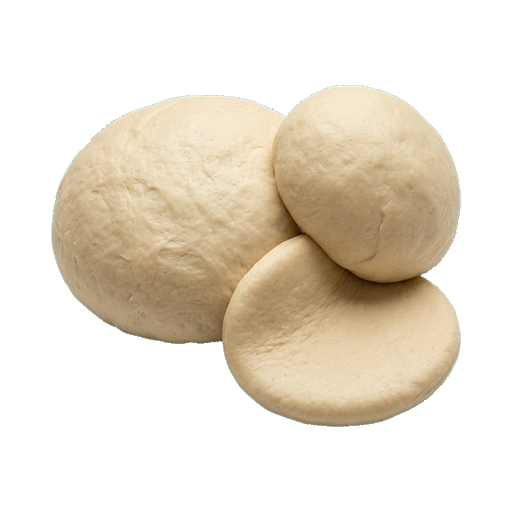
        Yeast intolerance requires excluding all products containing live and dry yeast from your diet, including bread, baked goods, beer, and fermented vegetables. When choosing recipes, prioritize yeast-free dough options that are prepared with baking soda, baking powder, or whipped egg whites. This will help you enjoy your favorite dishes without discomfort and maintain a varied menu.

      • Mushrooms

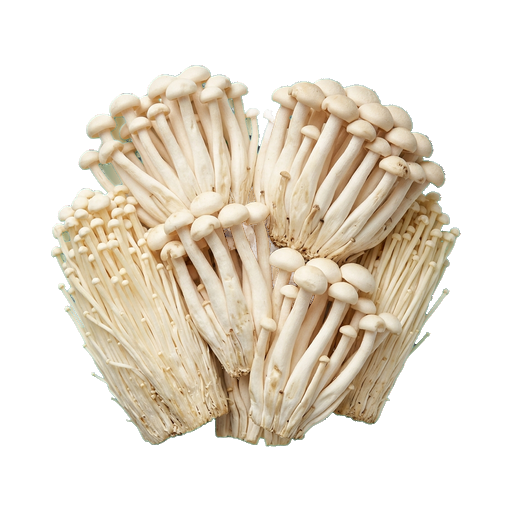
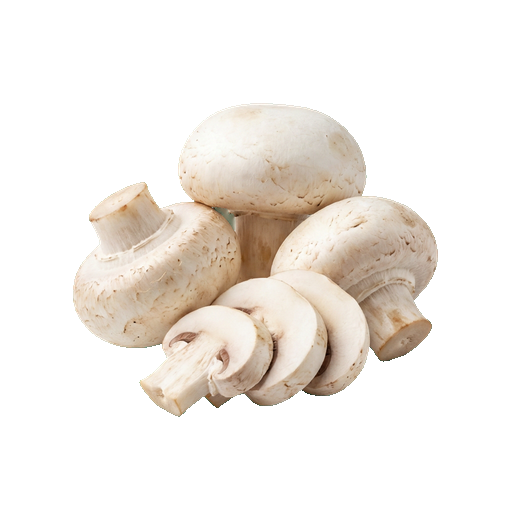
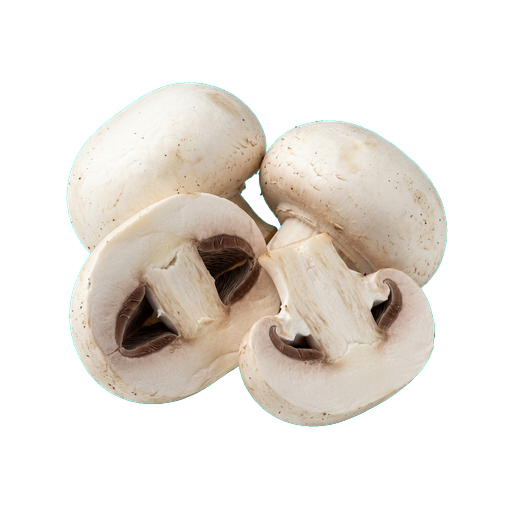
        When intolerant to mushrooms, it is necessary to exclude all types of mushrooms from the diet, including button mushrooms, oyster mushrooms, shiitake, truffles, and pickled mushrooms, as well as products based on them, such as mushroom broth and truffle oil. Mushrooms contain chitin and specific proteins that can cause digestive discomfort and unwanted body reactions. When choosing recipes, pay attention to the presence of mushroom ingredients and replace them with vegetables or other bases for sauces and soups.

      • Garlic

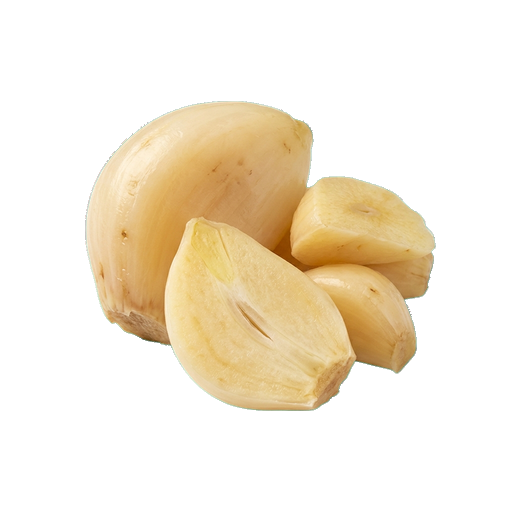
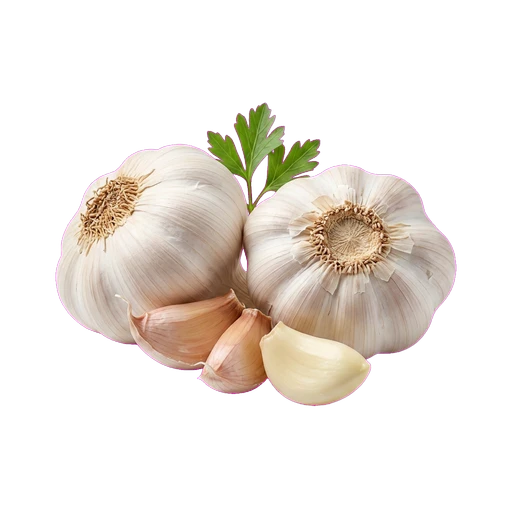
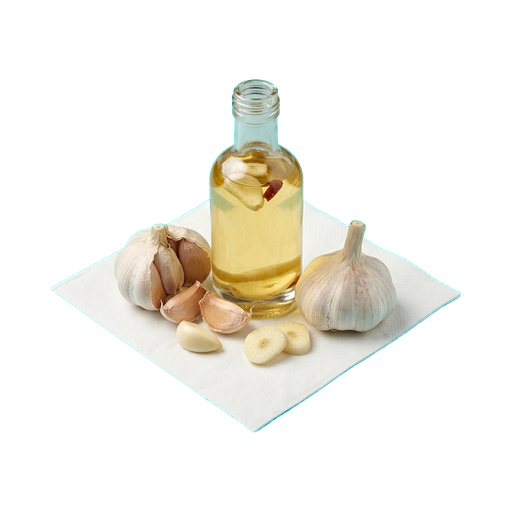
        When sensitive to garlic, fresh garlic, its dried forms, and products with garlic flavoring should be excluded from the diet. This is important to consider when choosing recipes, as garlic is often used as a basic aromatic foundation in various cuisines around the world. For such dishes, you can select alternative seasonings — onion, ginger, or herbs — to maintain a rich flavor without discomfort.

      • Onion

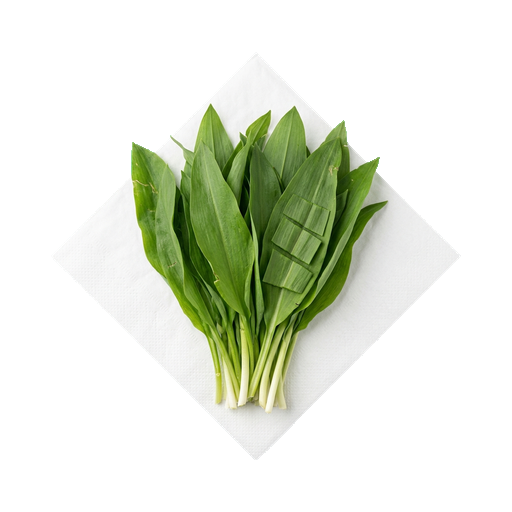
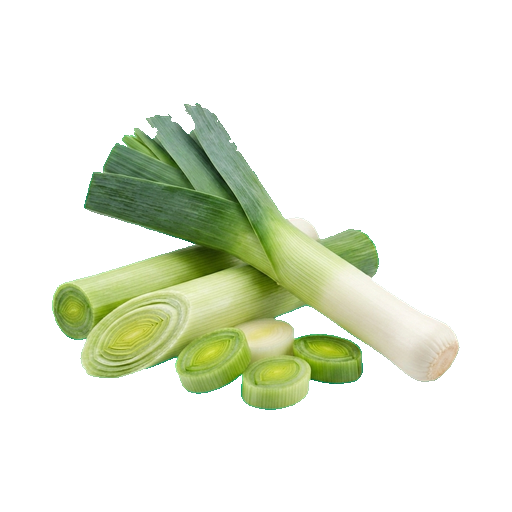
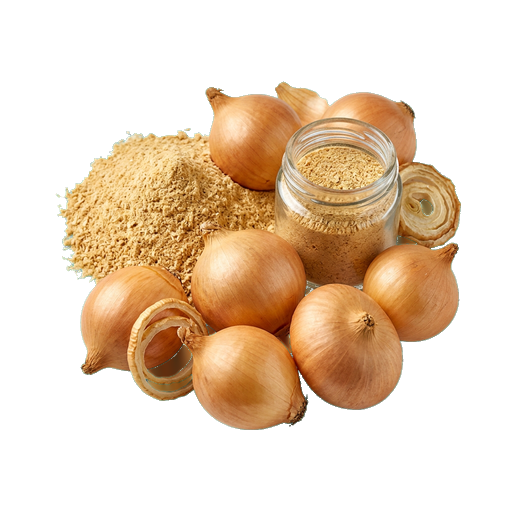
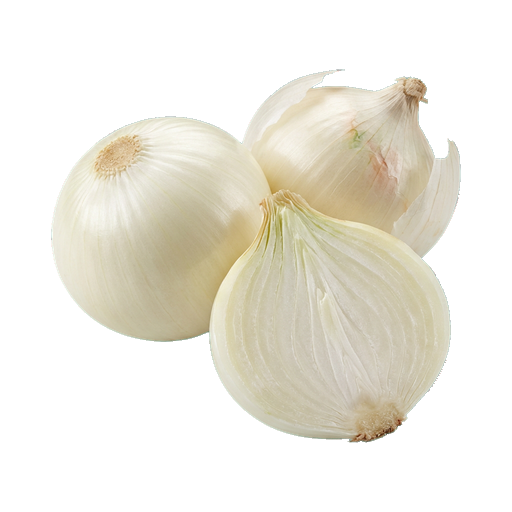
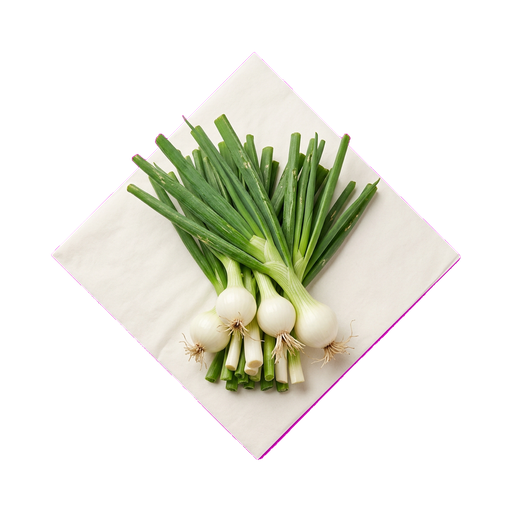
        If you have an onion intolerance, you must exclude all varieties of onions from your diet: yellow onions, red onions, white onions, leeks, shallots, green onions, and chives, as well as products containing onions. This is important to consider when selecting recipes, as onions are often used as the main aromatic base in soups, sauces, and side dishes. Instead of onions, you can use alternative ingredients with a similar flavor profile, such as garlic, ginger, herbs, and spices, to maintain the richness of your dishes.

      • Carrot

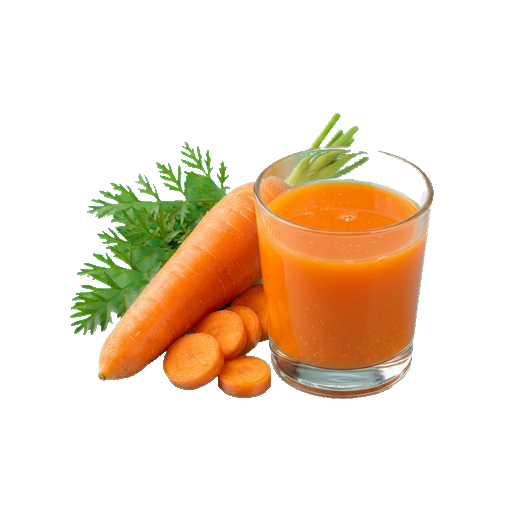
        When selecting recipes with carrots, it's important to consider that some people may experience cross-reactions with birch pollen and other plants from the Apiaceae family. Excluding carrots from the diet is important for those suffering from oral allergy syndrome, especially when consuming raw carrots, as heat treatment usually reduces allergenicity. In case of intolerance, it is recommended to avoid carrot juice, Korean-style carrots, and other dishes with this vegetable, choosing alternative vegetables instead to diversify your menu.

      • Legumes

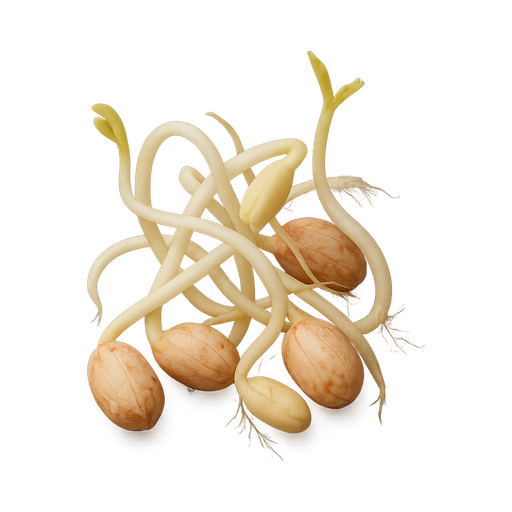
        Legume intolerance requires excluding beans, lentils, chickpeas, and peas in all forms — from fresh to canned and processed products — from your diet. These ingredients contain substances that can cause digestive discomfort, bloating, and other unpleasant bodily reactions. When choosing recipes, it is important to check the composition of prepared dishes and sauces, as legumes are often used as a primary source of protein and fiber in cooking.

      • Mustard seed

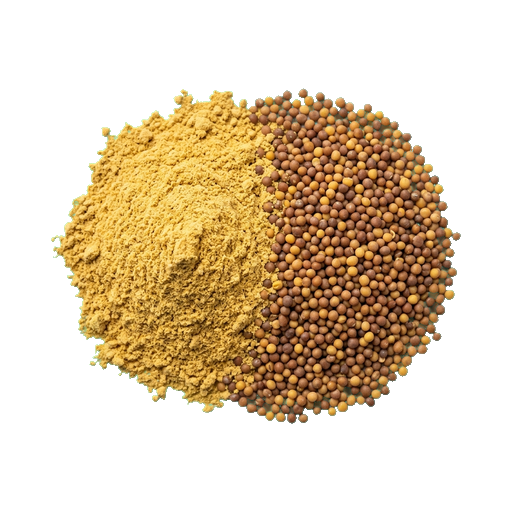
        Mustard seed is a spice that should be excluded from the menu if you have mustard intolerance or allergy. These seeds contain proteins that can trigger reactions in sensitive individuals, so it is important to carefully check the composition of sauces, marinades, and ready-made seasonings. When choosing recipes, it is recommended to replace mustard seed with other spices and carefully read product labels, as mustard is often used as a hidden ingredient in processed foods.

      • Coconut

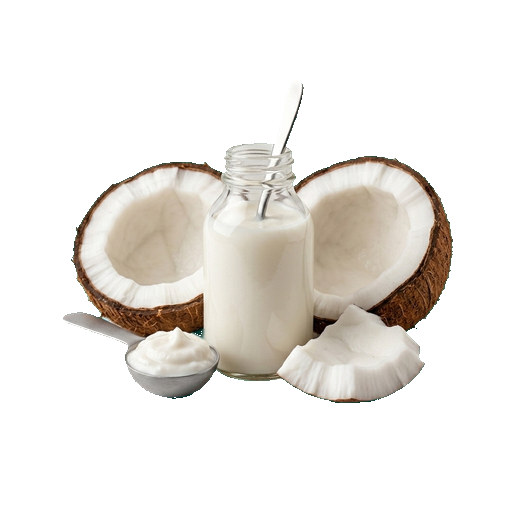
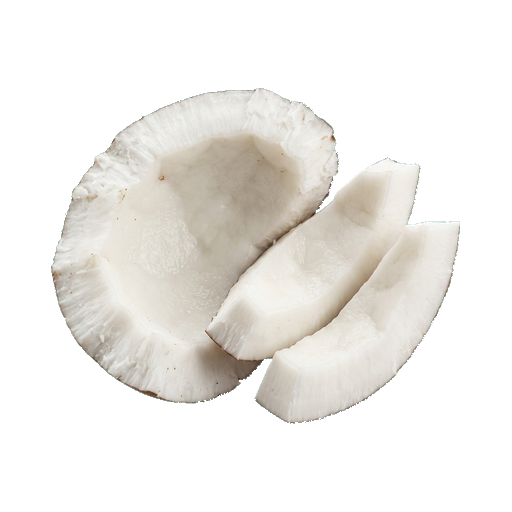
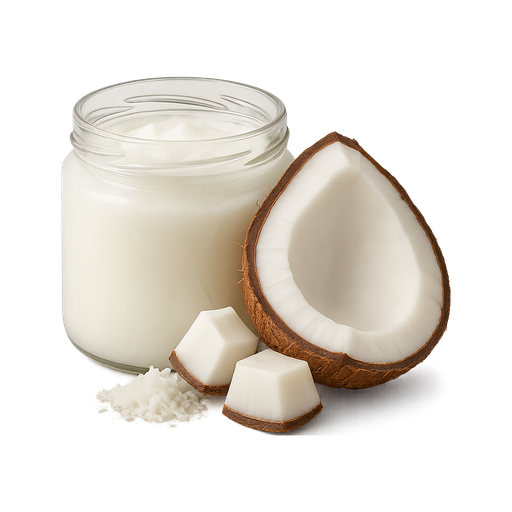
        If you have a coconut intolerance, you should exclude coconut cream, coconut oil, coconut flakes, coconut sugar, coconut milk, and coconut flour from your diet, as all these products contain coconut allergens in concentrated form. When choosing recipes, it is important to carefully check the ingredients of ready-made mixes, sauces, and baked goods, where coconut may be present as a hidden ingredient. Replacing coconut products with alternatives will help you safely prepare a variety of dishes without the risk of adverse reactions.

      • Pineapple

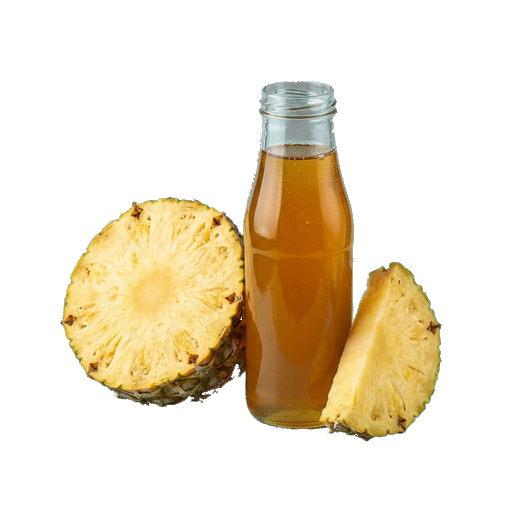
        Pineapple intolerance occurs in people with sensitivity to bromelain — an enzyme found in fresh fruit that can cause irritation of the mouth and digestive tract. When selecting recipes, you should exclude fresh pineapple, canned pineapple, pineapple juice and syrup, as well as dishes with candied pineapple. For comfortable eating, it is recommended to replace pineapple with other tropical fruits or berries in your usual recipes.

      • Mango

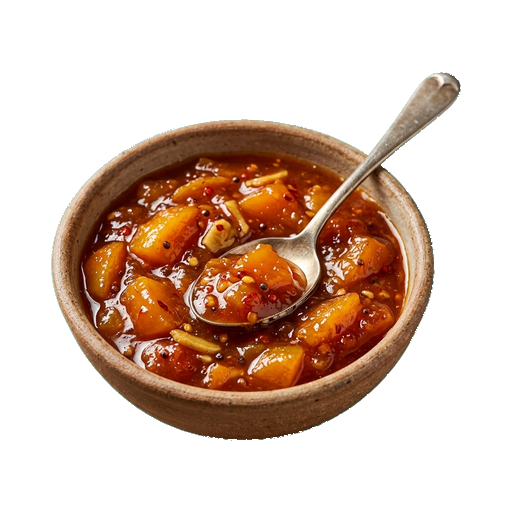
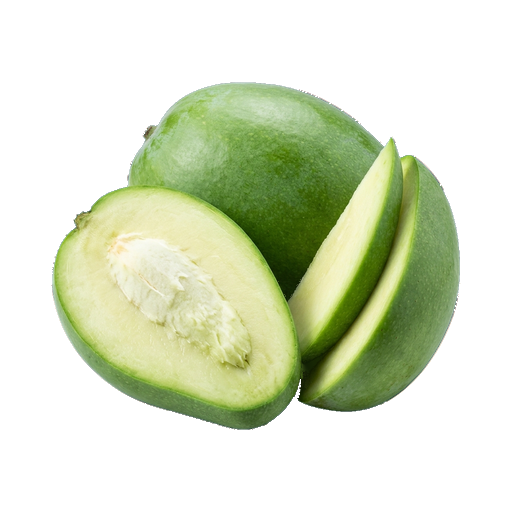
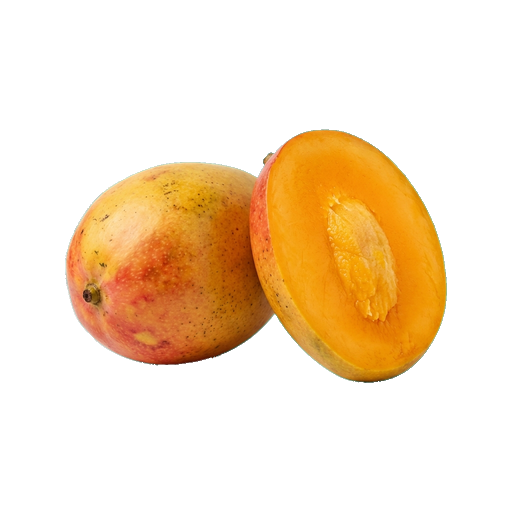
        Mango contains substances that can irritate the mucous membranes of the mouth and digestive tract in sensitive individuals. If you have mango intolerance, it is recommended to exclude this fruit from your diet and carefully check the composition of dishes, sauces, and desserts where it may be a hidden ingredient. When choosing recipes, opt for alternative tropical fruits — papaya, pineapple, or apricots, which have a similar flavor profile.

      • Melon and watermelon

        If you are intolerant to melons and watermelons, exclude sweet melons and melon-based dishes from your menu, as they may cause digestive discomfort. When selecting recipes, pay attention to alternative summer fruits and berries that have a similar refreshing texture and sweetness. This is especially important when planning desserts, beverages, and cold appetizers during warm weather.

      • Caffeine

        Caffeine is found in coffee, tea, cocoa, and their derivatives, so if you are sensitive to this substance, you should exclude these ingredients from recipes. Caffeine can cause anxiety, sleep disturbances, and increased heart rate, especially if consumed in large quantities. When choosing dishes, it is advisable to opt for recipes without coffee, strong tea, and cocoa, preferring herbal beverages and desserts based on them.

      • Alcohol

        When excluding alcohol from your diet, it's important to remember that alcoholic beverages are found not only in ready-made cocktails and aperitifs, but are also frequently used in cooking for preparing sauces, marinades, and desserts. When selecting recipes, you should avoid dishes with wine, beer, liqueurs, whiskey, vodka, and other alcoholic beverages, as well as check for the presence of alcohol in vinegars and ready-made sauces. Replacing alcoholic ingredients with non-alcoholic alternatives—juice, broth, or special extracts—will allow you to enjoy full-fledged and delicious dishes without health risks.

      • Pork

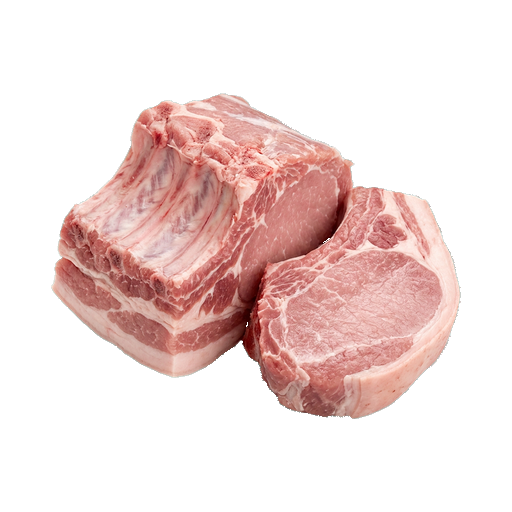
        If you have pork intolerance, you must exclude pork itself, bacon, ham, lard, and all pork products from your diet, including jamón and smoked-cooked products. This also applies to pork-flavored products such as bacon crackers, as they contain flavorings or meat traces. When choosing recipes, pay attention to sources of protein and fat — replace pork with chicken, beef, fish, or plant-based alternatives to maintain the flavor and nutritional value of the dish.

      • Beef

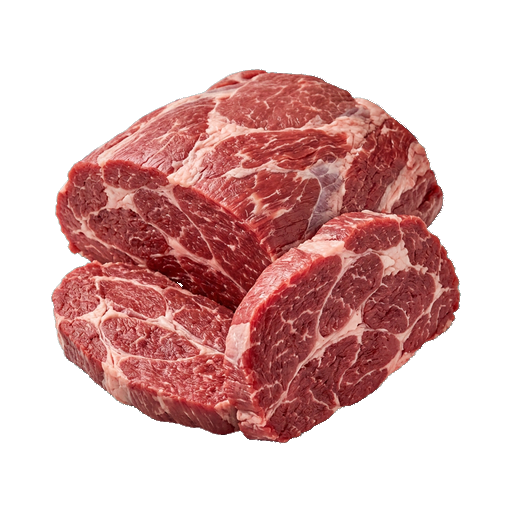
        If you have a beef allergy, you should exclude all types of this meat from your diet, including boiled beef and veal, as they contain identical proteins that trigger a reaction. When selecting recipes, it is important to replace beef with other protein sources — chicken, fish, pork, or plant-based alternatives to maintain the nutritional value of the dish. Carefully check the composition of ready-made products and broths, as beef may be included in semi-finished products and sauces.

      • Chicken

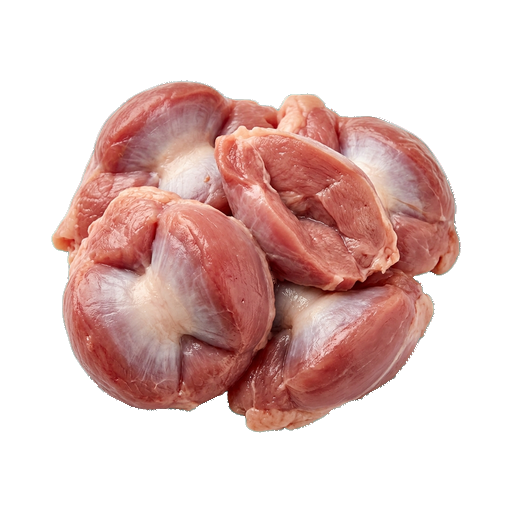
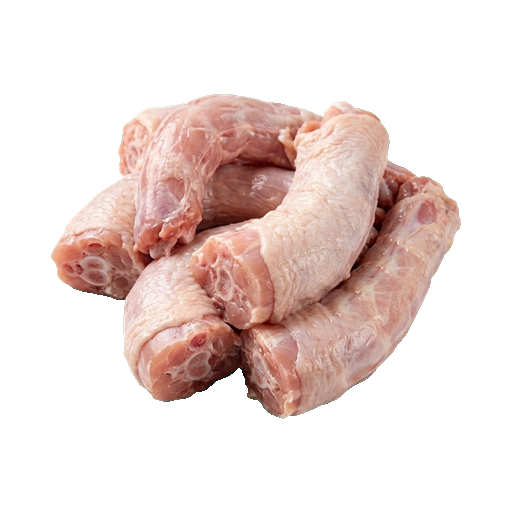
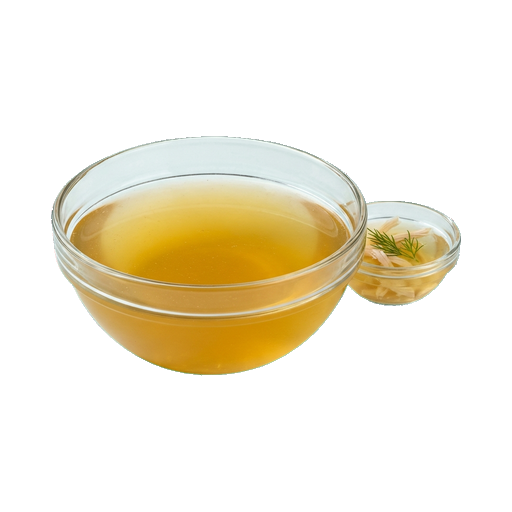
        Chicken is one of the most popular sources of protein in cooking, but people with poultry allergies need to exclude it and all its derivatives from their diet, including broths and spice blends based on it. When choosing recipes, it is important to check the composition of ready-made spice mixes and marinades, as they may contain traces of poultry. Suitable replacements include beef, fish, seafood, or plant-based proteins depending on the type of dish.

      • Turkey

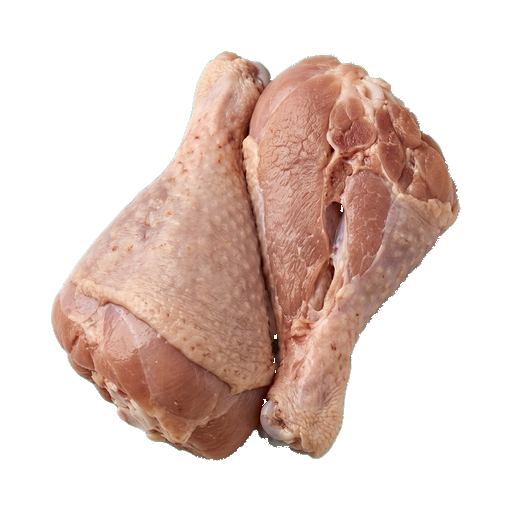
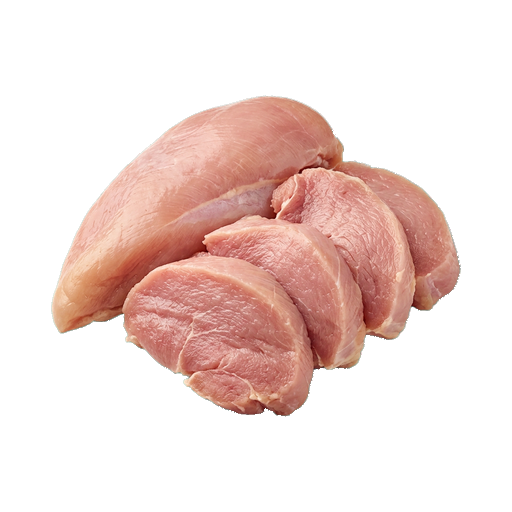
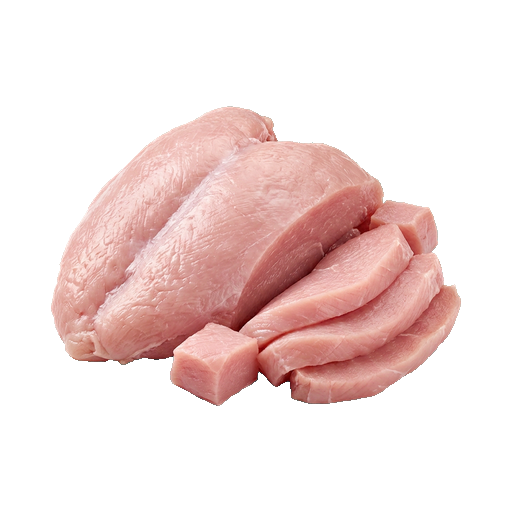
        Turkey is a dietary meat that rarely causes allergic reactions, but in some cases can trigger intolerance. If you are sensitive to turkey, you should exclude all its parts from your diet: breast, thigh, leg, and steaks, as well as dishes containing ground turkey or broth made from this meat. It is important to carefully check the composition of finished products and semi-finished products, where turkey may be a hidden ingredient.

      • Lamb

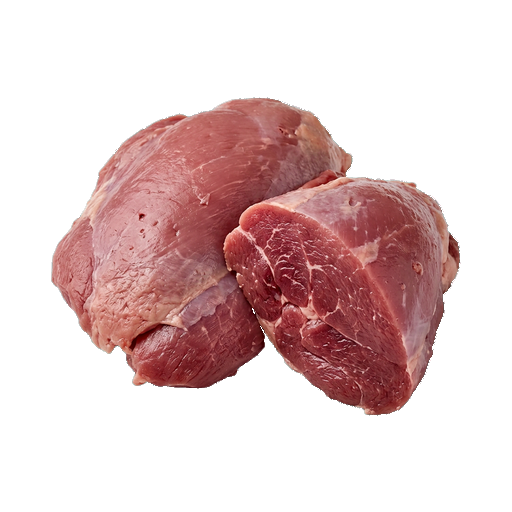
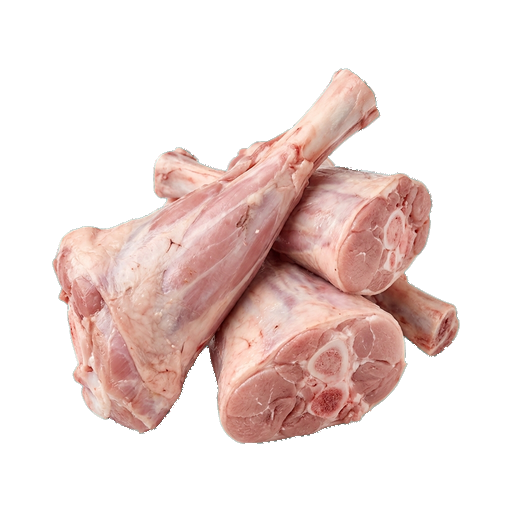
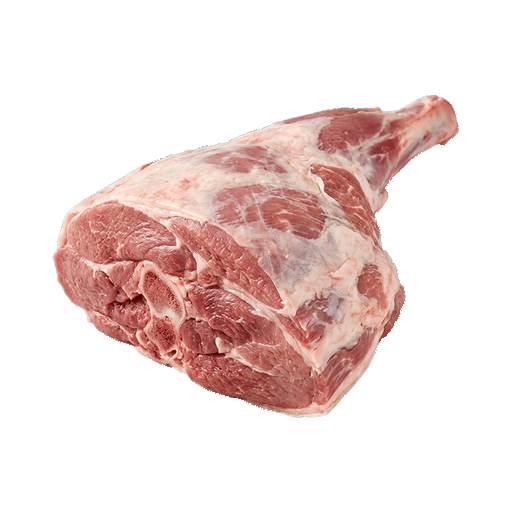
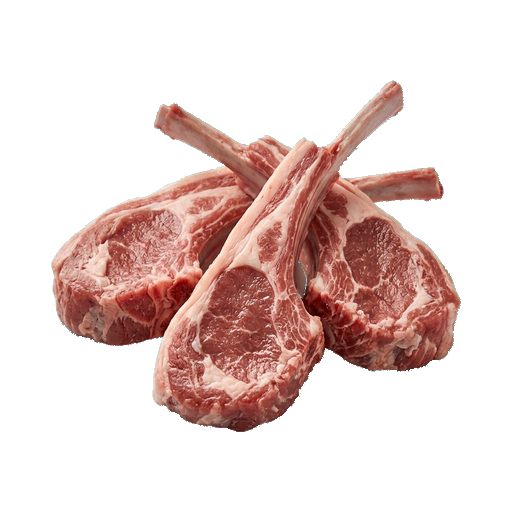
        Lamb contains high levels of saturated fats and purines, which can cause digestive problems and gout flare-ups in sensitive individuals. When choosing lamb recipes, it is recommended to prefer lean cuts of meat and combine them with fiber-rich vegetables to facilitate digestion. If you experience lamb intolerance, it is advisable to exclude it from your diet and replace it with lighter meat options — chicken, turkey, or fish.

      • Spices

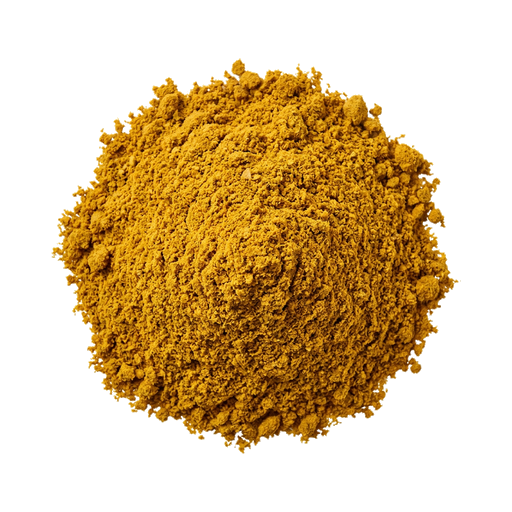
        When intolerant to spices, it is important to exclude sharp seasonings from your diet, such as curry, turmeric, cloves, and ginger, which can cause irritation of the digestive system and discomfort. These components are often used in Eastern and Asian cuisine, so when choosing recipes, it is worth giving preference to dishes with mild flavor profiles and minimal amounts of spices. Replacing sharp spices with herbs and delicate seasonings will help make familiar dishes more comfortable for the body.

      • Latex-fruit syndrome

        In latex-fruit syndrome, the body reacts to proteins similar to components of natural latex, which are found in some tropical fruits. Bananas, avocados, kiwis, papayas, and chestnuts should be excluded from the diet, as they can trigger cross-reactions and cause discomfort in the mouth and throat. When selecting recipes, it is important to replace these ingredients with safe alternatives and carefully check the composition of finished products.

      • Sunflower seed

        If you have sunflower seed intolerance, it is important to exclude sunflower seeds themselves, sunflower oil, and products containing these ingredients from your diet, as they may cause adverse reactions. When choosing recipes, consider alternative sources of oils and seeds, such as olive oil, coconut oil, or seeds from other crops. This will help you enjoy diverse cuisine without discomfort and maintain a balanced diet.

      • Pumpkin seed

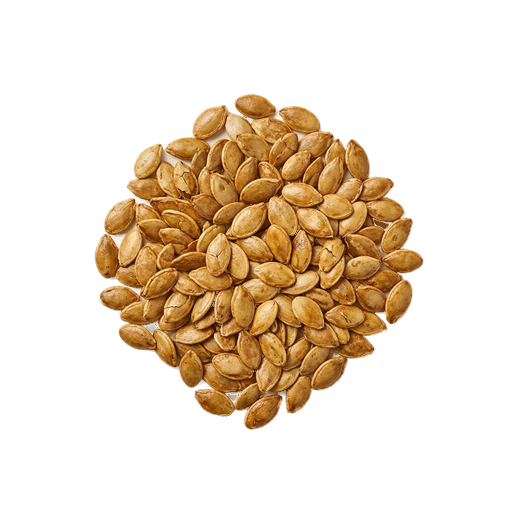
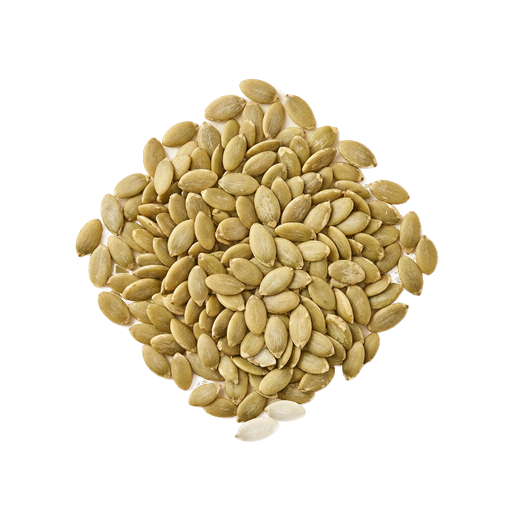
        Pumpkin seeds contain proteins and minerals that can cause food intolerance in some people. When selecting recipes with this ingredient, exclude dishes that mix it with other potential allergens and pay attention to the quality of seed processing. If you are cooking for people with sensitivity to pumpkin seeds, replace them with sunflower seeds or nuts, after first checking individual tolerance.

      • Chia seed

        Chia seeds contain a high concentration of fiber and fats that can cause digestive discomfort and allergic reactions in sensitive individuals. When choosing recipes, it is important to exclude dishes with chia seeds, ciabatta bread, and products where they are used as a thickener or additive. People with intolerance are recommended to pay attention to alternative sources of omega-3 and fiber, such as flaxseeds, sunflower seeds, or oatmeal.

      • Flaxseed

        Flaxseed contains substances that may cause individual intolerance in some people, so when choosing recipes, you should exclude dishes with flaxseed paste and flaxseed flour. This is especially important to consider when planning your menu if you notice discomfort after consuming flaxseed products. If needed, you can replace them with other sources of healthy fats and fiber.

      • Quinoa

        Quinoa is a nutritious grain that should be excluded from the diet in case of intolerance, as it can cause digestive discomfort and inflammatory reactions. When selecting recipes, it is recommended to replace quinoa with well-tolerated alternatives such as rice, buckwheat, or corn. This is especially important to consider when planning a balanced diet to ensure your body receives the necessary nutrients from other sources.

      • Oats

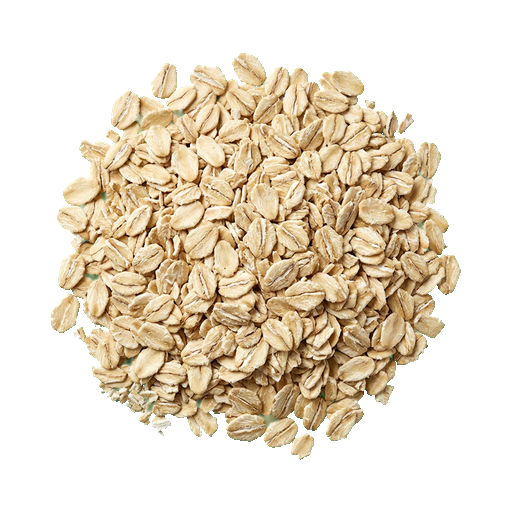
        In case of oat intolerance, all oat-based products should be excluded from the diet: oatmeal, rolled oats, oat flour, oat groats, and oat bran. This is important to consider when choosing breakfast recipes, baked goods, and porridges, as oats are often used as a main ingredient in healthy eating. When selecting alternative dishes, oat products can be replaced with rice, buckwheat, corn, or other grains that do not cause adverse reactions.

      The site can be installed as an app

      This site can work as an app.
      In the browser menu, choose → Cast, save, and share → Install page as an app.