 Usuba
Usuba
Diets
How a diet works, which foods to keep, and how to build a meal plan.
Goals

Calorie deficit
The goal is to maintain a sustainable energy deficit. The upper calorie limit is set by the generator from your profile; the diet rules specify a minimum protein ratio.
- Protein 20–30%
- Fat 25–35%
- Carbs 40–55%
Calorie surplus
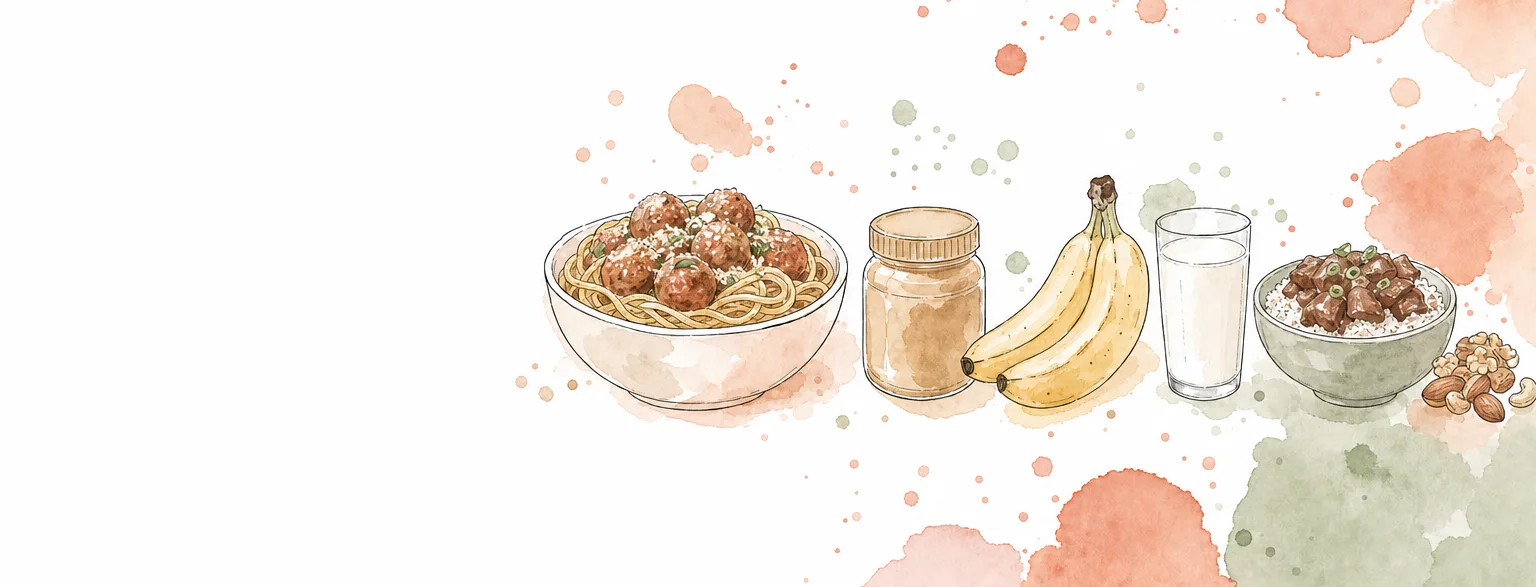
The goal is to gain mass. Absolute calorie intake and protein per kilogram of body weight are set by the generator from your profile; the diet has a soft floor for protein ratio.
- Protein 15–25%
- Fat 25–35%
- Carbs 45–60%
High-protein
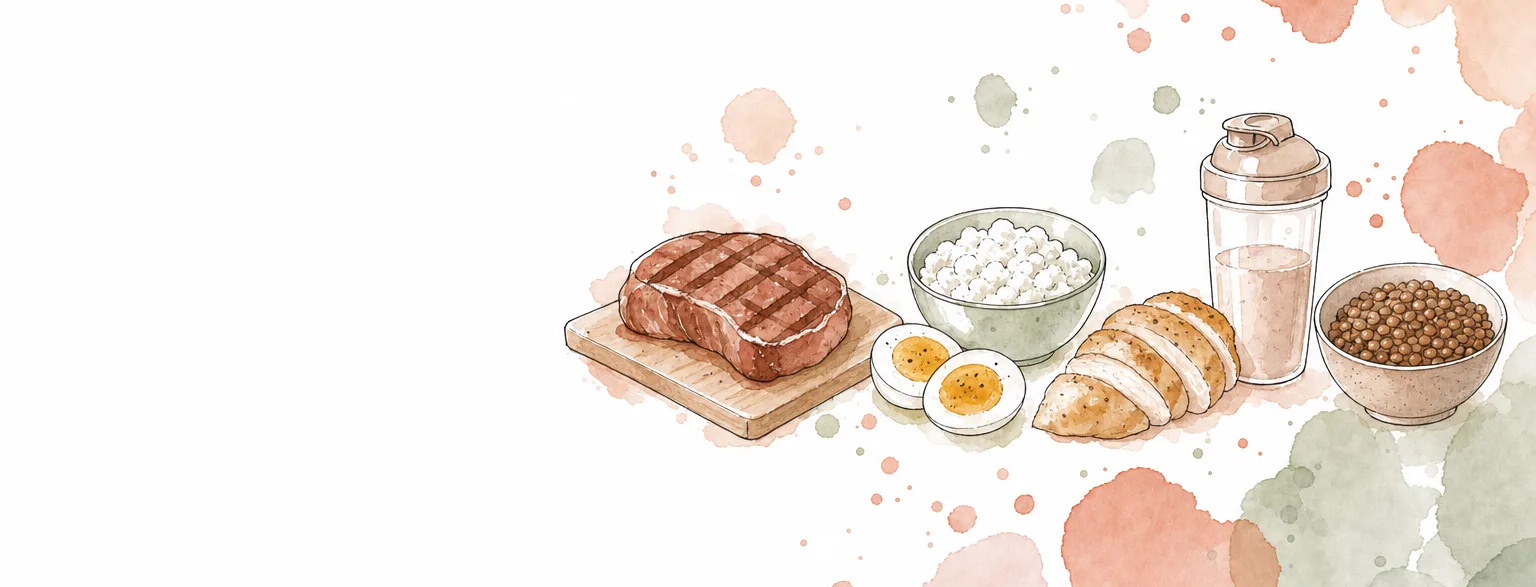
A diet with an increased share of protein in daily energy intake.
- Protein 25–35%
- Fat 20–35%
- Carbs 30–50%
Ethical

Vegetarian
No meat and fish; recipes with vegetarian tag; vitamin B12 monitoring per week.
- Protein 12–18%
- Fat 25–35%
- Carbs 50–60%
Vegan
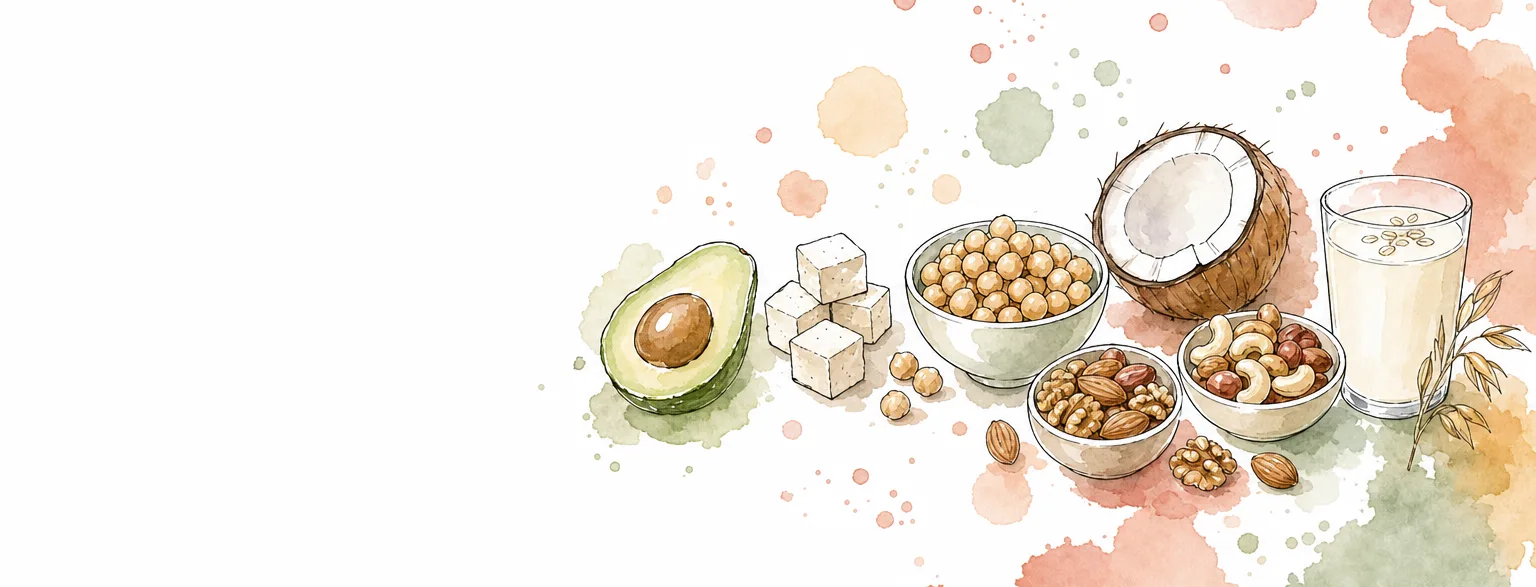
No animal products; B12, iron, and calcium monitoring over a week.
- Protein 12–18%
- Fat 25–35%
- Carbs 50–60%
Pescatarian
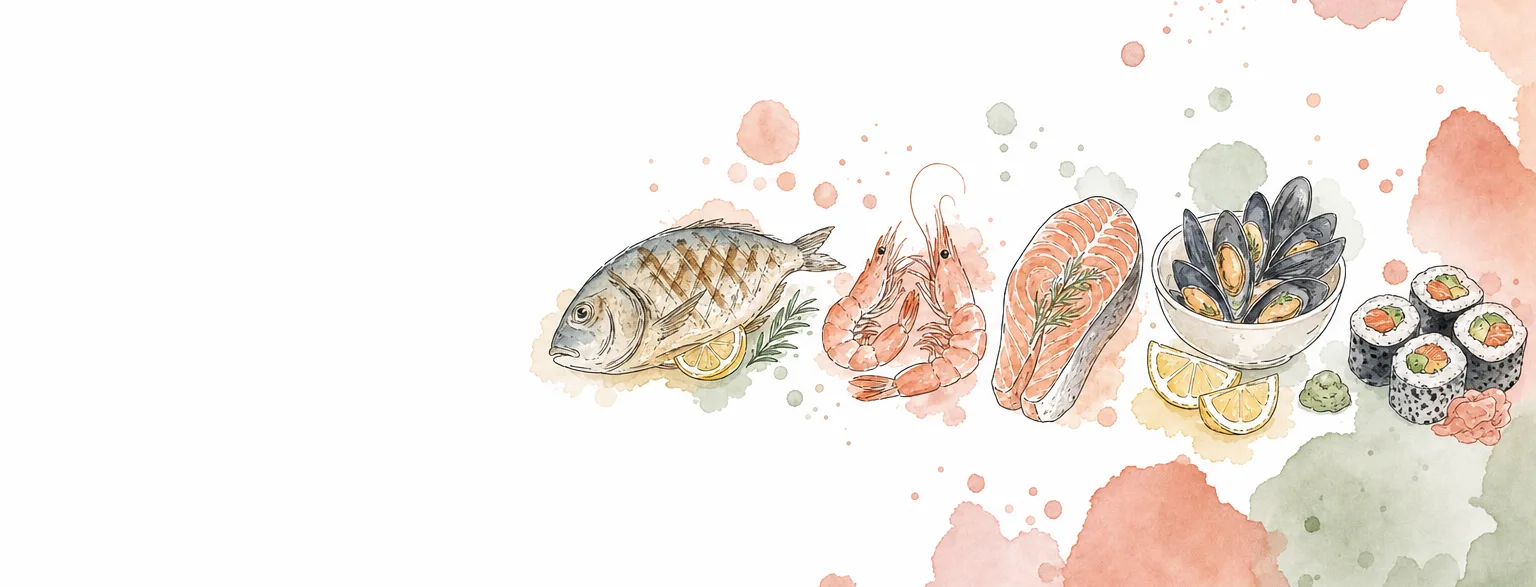
No meat and poultry; fish at least twice a week.
- Protein 15–25%
- Fat 25–35%
- Carbs 45–55%
Religious

Popular

Balanced nutrition
A diet with classic macronutrient distribution and sufficient fiber content.
- Protein 12–18%
- Fat 25–35%
- Carbs 50–60%
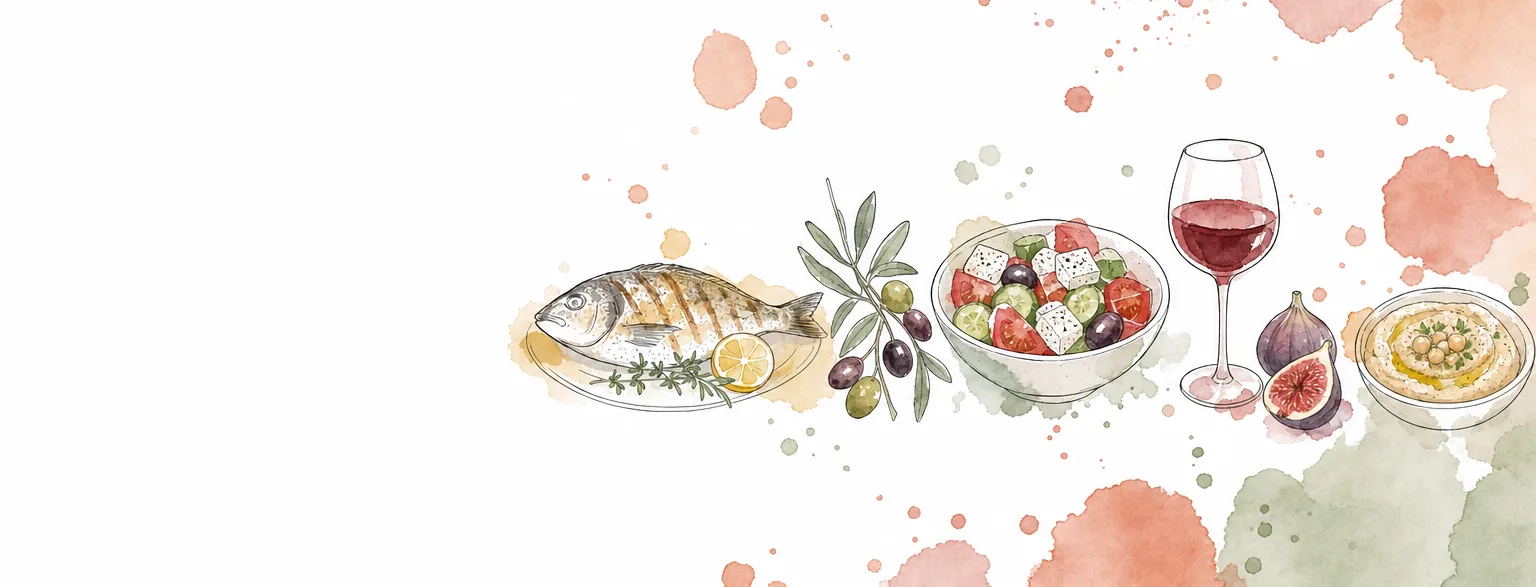
Mediterranean diet
Fish more often, red meat rarely, vegetables daily. The proportion of saturated fats depends on the caloric profile and is not set as an absolute value in the diet.
- Protein 15–20%
- Fat 30–40%
- Carbs 40–50%
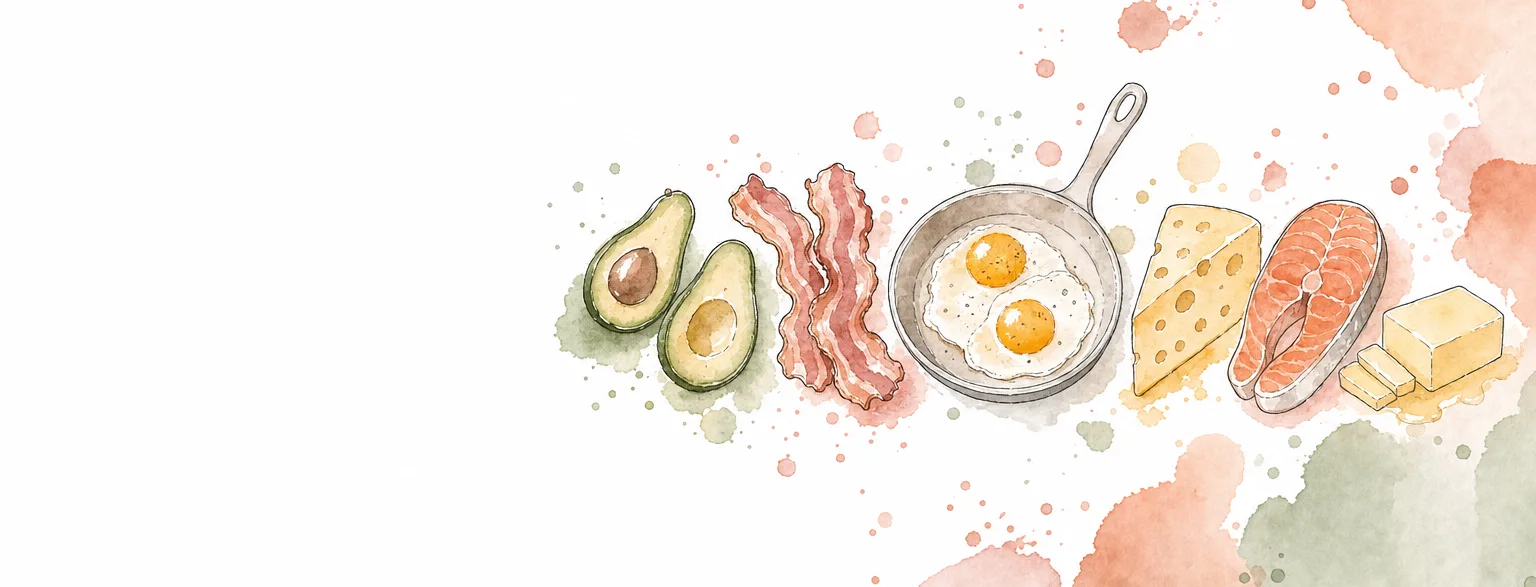
Ketogenic
Very low carbohydrate intake, high fat intake, moderate protein.
- Protein 15–25%
- Fat 65–80%
- Carbs 3–10%

Low-carb
Limiting the proportion of carbohydrates in daily energy intake.
- Protein 20–30%
- Fat 45–60%
- Carbs 10–25%
