 Usuba
Usuba

Ketogenic
The ketogenic diet is a way of eating with minimal carbohydrate content and high fat intake. The body enters a state of ketosis, in which it uses fats as the primary source of energy. Protein makes up 15–25% of daily energy, fats — 65–80%, carbohydrates — only 3–10%.
- Protein15–25%
- Fat65–80%
- Carbs3–10%
The diet in numbers
Macros
Most calories come from fat: 65–80%.
Percentages show the share of daily calories from each macronutrient. A range is a corridor, so there is no exact number to hit.
- Protein15–25%
- Fat65–80%
- Carbs3–10%
Calories by meal
The biggest meal is lunch: 40% of daily calories.
This is how daily calories split across breakfast, lunch, and dinner.
- Breakfast25%
- Lunch40%
- Dinner35%
How it works
- 1
Drastically limit carbohydrates to 20–50 grams per day
- 2
Increase the proportion of healthy fats: oil, nuts, avocado, fatty fish
- 3
Get protein from meat, fish, eggs, dairy products
- 4
Eliminate sugar, bread, grains, fruits with high glycemic index
- 5
Drink enough water and monitor electrolytes
- 6
Transition to ketosis takes 3–7 days
What to eat and what to avoid
Foods to eat
Meat and poultry
- beef
- pork
- lamb
- chicken
- duck
- turkey
Fish and seafood
- salmon
- mackerel
- herring
- tuna
- shrimp
- oysters
Eggs and dairy products
- eggs
- butter
- cheese
- cream
- sugar-free yogurt
Fats and oils
- olive oil
- coconut oil
- avocado
- nuts
- seeds
Low-carb vegetables
- broccoli
- cauliflower
- zucchini
- cucumbers
- tomatoes
- spinach
- lettuce
Beverages
- water
- black coffee
- unsweetened tea
- bone broth
Limit
Dairy products
- milk
- cottage cheese
- sour cream — control quantity
Nuts and seeds
- almonds
- walnuts
- sunflower seeds — small portions due to carbs
Medium-carb vegetables
- carrots
- beets
- potatoes — minimal amount
Alcohol
- dry wine
- spirits without sugar — rarely and in small doses
Avoid
Sugar and sweets
- sugar
- candy
- cookies
- cakes
- ice cream
- sweet drinks
Grains and cereals
- bread
- pasta
- rice
- oatmeal
- wheat
Fruits
- bananas
- grapes
- mango
- oranges
- apples
Starchy vegetables
- potatoes
- corn
- peas
Processed foods
- sausages with additives
- ready-made sauces with sugar
- low-fat products
Sample menu for the week
Target 2108 kcal. One cooking session covers 2 days.
5 Oct
1870 of 2108 kcal
Breakfast
382 kcal
- 2 days - 2 serv.Eggs Florentine with Spinach
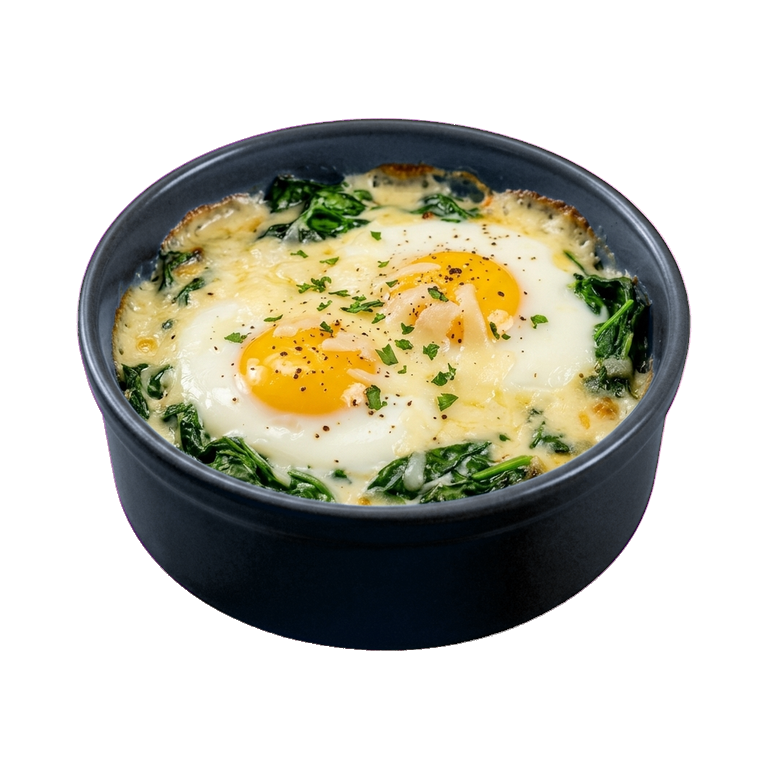 382 kcal
Lunch
701 kcal
- 2 days - 2 serv.Buryat Mutton Broth
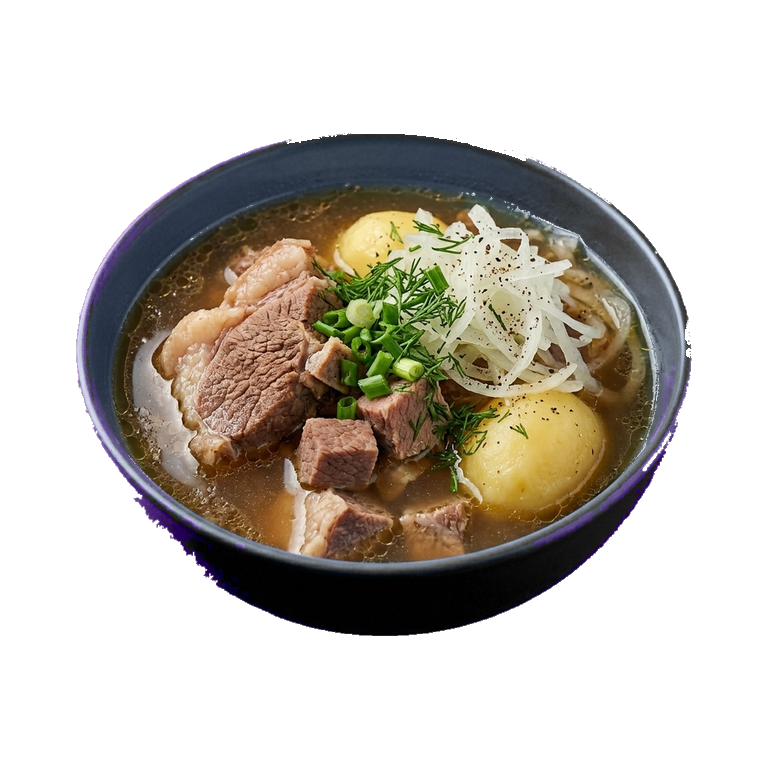 542 kcal
 - 2 days - 2 serv.Meat broth with omelet
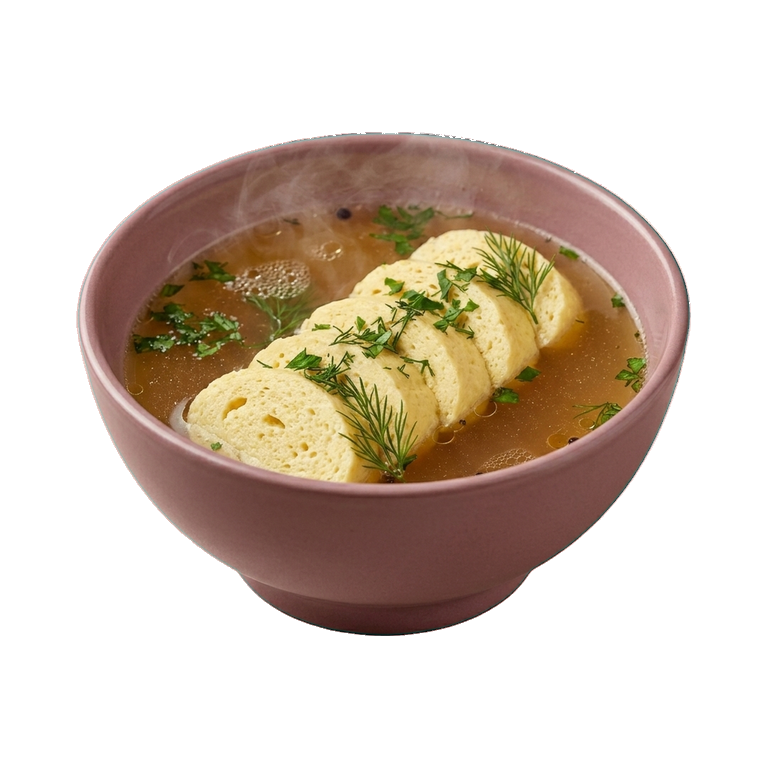 Side159 kcal
Dinner
787 kcal
- 2 days - 2 serv.Juicy Pork and Beef Cutlets with Basil
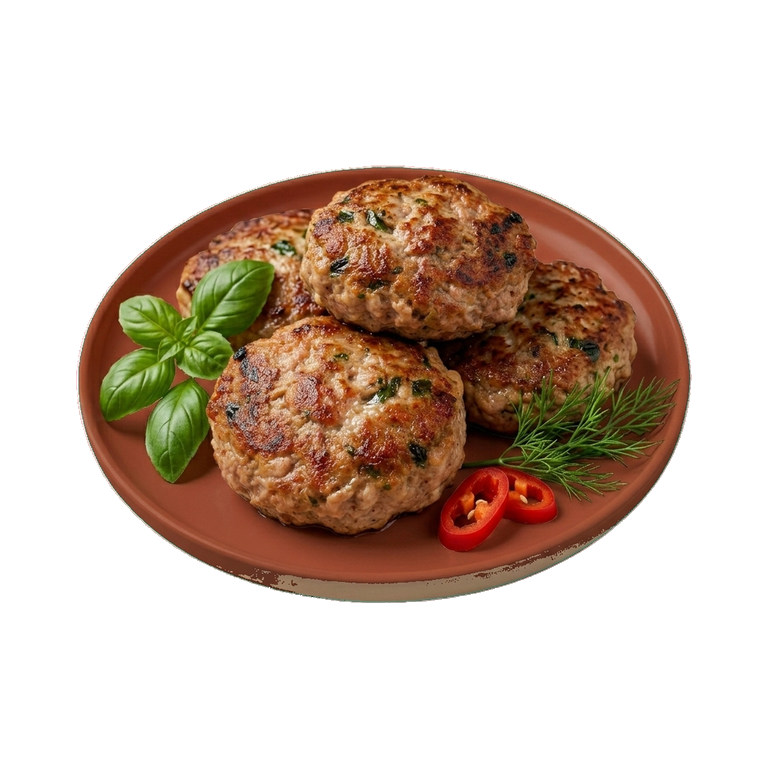 626 kcal
 - 2 days - 2 serv.Roasted Portobello Mushrooms with Garlic and Herbs
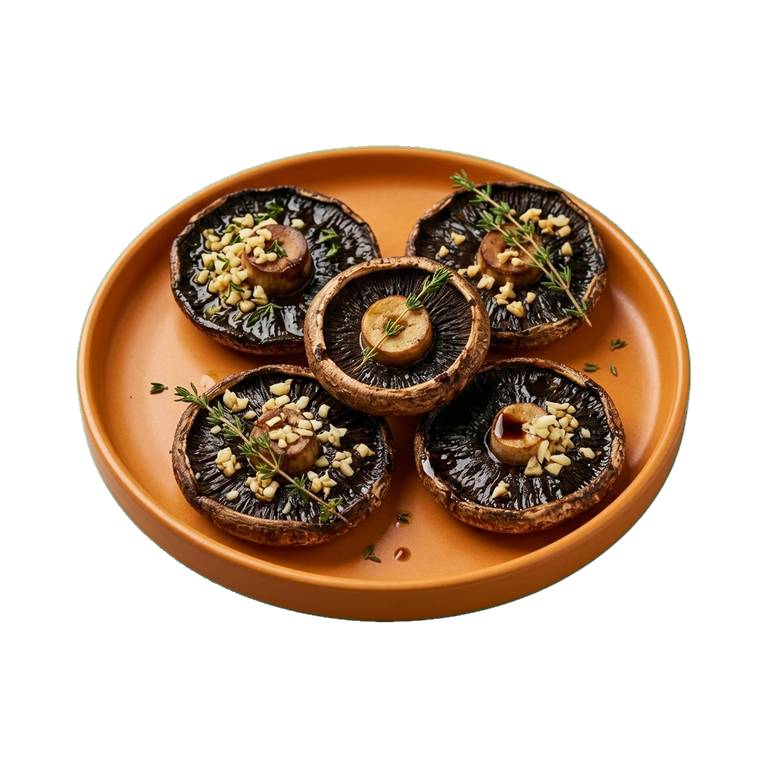 Side161 kcal
6 Oct
1870 of 2108 kcal
Breakfast
382 kcal
- From day 1 batchEggs Florentine with Spinach382 kcal
Lunch
701 kcal
- From day 1 batchBuryat Mutton Broth542 kcal
- From day 1 batchMeat broth with omeletSide159 kcal
Dinner
787 kcal
- From day 1 batchJuicy Pork and Beef Cutlets with Basil626 kcal
- From day 1 batchRoasted Portobello Mushrooms with Garlic and HerbsSide161 kcal
7 Oct
1886 of 2108 kcal
Breakfast
421 kcal
- 2 days - 2 serv.Egg Roll with Nuts and Dill
 421 kcal
Lunch
732 kcal
- 2 days - 2 serv.Shirataki pasta with ground chicken and tomato
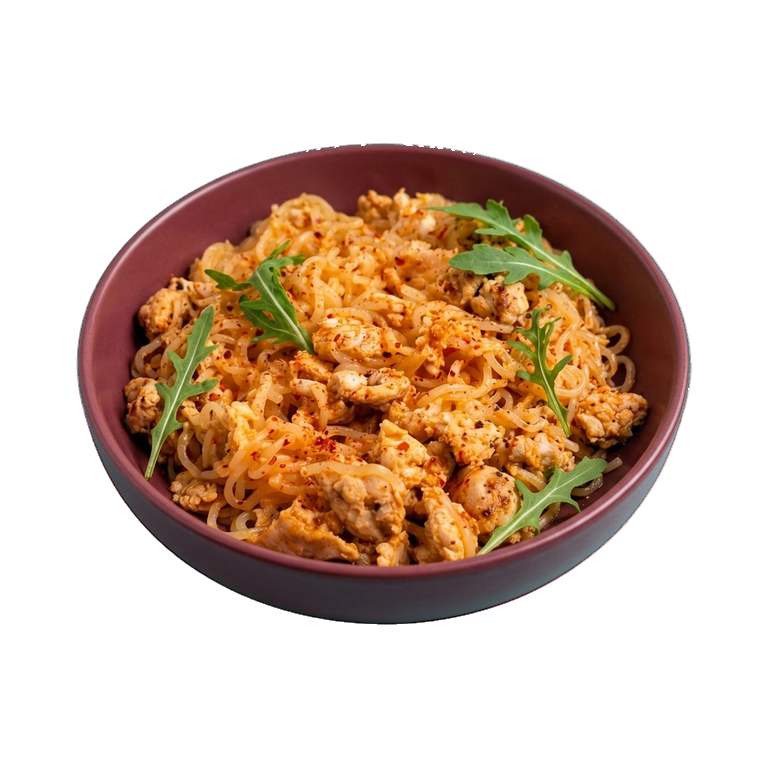 497 kcal
 - 2 days - 2 serv.Creamy Salmon Soup
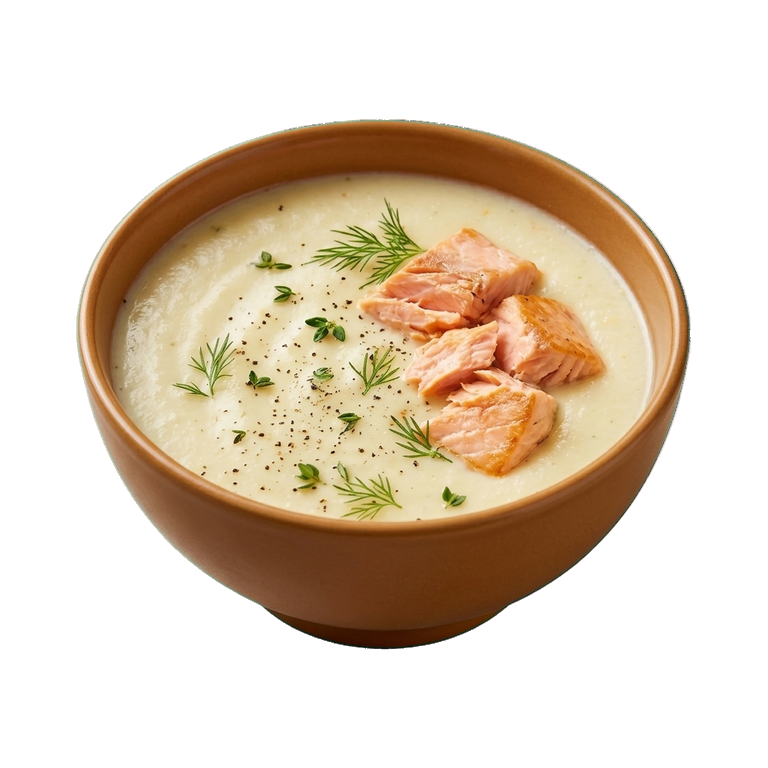 Side235 kcal
Dinner
733 kcal
- 2 days - 2 serv.Omelet with Tomatoes
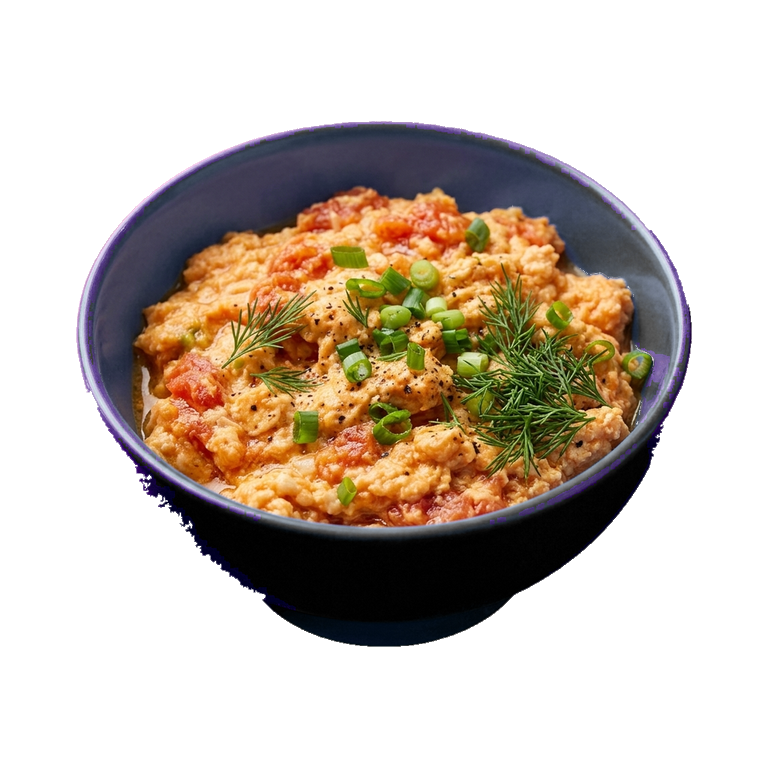 546 kcal
 - 2 days - 2 serv.Mashed potatoes with egg and milk
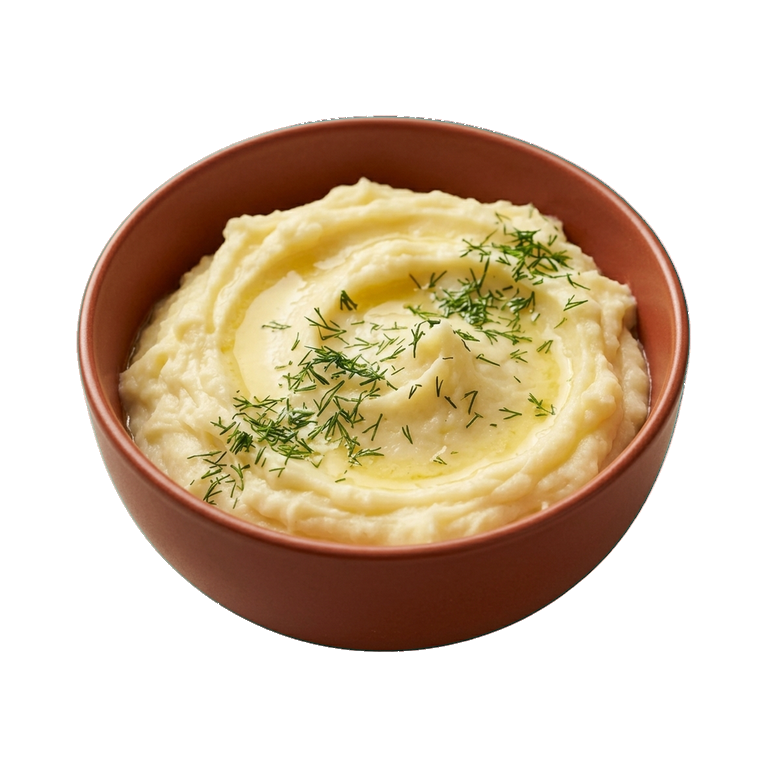 Side187 kcal
8 Oct
1886 of 2108 kcal
Breakfast
421 kcal
- From day 3 batchEgg Roll with Nuts and Dill421 kcal
Lunch
732 kcal
- From day 3 batchShirataki pasta with ground chicken and tomato497 kcal
- From day 3 batchCreamy Salmon SoupSide235 kcal
Dinner
733 kcal
- From day 3 batchOmelet with Tomatoes546 kcal
- From day 3 batchMashed potatoes with egg and milkSide187 kcal
9 Oct
2066 of 2108 kcal
Breakfast
492 kcal
- 2 days - 2 serv.Pancakes with Filling
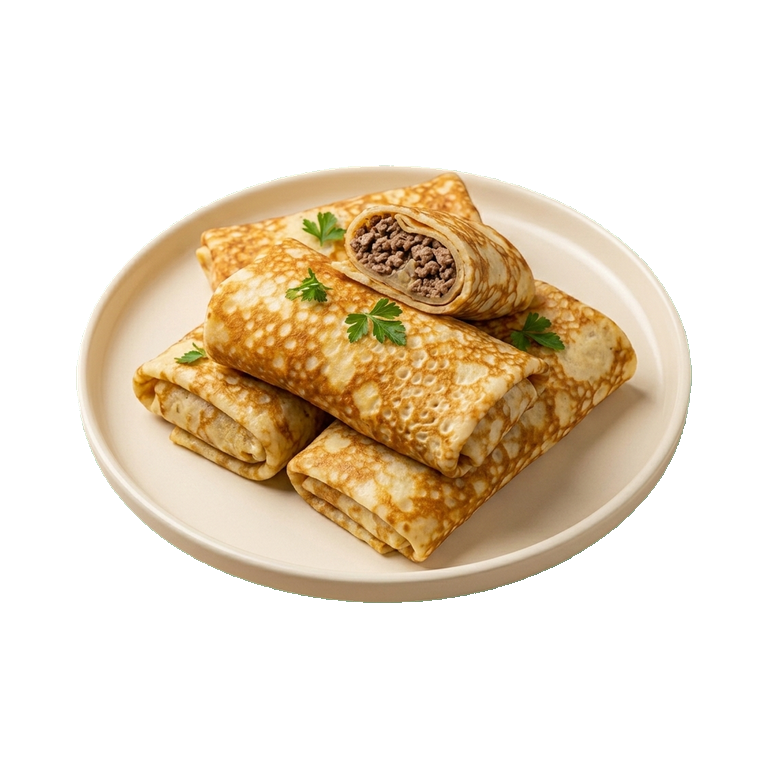 492 kcal
Lunch
747 kcal
- 2 days - 2 serv.Baked Chicken with Chickpeas in Tomato
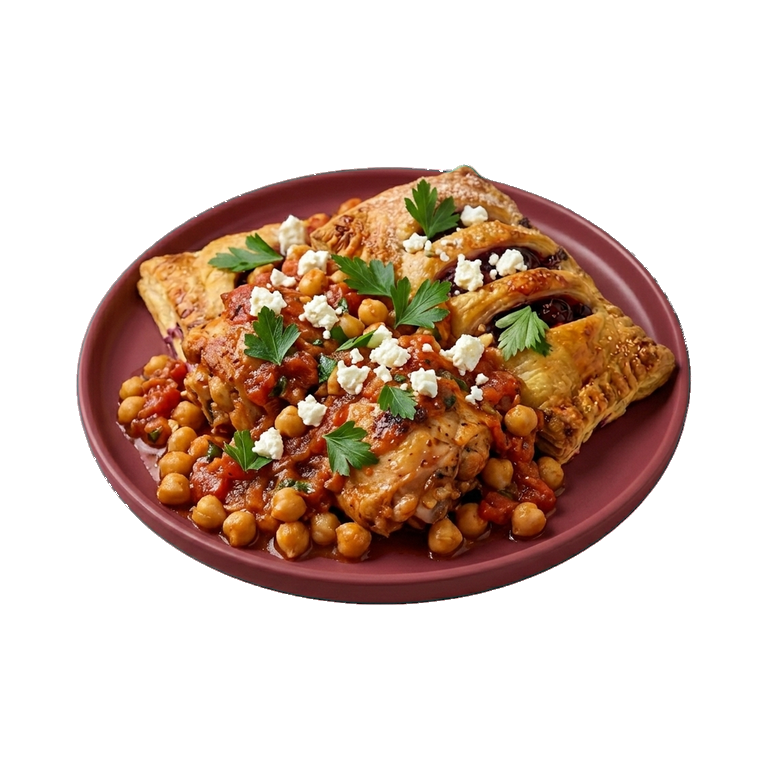 589 kcal
 - 2 days - 2 serv.Creamy Broccoli and Spinach Soup
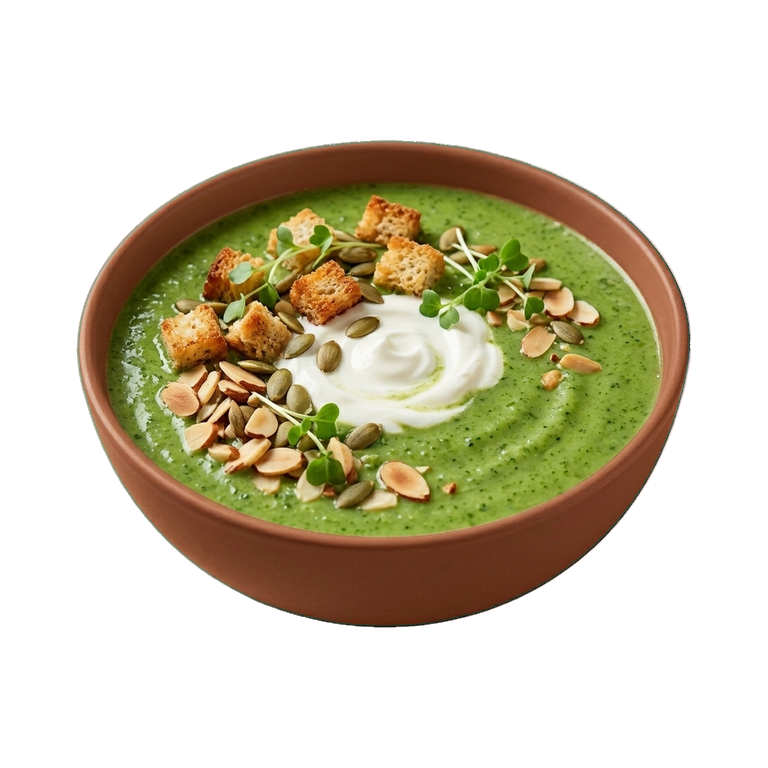 Side158 kcal
Dinner
827 kcal
- 2 days - 2 serv.Salmon with Cheese Crust Baked in the Oven
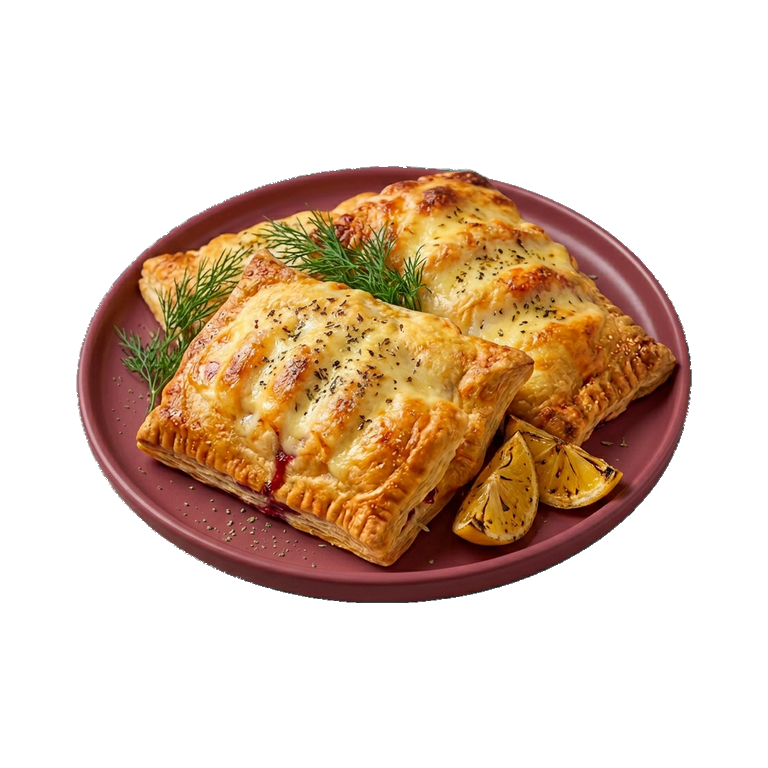 666 kcal
 - 2 days - 2 serv.Roasted Portobello Mushrooms with Garlic and HerbsSide161 kcal
10 Oct
2066 of 2108 kcal
Breakfast
492 kcal
- From day 5 batchPancakes with Filling492 kcal
Lunch
747 kcal
- From day 5 batchBaked Chicken with Chickpeas in Tomato589 kcal
- From day 5 batchCreamy Broccoli and Spinach SoupSide158 kcal
Dinner
827 kcal
- From day 5 batchSalmon with Cheese Crust Baked in the Oven666 kcal
- From day 5 batchRoasted Portobello Mushrooms with Garlic and HerbsSide161 kcal
11 Oct
1812 of 2108 kcal
Breakfast
532 kcal
- Omelette with butter sausages and tomatoes
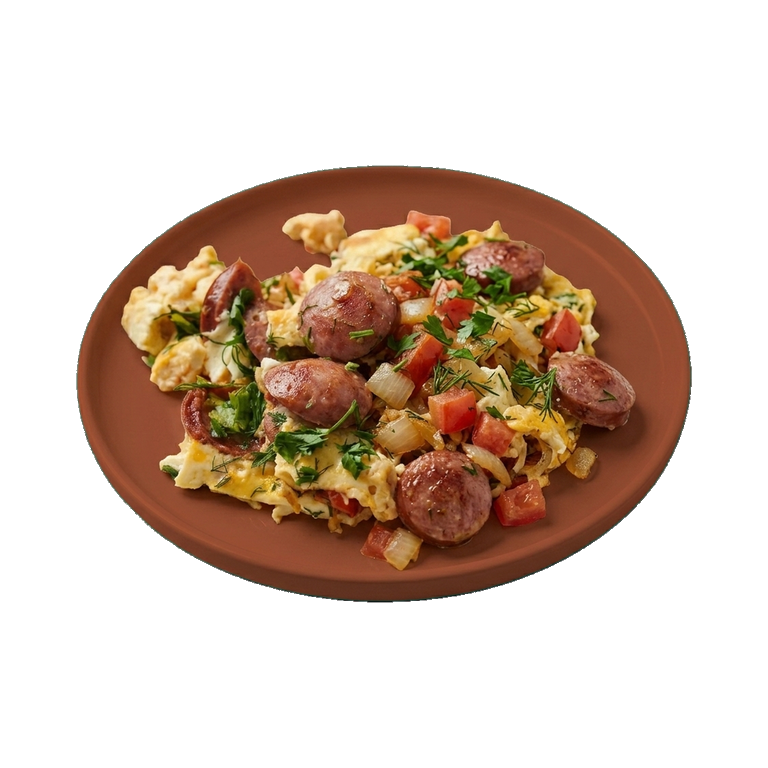 532 kcal
Lunch
535 kcal
- Meat Meatballs in Sour Cream Sauce
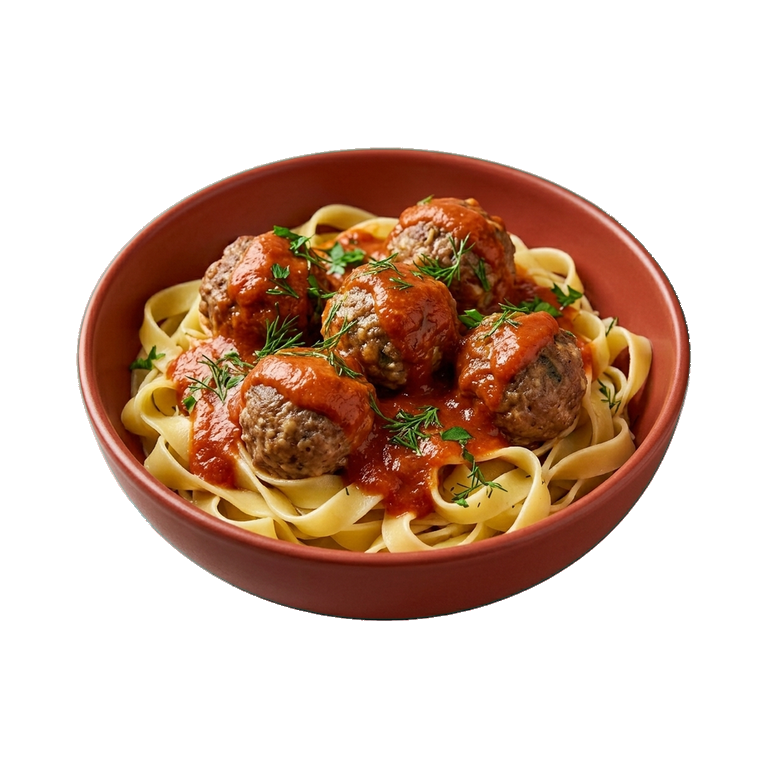 294 kcal
 - Canned pink salmon salad with rice and cheese
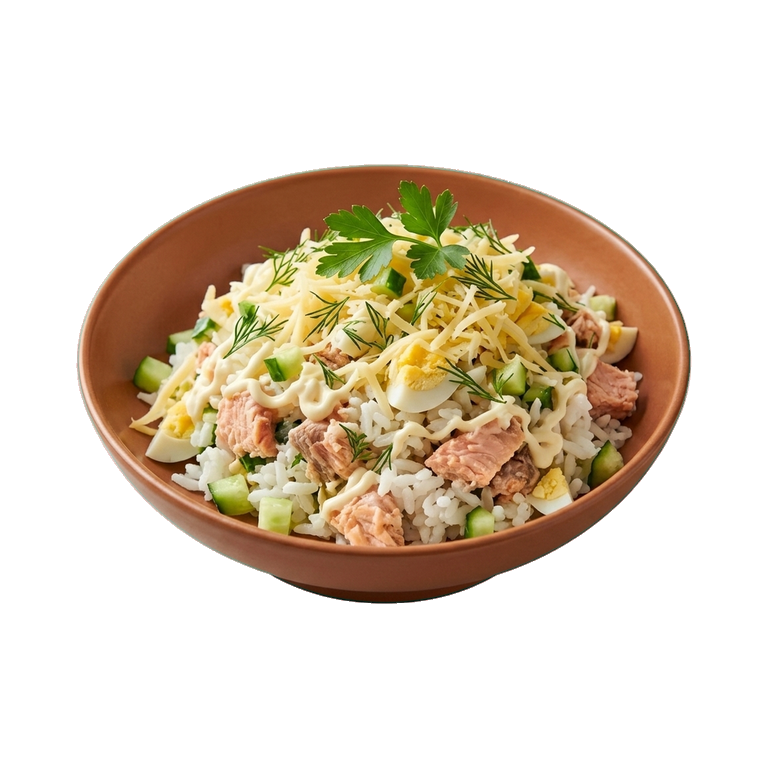 Side241 kcal
Dinner
745 kcal
- Shirataki pasta with ground chicken and tomato497 kcal
- Caprese with Sweet Strawberries
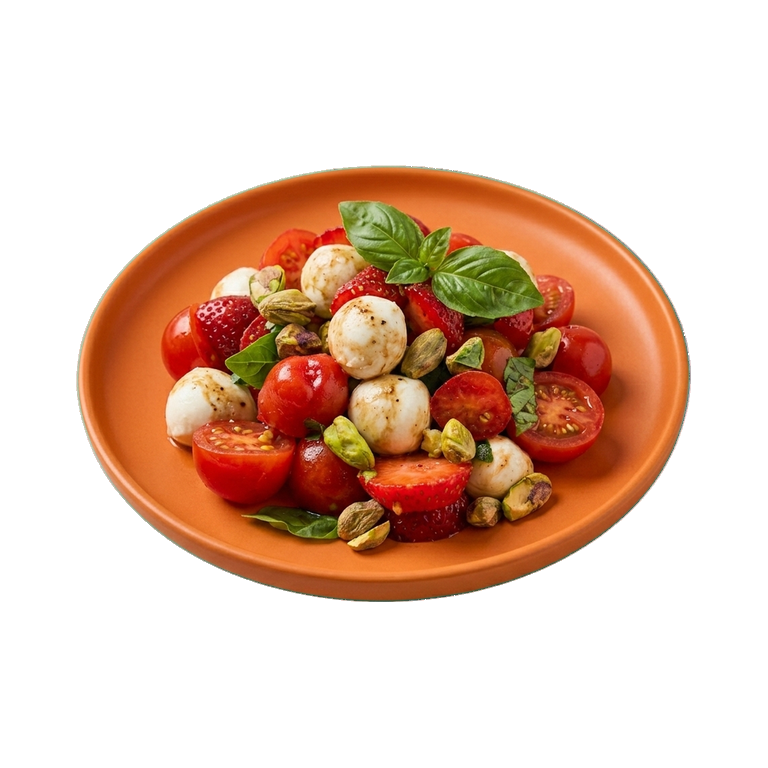 Side248 kcal
Pros and cons
Pros
- Rapid weight loss due to water loss and fat burning
- Blood sugar level stabilization
- Reduced appetite and cravings for sweets
- Improved concentration and mental clarity in ketosis
- May help with certain neurological conditions
Cons
- First 1–2 weeks can be challenging: fatigue, headache, irritability
- Requires strict carbohydrate control
- May lead to micronutrient deficiency without proper planning
- Not suitable for intense sports training
- High fat intake may be difficult for digestion
- Difficulty maintaining in social situations
Who it is for
Who it suits
- People seeking rapid weight loss
- Those who want to stabilize blood sugar levels
- People with low carbohydrate tolerance
- Those who prefer meat and fats to plant-based foods
Who should skip it
- Pregnant and nursing women
- People with liver and kidney disease
- Athletes requiring high carbohydrate loading
- People with eating disorders
- Those who cannot give up carbohydrates for medical reasons
Recipes for this diet
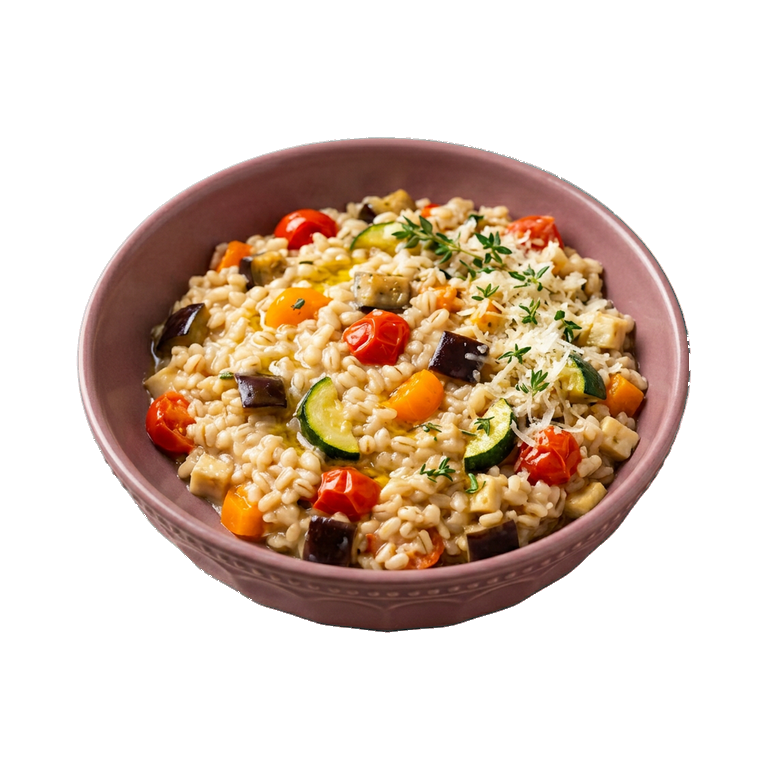
Barley Risotto with Vegetables
A hearty dish made from pearl barley with tomatoes, eggplant, zucchini, and celery root. Prepared like classic risotto — the grain gradually absorbs the broth, becoming soft and creamy. Served hot or cold.
- 10.5g
- Protein
- 12.6g
- Fat
- 54.8g
- Carbs
369 kcal / for 1 serving (564.1 g)
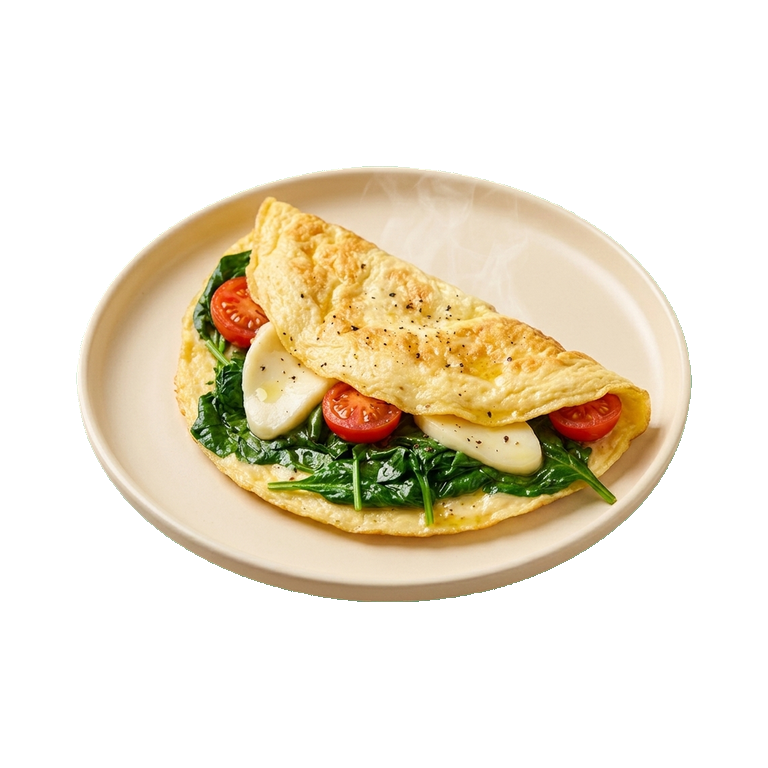
Omelette with Suluguni Cheese and Spinach
Quick omelet with tender spinach, melted cheese, and fresh tomatoes. The dish is prepared in a pan in just a few minutes and is perfect for breakfast or a light lunch.
- 29g
- Protein
- 20.5g
- Fat
- 9.4g
- Carbs
328 kcal / for 1 serving (370 g)
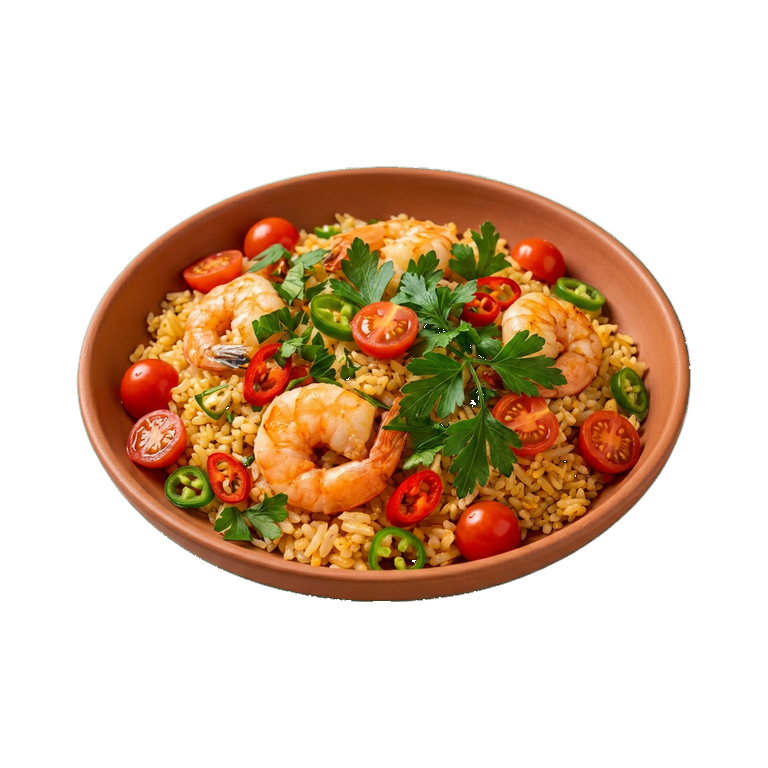
Rice with Shrimp, Tomatoes and Parsley
A quick dish with crispy rice, tender shrimp, and fresh herbs. The rice is fried until golden brown with hot pepper, then garnished with cherry tomatoes and parsley. Perfect for a light dinner or lunch.
- 24.3g
- Protein
- 0.9g
- Fat
- 32.5g
- Carbs
251 kcal / for 1 serving (290 g)
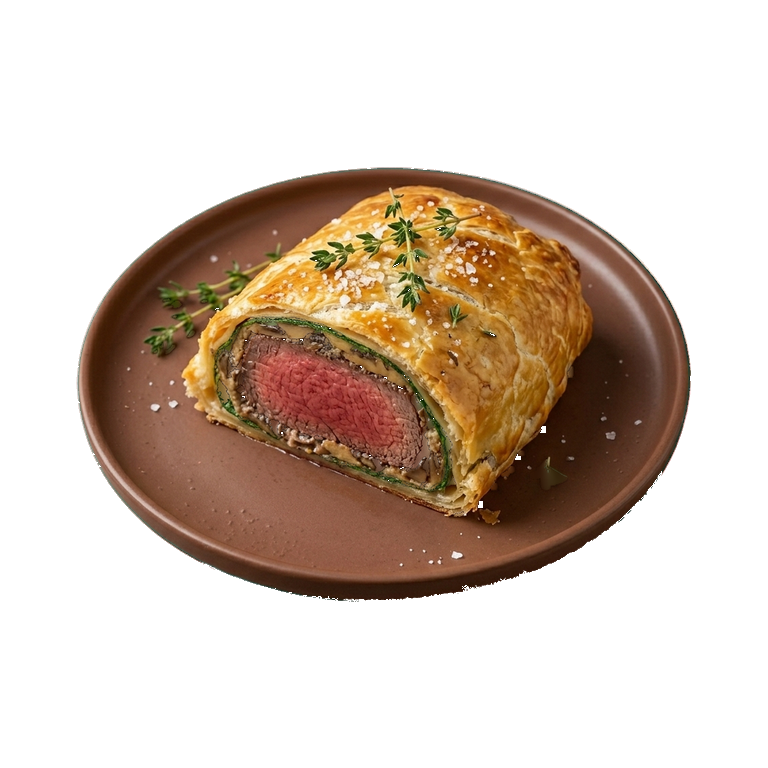
Beef Wellington with Liver Pâté
Festive meat dish in puff pastry with liver pâté, foie gras, and spinach. Tender beef tenderloin wrapped in a crispy crust, perfect for a formal table.
- 44.4g
- Protein
- 35.3g
- Fat
- 34.4g
- Carbs
644 kcal / for 1 serving (370.4 g)
Croutons with Cheese and Fresh Dill
Crispy croutons with a tender center, sprinkled with grated cheese and garnished with fresh dill. A simple and hearty dish that takes just a few minutes to prepare.
- 39.1g
- Protein
- 33.8g
- Fat
- 53.2g
- Carbs
678 kcal / for 1 serving (443 g)
Tartlets with cod liver and egg
Appetizer with canned cod liver, egg and herbs in crispy tartlets. A simple recipe for a festive table or everyday treat.
- 11.2g
- Protein
- 51.9g
- Fat
- 15.4g
- Carbs
579 kcal / for 1 serving (182 g)
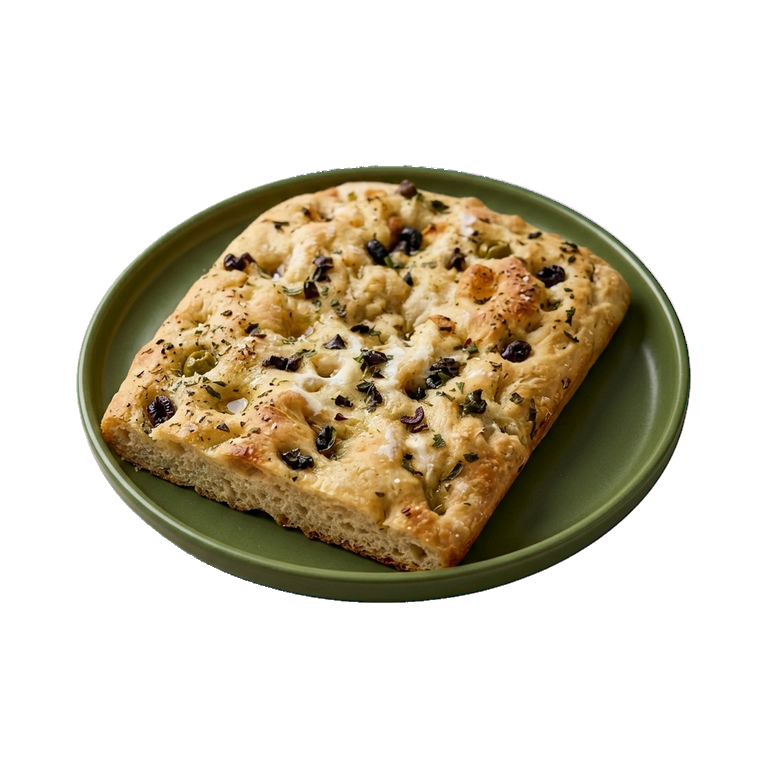
Italian Focaccia with Olives
Fragrant flatbread with a crispy crust, generously brushed with olive oil and decorated with olives, sea salt, and Italian herbs. A simple recipe for home cooking.
- 8.1g
- Protein
- 16g
- Fat
- 51.1g
- Carbs
397 kcal / for 1 serving (109.2 g)
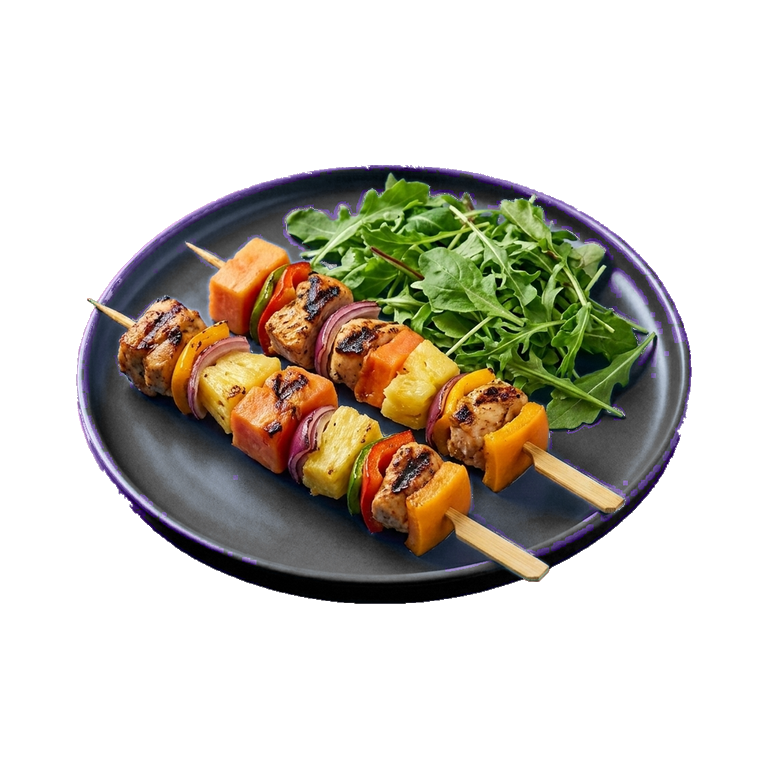
Chicken Skewers with Tropical Fruits
Juicy chicken skewers with papaya, pineapple and grilled vegetables. Chicken is marinated in lemon juice with honey, then threaded onto skewers together with onion, pepper and fruit. Grilled until golden brown.
- 94.1g
- Protein
- 12.5g
- Fat
- 17.8g
- Carbs
578 kcal / for 1 serving (472.9 g)
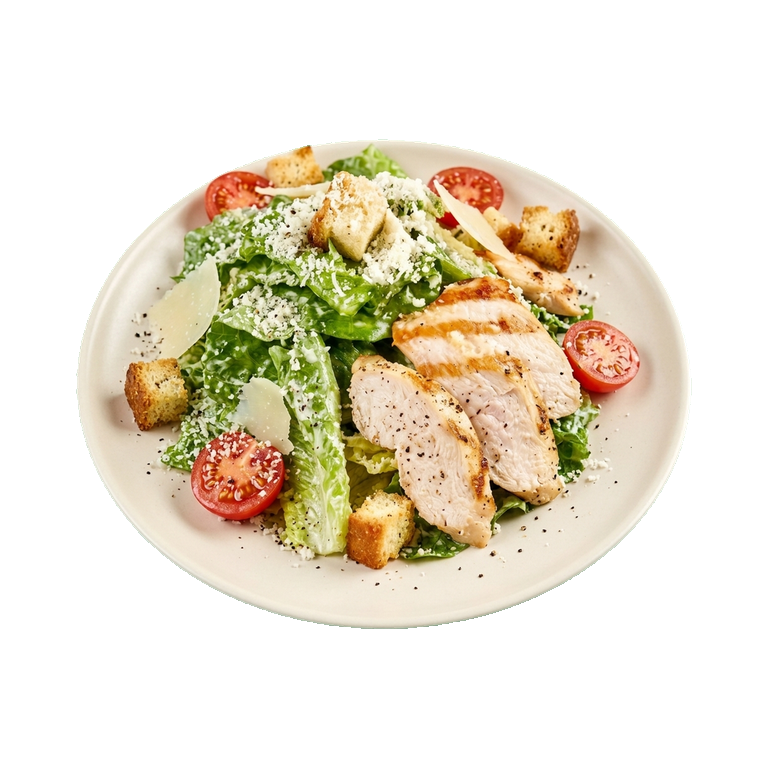
Caesar Salad with Chicken and Parmesan
Classic salad with crispy iceberg lettuce, tender grilled chicken, crunchy croutons, and thin slices of parmesan. Dressed with a piquant Caesar sauce with garlic.
- 71.3g
- Protein
- 34.7g
- Fat
- 29.5g
- Carbs
737 kcal / for 1 serving (381.6 g)
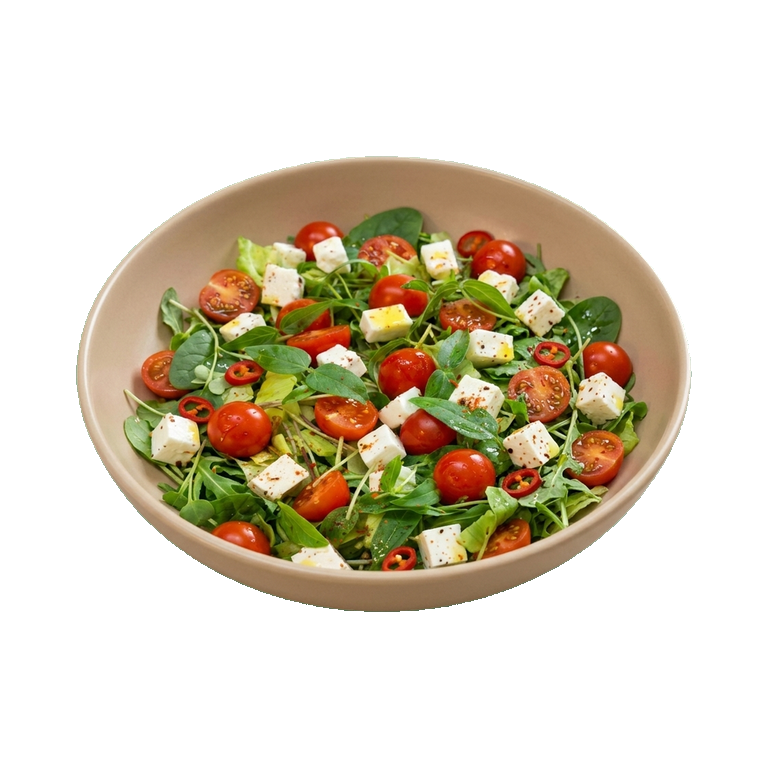
Light Salad with Goat Cheese and Tomatoes
A fresh salad made with tender greens, sweet cherry tomatoes, and creamy goat cheese. A simple dish with bright flavors, dressed with olive oil and seasoned with spicy chili pepper.
- 8.9g
- Protein
- 12.4g
- Fat
- 3.1g
- Carbs
164 kcal / for 1 serving (108 g)
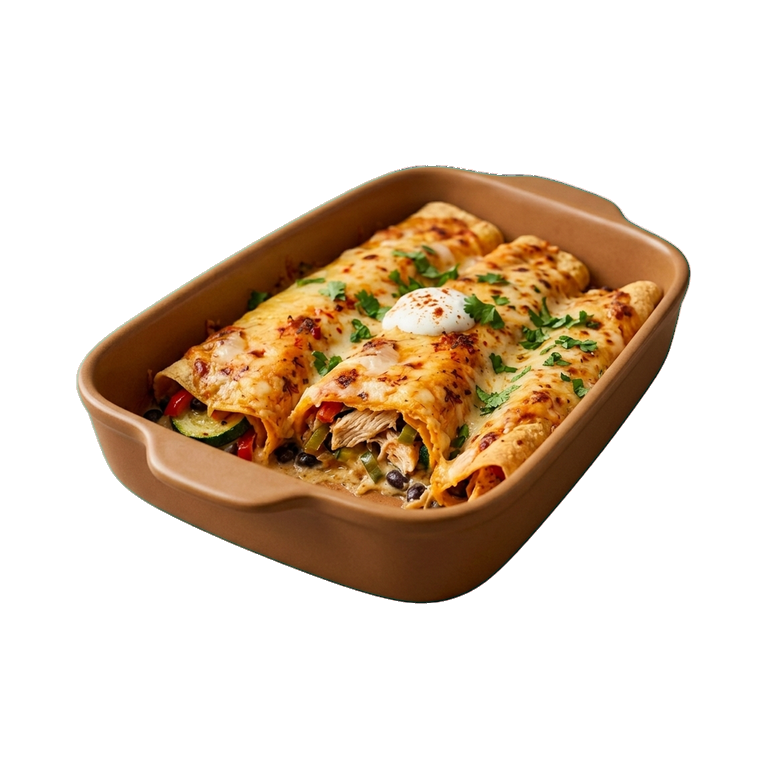
Chicken and Vegetable Enchiladas with Cheese
A Mexican dish made with tortillas and chicken, baked with grilled vegetables, tomato sauce, and cream cheese. You can use any ready-made chicken — grilled, boiled, or smoked.
- 40.5g
- Protein
- 48.4g
- Fat
- 64.7g
- Carbs
849 kcal / for 1 serving (651.1 g)
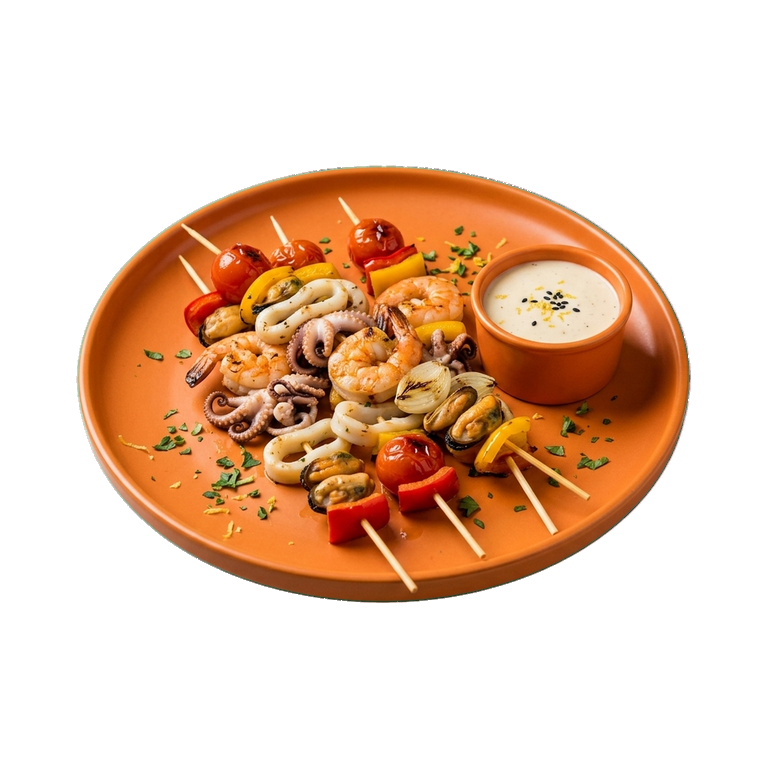
Seafood Skewers
Skewers of squid, shrimp, octopus and mussels with Asian sauce. Seafood is marinated in soy sauce, threaded onto skewers and seared in butter. Served with a sauce made from mayonnaise, soy sauce and lemon.
- 297.2g
- Protein
- 17.2g
- Fat
- 1g
- Carbs
1,544 kcal / for 1 serving (1,646.6 g)


Read more
Ketogenic Diet: Principles and Features
The ketogenic diet is an eating approach with minimal carbohydrate content and a high proportion of fats. With this approach, the body enters a state of ketosis, in which it uses fats as the primary source of energy instead of carbohydrates. The distribution of macronutrients looks as follows: protein accounts for 15–25% of daily energy, fats — 65–80%, carbohydrates — only 3–10%.
What you can and cannot eat
On a ketogenic diet, the basis of the diet consists of meat, fish, eggs, cheese, butter, olive oil, avocado, and nuts. From vegetables, low-carb options are allowed: broccoli, cauliflower, zucchini, cucumbers, spinach, and lettuce. Sugar, bread, cereals, pasta, potatoes, fruits, and sugary drinks are completely excluded. You should also avoid processed foods with additives and low-fat dairy products.
Body adaptation and first days
Entering a state of ketosis takes 3–7 days. In the first 1–2 weeks, some people experience fatigue, headaches, and irritability — this is a temporary condition that usually passes on its own. To ease the adaptation, it is recommended to drink enough water and monitor your body's electrolyte levels.
Who is this diet suitable for
A ketogenic diet can be beneficial for people seeking weight loss, those wanting to stabilize blood sugar levels, and those who prefer meat and fats to plant-based foods. However, it is not recommended for pregnant and nursing women, people with liver and kidney diseases, athletes requiring high carbohydrate intake, and those who cannot give up carbohydrates for medical reasons.
Before starting any diet, it is recommended to consult with a doctor or dietitian, especially if you have chronic diseases or are taking medications. Proper planning will help avoid micronutrient deficiencies and ensure comfortable diet adherence.
Questions
Short answers to the most common questions about this diet.
