 Usuba
Usuba

Balanced nutrition
Balanced nutrition is a diet where proteins, fats, and carbohydrates are distributed in optimal proportions, and the menu contains enough fiber for digestive health. This approach is suitable for everyday eating and does not require strict restrictions.
- Protein12–18%
- Fat25–35%
- Carbs50–60%
The diet in numbers
Macros
Most calories come from carbs: 50–60%.
Percentages show the share of daily calories from each macronutrient. A range is a corridor, so there is no exact number to hit.
- Protein12–18%
- Fat25–35%
- Carbs50–60%
Calories by meal
The biggest meal is lunch: 40% of daily calories.
This is how daily calories split across breakfast, lunch, and dinner.
- Breakfast25%
- Lunch40%
- Dinner35%
How it works
- 1
Proteins make up 12–18% of daily energy, fats — 25–35%, carbohydrates — 50–60%
- 2
Consume at least 25 g of fiber daily from vegetables, fruits, and grains
- 3
Eat three main meals and two snacks
- 4
Choose whole grain products instead of refined ones
- 5
Drink enough water — at least 1.5–2 liters per day
- 6
Prepare dishes by steaming, boiling, baking, or stewing
- 7
Include a protein source, vegetables, and complex carbohydrates in each meal
- Клетчатка: следите за нормой в рационе
What to eat and what to avoid
Foods to eat
Proteins
- chicken and turkey without skin
- fish and seafood
- lean beef
- eggs
- cottage cheese and plain yogurt
- legumes
- nuts and seeds
Carbohydrates
- brown rice
- buckwheat
- oatmeal
- whole grain bread
- pasta made from durum wheat
- potatoes
- sweet potatoes
Vegetables and fruits
- broccoli
- carrots
- tomatoes
- leafy greens
- apples
- pears
- berries
- oranges
- kiwi
Fats
- olive oil
- avocado
- nuts
- flax and chia seeds
- fish oil
Dairy products
- milk 1–2% fat
- kefir
- unsweetened yogurt
- low-fat cheese
Limit
Sweets and baked goods
- white bread
- pastries
- cookies
- candy
- sweet drinks
- jam
Fatty meat
- pork with lard
- duck
- goose
- processed meat products
High-fat dairy products
- butter
- cream
- high-fat cottage cheese
- sweet yogurts
Salt and spices
- salt in large quantities
- hot spices in excess
Avoid
Fast food and processed foods
- hamburgers
- french fries
- store-bought pizza
- ready-made dumplings
- frozen cutlets
Sweet and carbonated drinks
- cola
- lemonade
- energy drinks
- sweet compote
Alcohol
- beer
- wine
- strong spirits
Trans fats
- margarine
- cooking fat
- chips
- industrial crackers
Sample menu for the week
Target 2108 kcal. One cooking session covers 2 days.
5 Oct
2038 of 2108 kcal
Breakfast
606 kcal
- 2 days - 2 serv.Potato Pancakes with Ryazhenka
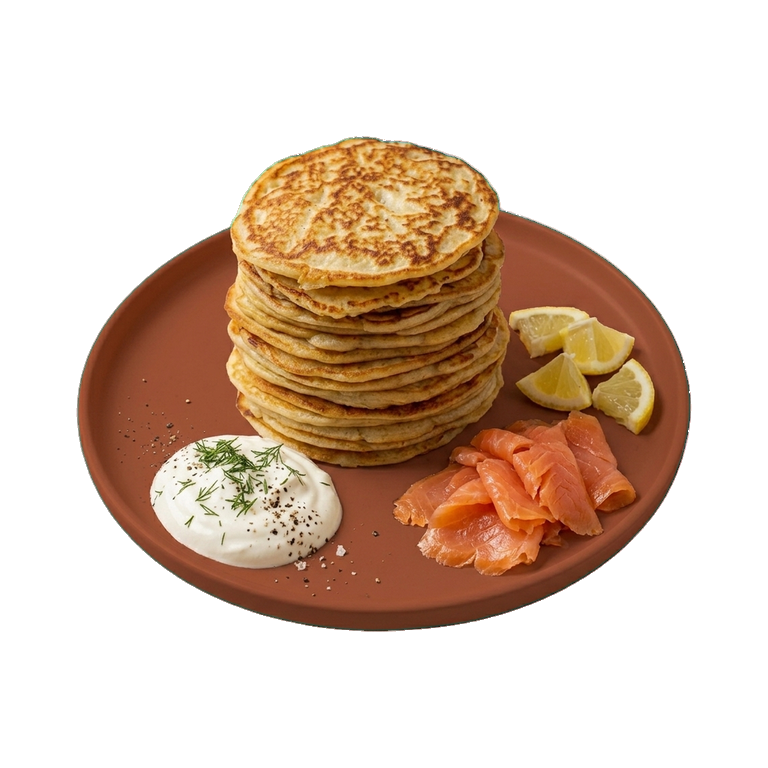 606 kcal
Lunch
723 kcal
- 2 days - 2 serv.Potato Waffles with Mushrooms and Cheese
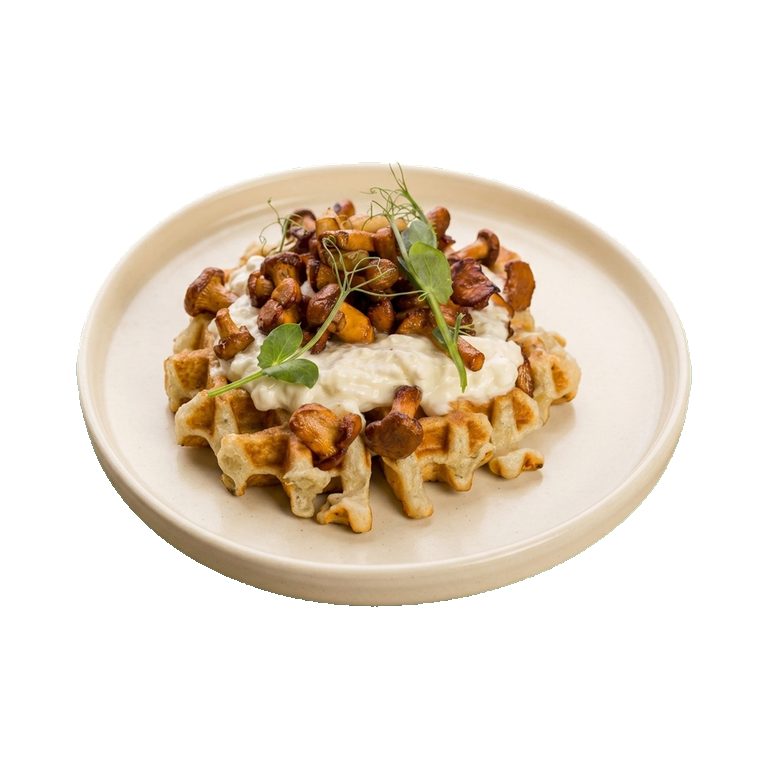 590 kcal
 - 2 days - 2 serv.Mushroom Soup in a Slow Cooker
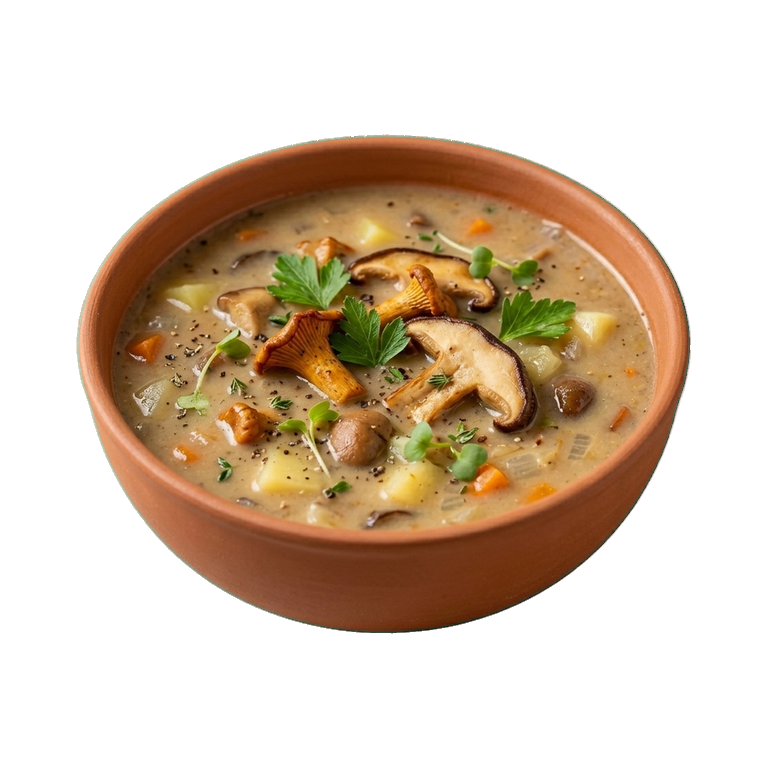 Side133 kcal
Dinner
709 kcal
- 2 days - 2 serv.Baked Fish Fillet with Mushrooms and Potatoes
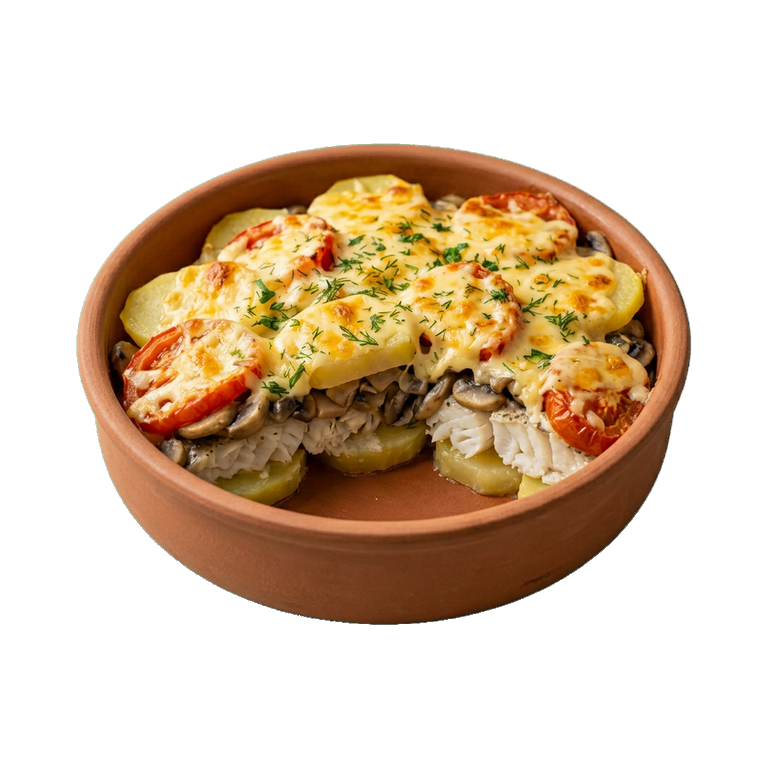 522 kcal
 - 2 days - 2 serv.Mashed potatoes with egg and milk
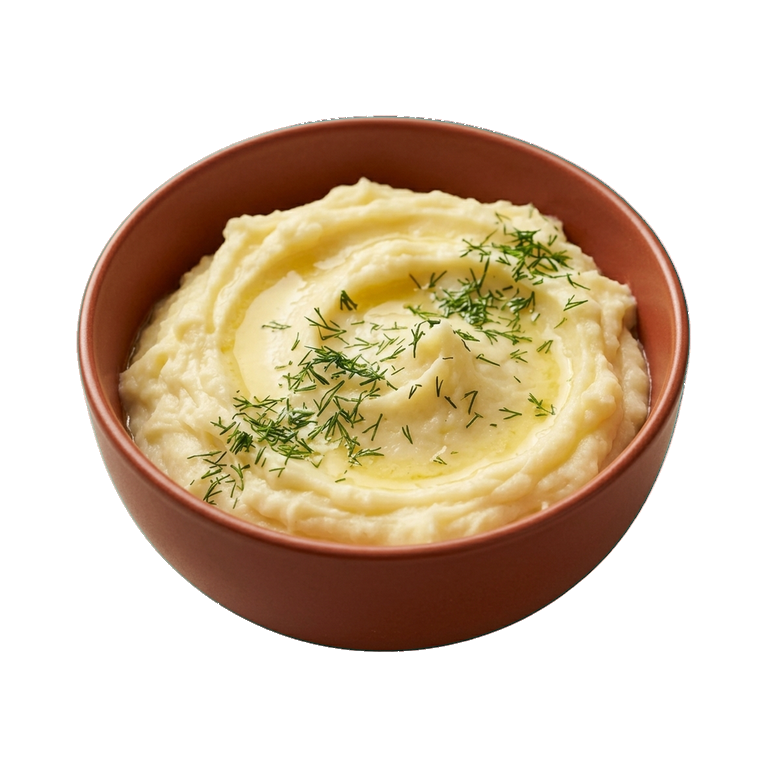 Side187 kcal
6 Oct
2038 of 2108 kcal
Breakfast
606 kcal
- From day 1 batchPotato Pancakes with Ryazhenka606 kcal
Lunch
723 kcal
- From day 1 batchPotato Waffles with Mushrooms and Cheese590 kcal
- From day 1 batchMushroom Soup in a Slow CookerSide133 kcal
Dinner
709 kcal
- From day 1 batchBaked Fish Fillet with Mushrooms and Potatoes522 kcal
- From day 1 batchMashed potatoes with egg and milkSide187 kcal
7 Oct
1821 of 2108 kcal
Breakfast
490 kcal
- 2 days - 2 serv.Pancakes with Zucchini and Pepper Filling
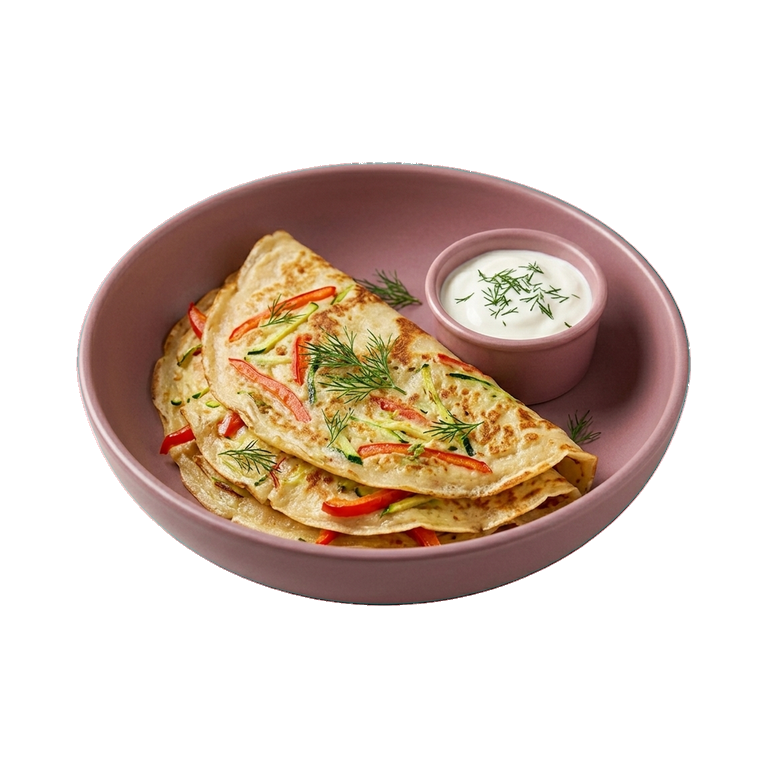 490 kcal
Lunch
861 kcal
- 2 days - 2 serv.Baked Potatoes in a Pot
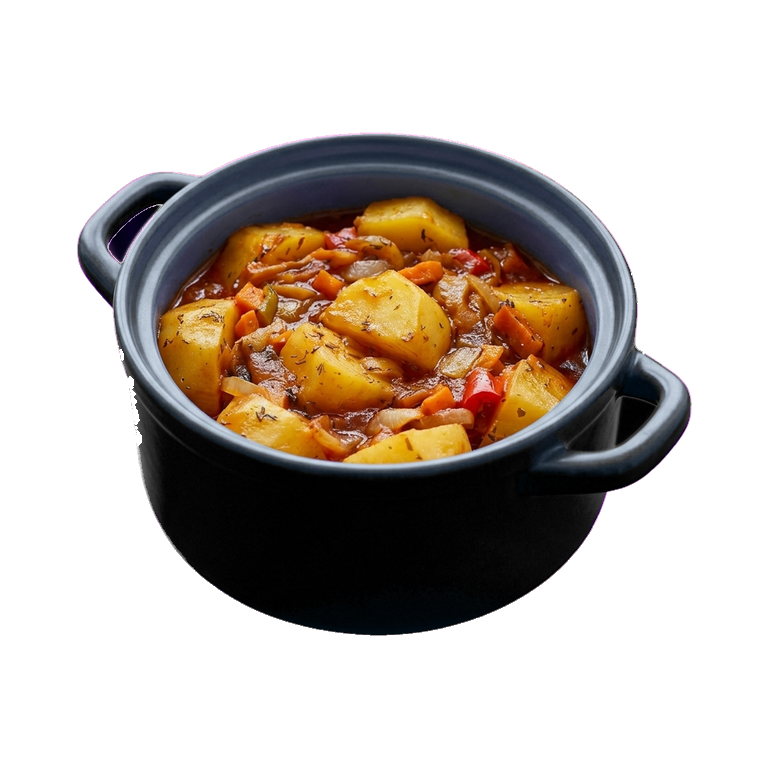 536 kcal
 - 2 days - 2 serv.Pumpkin and Coconut Cream Soup
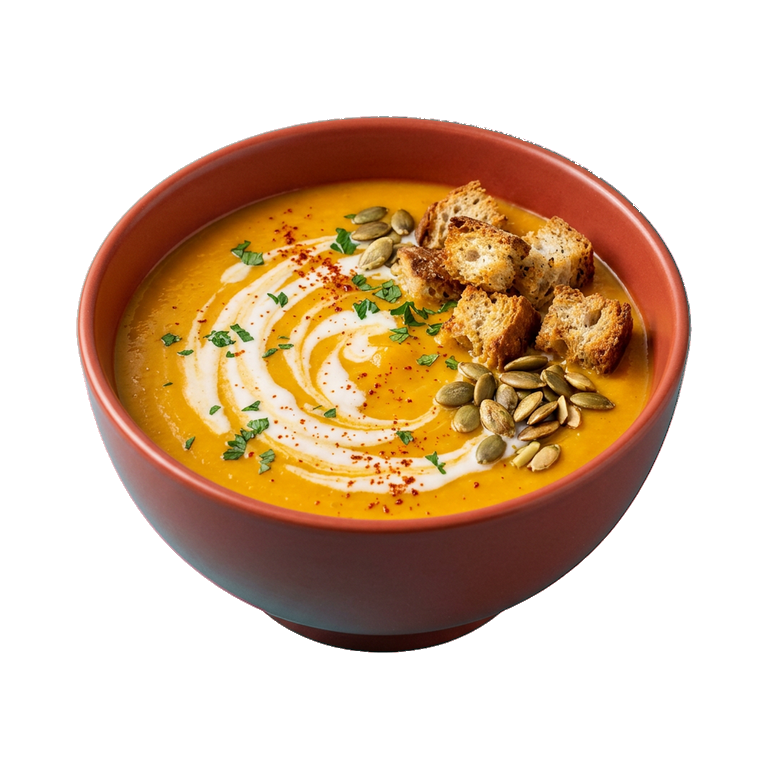 Side325 kcal
Dinner
470 kcal
- 2 days - 2 serv.Fried Calf Liver
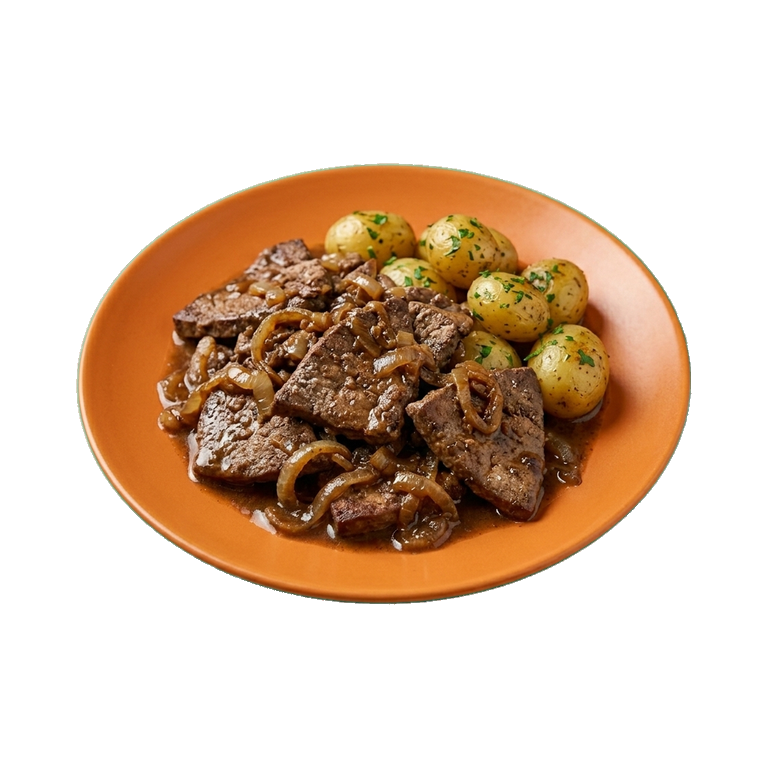 218 kcal
 - 2 days - 2 serv.Eggplants with Sour Cream and Bell Pepper
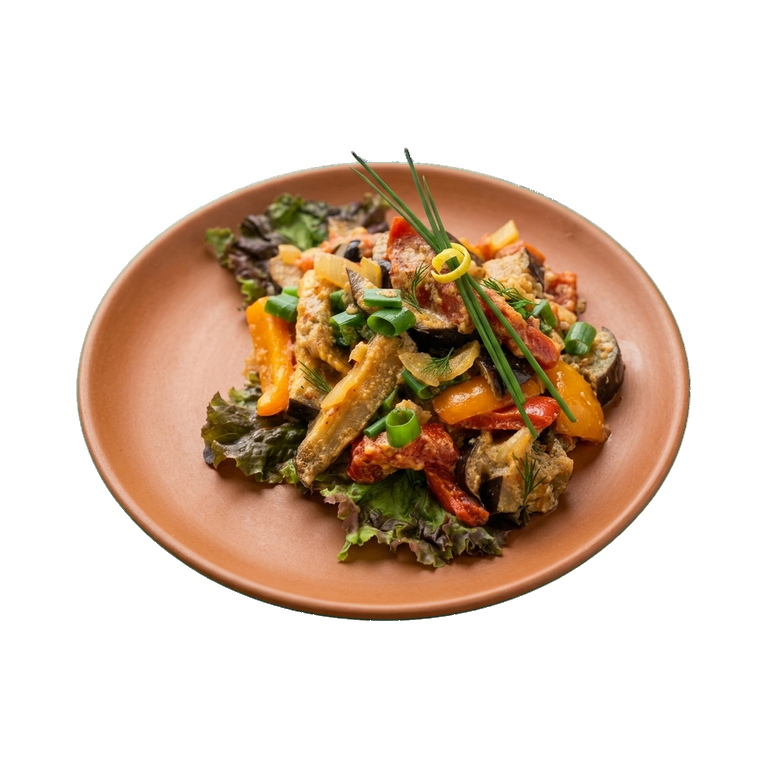 Side252 kcal
8 Oct
1821 of 2108 kcal
Breakfast
490 kcal
- From day 3 batchPancakes with Zucchini and Pepper Filling490 kcal
Lunch
861 kcal
- From day 3 batchBaked Potatoes in a Pot536 kcal
- From day 3 batchPumpkin and Coconut Cream SoupSide325 kcal
Dinner
470 kcal
- From day 3 batchFried Calf Liver218 kcal
- From day 3 batchEggplants with Sour Cream and Bell PepperSide252 kcal
9 Oct
2167 of 2108 kcal
Breakfast
587 kcal
- 2 days - 2 serv.Cottage Cheese Pancakes with Pumpkin
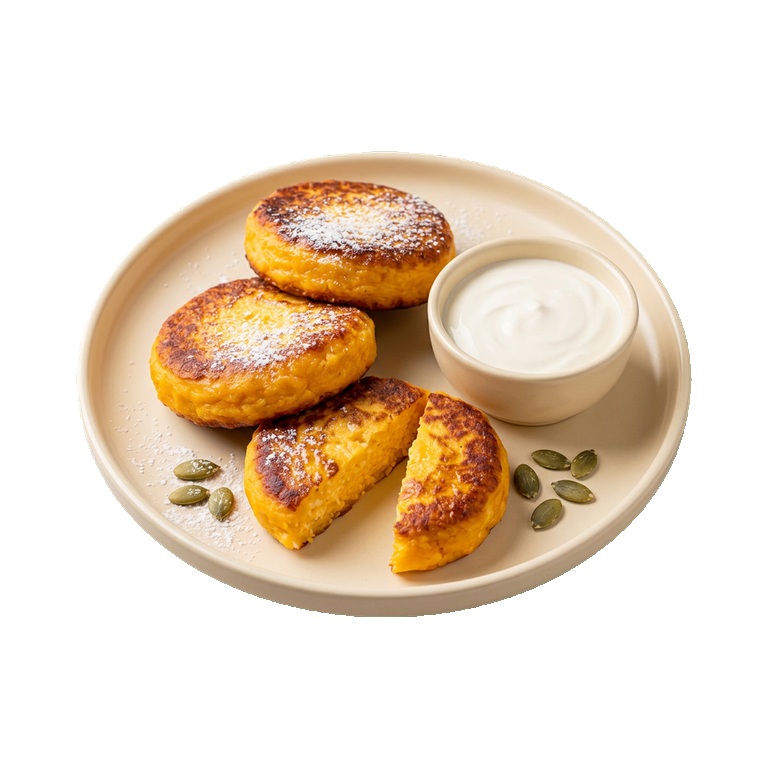 587 kcal
Lunch
859 kcal
- 2 days - 2 serv.Pancakes with beef mince and herbs
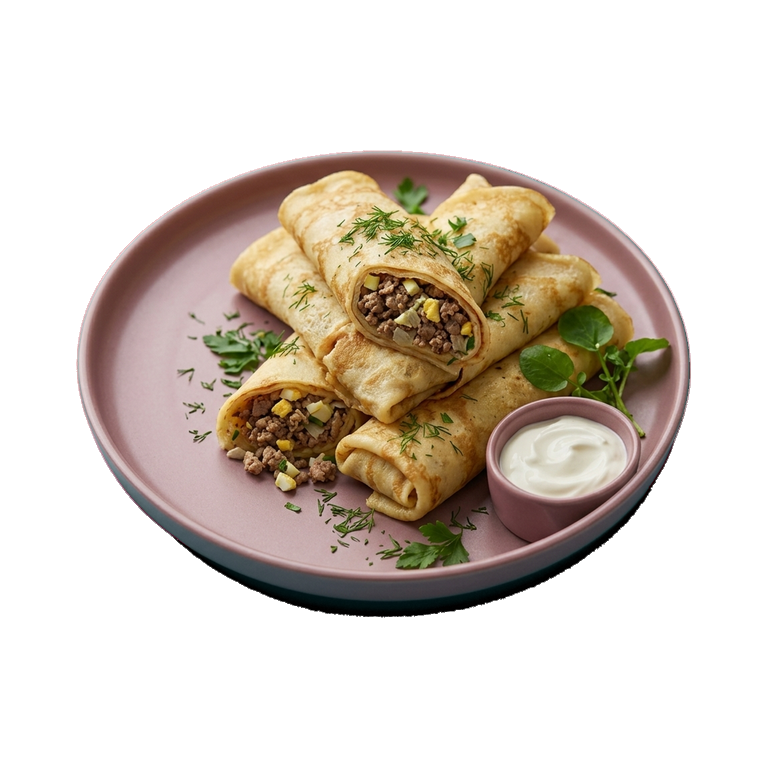 683 kcal
 - 2 days - 2 serv.Tomato and Basil Cream Soup
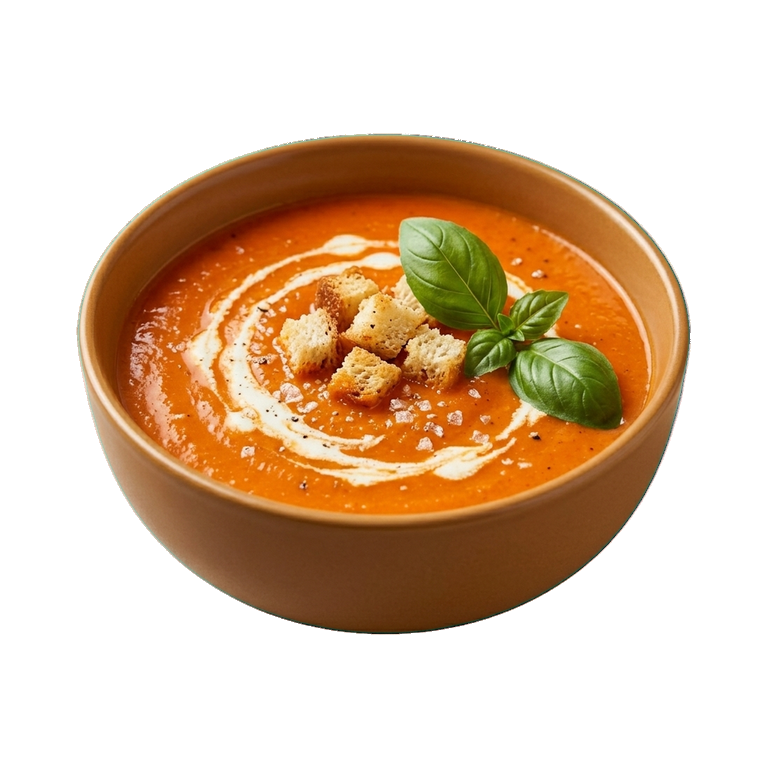 Side176 kcal
Dinner
721 kcal
- 2 days - 2 serv.Spinach and cottage cheese pancakes
 487 kcal
 - 2 days - 2 serv.Pearl Barley with Pumpkin and Beans
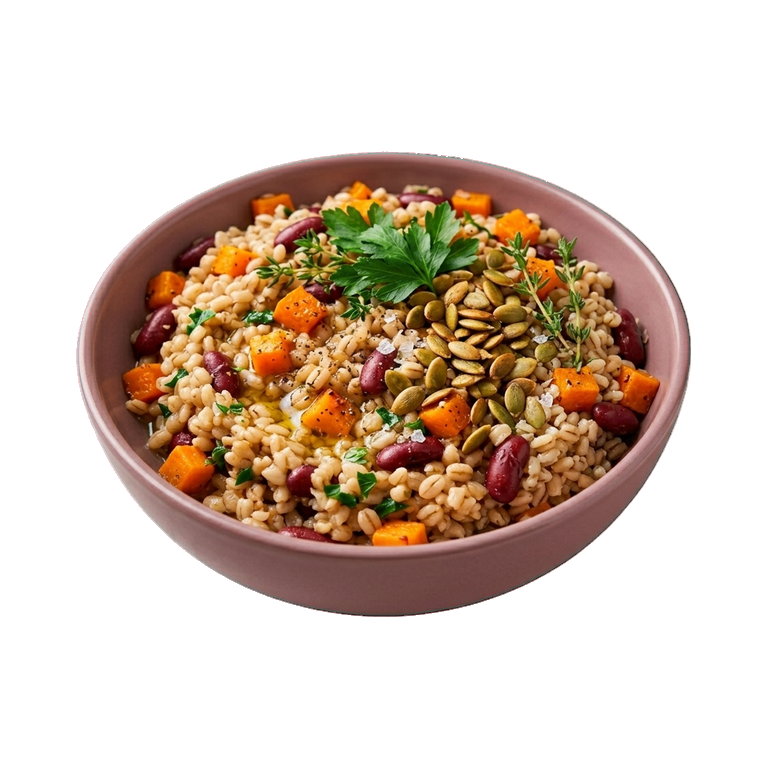 Side234 kcal
10 Oct
2167 of 2108 kcal
Breakfast
587 kcal
- From day 5 batchCottage Cheese Pancakes with Pumpkin587 kcal
Lunch
859 kcal
- From day 5 batchPancakes with beef mince and herbs683 kcal
- From day 5 batchTomato and Basil Cream SoupSide176 kcal
Dinner
721 kcal
- From day 5 batchSpinach and cottage cheese pancakes487 kcal
- From day 5 batchPearl Barley with Pumpkin and BeansSide234 kcal
11 Oct
1767 of 2108 kcal
Breakfast
459 kcal
- Pancakes on Buttermilk Without Eggs
 459 kcal
Lunch
673 kcal
- Potato and Meat Casserole
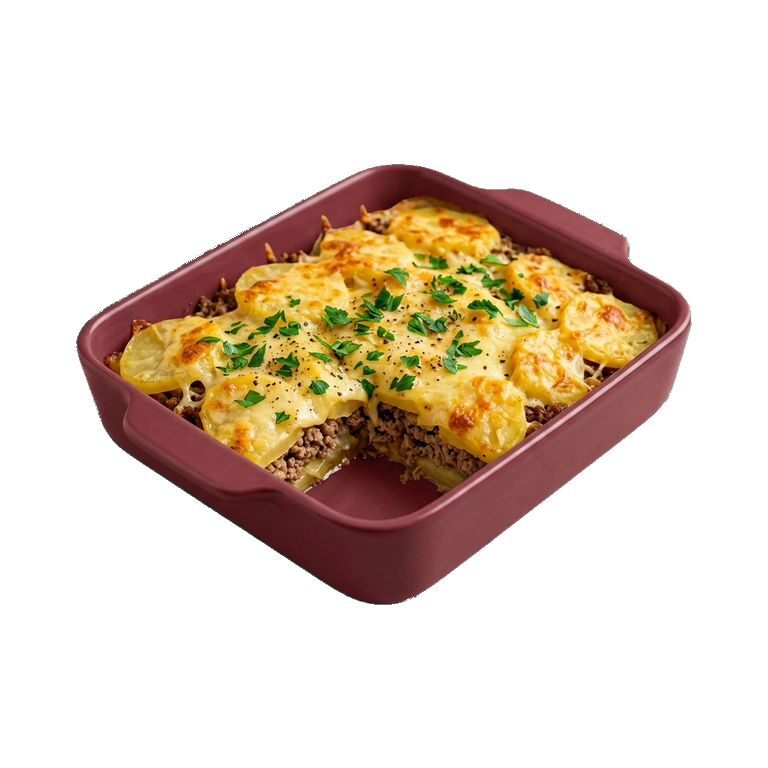 384 kcal
 - Mushroom Soup in Crispy Bread
 Side289 kcal
Dinner
635 kcal
- Mimosa Layered Salad with Saury
 382 kcal
 - Roasted Potato and Sweet Potato with Sage
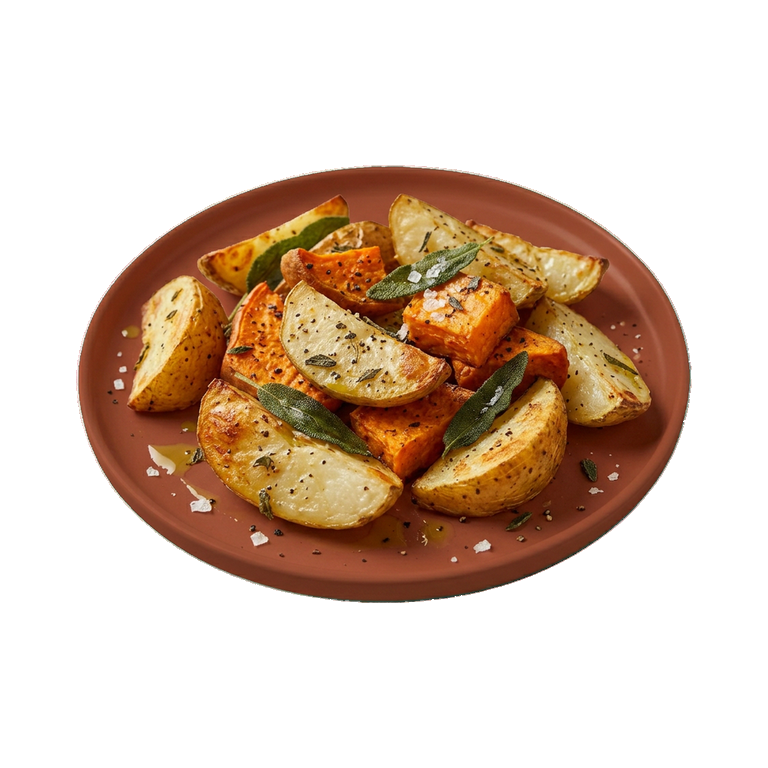 Side253 kcal
Pros and cons
Pros
- Suitable for long-term adherence without feeling hungry
- Does not require complete elimination of favorite foods
- Improves digestion due to sufficient fiber content
- Helps maintain stable energy levels throughout the day
- Easily adaptable to individual preferences
- Promotes gradual and sustainable weight loss
Cons
- Requires menu planning and meal preparation
- Can be more expensive than fast food
- Results are not visible immediately, but after several weeks
- Need to count calories and track macronutrients for accurate adherence
Who it is for
Who it suits
- People leading an active lifestyle
- Those who want to improve their health without radical changes
- Athletes during recovery periods
- People with normal weight who want to maintain it
- Those who prefer a varied menu
Who should skip it
- People with serious digestive system diseases without medical consultation
- Those looking for quick results in a few days
- People with allergies to main protein sources without alternatives
- Athletes in intensive training phases with special macronutrient requirements
Recipes for this diet
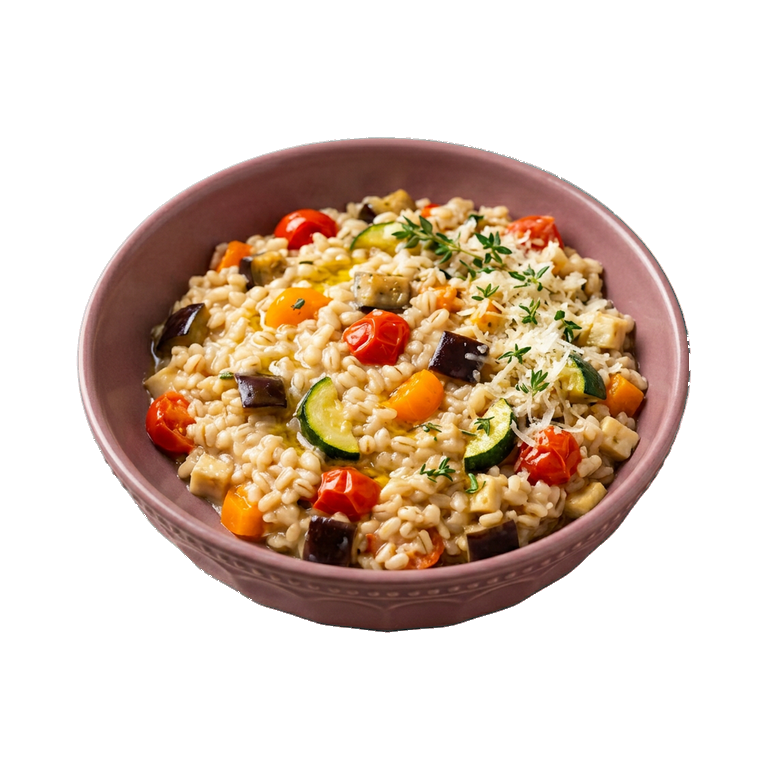
Barley Risotto with Vegetables
A hearty dish made from pearl barley with tomatoes, eggplant, zucchini, and celery root. Prepared like classic risotto — the grain gradually absorbs the broth, becoming soft and creamy. Served hot or cold.
- 10.5g
- Protein
- 12.6g
- Fat
- 54.8g
- Carbs
369 kcal / for 1 serving (564.1 g)
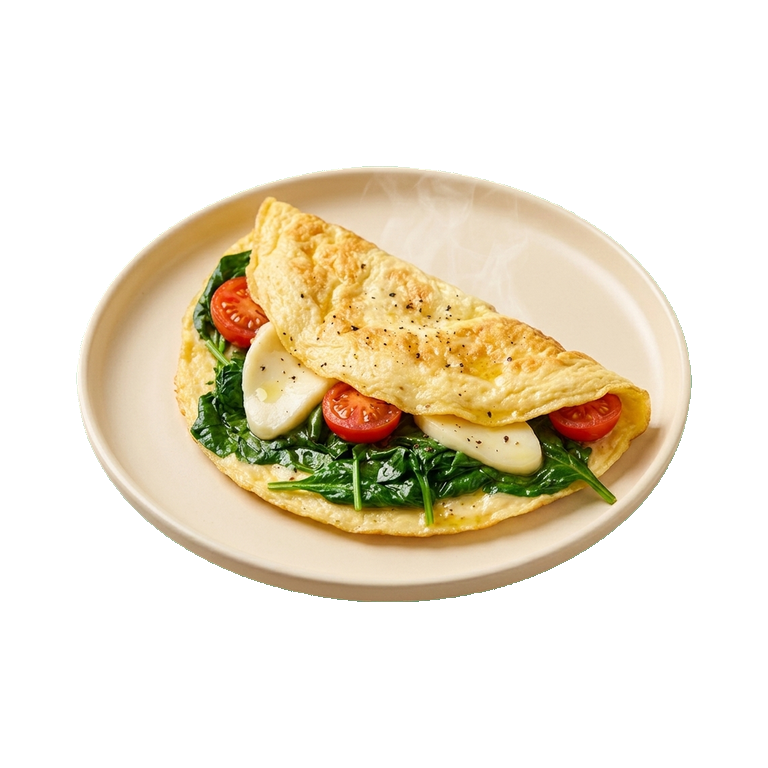
Omelette with Suluguni Cheese and Spinach
Quick omelet with tender spinach, melted cheese, and fresh tomatoes. The dish is prepared in a pan in just a few minutes and is perfect for breakfast or a light lunch.
- 29g
- Protein
- 20.5g
- Fat
- 9.4g
- Carbs
328 kcal / for 1 serving (370 g)
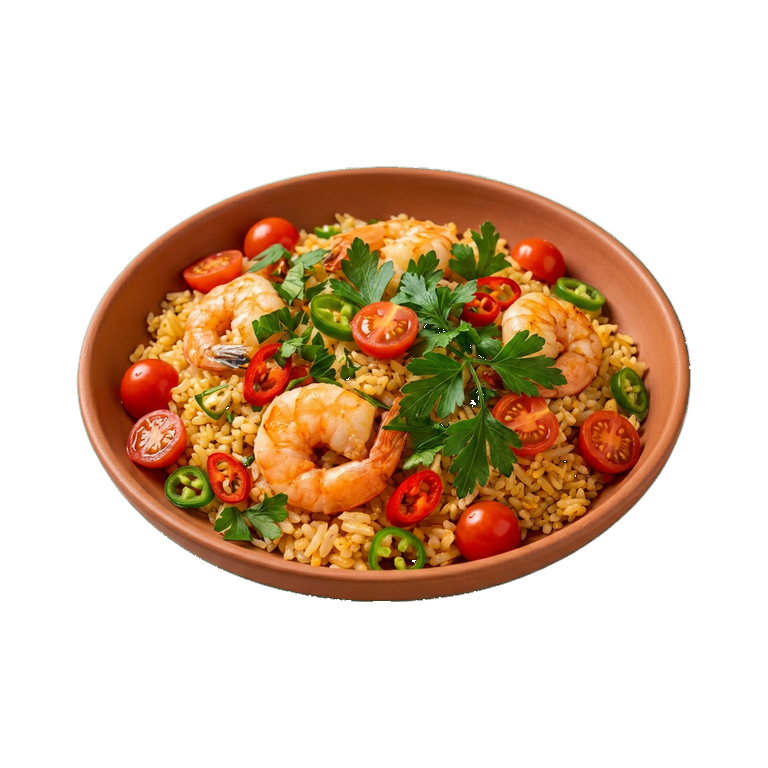
Rice with Shrimp, Tomatoes and Parsley
A quick dish with crispy rice, tender shrimp, and fresh herbs. The rice is fried until golden brown with hot pepper, then garnished with cherry tomatoes and parsley. Perfect for a light dinner or lunch.
- 24.3g
- Protein
- 0.9g
- Fat
- 32.5g
- Carbs
251 kcal / for 1 serving (290 g)
Beef Wellington with Liver Pâté
Festive meat dish in puff pastry with liver pâté, foie gras, and spinach. Tender beef tenderloin wrapped in a crispy crust, perfect for a formal table.
- 44.4g
- Protein
- 35.3g
- Fat
- 34.4g
- Carbs
644 kcal / for 1 serving (370.4 g)
Croutons with Cheese and Fresh Dill
Crispy croutons with a tender center, sprinkled with grated cheese and garnished with fresh dill. A simple and hearty dish that takes just a few minutes to prepare.
- 39.1g
- Protein
- 33.8g
- Fat
- 53.2g
- Carbs
678 kcal / for 1 serving (443 g)
Tartlets with cod liver and egg
Appetizer with canned cod liver, egg and herbs in crispy tartlets. A simple recipe for a festive table or everyday treat.
- 11.2g
- Protein
- 51.9g
- Fat
- 15.4g
- Carbs
579 kcal / for 1 serving (182 g)
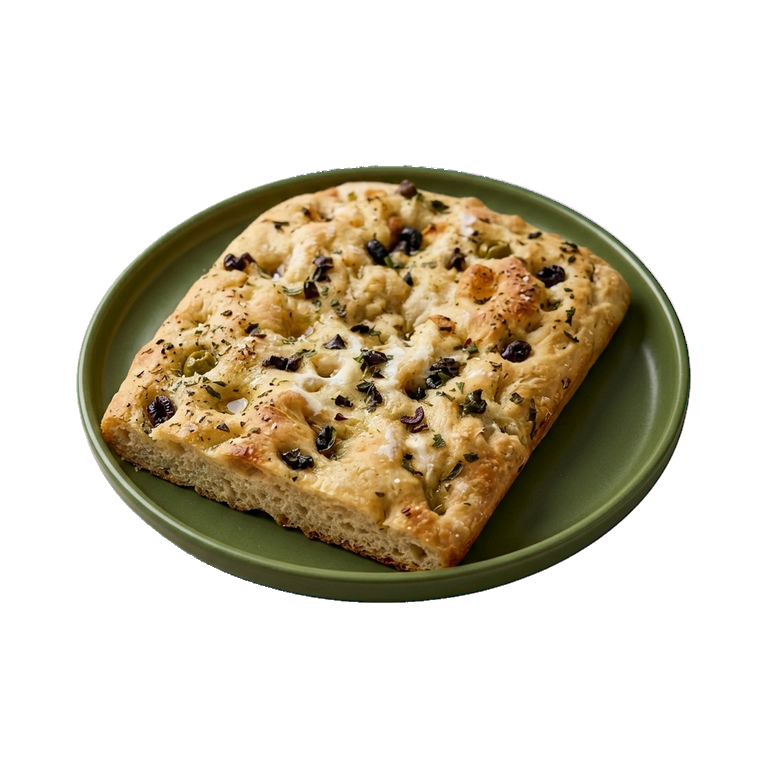
Italian Focaccia with Olives
Fragrant flatbread with a crispy crust, generously brushed with olive oil and decorated with olives, sea salt, and Italian herbs. A simple recipe for home cooking.
- 8.1g
- Protein
- 16g
- Fat
- 51.1g
- Carbs
397 kcal / for 1 serving (109.2 g)
Chicken Skewers with Tropical Fruits
Juicy chicken skewers with papaya, pineapple and grilled vegetables. Chicken is marinated in lemon juice with honey, then threaded onto skewers together with onion, pepper and fruit. Grilled until golden brown.
- 94.1g
- Protein
- 12.5g
- Fat
- 17.8g
- Carbs
578 kcal / for 1 serving (472.9 g)
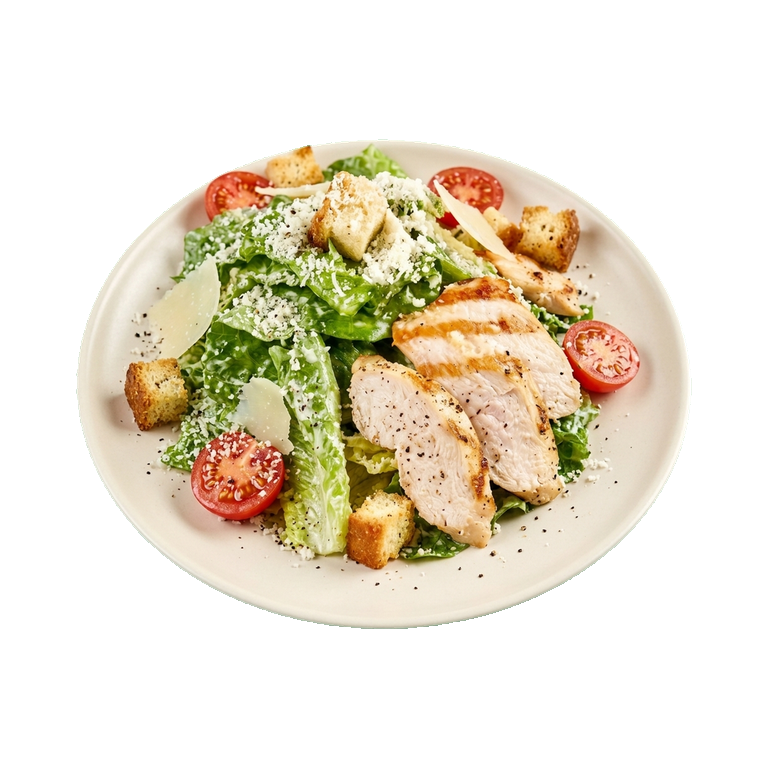
Caesar Salad with Chicken and Parmesan
Classic salad with crispy iceberg lettuce, tender grilled chicken, crunchy croutons, and thin slices of parmesan. Dressed with a piquant Caesar sauce with garlic.
- 71.3g
- Protein
- 34.7g
- Fat
- 29.5g
- Carbs
737 kcal / for 1 serving (381.6 g)
Light Salad with Goat Cheese and Tomatoes
A fresh salad made with tender greens, sweet cherry tomatoes, and creamy goat cheese. A simple dish with bright flavors, dressed with olive oil and seasoned with spicy chili pepper.
- 8.9g
- Protein
- 12.4g
- Fat
- 3.1g
- Carbs
164 kcal / for 1 serving (108 g)
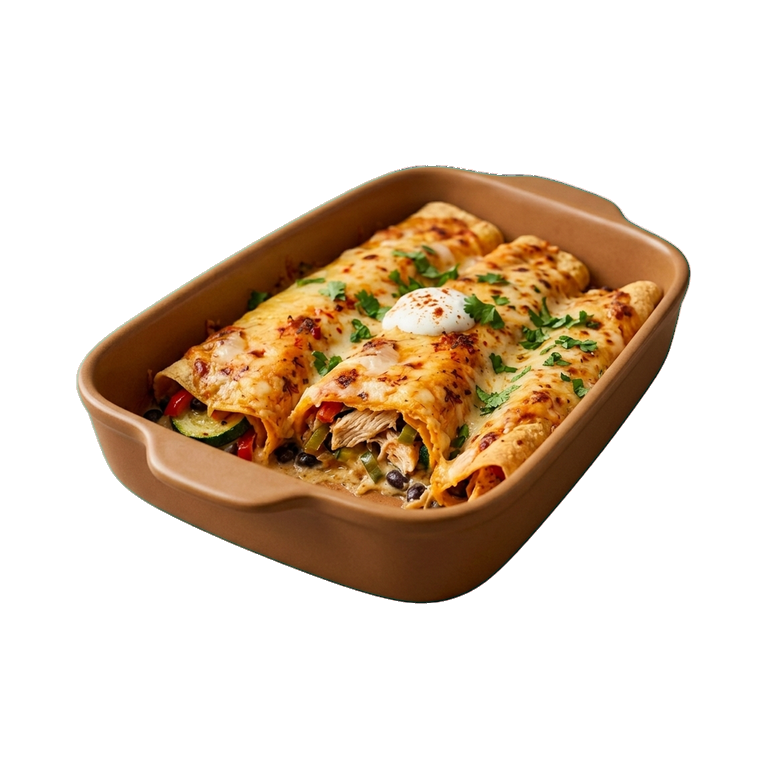
Chicken and Vegetable Enchiladas with Cheese
A Mexican dish made with tortillas and chicken, baked with grilled vegetables, tomato sauce, and cream cheese. You can use any ready-made chicken — grilled, boiled, or smoked.
- 40.5g
- Protein
- 48.4g
- Fat
- 64.7g
- Carbs
849 kcal / for 1 serving (651.1 g)
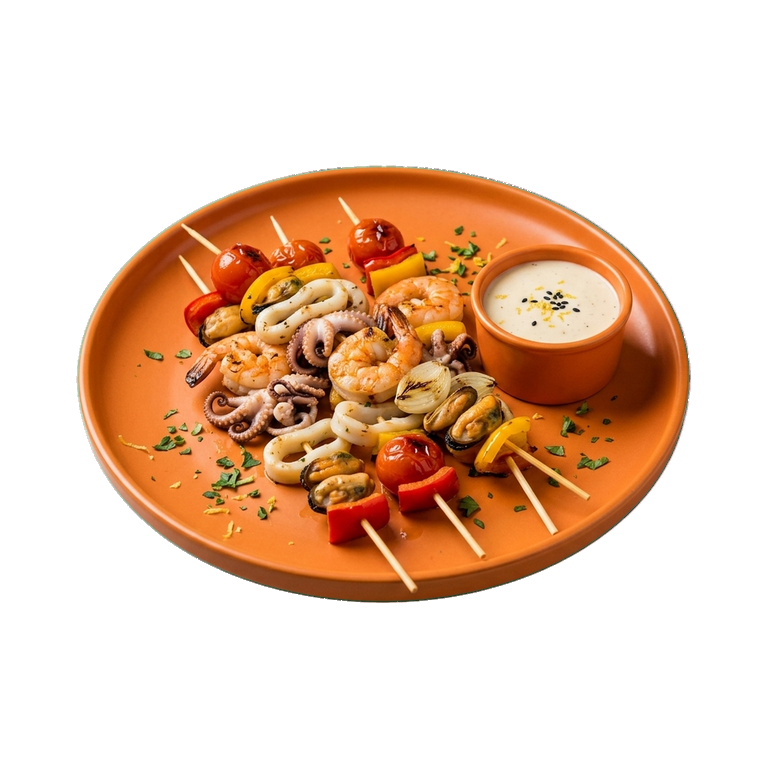
Seafood Skewers
Skewers of squid, shrimp, octopus and mussels with Asian sauce. Seafood is marinated in soy sauce, threaded onto skewers and seared in butter. Served with a sauce made from mayonnaise, soy sauce and lemon.
- 297.2g
- Protein
- 17.2g
- Fat
- 1g
- Carbs
1,544 kcal / for 1 serving (1,646.6 g)





Read more
Balanced nutrition for health and energy
Balanced nutrition is a diet where proteins, fats, and carbohydrates are distributed in optimal proportions, and the menu contains enough fiber for digestive health. This approach is suitable for everyday eating and does not require strict restrictions. Proteins should make up 12–18% of daily energy, fats — 25–35%, carbohydrates — 50–60%. Consume at least 25 grams of fiber daily from vegetables, fruits, and grains.
Basic Principles of Weekly Menu Planning
Eat three main meals and two snacks with intervals of 3–4 hours. Include a source of protein, vegetables, and complex carbohydrates in each meal. Choose whole grain products instead of refined ones: brown rice, buckwheat, oatmeal, whole grain bread. Cook dishes by steaming, boiling, baking, or stewing. Drink enough water — at least 1.5–2 liters per day.
What to include in your diet
Protein sources: skinless chicken and turkey, fish and seafood, lean beef, eggs, cottage cheese and plain yogurt, legumes, nuts and seeds. Vegetables and fruits: broccoli, carrots, tomatoes, leafy greens, apples, pears, berries, oranges, kiwi. Healthy fats: olive oil, avocado, flax and chia seeds. Dairy products: milk 1–2% fat, kefir, unsweetened yogurt, low-fat cheese.
What to limit or exclude
Avoid white bread, buns, cookies, candy and sweet drinks. Limit fatty meat, processed meats, butter and cream. Exclude fast food, semi-finished products, carbonated drinks, margarine and industrial chips. Use salt in moderate amounts.
Balanced nutrition is suitable for long-term adherence without feeling hungry and does not require complete elimination of your favorite foods. This approach improves digestion, helps maintain stable energy levels throughout the day, and promotes gradual weight loss. Start with simple changes: replace white bread with whole grain, add more vegetables, choose lean meat. Plan your menu for the week in advance and gradually introduce new dishes.
Questions
Short answers to the most common questions about this diet.
