 Usuba
Usuba

Calorie deficit
A calorie deficit is a state where the body receives less energy than it expends. This is the primary mechanism for weight loss. With this approach, it is important to maintain a balance of nutrients: proteins help preserve muscle, fats support hormonal balance, carbohydrates provide energy for activity. A sustainable deficit means gradual, without sharp fluctuations, reduction in diet calorie content.
- Protein20–30%
- Fat25–35%
- Carbs40–55%
The diet in numbers
Macros
Most calories come from carbs: 40–55%.
Percentages show the share of daily calories from each macronutrient. A range is a corridor, so there is no exact number to hit.
- Protein20–30%
- Fat25–35%
- Carbs40–55%
Calories by meal
The biggest meal is lunch: 40% of daily calories.
This is how daily calories split across breakfast, lunch, and dinner.
- Breakfast25%
- Lunch40%
- Dinner35%
How it works
- 1
Create a moderate deficit: 300–500 kilocalories below your norm
- 2
Eat enough protein — this will help preserve muscle mass and keep you feeling full longer
- 3
Do not exclude fats completely: they are needed for vitamin absorption and health
- 4
Choose complex carbohydrates with fiber — they provide longer satiety
- 5
Drink sufficient water and eat regularly to avoid overeating episodes
- 6
Combine proper nutrition with physical activity for better results
What to eat and what to avoid
Foods to eat
Proteins
- chicken and turkey
- fish and seafood
- eggs
- cottage cheese and plain yogurt
- legumes
- lean beef
Vegetables
- broccoli
- cabbage
- carrots
- tomatoes
- cucumbers
- leafy greens
- bell peppers
Fruits and berries
- apples
- pears
- berries
- oranges
- kiwi
Complex carbohydrates
- oatmeal
- brown rice
- buckwheat
- whole grain bread
- pasta made from durum wheat
Fats
- olive oil
- avocado
- nuts
- seeds
- fatty fish
Limit
Grains and bread
- white bread
- white rice
- semolina
Dairy products
- fatty cheese
- butter
- high-fat sour cream
Oils and sauces
- mayonnaise
- cream sauces
- vegetable oil in large quantities
Sweets and baked goods
- cookies
- pastries
- candy
- jam
Beverages
- sugary soft drinks
- packaged juices
- alcohol
Avoid
Fast food and processed foods
- burgers
- restaurant pizza
- ready-made cutlets
- sausages and hot dogs
- frozen processed foods with additives
Sweets and desserts
- cakes
- chocolate bars
- ice cream
- condensed milk
Fatty meat
- fatty pork
- lamb
- duck
Snacks
- chips
- crackers
- buttered popcorn
Sample menu for the week
Target 1792 kcal. One cooking session covers 3 days.
5 Oct
1758 of 1792 kcal
Breakfast
508 kcal
- 3 days - 3 serv.Carrot Pancakes with Sour Cream
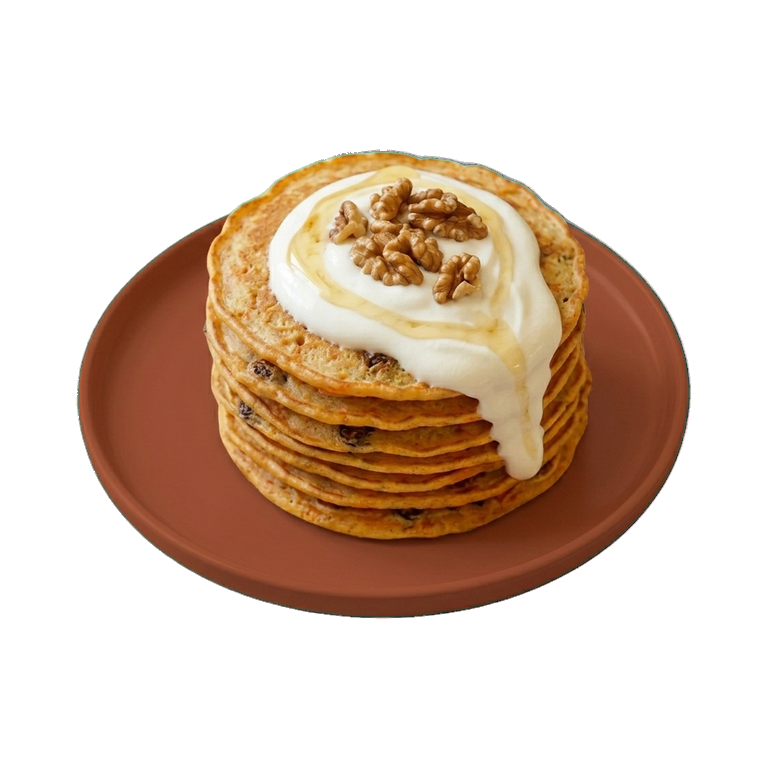 508 kcal
Lunch
572 kcal
- 3 days - 3 serv.Carrot Cutlets with Semolina
 420 kcal
 - 3 days - 3 serv.Bean Soup with Noodles
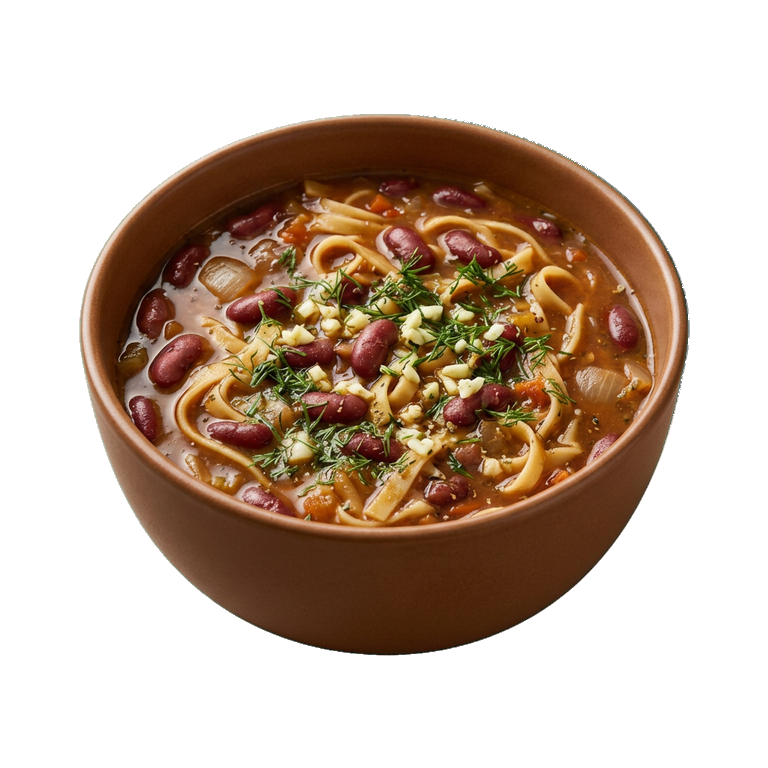 Side152 kcal
Dinner
678 kcal
- 3 days - 3 serv.Homemade Chicken and Vegetable Stew
 491 kcal
 - 3 days - 3 serv.Mashed potatoes with egg and milk
 Side187 kcal
6 Oct
1758 of 1792 kcal
Breakfast
508 kcal
- From day 1 batchCarrot Pancakes with Sour Cream508 kcal
Lunch
572 kcal
- From day 1 batchCarrot Cutlets with Semolina420 kcal
- From day 1 batchBean Soup with NoodlesSide152 kcal
Dinner
678 kcal
- From day 1 batchHomemade Chicken and Vegetable Stew491 kcal
- From day 1 batchMashed potatoes with egg and milkSide187 kcal
7 Oct
1758 of 1792 kcal
Breakfast
508 kcal
- From day 1 batchCarrot Pancakes with Sour Cream508 kcal
Lunch
572 kcal
- From day 1 batchCarrot Cutlets with Semolina420 kcal
- From day 1 batchBean Soup with NoodlesSide152 kcal
Dinner
678 kcal
- From day 1 batchHomemade Chicken and Vegetable Stew491 kcal
- From day 1 batchMashed potatoes with egg and milkSide187 kcal
8 Oct
1797 of 1792 kcal
Breakfast
289 kcal
- 3 days - 3 serv.Pancakes with Kefir
 289 kcal
Lunch
796 kcal
- 3 days - 3 serv.Buryat Mutton Broth
 542 kcal
 - 3 days - 3 serv.Chickpea and Leek Soup Puree
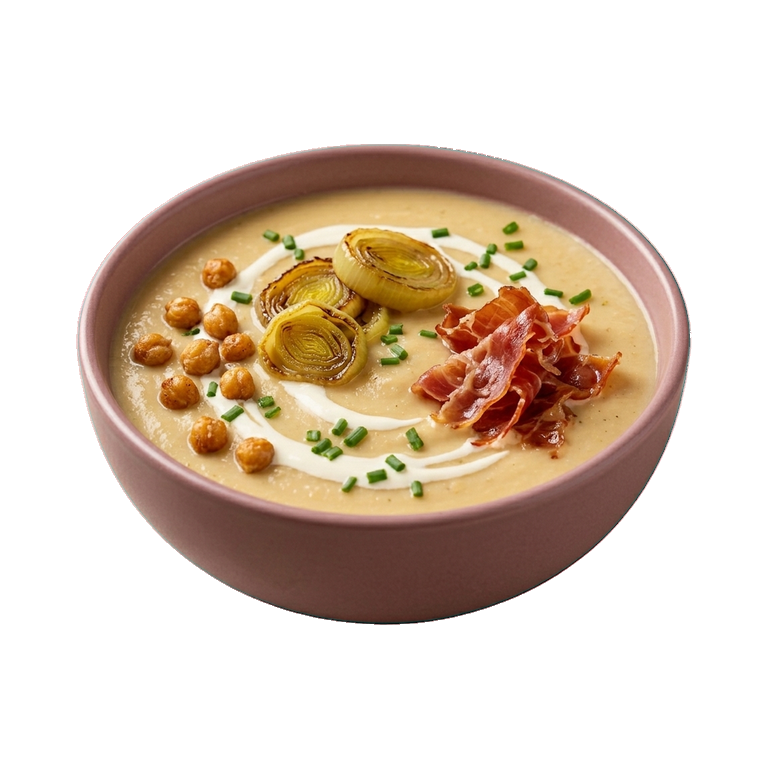 Side254 kcal
Dinner
712 kcal
- 3 days - 3 serv.Potato and Pork Babka
 460 kcal
 - 3 days - 3 serv.Eggplants with Sour Cream and Bell Pepper
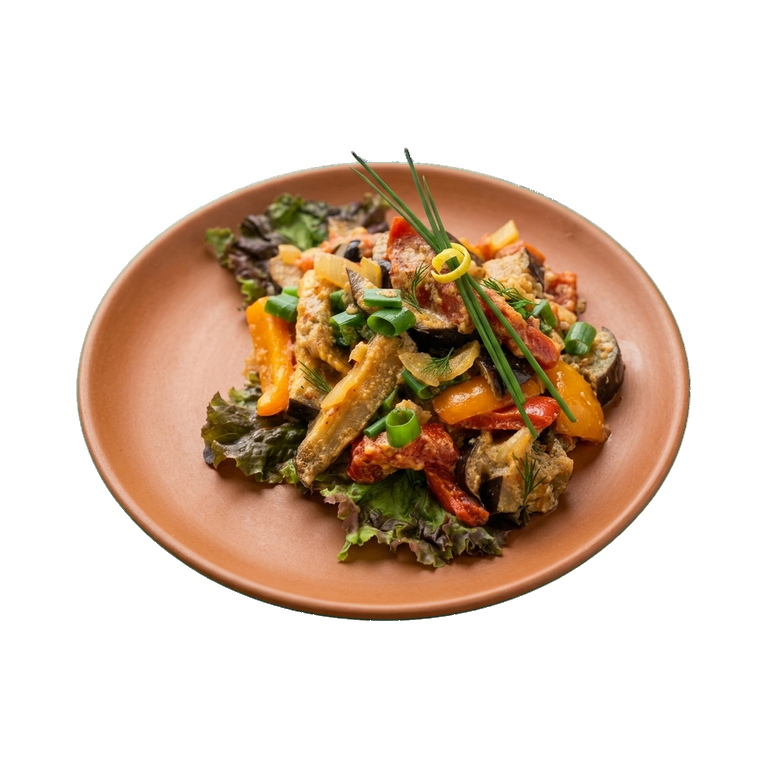 Side252 kcal
9 Oct
1797 of 1792 kcal
Breakfast
289 kcal
- From day 4 batchPancakes with Kefir289 kcal
Lunch
796 kcal
- From day 4 batchBuryat Mutton Broth542 kcal
- From day 4 batchChickpea and Leek Soup PureeSide254 kcal
Dinner
712 kcal
- From day 4 batchPotato and Pork Babka460 kcal
- From day 4 batchEggplants with Sour Cream and Bell PepperSide252 kcal
10 Oct
1797 of 1792 kcal
Breakfast
289 kcal
- From day 4 batchPancakes with Kefir289 kcal
Lunch
796 kcal
- From day 4 batchBuryat Mutton Broth542 kcal
- From day 4 batchChickpea and Leek Soup PureeSide254 kcal
Dinner
712 kcal
- From day 4 batchPotato and Pork Babka460 kcal
- From day 4 batchEggplants with Sour Cream and Bell PepperSide252 kcal
11 Oct
1628 of 1792 kcal
Breakfast
490 kcal
- Pancakes with Zucchini and Pepper Filling
 490 kcal
Lunch
686 kcal
- Buckwheat with Chicken in Tomato Sauce
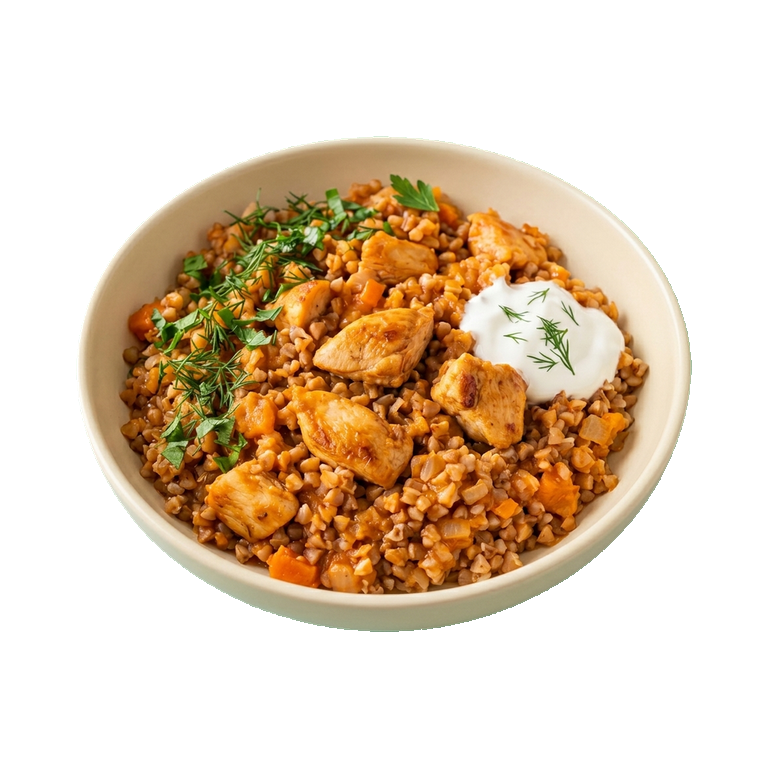 546 kcal
 - Vegetarian Beet Borscht
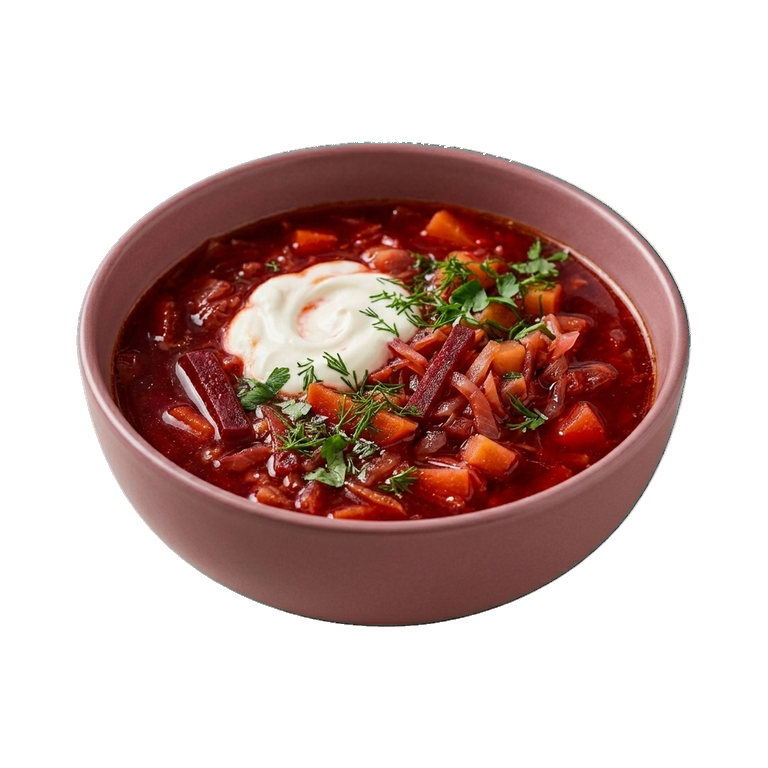 Side140 kcal
Dinner
452 kcal
- Fried Calf Liver
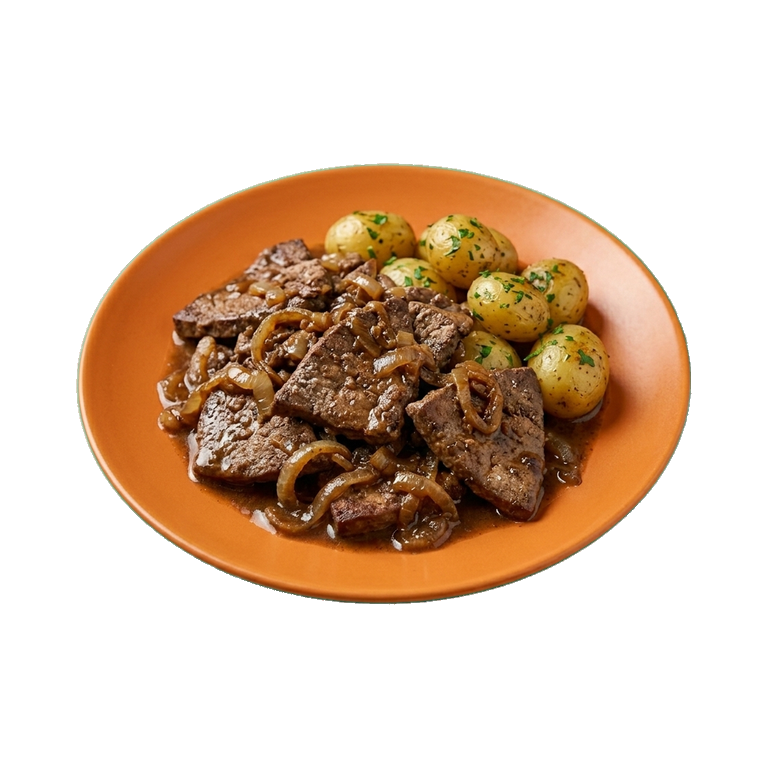 218 kcal
 - Pearl Barley with Pumpkin and Beans
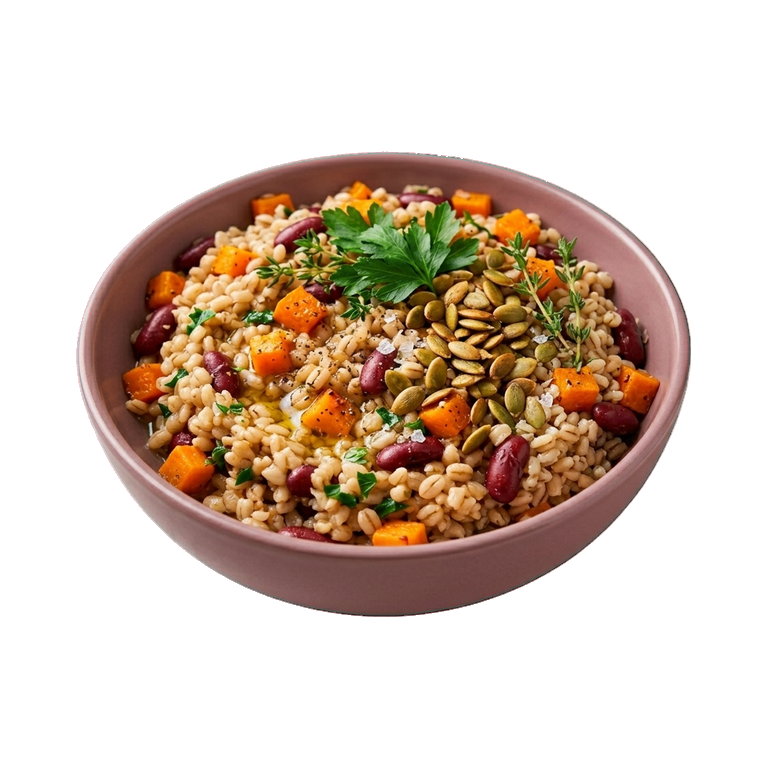 Side234 kcal
Pros and cons
Pros
- Scientifically proven method for weight loss
- Flexibility in food choices — you can eat a variety of foods
- Does not require complete elimination of favorite foods if they fit within calorie limits
- Helps develop a conscious approach to nutrition
- Results are visible relatively quickly with consistency
Cons
- Requires calorie counting, which can be tedious
- Too large a deficit can reduce energy and mood
- Risk of muscle loss if insufficient attention is paid to proteins and exercise
- Results slow down over time as the body adapts
- Requires discipline and constant monitoring
Who it is for
Who it suits
- People with excess weight ready for a systematic approach
- Those who want to understand how nutrition and calories work
- Active people engaged in sports
- People without serious health conditions requiring special diets
- Those who prefer flexibility in food choices
Who should skip it
- Pregnant and breastfeeding women
- People with eating disorders
- Those with serious health problems — medical consultation required
- Children and adolescents without medical supervision
- People not ready for regular calorie counting
Recipes for this diet
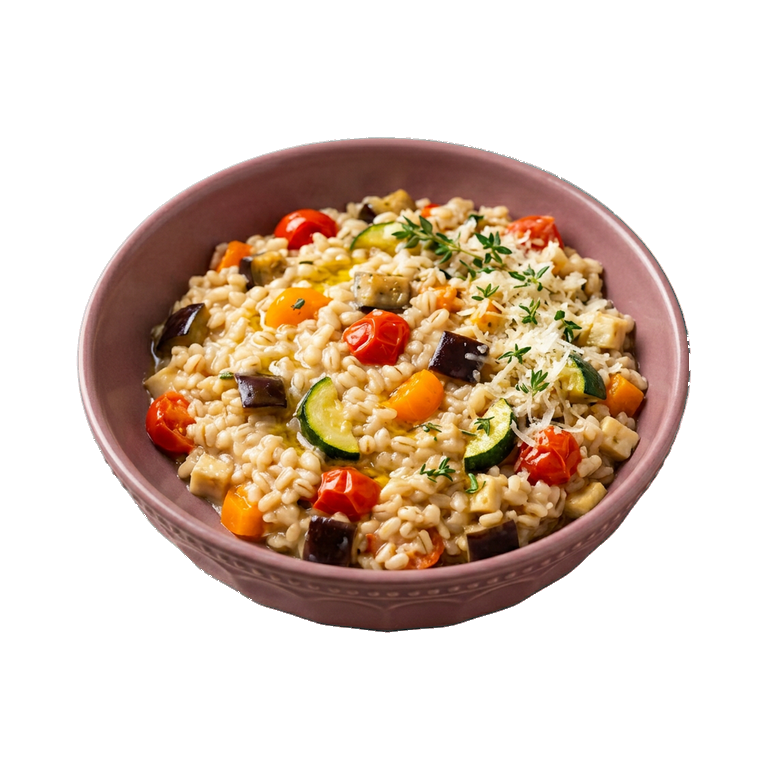
Barley Risotto with Vegetables
A hearty dish made from pearl barley with tomatoes, eggplant, zucchini, and celery root. Prepared like classic risotto — the grain gradually absorbs the broth, becoming soft and creamy. Served hot or cold.
- 10.5g
- Protein
- 12.6g
- Fat
- 54.8g
- Carbs
369 kcal / for 1 serving (564.1 g)
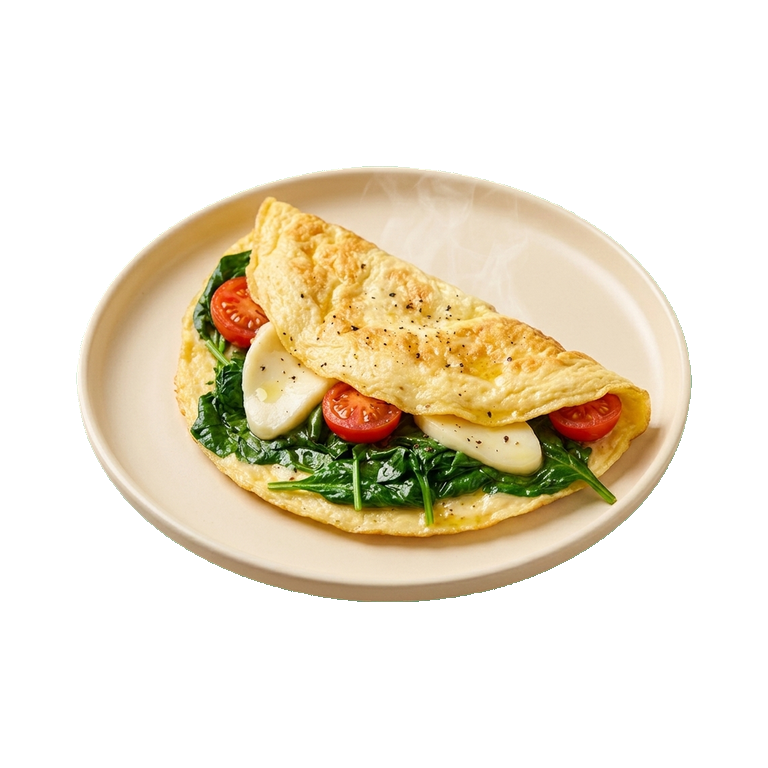
Omelette with Suluguni Cheese and Spinach
Quick omelet with tender spinach, melted cheese, and fresh tomatoes. The dish is prepared in a pan in just a few minutes and is perfect for breakfast or a light lunch.
- 29g
- Protein
- 20.5g
- Fat
- 9.4g
- Carbs
328 kcal / for 1 serving (370 g)
Rice with Shrimp, Tomatoes and Parsley
A quick dish with crispy rice, tender shrimp, and fresh herbs. The rice is fried until golden brown with hot pepper, then garnished with cherry tomatoes and parsley. Perfect for a light dinner or lunch.
- 24.3g
- Protein
- 0.9g
- Fat
- 32.5g
- Carbs
251 kcal / for 1 serving (290 g)
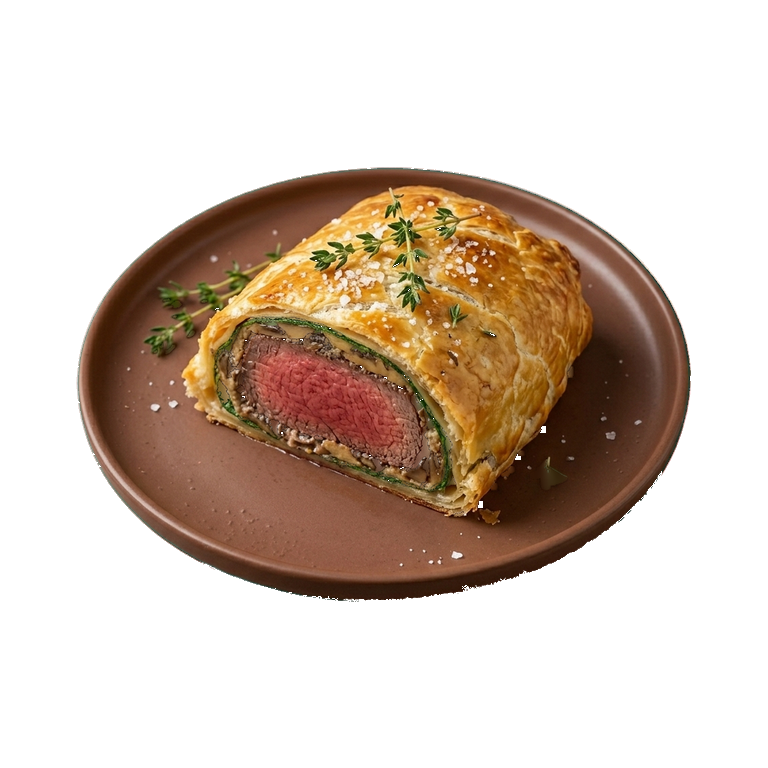
Beef Wellington with Liver Pâté
Festive meat dish in puff pastry with liver pâté, foie gras, and spinach. Tender beef tenderloin wrapped in a crispy crust, perfect for a formal table.
- 44.4g
- Protein
- 35.3g
- Fat
- 34.4g
- Carbs
644 kcal / for 1 serving (370.4 g)
Croutons with Cheese and Fresh Dill
Crispy croutons with a tender center, sprinkled with grated cheese and garnished with fresh dill. A simple and hearty dish that takes just a few minutes to prepare.
- 39.1g
- Protein
- 33.8g
- Fat
- 53.2g
- Carbs
678 kcal / for 1 serving (443 g)
Tartlets with cod liver and egg
Appetizer with canned cod liver, egg and herbs in crispy tartlets. A simple recipe for a festive table or everyday treat.
- 11.2g
- Protein
- 51.9g
- Fat
- 15.4g
- Carbs
579 kcal / for 1 serving (182 g)
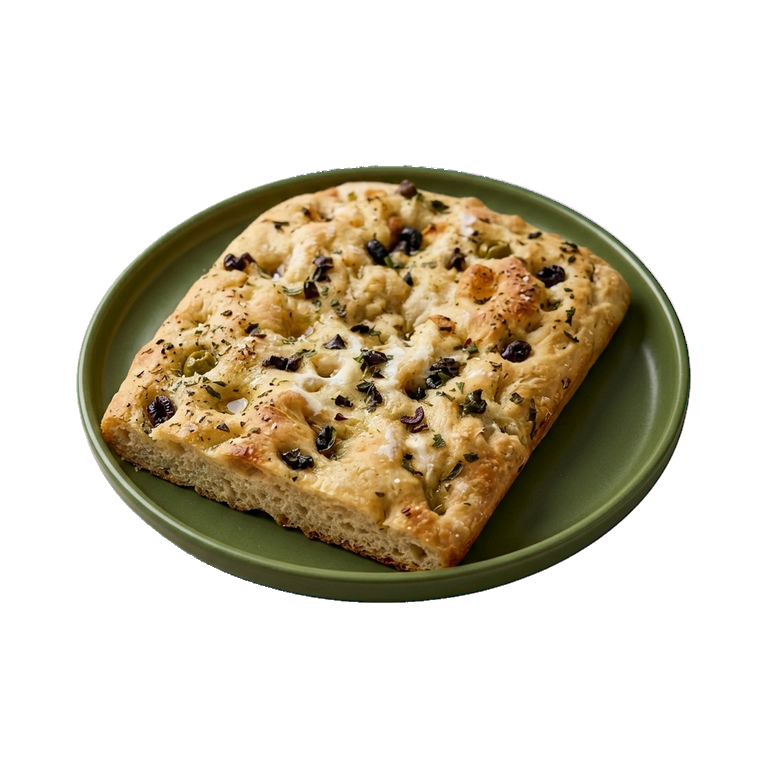
Italian Focaccia with Olives
Fragrant flatbread with a crispy crust, generously brushed with olive oil and decorated with olives, sea salt, and Italian herbs. A simple recipe for home cooking.
- 8.1g
- Protein
- 16g
- Fat
- 51.1g
- Carbs
397 kcal / for 1 serving (109.2 g)
Chicken Skewers with Tropical Fruits
Juicy chicken skewers with papaya, pineapple and grilled vegetables. Chicken is marinated in lemon juice with honey, then threaded onto skewers together with onion, pepper and fruit. Grilled until golden brown.
- 94.1g
- Protein
- 12.5g
- Fat
- 17.8g
- Carbs
578 kcal / for 1 serving (472.9 g)
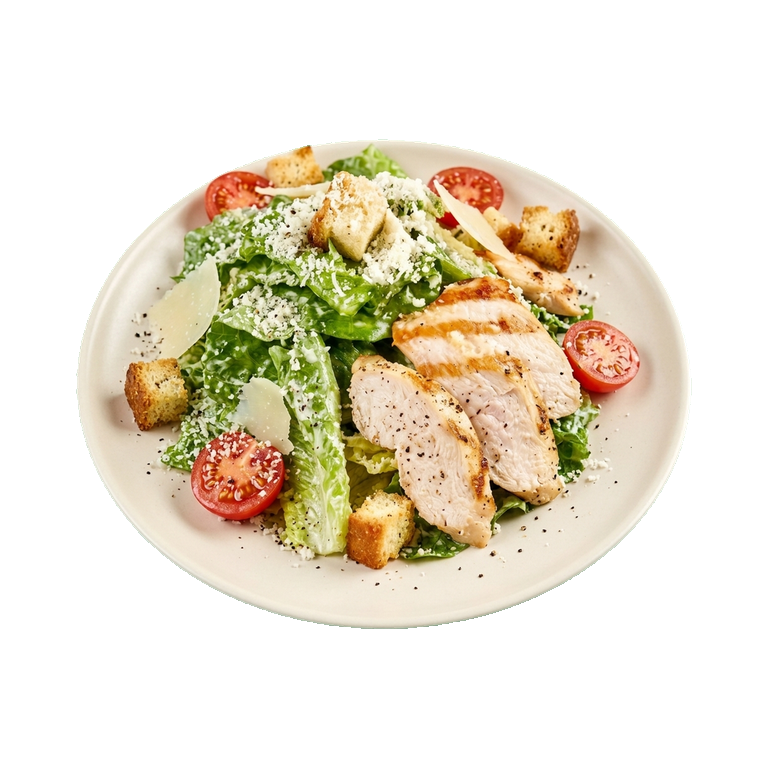
Caesar Salad with Chicken and Parmesan
Classic salad with crispy iceberg lettuce, tender grilled chicken, crunchy croutons, and thin slices of parmesan. Dressed with a piquant Caesar sauce with garlic.
- 71.3g
- Protein
- 34.7g
- Fat
- 29.5g
- Carbs
737 kcal / for 1 serving (381.6 g)
Light Salad with Goat Cheese and Tomatoes
A fresh salad made with tender greens, sweet cherry tomatoes, and creamy goat cheese. A simple dish with bright flavors, dressed with olive oil and seasoned with spicy chili pepper.
- 8.9g
- Protein
- 12.4g
- Fat
- 3.1g
- Carbs
164 kcal / for 1 serving (108 g)
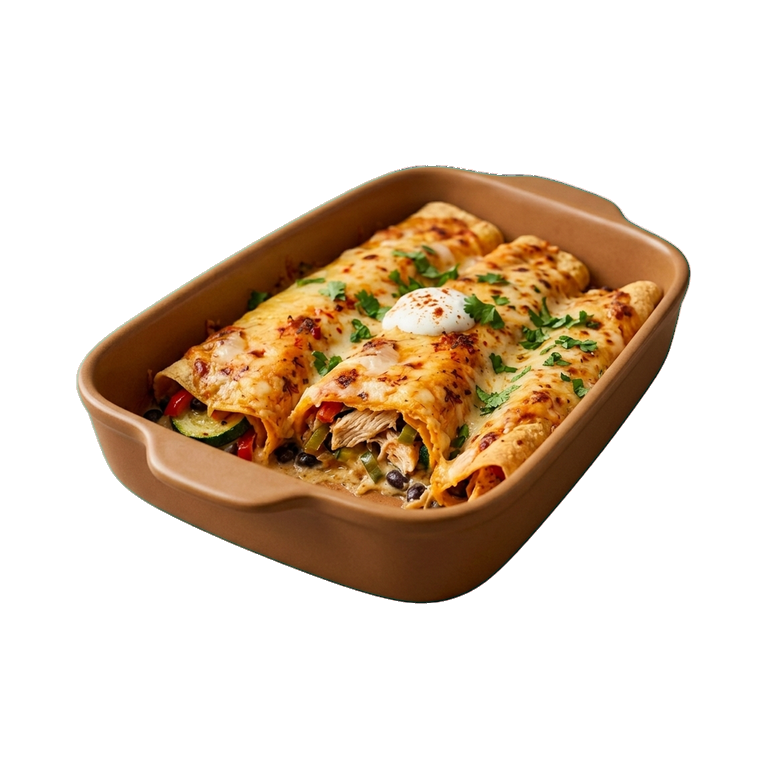
Chicken and Vegetable Enchiladas with Cheese
A Mexican dish made with tortillas and chicken, baked with grilled vegetables, tomato sauce, and cream cheese. You can use any ready-made chicken — grilled, boiled, or smoked.
- 40.5g
- Protein
- 48.4g
- Fat
- 64.7g
- Carbs
849 kcal / for 1 serving (651.1 g)
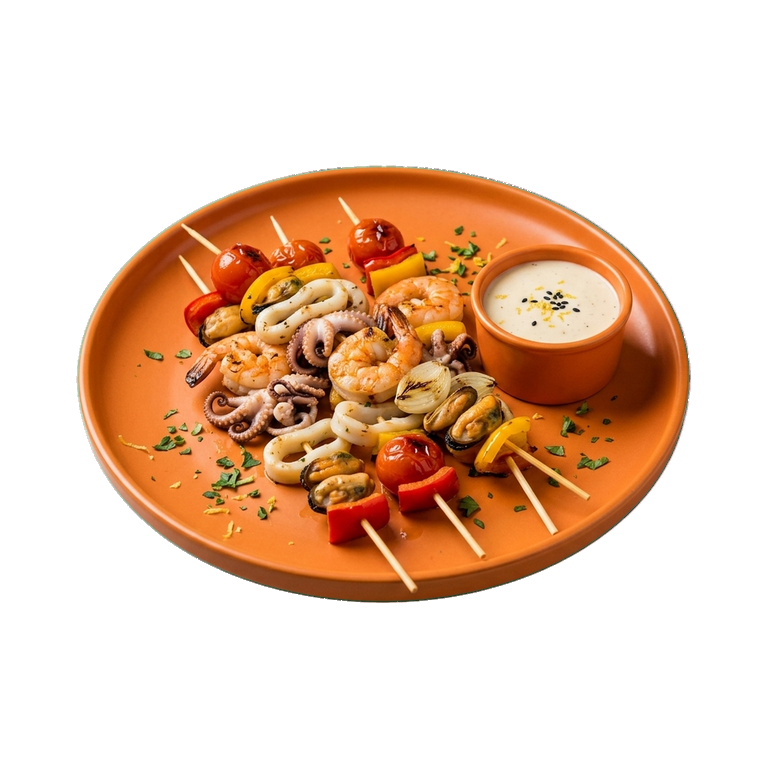
Seafood Skewers
Skewers of squid, shrimp, octopus and mussels with Asian sauce. Seafood is marinated in soy sauce, threaded onto skewers and seared in butter. Served with a sauce made from mayonnaise, soy sauce and lemon.
- 297.2g
- Protein
- 17.2g
- Fat
- 1g
- Carbs
1,544 kcal / for 1 serving (1,646.6 g)





Read more
Calorie deficit: the foundation for weight loss
A calorie deficit is a state where the body receives less energy than it expends. This is the primary mechanism for weight loss. With this approach, it is important to maintain a balance of nutrients: proteins help preserve muscle, fats support hormonal balance, carbohydrates provide energy for activity. A sustainable deficit means a gradual reduction in caloric intake without sharp fluctuations.
Nutrition Principles During Calorie Deficit
Create a moderate calorie deficit of three hundred to five hundred kilocalories below your normal intake. Eat enough protein — this will help preserve muscle mass and keep you feeling full longer. Don't exclude fats completely: they are needed for vitamin absorption and health. Choose complex carbohydrates with fiber — they provide longer satiety. Drink enough water and eat regularly to avoid overeating. Combine proper nutrition with physical activity for better results.
What to Choose in Your Diet
The basis of your diet should consist of lean proteins: chicken, turkey, fish, eggs, cottage cheese, and legumes. Add vegetables — broccoli, cabbage, carrots, tomatoes, and leafy greens. Include fruits and berries for vitamins and fiber. Complex carbohydrates — oatmeal, brown rice, buckwheat, and whole grain bread — provide energy. Healthy fats from olive oil, avocado, nuts, and seeds support your health. Limit white bread, sweets, fast food, and sugary drinks — they are high in calories but low in nutrients.
Frequently Asked Questions
A deficit of three hundred to five hundred kilocalories per day is considered safe, which allows you to lose a quarter to half a kilogram per week. Counting calories helps you understand how much you eat, but it's not necessary for life — you can start with it to understand the calorie content of products, and then switch to intuitive eating. Technically, with a deficit you can eat any products if they fit within your calorie intake, but for better results, choose nutritious foods — they satisfy better and contain vitamins and minerals.
Questions
Short answers to the most common questions about this diet.
