 Usuba
Usuba

Lenten menu
A fasting menu excludes animal products and is based on plant-based food. This diet is traditionally observed during periods of religious fasting and is suitable for those who want to diversify their diet with vegetables, grains, legumes and fruits. Fasting dishes can be hearty and delicious thanks to the proper combination of ingredients and spices.
- Protein12–18%
- Fat25–35%
- Carbs50–60%
The diet in numbers
Macros
Most calories come from carbs: 50–60%.
Percentages show the share of daily calories from each macronutrient. A range is a corridor, so there is no exact number to hit.
- Protein12–18%
- Fat25–35%
- Carbs50–60%
Calories by meal
The biggest meal is lunch: 40% of daily calories.
This is how daily calories split across breakfast, lunch, and dinner.
- Breakfast25%
- Lunch40%
- Dinner35%
How it works
- 1
Exclusion of meat, fish, poultry, dairy products and eggs
- 2
Diet basis — vegetables, fruits, grains, legumes and nuts
- 3
Use of vegetable oils instead of butter
- 4
Variety of protein sources through combining grains and legumes
- 5
Sufficient fiber for digestion
- 6
Regular inclusion of seasonal vegetables and fruits
- 7
Moderate use of salt and sugar
What to eat and what to avoid
Foods to eat
Vegetables
- cabbage
- carrots
- beets
- tomatoes
- cucumbers
- peppers
- eggplant
- zucchini
- potatoes
- onions
- garlic
Fruits and berries
- apples
- pears
- bananas
- oranges
- lemons
- berries
- dried fruits
Grains and cereals
- rice
- buckwheat
- oatmeal
- millet
- barley
- quinoa
- pearl barley
Legumes
- lentils
- chickpeas
- beans
- peas
Nuts and seeds
- walnuts
- almonds
- cashews
- sunflower seeds
- flax seeds
- sesame
Oils and fats
- olive oil
- sunflower oil
- coconut oil
Bread and pasta
- rye bread
- wheat bread
- pasta made from durum wheat
Spices and seasonings
- salt
- pepper
- turmeric
- ginger
- cinnamon
- basil
- oregano
Limit
Sweets
- sugar
- honey
- jam
- sweet drinks
Fatty plant products
- avocado
- olives
- coconut milk
Refined products
- white bread
- white rice
- refined pasta
Salt
- salty snacks
- canned vegetables with excess salt
Avoid
Meat and poultry
- beef
- pork
- chicken
- turkey
- sausages
- ham
Fish and seafood
- fish
- shrimp
- crabs
- oysters
- caviar
Dairy products
- milk
- cheese
- cottage cheese
- butter
- yogurt
- sour cream
Eggs
- chicken eggs
- quail eggs
Animal fats
- lard
- beef fat
- chicken fat
Pros and cons
Pros
- Rich in fiber, which supports digestive system health
- Contains many vitamins and minerals from vegetables and fruits
- Can help lower cholesterol levels
- Suitable for people with lactose intolerance
- Economical nutrition option with proper planning
- Variety of flavors and textures thanks to plant-based ingredients
Cons
- Requires careful planning to obtain all necessary amino acids
- May require an additional source of vitamin B12
- Some people experience increased bloating when increasing legume intake
- Requires more cooking time for some dishes
- Can be challenging when eating outside the home in some regions
Who it is for
Who it suits
- People observing religious fasting
- Vegetarians and vegans
- People with lactose intolerance
- Those who want to diversify their diet with plant-based food
- People striving for more environmentally friendly nutrition
- People interested in traditional cuisine
Who should skip it
- People with allergies to nuts or legumes
- Those who need rapid muscle mass recovery without additional supplements
- People with certain digestive disorders requiring fiber restriction
- Those who cannot give up animal products for medical reasons
Recipes for this diet
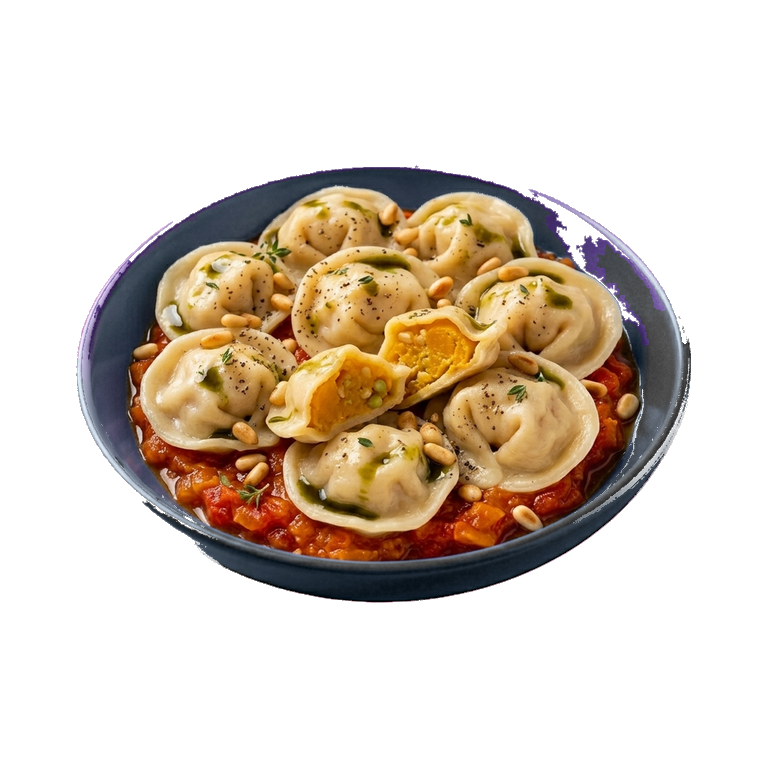
Pumpkin Dumplings with Pine Nuts
Lean dumplings with a tender filling of pumpkin, pine nuts, and peas. Served with a vegetable sauce made from tomatoes and peppers, dressed with pumpkin oil. The dough is prepared with boiling water, which makes it elastic and light.
- 9.4g
- Protein
- 20.3g
- Fat
- 52.5g
- Carbs
433 kcal / for 1 serving (323.1 g)
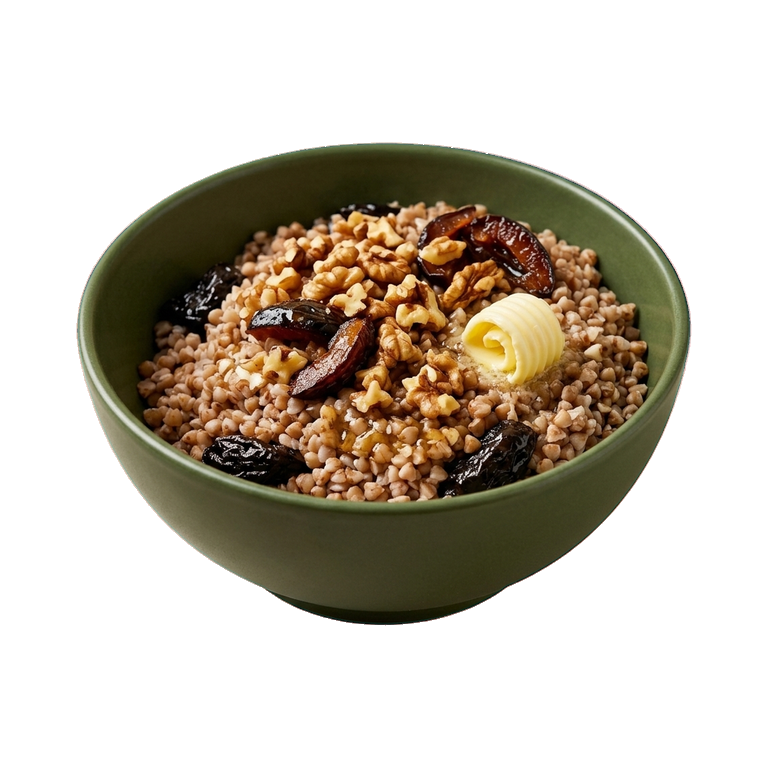
Buckwheat with prunes and walnuts
Nutritious porridge with dried fruits and nuts. Prunes provide natural sweetness, walnuts add crunch and rich flavor. This dish is perfect for breakfast or as a side dish.
- 12.3g
- Protein
- 22.3g
- Fat
- 56.9g
- Carbs
469 kcal / for 1 serving (117 g)
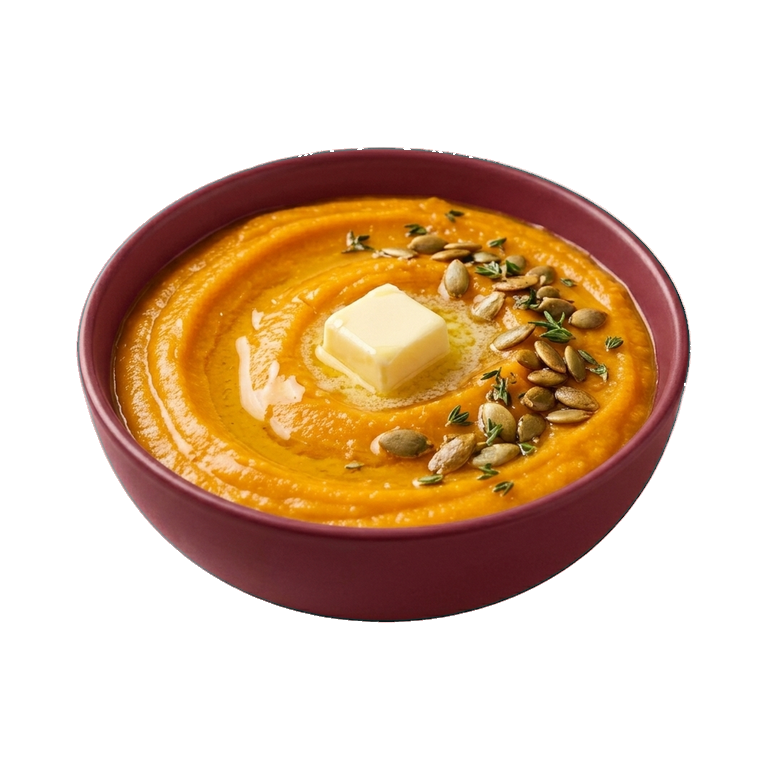
Baked Pumpkin Puree
Delicate pumpkin puree from roasted pumpkin with a light buttery flavor. Simple to prepare: pumpkin is baked until soft, then blended into a smooth consistency. Works as a standalone dish, side dish, or base for soups and desserts.
- 2.3g
- Protein
- 1.3g
- Fat
- 14.6g
- Carbs
68 kcal / for 1 serving (226 g)
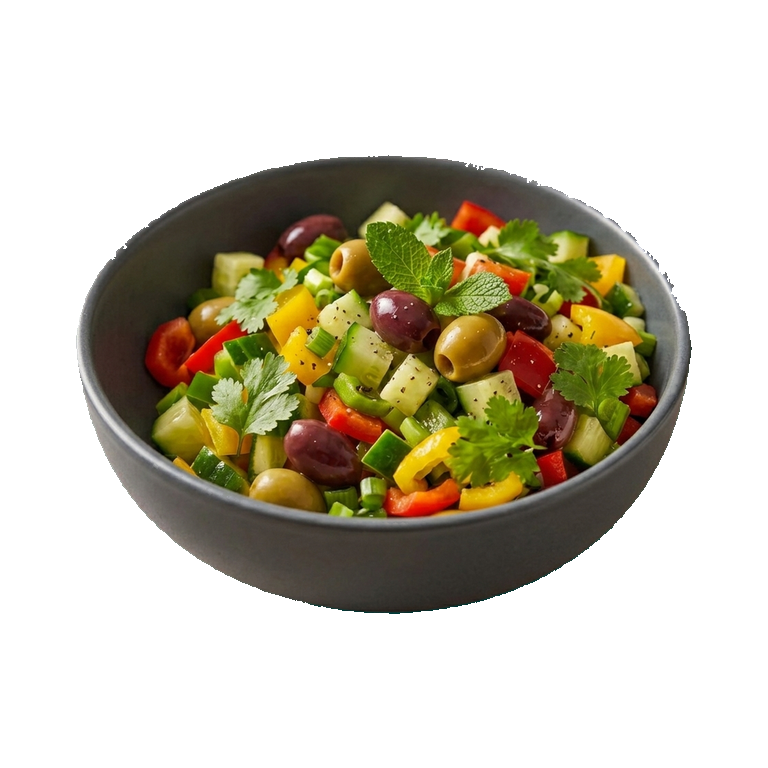
Cucumber, Pepper and Olives Salad
Fresh vegetable salad with crispy cucumbers, sweet bell pepper and olives, dressed with olive oil and vinegar with fragrant mint and cilantro.
- 0.9g
- Protein
- 9g
- Fat
- 5.2g
- Carbs
103 kcal / for 1 serving (106.5 g)
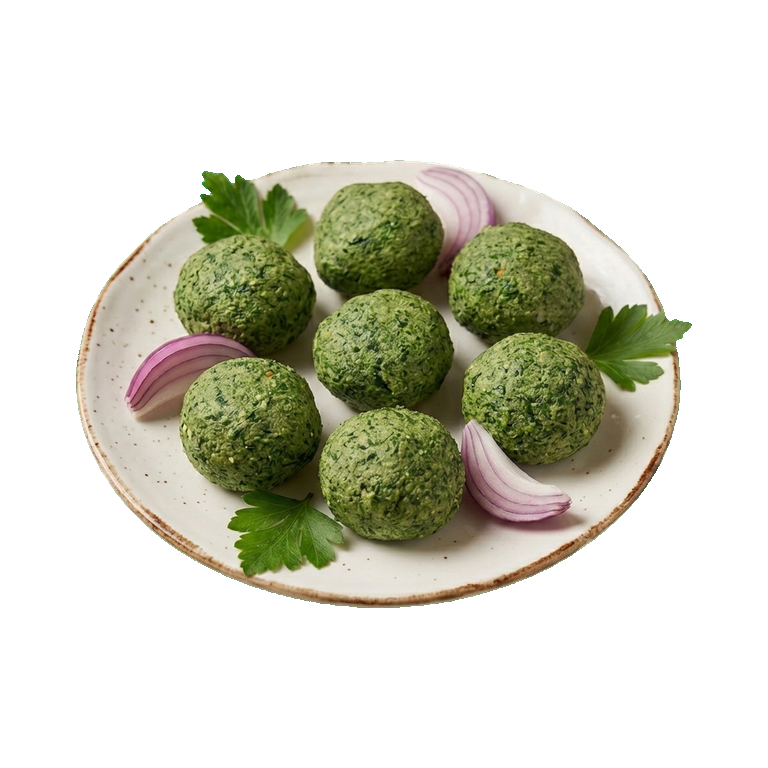
Spinach Pkhali
Georgian spinach and walnut dish with aromatic spices. Pkhali is served cold as an appetizer or side dish.
- 53.2g
- Protein
- 165.9g
- Fat
- 73.3g
- Carbs
1,841 kcal / for 1 serving (2,717 g)
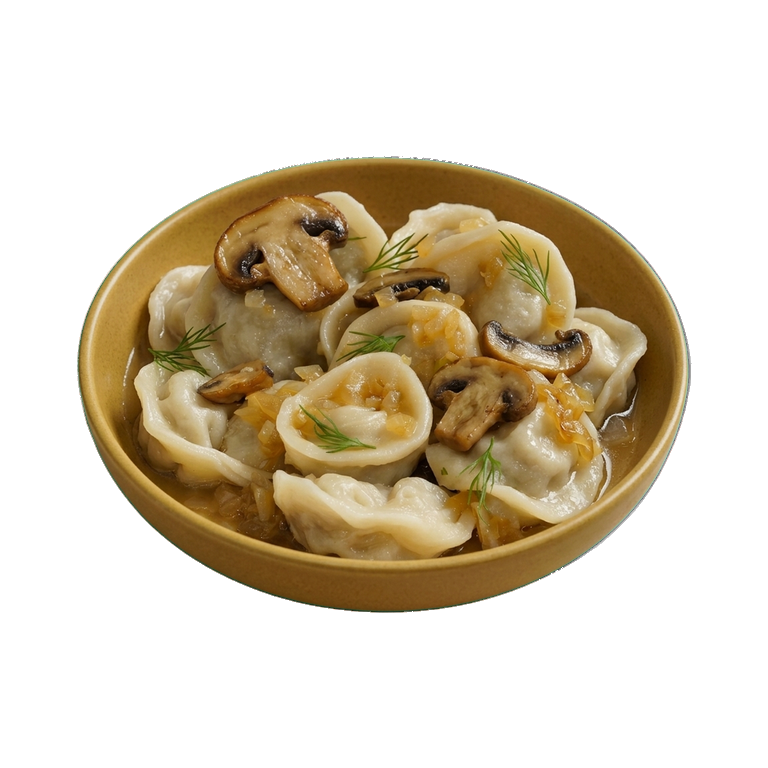
Pelmeni with Mushroom and Potato Filling
Lenten dumplings with a fragrant filling of potatoes, dried mushrooms, and onions. Served with sautéed mushrooms and mushroom broth. The dough is made with boiling water, making it soft and elastic.
- 7.1g
- Protein
- 5.6g
- Fat
- 48.3g
- Carbs
282 kcal / for 1 serving (197.7 g)
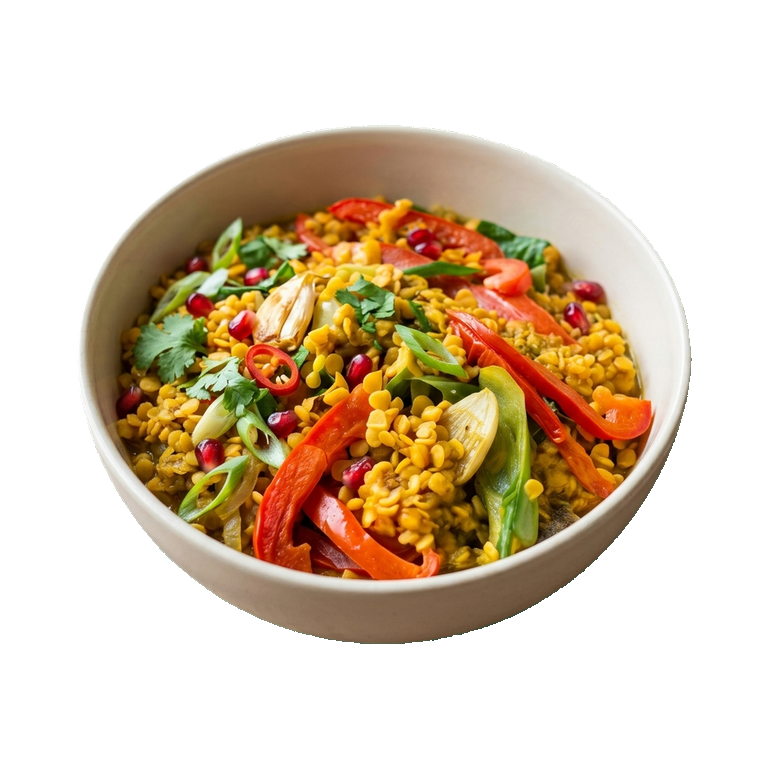
Red Lentils with Spices and Curry
A nutritious lentil dish with aromatic spices. Perfect for a meat-free menu — prepared with vegetable oil. The combination of curry, garlic, and pepper creates a rich and flavorful taste.
- 18g
- Protein
- 9.2g
- Fat
- 53.8g
- Carbs
362 kcal / for 1 serving (216.2 g)
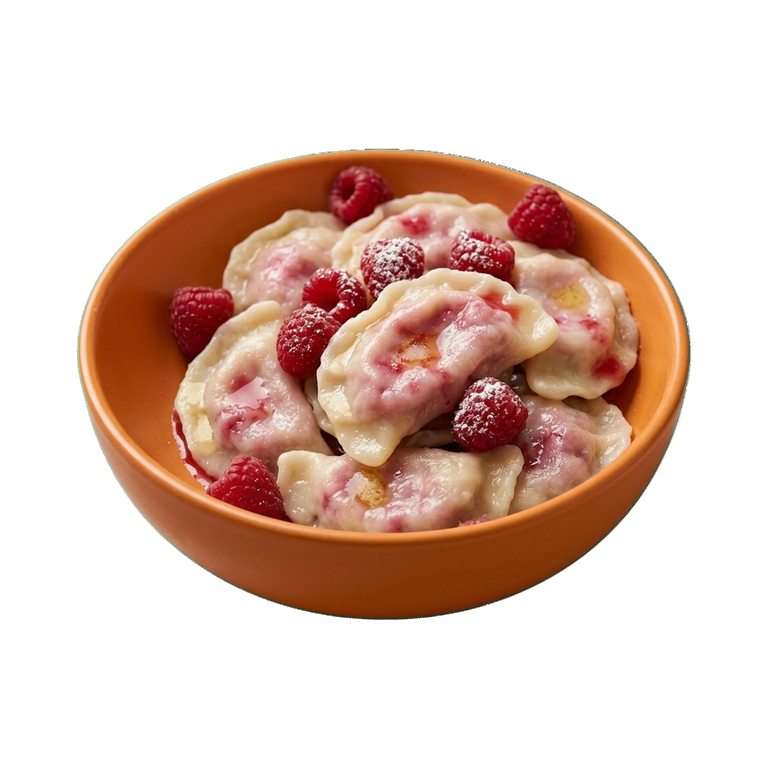
Lenten Dumplings with Raspberry
Tender dumplings with berry filling. Suitable for a fasting menu thanks to simple water-based dough. Raspberries give the dish natural sweetness and a light tartness.
- 12.2g
- Protein
- 1.9g
- Fat
- 113.6g
- Carbs
540 kcal / for 1 serving (321.6 g)
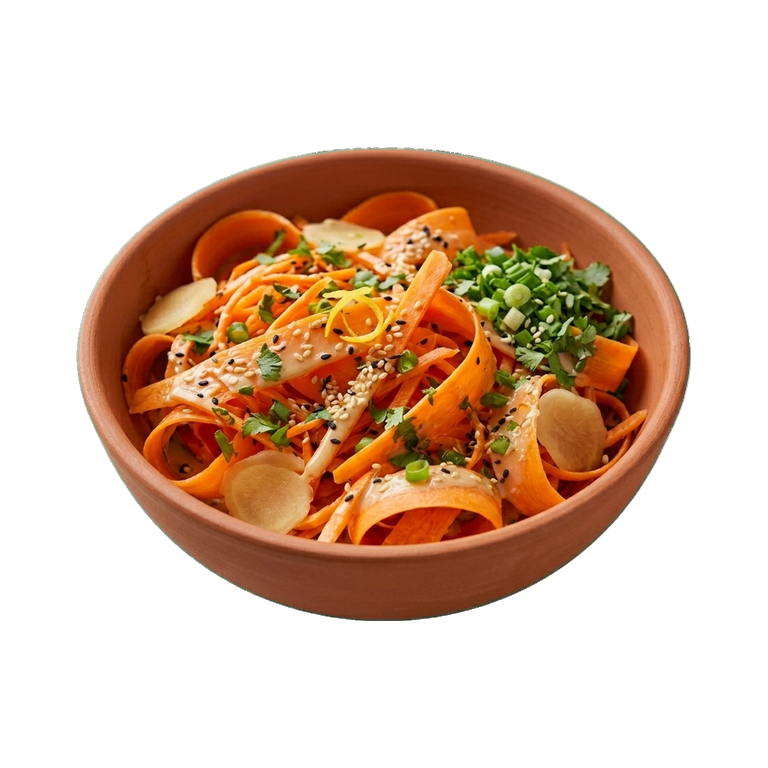
Carrots with Sesame-Ginger Dressing
Crispy carrots with aromatic sesame paste dressing infused with ginger and lemon. The dish is served chilled and is perfect as a side dish or light appetizer.
- 2.4g
- Protein
- 12g
- Fat
- 13.2g
- Carbs
162 kcal / for 1 serving (135.6 g)
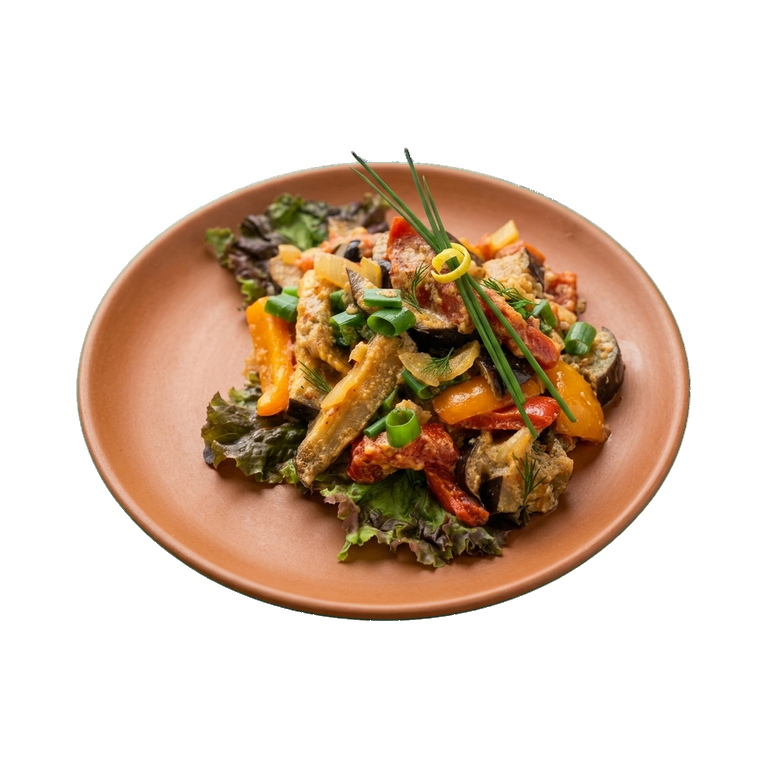
Eggplants with Sour Cream and Bell Pepper
A delicate vegetable dish with eggplants stewed in sour cream. A layered composition of tomatoes, peppers, and onions creates a harmonious flavor. The dish is prepared quickly and works well as a side dish or a standalone meal.
- 9.6g
- Protein
- 5.2g
- Fat
- 40.8g
- Carbs
252 kcal / for 1 serving (759.9 g)
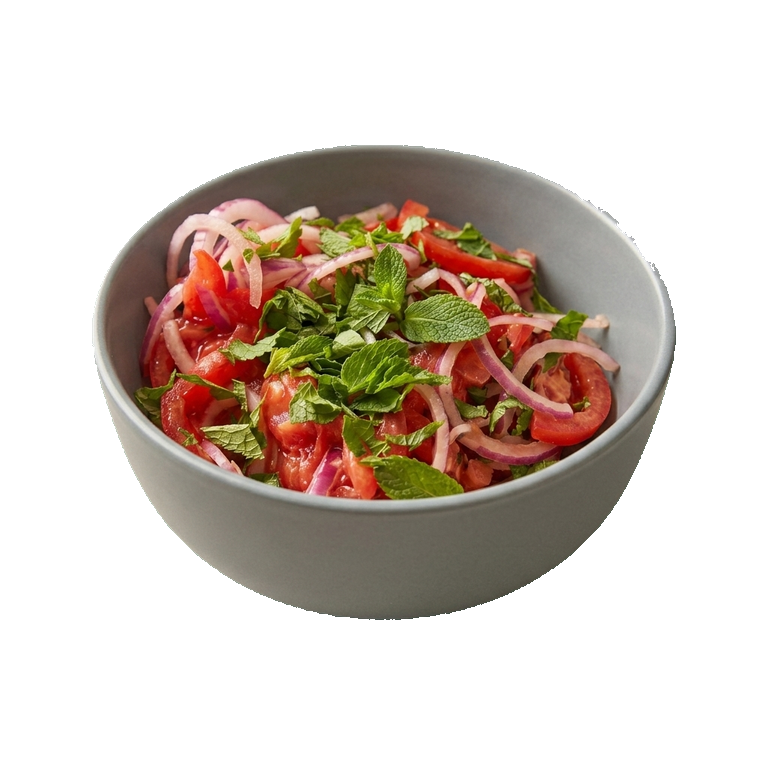
Adjichuk with Tomatoes and Onions
Uzbek salad made from thinly sliced tomatoes and onions with fresh herbs. The dish requires a sharp knife and minimal ingredients — the taste depends on the quality of the vegetables and proper slicing technique.
- 1.6g
- Protein
- 0.3g
- Fat
- 8.7g
- Carbs
41 kcal / for 1 serving (164.5 g)
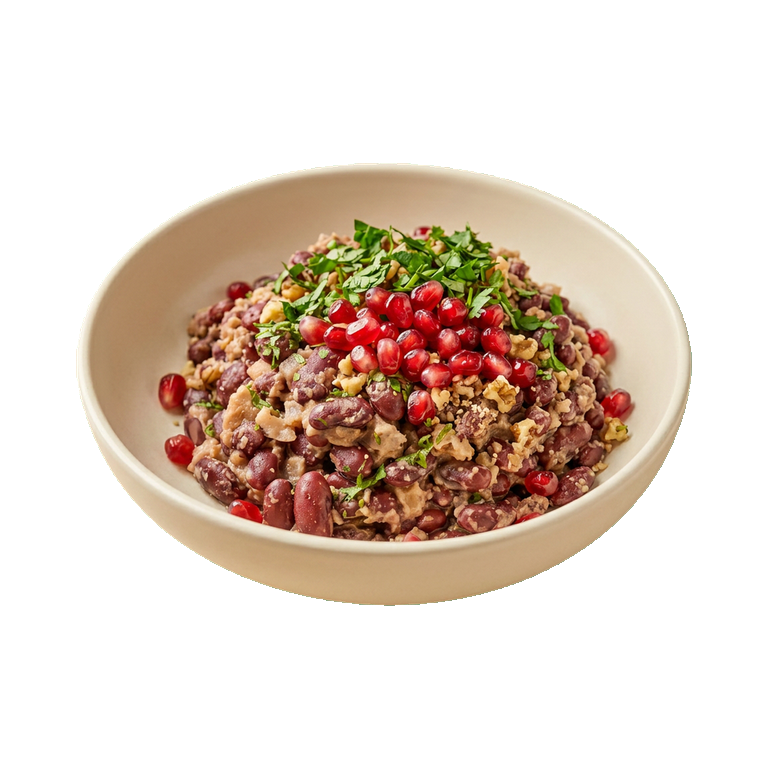
Beans with Walnut Sauce and Pomegranate
A warm dish with tender beans, aromatic nutty sauce, and pomegranate tanginess. The combination of hops and coriander gives it an Eastern character. Suitable as a standalone dish or side dish.
- 11.5g
- Protein
- 29.3g
- Fat
- 31.3g
- Carbs
411 kcal / for 1 serving (214.8 g)
Read more
Lenten menu: basics of plant-based nutrition
A fasting menu excludes animal products and is based on plant-based foods. This diet is traditionally observed during periods of religious fasting and is suitable for those who want to diversify their diet with vegetables, grains, legumes, and fruits. Fasting dishes can be satisfying and delicious thanks to the proper combination of ingredients and spices.
Basic principles of fasting nutrition
The basis of the diet consists of vegetables, fruits, cereals, legumes, and nuts. Plant-based oils are used instead of butter. It is important to diversify protein sources by combining cereals and legumes, for example rice with beans or buckwheat with walnuts. Regular inclusion of seasonal vegetables and fruits ensures an adequate amount of vitamins and minerals. Fiber from plant-based foods supports the health of the digestive system.
Where to find protein in a lean menu
The main sources of plant-based protein are legumes, nuts, seeds, and cereals. Lentils, chickpeas, beans, and peas contain significant amounts of protein. Walnuts, almonds, cashews, sunflower seeds, and flax seeds complement your diet. Combine these products in one meal to get a complete set of amino acids. Bread and pasta made from durum wheat are also sources of protein.
How to Make Lean Dishes Delicious
Use a variety of spices and herbs to add flavor: turmeric, ginger, cinnamon, basil, and oregano. Experiment with cooking methods — fry, stew, bake, and boil. Add vegetable oil, lemon juice, and garlic for rich flavor. Combine different textures and colors of vegetables. Try traditional recipes from different cuisines around the world that have long embraced plant-based eating.
Fasting nutrition requires careful planning to obtain all necessary nutrients. When switching to a fasting menu for a long period, it is recommended to consult with a nutrition specialist. A properly composed fasting menu can be complete, balanced, and varied for daily use.
Questions
Short answers to the most common questions about this diet.
