 Usuba
Usuba
Vegetarian
Vegetarian diet excludes meat and fish but includes dairy products, eggs, and plant-based foods. This is an approach based on ethical principles that requires attention to vitamin B12 and complete protein. With proper meal planning, vegetarianism provides the body with all necessary nutrients.
- Protein12–18%
- Fat25–35%
- Carbs50–60%
The diet in numbers
Macros
Most calories come from carbs: 50–60%.
Percentages show the share of daily calories from each macronutrient. A range is a corridor, so there is no exact number to hit.
- Protein12–18%
- Fat25–35%
- Carbs50–60%
Calories by meal
The biggest meal is lunch: 40% of daily calories.
This is how daily calories split across breakfast, lunch, and dinner.
- Breakfast25%
- Lunch40%
- Dinner35%
How it works
- 1
Exclusion of meat, poultry, and fish from the diet
- 2
Obtaining protein from legumes, nuts, seeds, and dairy products
- 3
Regular monitoring of vitamin B12 through fortified products or supplements
- 4
Variety of plant-based sources of iron, calcium, and other minerals
- 5
Balanced distribution of proteins, fats, and carbohydrates throughout the day
- 6
Inclusion of whole grains and minimization of refined carbohydrates
- Витамин B12: следите за нормой в рационе
What to eat and what to avoid
Foods to eat
Protein sources
- lentils
- chickpeas
- beans
- soy and tofu
- tempeh
- eggs
- cottage cheese
- yogurt
- cheese
- milk
Grains and cereals
- buckwheat
- rice
- oatmeal
- millet
- quinoa
- barley
- whole grain bread
Vegetables
- broccoli
- spinach
- carrots
- tomatoes
- bell peppers
- zucchini
- eggplant
- cabbage
Fruits
- apples
- bananas
- oranges
- pears
- berries
- kiwi
- avocado
Nuts and seeds
- almonds
- walnuts
- cashews
- sunflower seeds
- flax seeds
- chia seeds
Oils and fats
- olive oil
- sunflower oil
- coconut oil
- nut butters
B12 sources
- fortified plant-based milk
- fortified cereals
- nutritional yeast
- fortified tofu
Limit
Dairy products
- butter
- cream
- fatty cheese
- whole milk in large quantities
Sweets and baked goods
- white bread
- cookies
- cakes
- candy
- sweet drinks
Processed foods
- vegetarian sausages
- industrial vegan cheese
- ready-made sauces with added sugar
Avoid
Meat and fish
- beef
- chicken
- pork
- fish
- seafood
- sausages
- ham
Products with animal fat
- beef fat
- fish oil in animal-derived supplements
Sample menu for the week
Target 2108 kcal. One cooking session covers 3 days.
5 Oct
1772 of 2108 kcal
Breakfast
574 kcal
- 3 days - 3 serv.Cornmeal Polenta with Stracciatella Cheese and Tomatoes
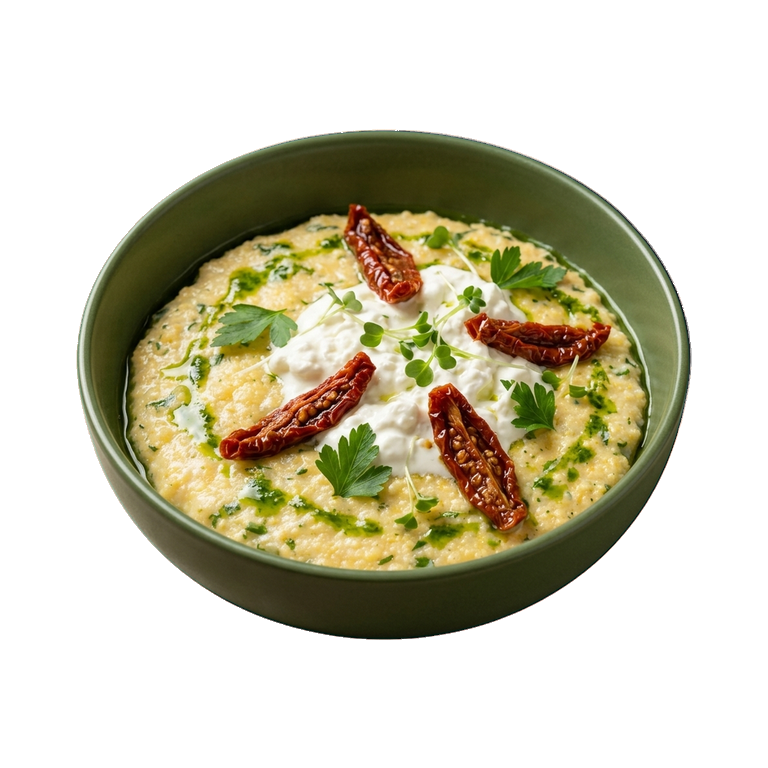 574 kcal
Lunch
457 kcal
- 3 days - 3 serv.Buckwheat with Adyghe cheese and vegetables
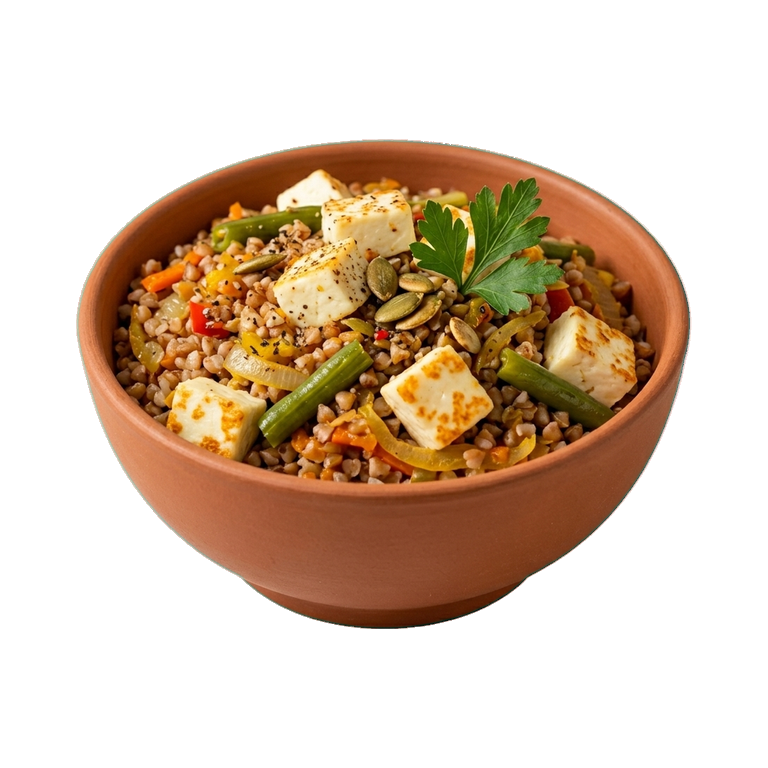 317 kcal
 - 3 days - 3 serv.Vegetarian Beet Borscht
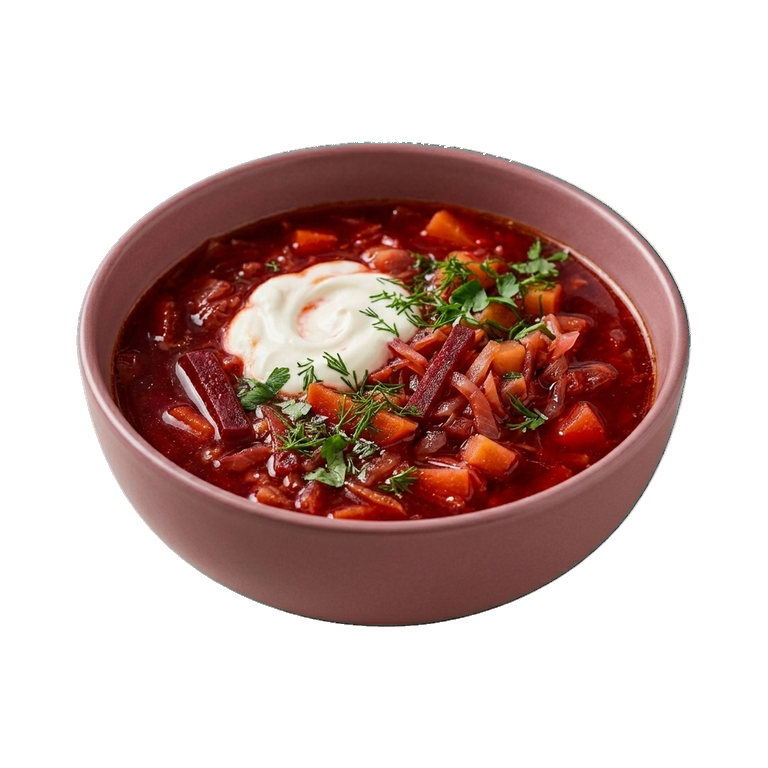 Side140 kcal
Dinner
741 kcal
- 3 days - 3 serv.Pasta with Zucchini, Basil and Almonds
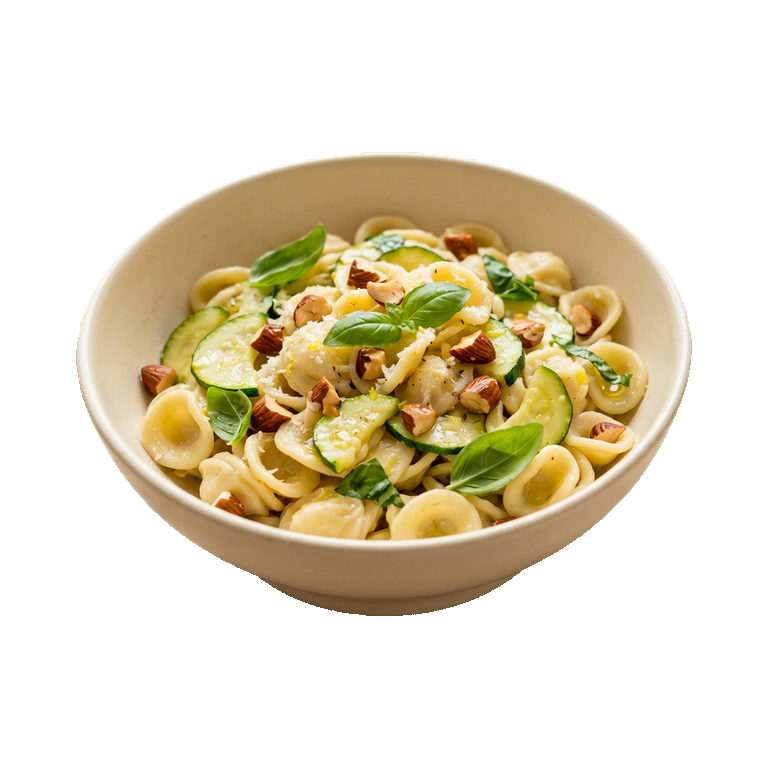 580 kcal
 - 3 days - 3 serv.Roasted Portobello Mushrooms with Garlic and Herbs
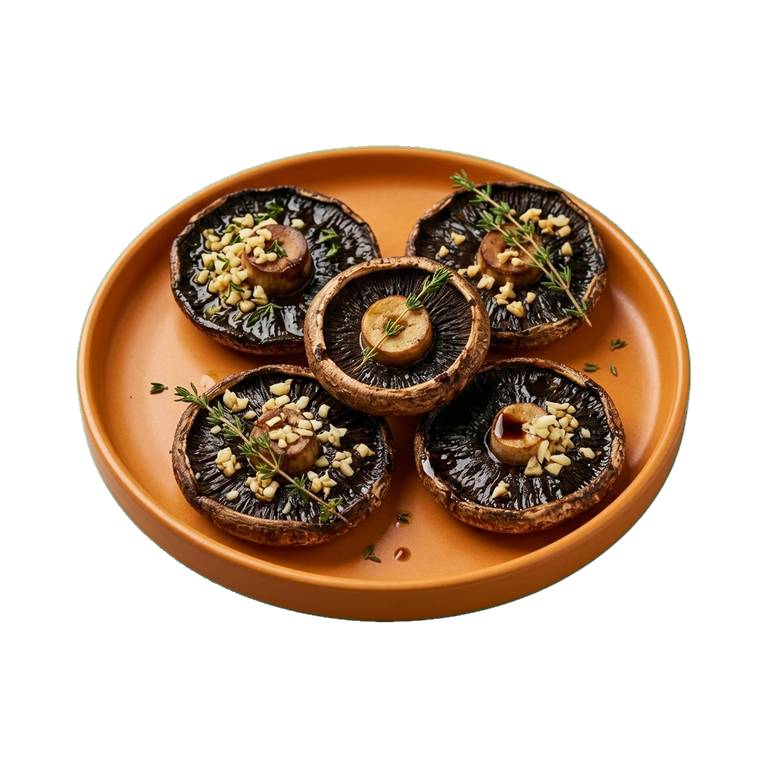 Side161 kcal
6 Oct
1772 of 2108 kcal
Breakfast
574 kcal
- From day 1 batchCornmeal Polenta with Stracciatella Cheese and Tomatoes574 kcal
Lunch
457 kcal
- From day 1 batchBuckwheat with Adyghe cheese and vegetables317 kcal
- From day 1 batchVegetarian Beet BorschtSide140 kcal
Dinner
741 kcal
- From day 1 batchPasta with Zucchini, Basil and Almonds580 kcal
- From day 1 batchRoasted Portobello Mushrooms with Garlic and HerbsSide161 kcal
7 Oct
1772 of 2108 kcal
Breakfast
574 kcal
- From day 1 batchCornmeal Polenta with Stracciatella Cheese and Tomatoes574 kcal
Lunch
457 kcal
- From day 1 batchBuckwheat with Adyghe cheese and vegetables317 kcal
- From day 1 batchVegetarian Beet BorschtSide140 kcal
Dinner
741 kcal
- From day 1 batchPasta with Zucchini, Basil and Almonds580 kcal
- From day 1 batchRoasted Portobello Mushrooms with Garlic and HerbsSide161 kcal
8 Oct
2023 of 2108 kcal
Breakfast
487 kcal
- 3 days - 3 serv.Oatmeal Pancakes with Blueberries
 487 kcal
Lunch
720 kcal
- 3 days - 3 serv.Pasta with Zucchini, Basil and Almonds580 kcal
- 3 days - 3 serv.Vegetarian Beet BorschtSide140 kcal
Dinner
816 kcal
- 3 days - 3 serv.Linguine Pasta with Almond Pesto
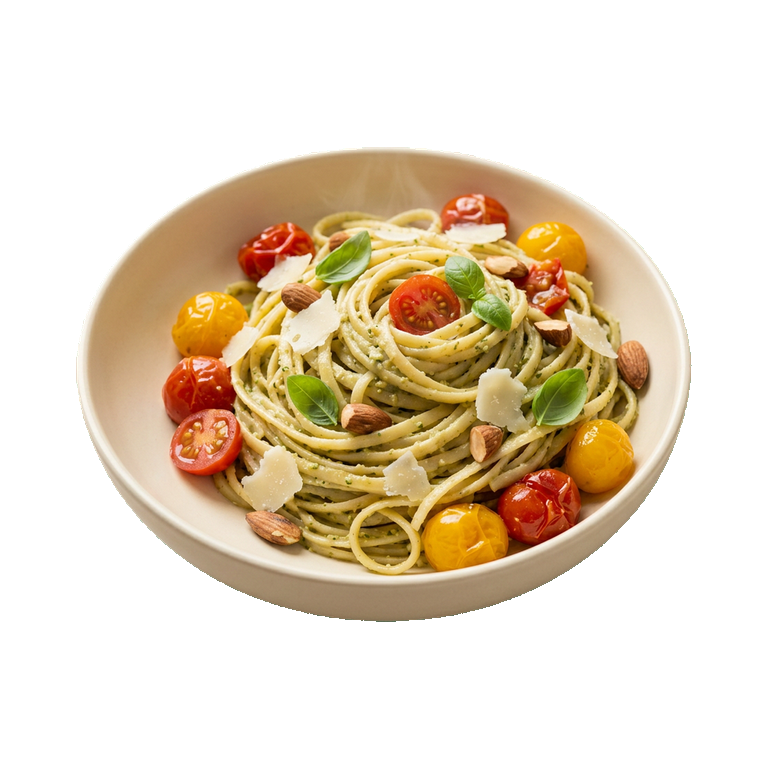 564 kcal
 - 3 days - 3 serv.Eggplants with Sour Cream and Bell Pepper
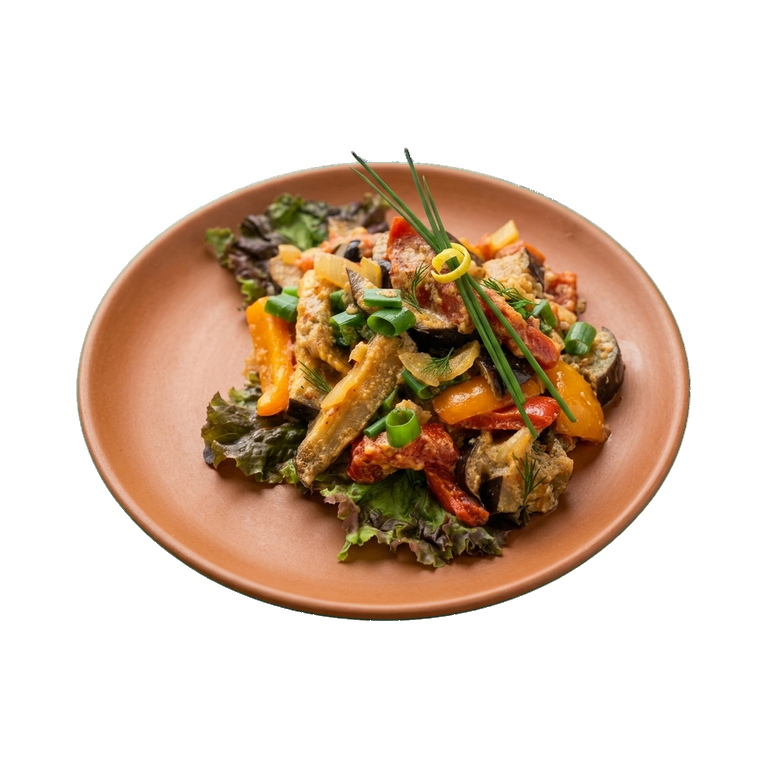 Side252 kcal
9 Oct
2023 of 2108 kcal
Breakfast
487 kcal
- From day 4 batchOatmeal Pancakes with Blueberries487 kcal
Lunch
720 kcal
- From day 4 batchPasta with Zucchini, Basil and Almonds580 kcal
- From day 4 batchVegetarian Beet BorschtSide140 kcal
Dinner
816 kcal
- From day 4 batchLinguine Pasta with Almond Pesto564 kcal
- From day 4 batchEggplants with Sour Cream and Bell PepperSide252 kcal
10 Oct
2023 of 2108 kcal
Breakfast
487 kcal
- From day 4 batchOatmeal Pancakes with Blueberries487 kcal
Lunch
720 kcal
- From day 4 batchPasta with Zucchini, Basil and Almonds580 kcal
- From day 4 batchVegetarian Beet BorschtSide140 kcal
Dinner
816 kcal
- From day 4 batchLinguine Pasta with Almond Pesto564 kcal
- From day 4 batchEggplants with Sour Cream and Bell PepperSide252 kcal
11 Oct
1533 of 2108 kcal
Breakfast
167 kcal
- Tofu Pancakes with Banana and Rice Flour
 167 kcal
Lunch
973 kcal
- Pasta Casserole with Vegetables
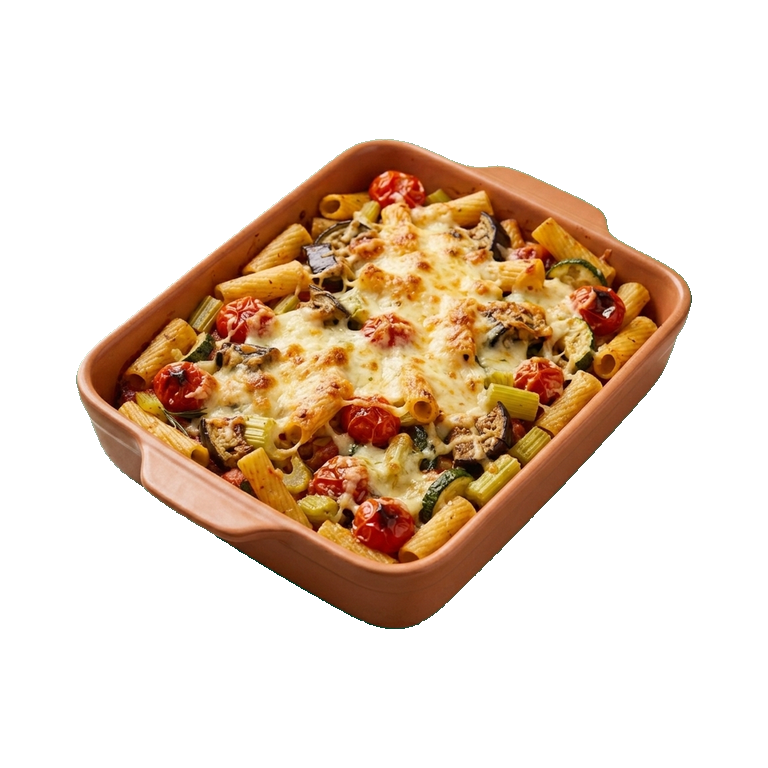 720 kcal
 - Roasted Potato and Sweet Potato with Sage
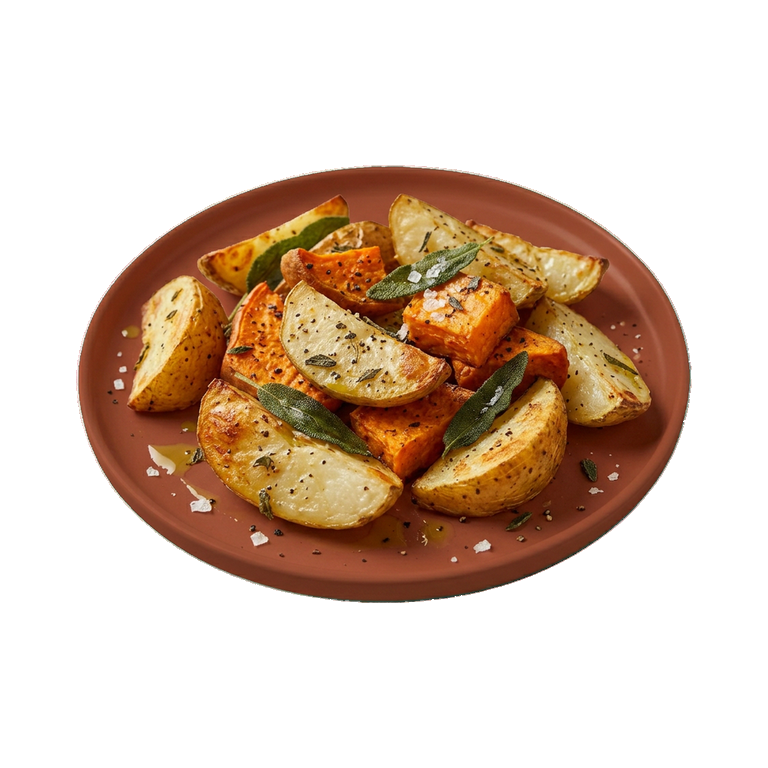 Side253 kcal
Dinner
393 kcal
- Vegetable stew with eggplants
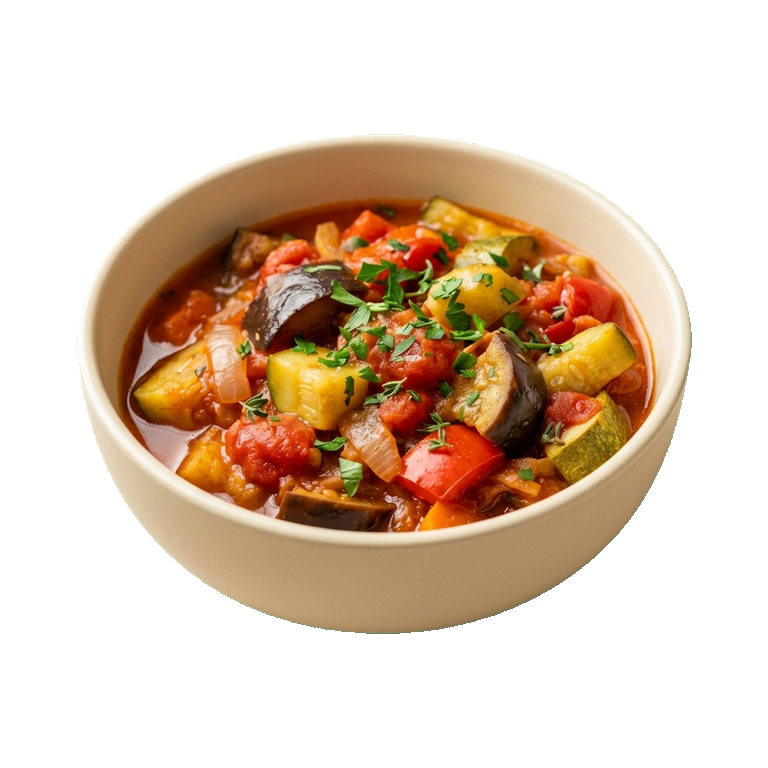 98 kcal
 - Apple and Pickled Beet Salad
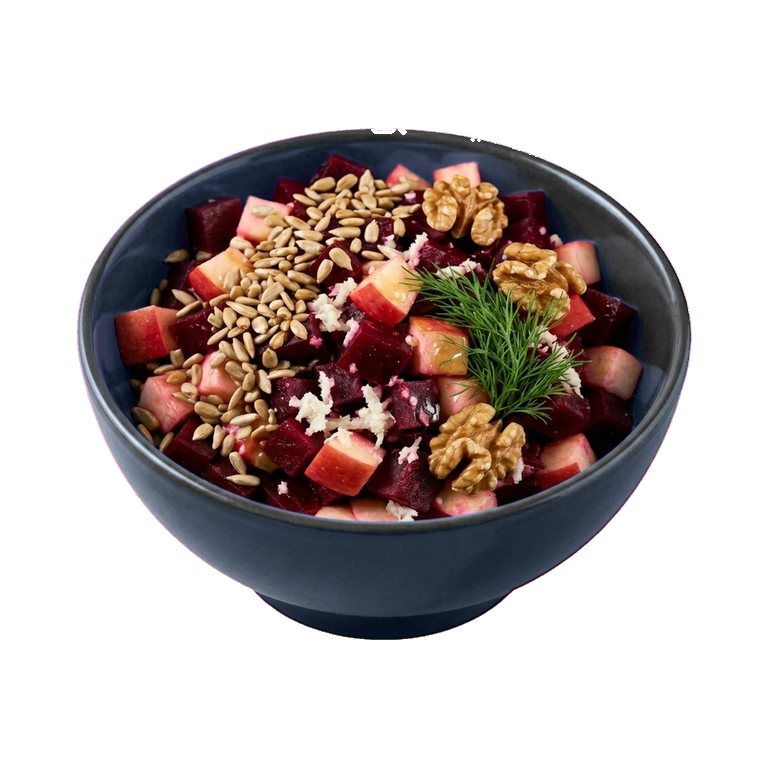 Side295 kcal
Pros and cons
Pros
- Reduced risk of cardiovascular disease due to low saturated fat content
- High fiber content promotes digestive system health
- Rich in antioxidants and phytonutrients from plant sources
- Ability to maintain a healthy weight with proper meal composition
- Alignment with ethical and environmental beliefs
- Variety of culinary traditions and recipes from around the world
Cons
- Requires attention to vitamin B12 and need for additional sources
- Need to carefully combine plant proteins for complete amino acid profile
- Some minerals, such as iron and calcium, are less bioavailable from plant sources
- Requires more time for planning and preparing diverse dishes
- Possible difficulties when eating out in some regions
Who it is for
Who it suits
- People with beliefs against consuming animal meat
- Those who want to reduce stress on the digestive system
- People with elevated cholesterol
- Active people ready to plan nutrition to get all nutrients
- Families wanting to instill healthy eating habits in children
Who should skip it
- People with severe digestive disorders without medical supervision
- Those not prepared to devote attention to meal planning and B12 monitoring
- People with allergies to major plant-based protein sources
- Professional athletes without experience in vegetarian nutrition and specialist consultation
Recipes for this diet
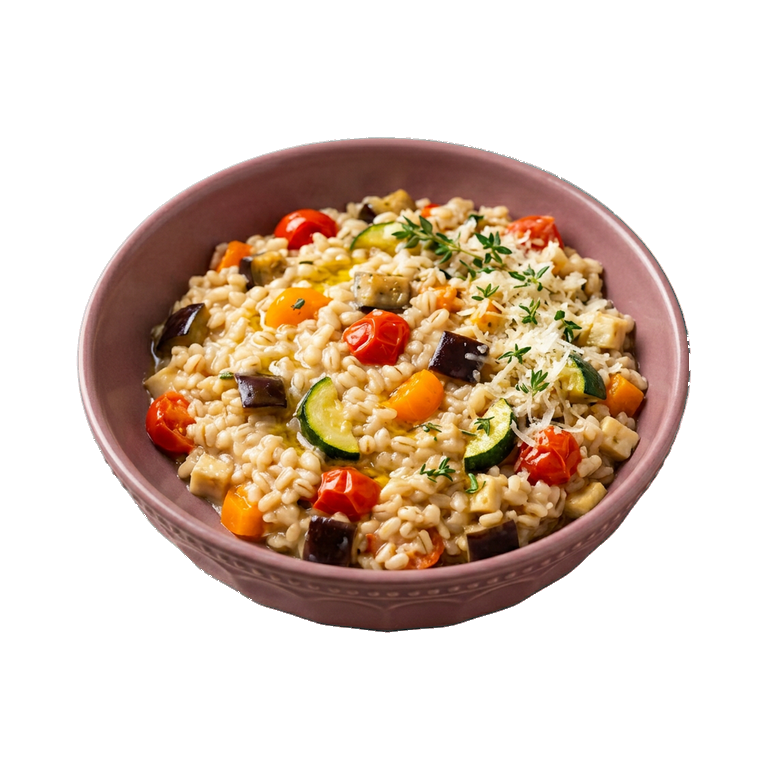
Barley Risotto with Vegetables
A hearty dish made from pearl barley with tomatoes, eggplant, zucchini, and celery root. Prepared like classic risotto — the grain gradually absorbs the broth, becoming soft and creamy. Served hot or cold.
- 10.5g
- Protein
- 12.6g
- Fat
- 54.8g
- Carbs
369 kcal / for 1 serving (564.1 g)
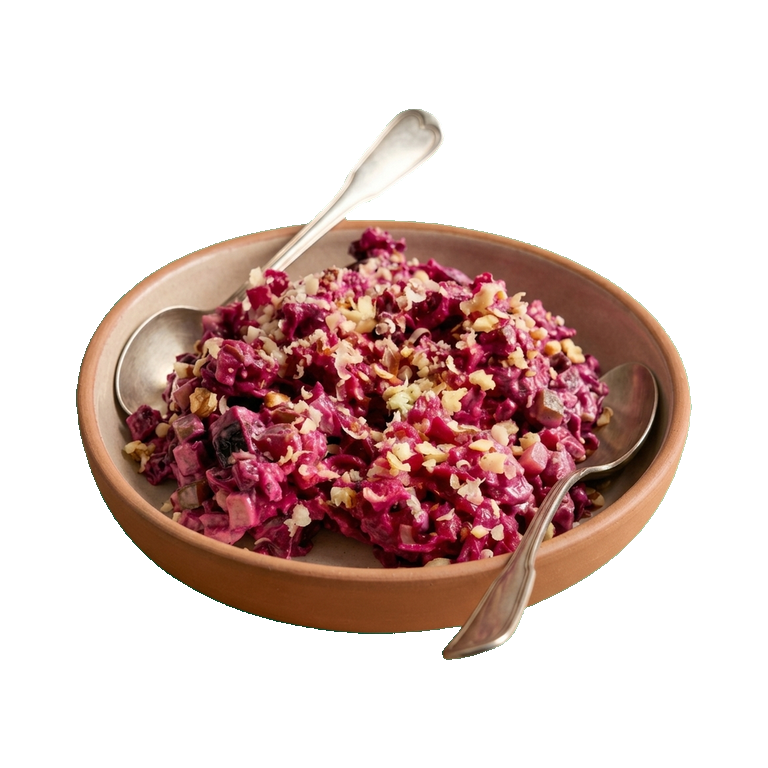
Beet Salad
Baked beets with pickled cucumber, prunes, and walnuts, dressed with Greek yogurt. A vibrant and satisfying salad with contrasting flavors: sweetness, saltiness, and a subtle tanginess.
- 11.3g
- Protein
- 8.8g
- Fat
- 27.4g
- Carbs
220 kcal / for 1 serving (254.6 g)
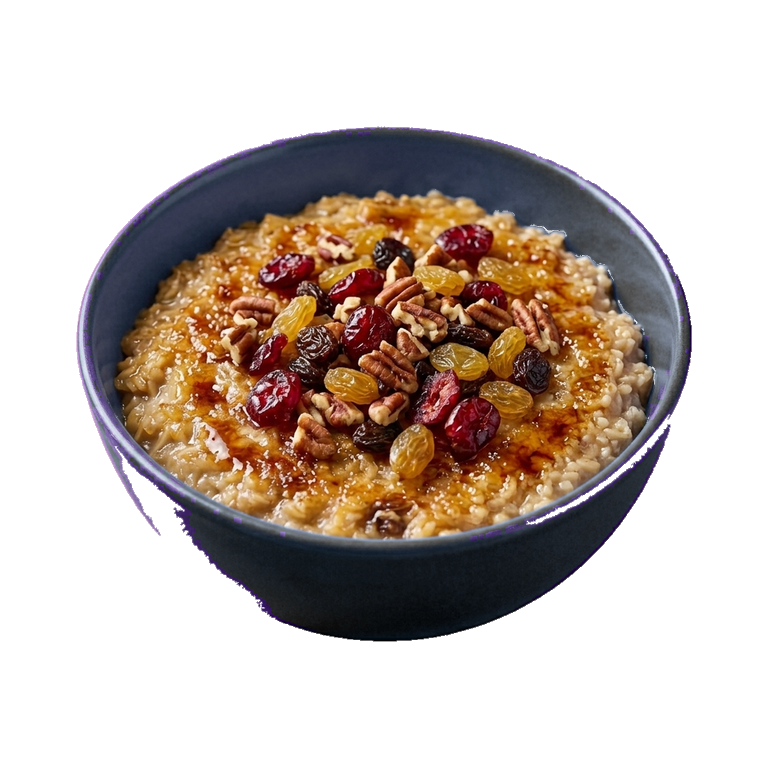
Oatmeal porridge with cranberry, raisins and caramel
Tender oatmeal porridge with spices and dried fruits, topped with a crispy caramelized crust. Milk, cinnamon, cloves, and orange zest give the dish a warm, cozy flavor. Served hot with roasted pecans.
- 23.2g
- Protein
- 58.5g
- Fat
- 85.2g
- Carbs
977 kcal / for 1 serving (483.8 g)
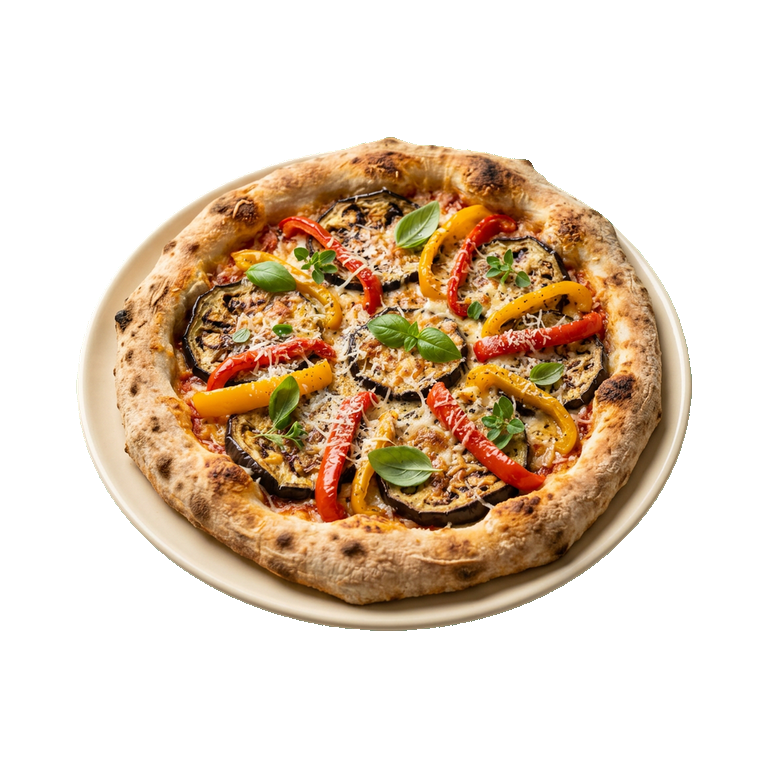
Pizza with Eggplant and Pepper
Homemade sourdough pizza with roasted eggplant and sweet pepper. Crispy crust, vegetable filling and parmesan cheese — a simple recipe for baking in the oven.
- 11.3g
- Protein
- 5.7g
- Fat
- 60.4g
- Carbs
345 kcal / for 1 serving (267 g)
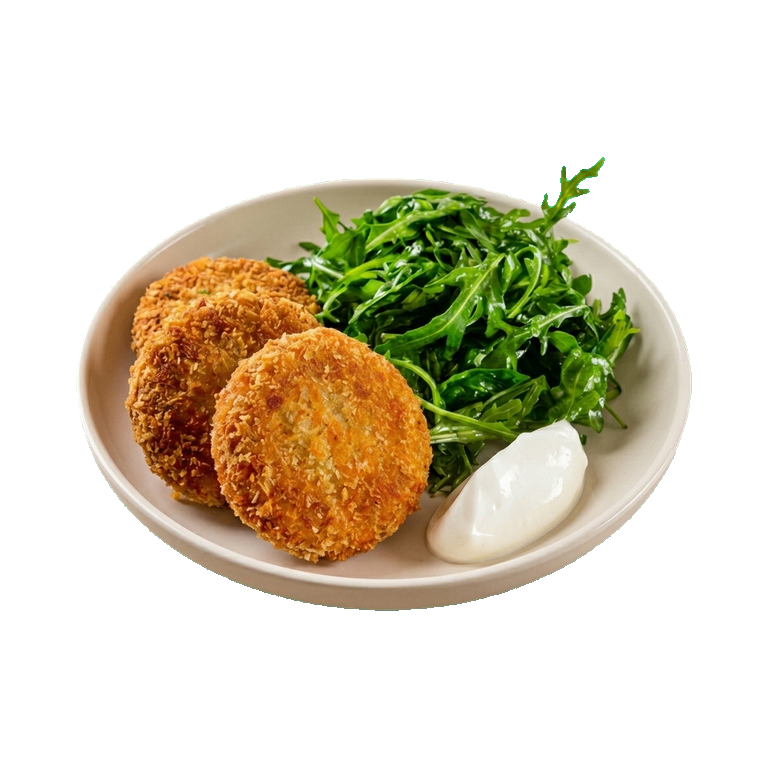
Spiced Carrot Cutlets
Vegetable patties made from roasted carrots with semolina and oriental spices. The dish turns out sweet, aromatic and crispy on the outside. Suitable as a side dish or a standalone meal.
- 7.9g
- Protein
- 3.2g
- Fat
- 48.9g
- Carbs
250 kcal / for 1 serving (257.2 g)
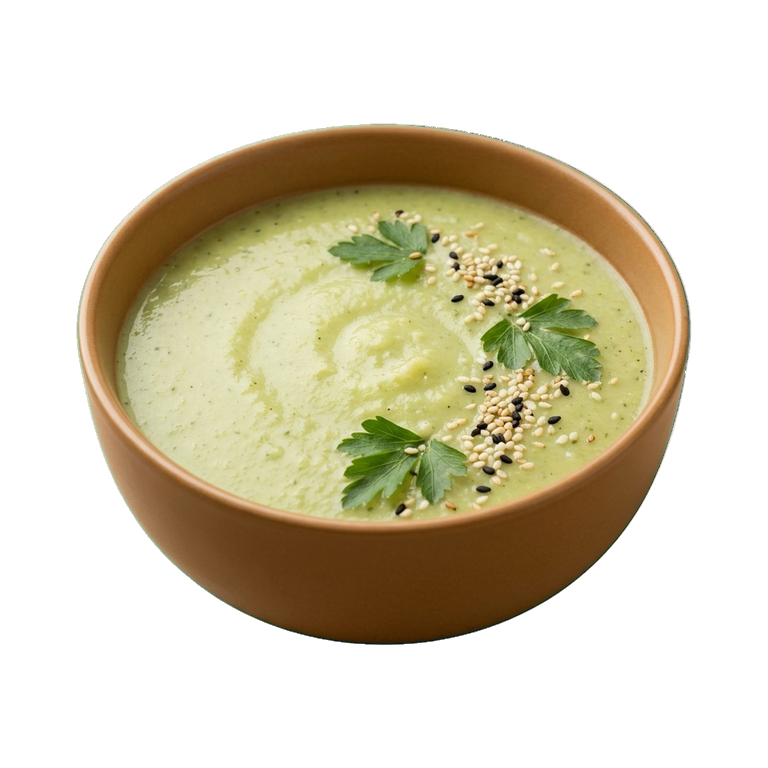
Vegetable Cream Soup in a Slow Cooker
Delicate potato, broccoli and cauliflower puree soup. Cooked in a slow cooker, served with sesame seeds.
- 5g
- Protein
- 0.5g
- Fat
- 29.1g
- Carbs
131 kcal / for 1 serving (510.3 g)
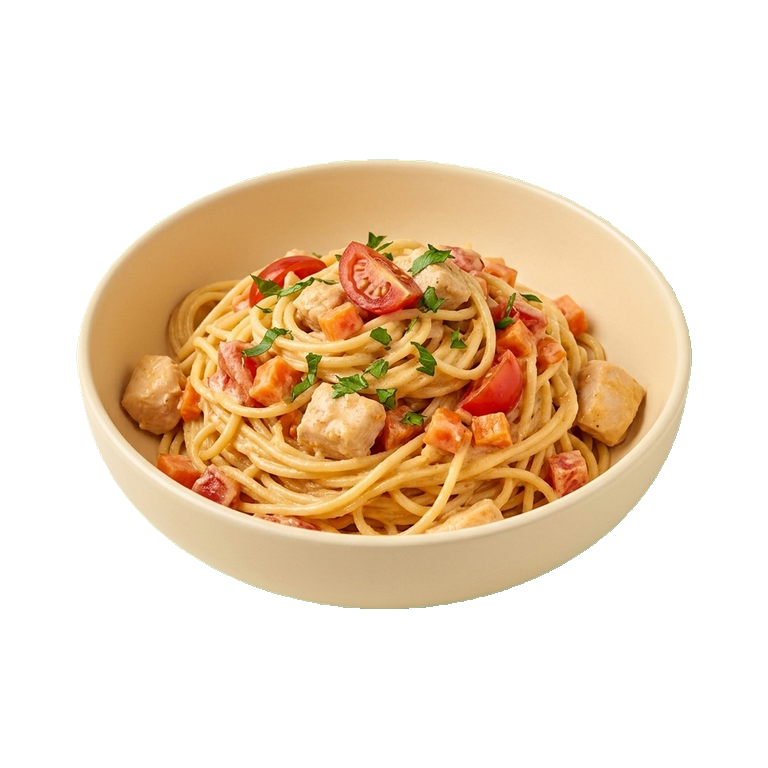
Pasta with Butter and Carrot Sauce
A light vegetarian dish with delicate coconut sauce, enriched with carrots and tomatoes. Spaghetti is stewed with vegetables and coconut milk, acquiring a creamy consistency and mild sweet taste. Perfect for a quick dinner and easily adaptable to any preferences.
- 9.3g
- Protein
- 6.3g
- Fat
- 56.2g
- Carbs
305 kcal / for 1 serving (206.8 g)
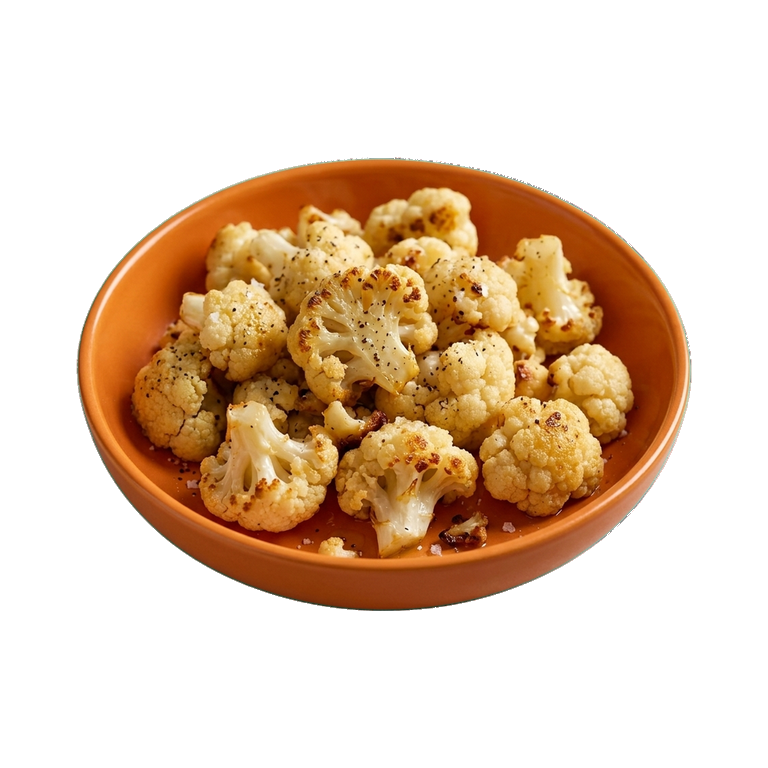
Roasted Cauliflower with Olive Oil
A simple vegetable dish with a crispy crust and tender interior. Cauliflower is baked with olive oil, sea salt, and black pepper until golden brown. Perfect as a side dish or a standalone meal.
- 2.4g
- Protein
- 7.9g
- Fat
- 6.2g
- Carbs
98 kcal / for 1 serving (132.8 g)
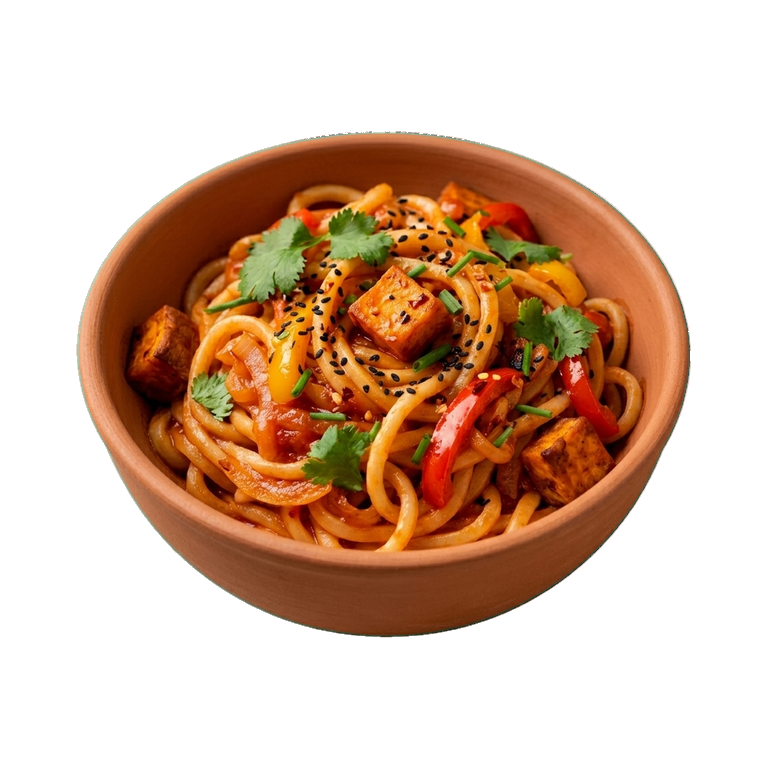
Udon with Sweet Potato and Vegetables in Tomato Sauce
Fragrant udon noodles with soft sweet potato, sweet pepper and onion in a spicy tomato sauce with aromatic spices. The dish is prepared quickly and is perfect for lunch or a light dinner.
- 13g
- Protein
- 6.2g
- Fat
- 83g
- Carbs
432 kcal / for 1 serving (413.6 g)
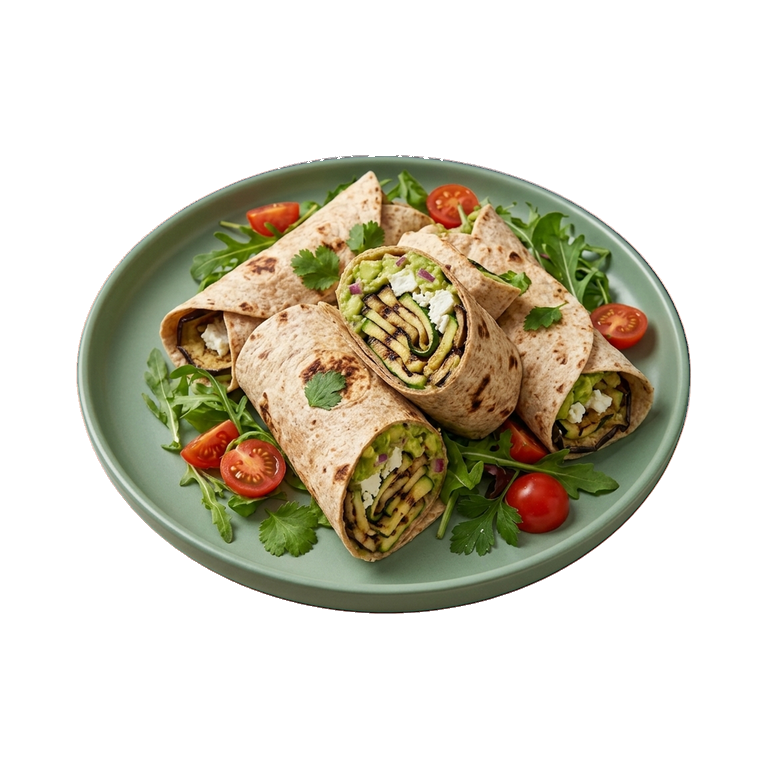
Flatbread Rolls with Guacamole and Goat Cheese
Thin slices of baked eggplant and zucchini combined with creamy guacamole and goat cheese, wrapped in a warm tortilla. A light and fresh dish with vegetables, herbs, and tomatoes.
- 33.9g
- Protein
- 52.5g
- Fat
- 54.4g
- Carbs
820 kcal / for 1 serving (790 g)
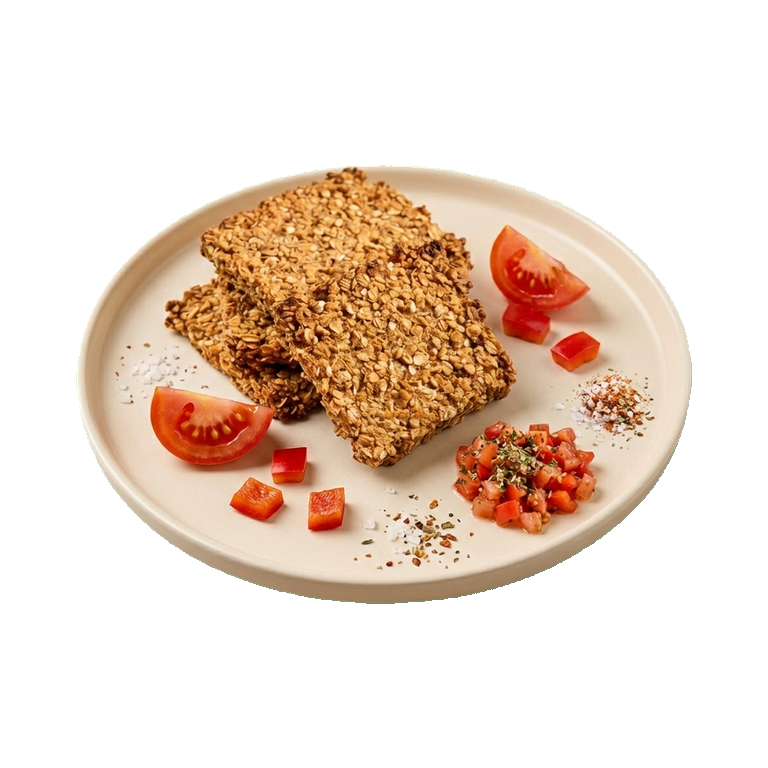
Crispy Oat Crackers with Spices
Thin oatmeal crackers with tomatoes, peppers and aromatic spices. A healthy snack with a crispy crust, prepared quickly and easily.
- 5.5g
- Protein
- 12.1g
- Fat
- 21.1g
- Carbs
211 kcal / for 1 serving (109.8 g)
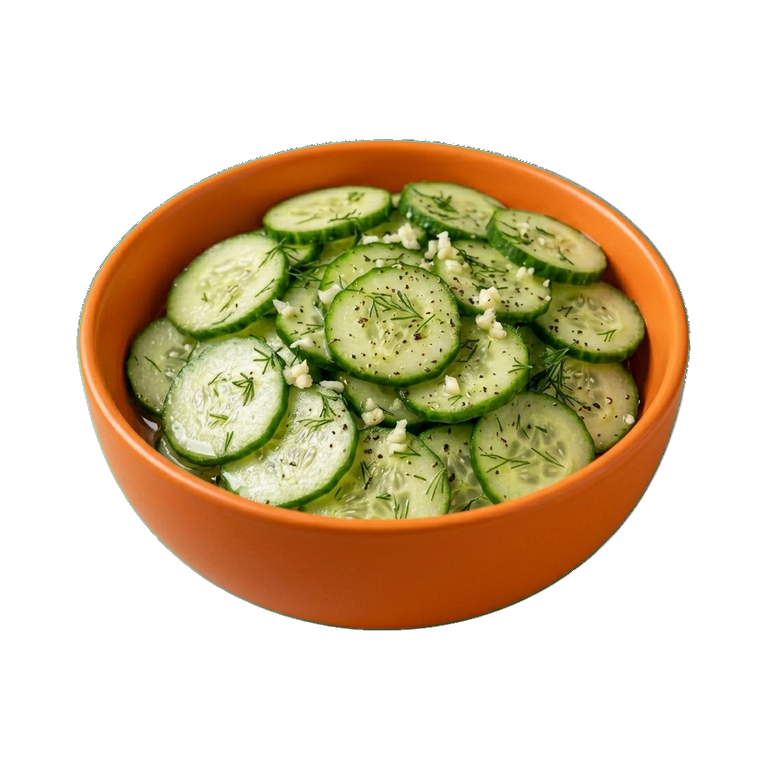
Quick Pickled Cucumbers in 10 Minutes
A crispy appetizer with garlic and dill that is prepared in the refrigerator. Cucumbers are sliced into thin rings, seasoned with salt and pepper, and ready to serve in just a few minutes.
- 1.3g
- Protein
- 0.2g
- Fat
- 6g
- Carbs
27 kcal / for 1 serving (133.5 g)
Read more
Vegetarian Diet: A Complete Guide for Beginners
A vegetarian diet excludes meat and fish, but includes dairy products, eggs, and plant-based foods. It is an approach based on ethical principles that requires attention to vitamin B12 and complete protein. With proper menu planning, vegetarianism provides the body with all necessary nutrients and can become the foundation for a healthy lifestyle.
Basic principles of vegetarian nutrition
The key to successful vegetarianism is diversity. Get protein from legumes, nuts, seeds, eggs, and dairy products. Combine plant sources: rice with beans, bread with peanut butter, cottage cheese with nuts. This will provide a complete set of amino acids. Be sure to monitor vitamin B12 through fortified products or supplements. Include whole grains, a variety of vegetables and fruits. Distribute nutrients as follows: proteins 12-18%, fats 25-35%, carbohydrates 50-60% of daily energy.
What to Include and What to Exclude
The basis of your diet should include lentils, chickpeas, beans, tofu, eggs, cottage cheese, yogurt and cheese. Add buckwheat, rice, oatmeal, quinoa. Eat broccoli, spinach, carrots, tomatoes, peppers. Include apples, bananas, berries, avocado. Use almonds, walnuts, flax seeds and chia seeds. For vitamin B12, choose fortified plant-based milk, nutritional yeast, fortified tofu. Exclude meat, poultry, fish and seafood. Limit butter, cream, white bread, cookies and sugary drinks.
Advantages and Features
A vegetarian diet reduces the risk of cardiovascular diseases due to low saturated fat content. High fiber content supports digestive system health. Plant-based food is rich in antioxidants and phytonutrients. With proper menu planning, it is easier to maintain a healthy weight. However, attention is required to vitamin B12, careful combining of plant-based proteins, and more time for meal planning. Some minerals, such as iron and calcium, are less bioavailable from plant sources, so consultation with a specialist is important.
Start with simple recipes: vegetable omelet, pasta with vegetable sauce, lentil soup, chickpea salad. Gradually add more complex dishes. When eating out, look for restaurants with vegetarian menus, clarify ingredients, bring snacks with you. Many cuisines around the world have traditional vegetarian dishes: Indian dal and curry, Mediterranean salads, Asian tofu dishes.
Questions
Short answers to the most common questions about this diet.
