 Usuba
Usuba
Vegan
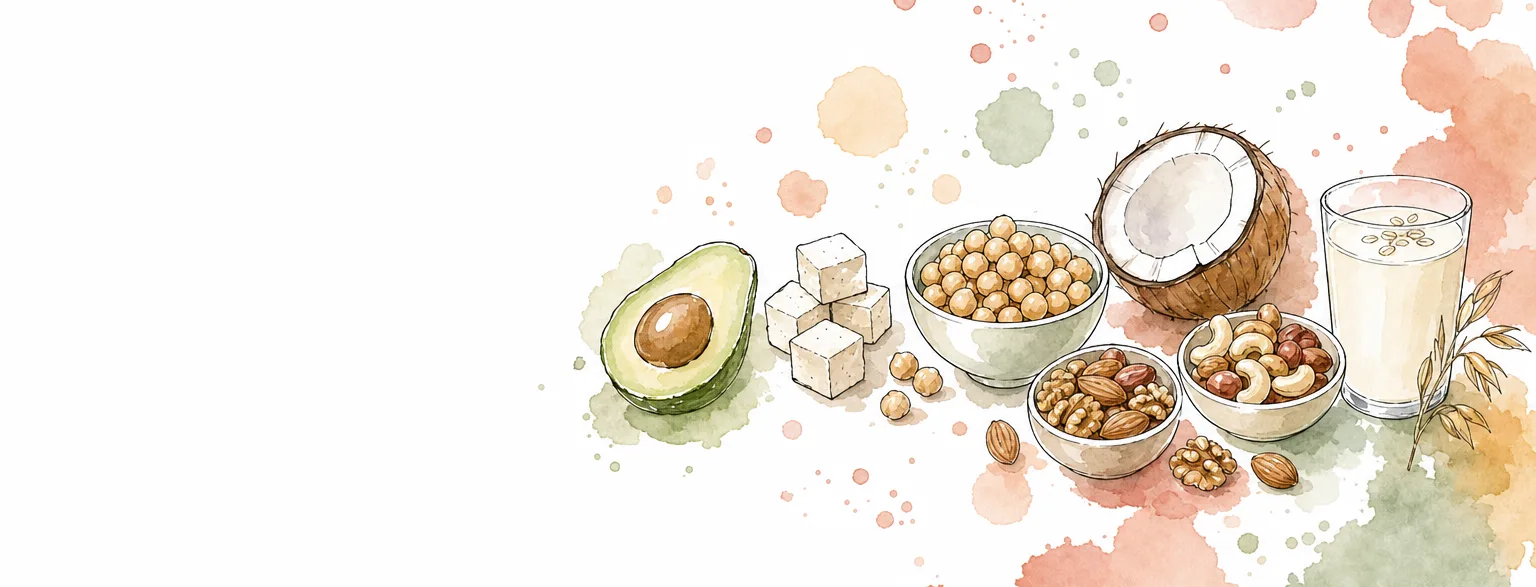
A vegan diet excludes all animal products: meat, fish, poultry, dairy, eggs, and honey. It is not only a dietary choice but also an ethical approach to nutrition. With proper planning, a vegan menu provides the body with all necessary nutrients. Special attention is paid to obtaining vitamin B12, iron, and calcium, which are traditionally associated with animal products.
- Protein12–18%
- Fat25–35%
- Carbs50–60%
The diet in numbers
Macros
Most calories come from carbs: 50–60%.
Percentages show the share of daily calories from each macronutrient. A range is a corridor, so there is no exact number to hit.
- Protein12–18%
- Fat25–35%
- Carbs50–60%
Calories by meal
The biggest meal is lunch: 40% of daily calories.
This is how daily calories split across breakfast, lunch, and dinner.
- Breakfast25%
- Lunch40%
- Dinner35%
How it works
- 1
Exclusion of all animal products, including hidden ingredients
- 2
Variety of plant-based protein sources: legumes, nuts, seeds, grains
- 3
Regular consumption of B12-fortified products
- 4
Combining foods for better absorption of iron and calcium
- 5
Sufficient calories and macronutrients to maintain energy
- 6
Attention to seasonal and local plant-based products
- Железо: следите за нормой в рационе
- Витамин B12: следите за нормой в рационе
- Кальций: следите за нормой в рационе
What to eat and what to avoid
Foods to eat
Plant-based proteins
- lentils
- chickpeas
- beans
- soy and tofu
- tempeh
- peanuts
- sunflower seeds
- pumpkin seeds
Grains and cereals
- rice
- buckwheat
- oatmeal
- millet
- quinoa
- barley
- wheat
Vegetables
- broccoli
- cabbage
- carrots
- beets
- tomatoes
- peppers
- cucumbers
- zucchini
- eggplant
Fruits
- apples
- bananas
- oranges
- lemons
- pears
- berries
- kiwi
- mango
Nuts and seeds
- almonds
- walnuts
- cashews
- flax seeds
- chia seeds
- sesame
Plant-based oils
- olive oil
- coconut oil
- sunflower oil
- flax oil
Fortified products
- plant-based milk with calcium and B12
- fortified cereals
- nutritional yeast with B12
Limit
Highly processed products
- vegan sausages and cutlets
- vegan cheese
- plant-based cream
- vegan cookies and candy
High-salt products
- ready-made sauces
- canned vegetables without salt control
- pickled products
Refined carbohydrates
- white bread
- sugary drinks
- white sugar
- confectionery
Avoid
Meat and poultry
- beef
- pork
- chicken
- turkey
- lamb
- sausages
- ham
Fish and seafood
- fish of all types
- shrimp
- crabs
- oysters
- caviar
Dairy products
- milk
- yogurt
- cheese
- butter
- cream
- cottage cheese
Eggs and products containing them
- chicken eggs
- quail eggs
- mayonnaise
- baked goods with eggs
Honey and bee products
- honey
- propolis
- royal jelly
Pros and cons
Pros
- Exclusion of animal cholesterol supports cardiovascular health
- High fiber content supports digestion and gut microbiome
- Usually accompanied by increased consumption of vegetables, fruits, and whole grains
- Ethical choice aligned with personal beliefs about animals
- Can be more economical when using affordable plant-based products
- Variety of culinary traditions and recipes from around the world
Cons
- Requires careful planning to obtain all necessary nutrients
- Vitamin B12 must be obtained from fortified products or supplements
- Iron from plant sources is absorbed worse than from animal sources
- May be more challenging in social situations and when eating out
- Some vegan substitutes are expensive and highly processed
- Requires knowledge of food combining for complete nutrition
Who it is for
Who it suits
- People who follow ethical principles regarding animals
- Those who want to reduce the risk of cardiovascular disease
- People with lactose intolerance or dairy allergies
- Those interested in plant-based nutrition and willing to plan meals
- People seeking to reduce the environmental footprint of their diet
Who should skip it
- People with severe digestive disorders without medical supervision
- Those not willing to carefully plan their diet and monitor nutrients
- People with limited access to diverse plant-based products
- Those who cannot use fortified products or B12 supplements
Recipes for this diet
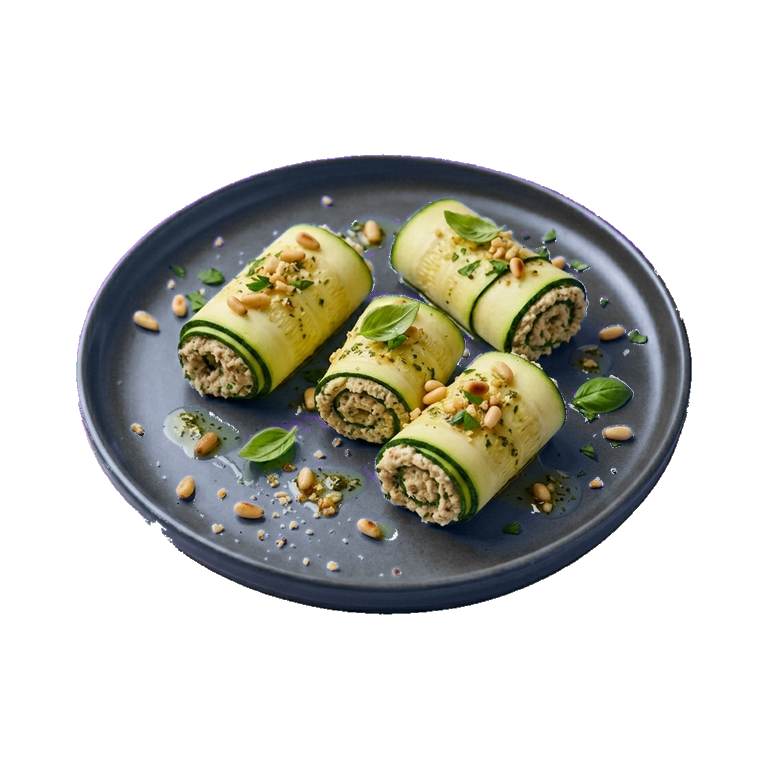
Zucchini Cannelloni with Nut Pâté
A raw food dish with crispy zucchini rolls filled with a pâté made from almonds, pine nuts, and aromatic herbs. A light, fragrant, and nutritious treat with oriental notes.
- 25.4g
- Protein
- 76.2g
- Fat
- 33.8g
- Carbs
861 kcal / for 1 serving (316 g)
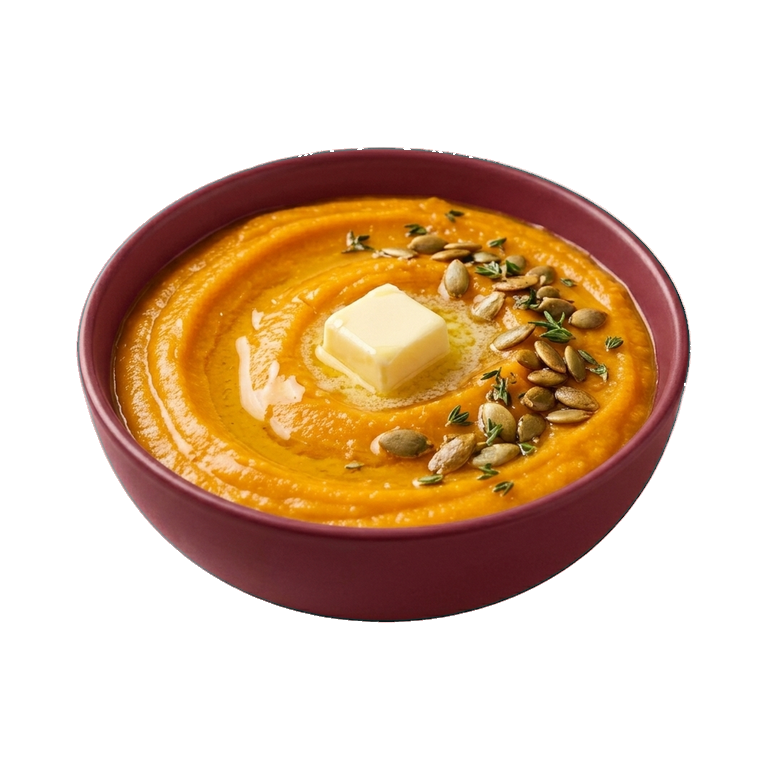
Baked Pumpkin Puree
Delicate pumpkin puree from roasted pumpkin with a light buttery flavor. Simple to prepare: pumpkin is baked until soft, then blended into a smooth consistency. Works as a standalone dish, side dish, or base for soups and desserts.
- 2.3g
- Protein
- 1.3g
- Fat
- 14.6g
- Carbs
68 kcal / for 1 serving (226 g)
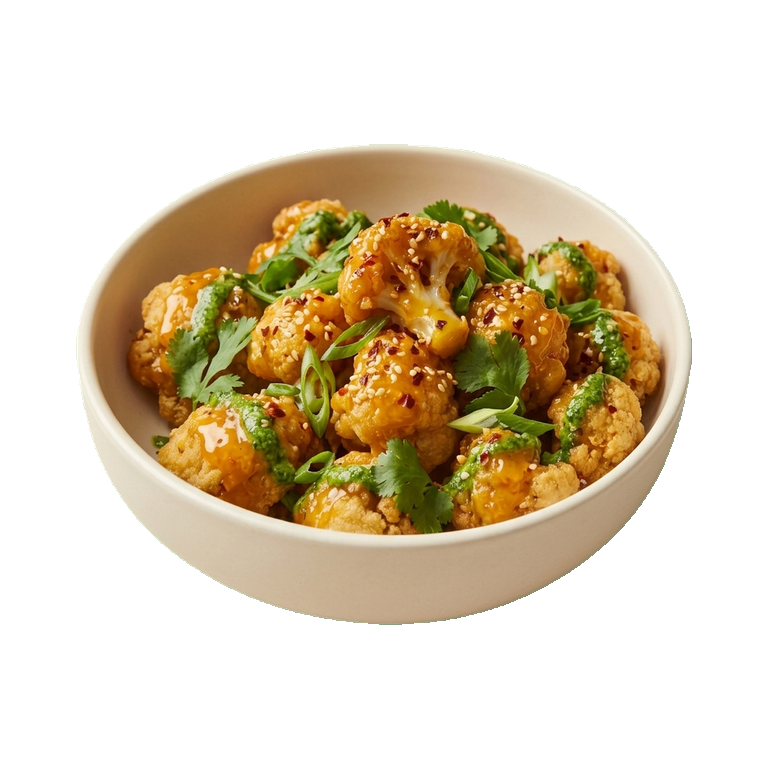
Crispy Cauliflower with Orange Glaze
Crispy breaded cauliflower with aromatic orange glaze, piquant green sauce, and fresh herbs. The dish combines oriental spices, citrus notes, and spicy accents.
- 22.2g
- Protein
- 14.6g
- Fat
- 287.3g
- Carbs
1,418 kcal / for 1 serving (703 g)
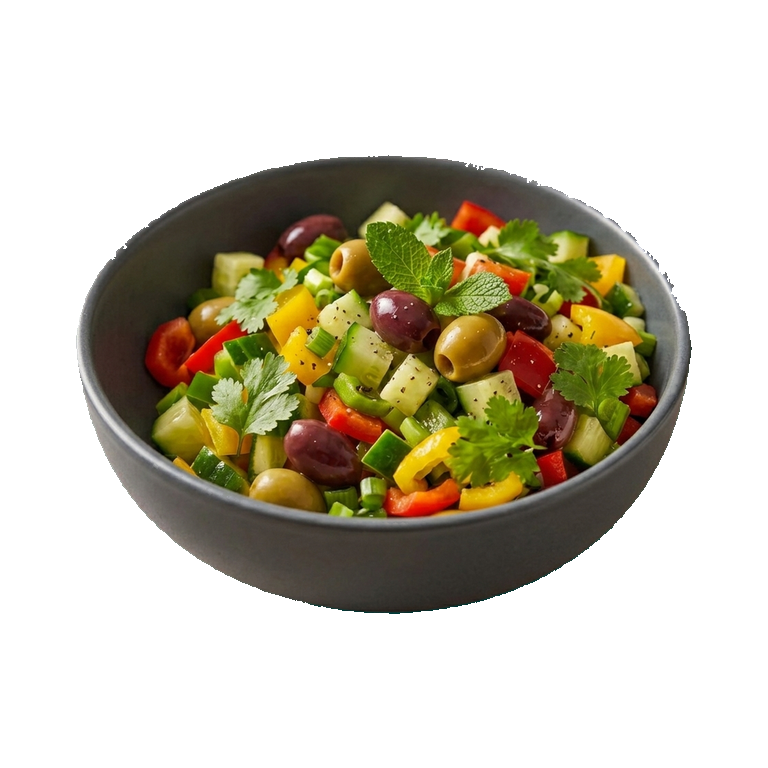
Cucumber, Pepper and Olives Salad
Fresh vegetable salad with crispy cucumbers, sweet bell pepper and olives, dressed with olive oil and vinegar with fragrant mint and cilantro.
- 0.9g
- Protein
- 9g
- Fat
- 5.2g
- Carbs
103 kcal / for 1 serving (106.5 g)
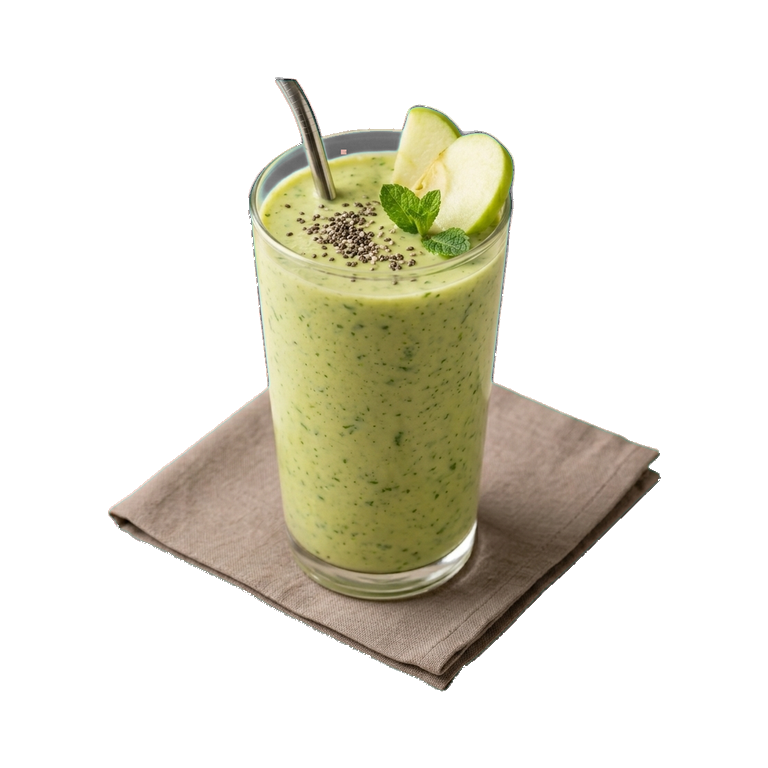
Apple and Banana Smoothie with Chia
A refreshing drink made from fresh fruits and herbs. Chia seeds add nutritional value and create a pleasant texture. Perfect for breakfast or a snack.
- 6g
- Protein
- 5.3g
- Fat
- 94g
- Carbs
402 kcal / for 1 serving (636.4 g)
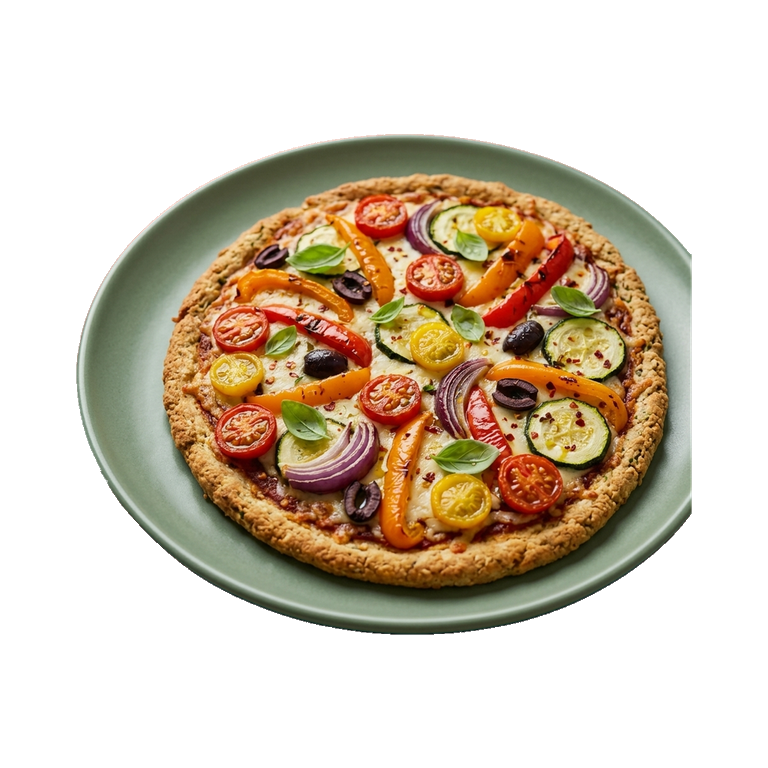
Gluten-Free Flour Pizza
Crispy pizza with vegetable filling made with gluten-free flour. The dough is prepared with aquafaba — a vegan alternative to eggs. Suitable for people with gluten intolerance and vegans.
- 5.5g
- Protein
- 9.2g
- Fat
- 53.8g
- Carbs
323 kcal / for 1 serving (280.4 g)
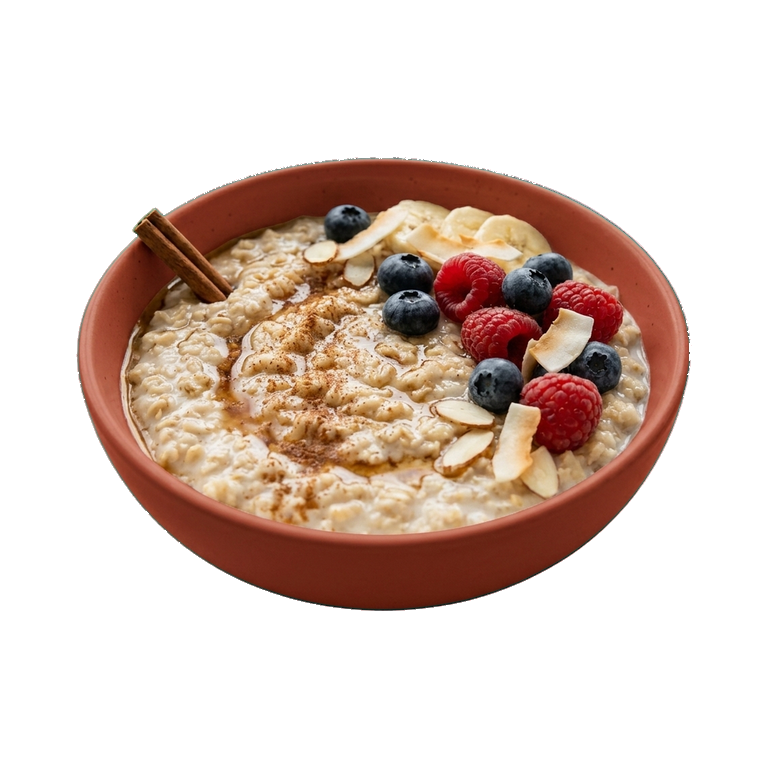
Oatmeal Porridge with Coconut Milk and Cinnamon
Delicate oatmeal porridge cooked in coconut milk with aromatic cinnamon. Served with maple syrup and fresh berries — the perfect breakfast combining creamy texture and natural sweetness.
- 12.5g
- Protein
- 63.1g
- Fat
- 71.2g
- Carbs
680 kcal / for 1 serving (344.4 g)
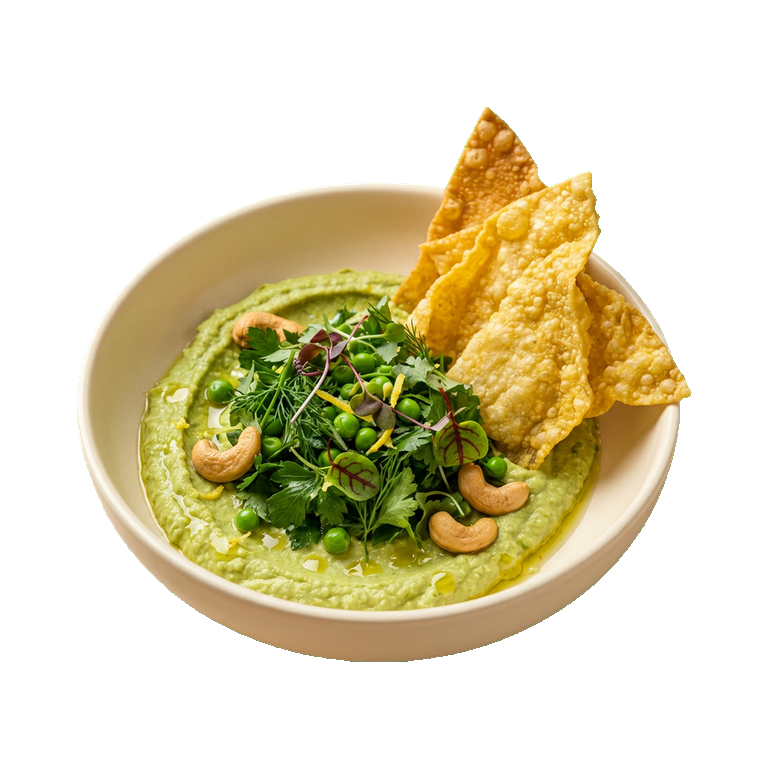
Green Cashew Hummus
Creamy pasta made from green peas and chickpeas with a nutty base. Served with a fresh herb and pea salad. The dish combines the delicate texture of hummus with crispy greens and bright lemon flavor.
- 19g
- Protein
- 51.4g
- Fat
- 40.6g
- Carbs
680 kcal / for 1 serving (283.4 g)
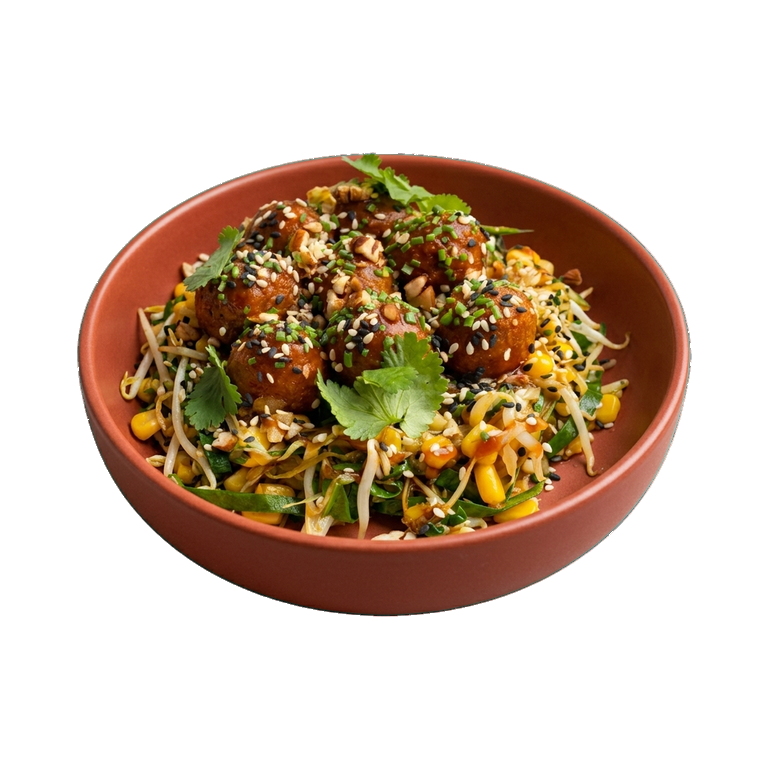
Spiced Falafel with Cabbage Noodles
Spicy falafel with curry and cumin in tomato sauce, served on crispy cabbage noodles with soy sauce. Both components are self-sufficient and complement each other perfectly.
- 17.5g
- Protein
- 11.8g
- Fat
- 55.8g
- Carbs
395 kcal / for 1 serving (531.3 g)
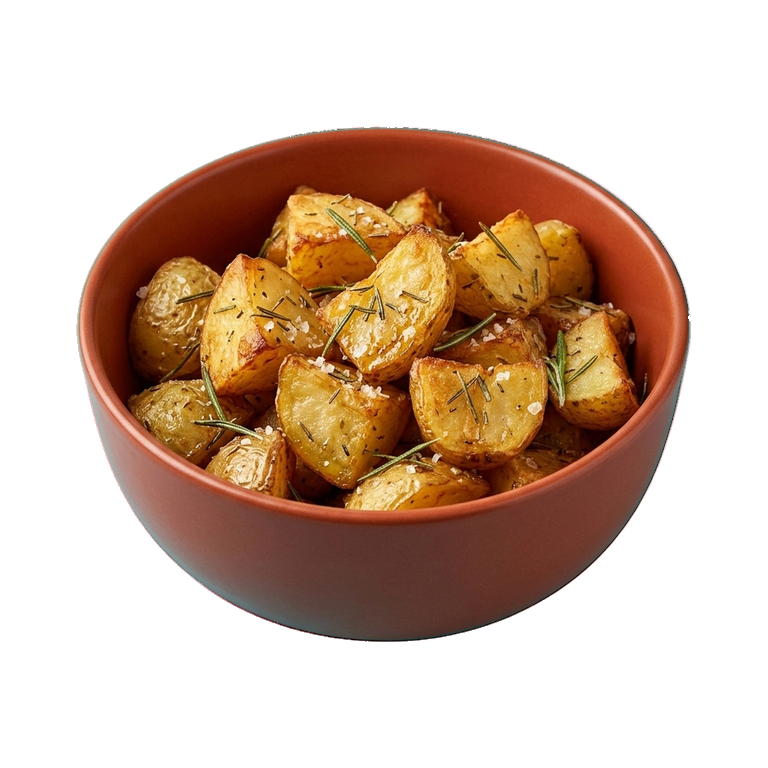
Roasted Potatoes with Rosemary
Crispy roasted potatoes with aromatic rosemary, olive oil and spices. A simple and hearty dish that works perfectly as a side dish or standalone treat.
- 5.1g
- Protein
- 4.1g
- Fat
- 44.6g
- Carbs
229 kcal / for 1 serving (256.5 g)
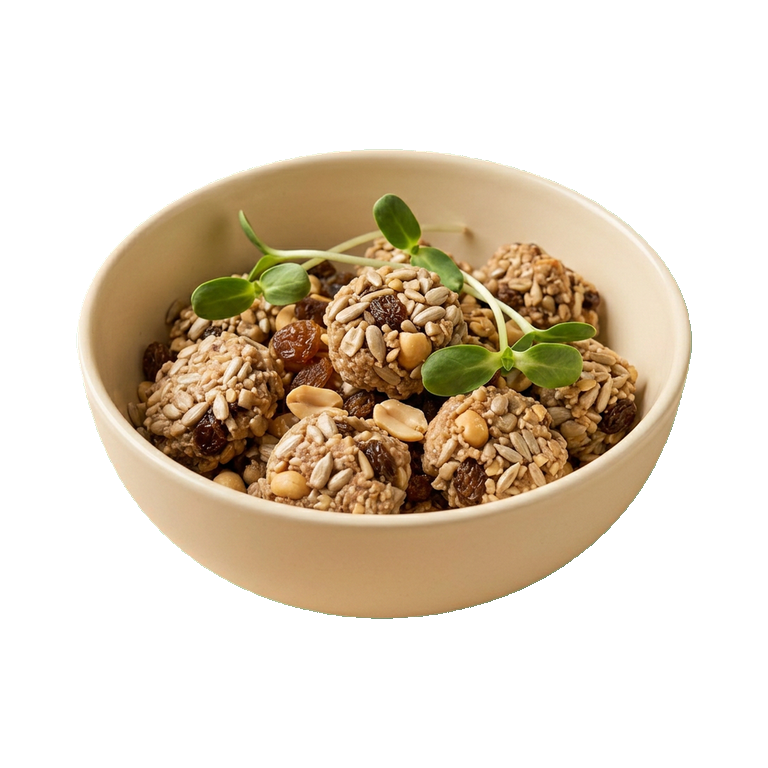
Sunflower Sprouts and Peanut Snacks
Healthy snacks made from sunflower and peanut sprouts with raisins, cinnamon, and vanilla. Prepared by grinding the ingredients and drying at low temperature. Ideal as a snack or breakfast addition.
- 56.6g
- Protein
- 88.9g
- Fat
- 78.2g
- Carbs
1,266 kcal / for 1 serving (524.7 g)
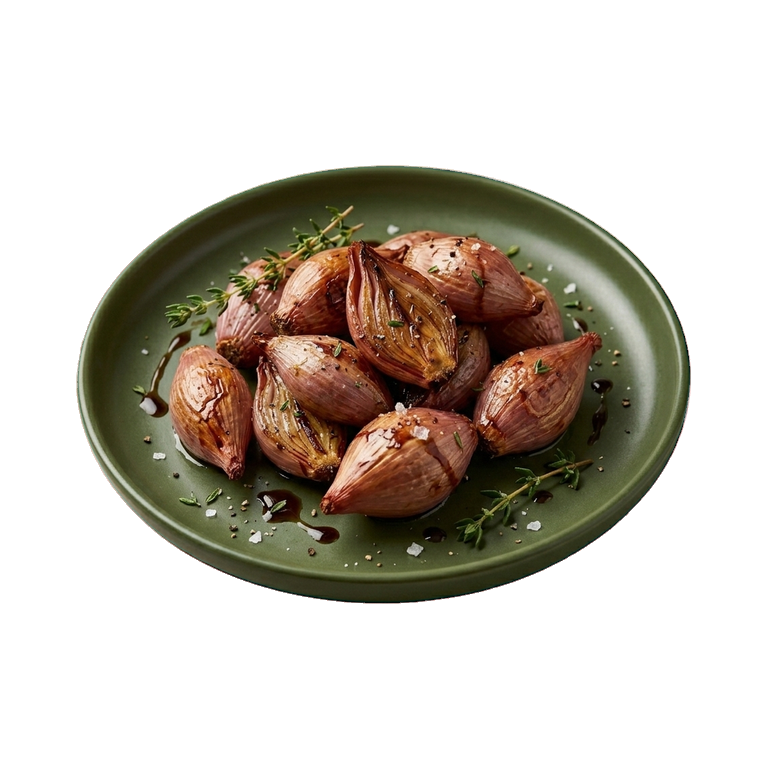
Whole Roasted Shallot
A simple way to cook tender and sweet onions. Baked in their own skin, they acquire a caramel flavor and soft texture. Perfect as a standalone dish or ingredient for sauces and marinades.
- 6.3g
- Protein
- 0.3g
- Fat
- 42g
- Carbs
180 kcal / for 1 serving (251 g)
Read more
Vegan Diet: A Complete Guide to Plant-Based Nutrition
A vegan diet excludes all animal products: meat, fish, poultry, dairy products, eggs, and honey. It is not only a dietary choice, but also an ethical approach to nutrition. With proper planning, a vegan menu provides the body with all necessary nutrients. Special attention is paid to obtaining vitamin B12, iron, and calcium, which are traditionally associated with animal products.
Basic Principles of Vegan Nutrition
The success of a vegan diet depends on the diversity of plant-based protein sources: legumes, nuts, seeds, and grains. Regular consumption of products fortified with vitamin B12 is critical for health. Combine foods for better iron and calcium absorption, for example, pair lentils with tomatoes or cereals with oranges. Ensure sufficient calories and macronutrients to maintain energy, paying attention to seasonal and local plant-based products.
What you can and cannot eat
A vegan diet encourages lentils, chickpeas, beans, tofu, tempeh, nuts, seeds, whole grains, vegetables, and fruits. Use plant-based oils and calcium and B12-enriched products. Limit highly processed vegan substitutes, high-sodium products, and refined carbohydrates. Completely avoid meat, fish, dairy products, eggs, and honey.
Benefits and Features of a Vegan Diet
Vegan nutrition excludes cholesterol of animal origin, which promotes cardiovascular health. High fiber content supports digestion and gut microbiome. Such a diet is usually accompanied by an increase in consumption of vegetables, fruits, and whole grains. However, careful planning is required to obtain all necessary nutrients, especially vitamin B12, iron, and calcium. Iron from plant sources is absorbed worse than from animal sources, so it is important to know about food combinations for complete nutrition.
Before starting a vegan diet, it is recommended to consult with a doctor or nutritionist, especially if you have chronic diseases or plan to follow this diet for a long time. A properly planned vegan diet can be healthy and balanced for people of all ages.
Questions
Short answers to the most common questions about this diet.
