 Usuba
Usuba

Low-carb
A low-carb diet involves reducing the proportion of carbohydrates in your diet to 10–25% of daily energy while increasing the proportion of proteins and fats. This approach helps stabilize blood sugar levels and can promote weight loss by reducing appetite and providing a longer feeling of fullness.
- Protein20–30%
- Fat45–60%
- Carbs10–25%
The diet in numbers
Macros
Most calories come from fat: 45–60%.
Percentages show the share of daily calories from each macronutrient. A range is a corridor, so there is no exact number to hit.
- Protein20–30%
- Fat45–60%
- Carbs10–25%
Calories by meal
The biggest meal is lunch: 40% of daily calories.
This is how daily calories split across breakfast, lunch, and dinner.
- Breakfast25%
- Lunch40%
- Dinner35%
How it works
- 1
Carbohydrates make up 10–25% of daily energy, proteins — 20–30%, fats — 45–60%
- 2
Priority is given to protein products, healthy fats, and low-carb vegetables
- 3
Products with a high glycemic index are excluded or minimized
- 4
Meals are built around meat, fish, eggs, cheese, and non-starchy vegetables
- 5
It is important to drink enough water and monitor electrolyte balance
- 6
Gradual reduction of carbohydrates helps the body adapt
What to eat and what to avoid
Foods to eat
Meat and poultry
- beef
- pork
- lamb
- chicken
- turkey
- duck
Fish and seafood
- salmon
- mackerel
- herring
- cod
- shrimp
- squid
- oysters
Eggs and dairy products
- eggs
- cottage cheese
- cheese
- butter
- plain yogurt
Non-starchy vegetables
- broccoli
- cauliflower
- zucchini
- cucumbers
- tomatoes
- leafy greens
- bell peppers
Fats and oils
- olive oil
- coconut oil
- avocado
- nuts
- seeds
Beverages
- water
- unsweetened tea
- black coffee
- broth
Limit
Fruits
- berries in small amounts
- avocado
- lemon
Dairy products
- cow's milk
- flavored yogurt
- sweet cottage cheese desserts
Alcohol
- dry wine in small amounts
- strong alcohol without sugar
Starchy vegetables
- potatoes
- corn
- carrots
- beets
Avoid
Grains and bread
- bread
- pasta
- rice
- oatmeal
- flour
Sweets and confectionery
- sugar
- candy
- cookies
- cakes
- pastries
- jam
Sugary beverages
- soft drinks
- juices
- compotes
- sweet tea
Semi-finished and processed products
- sausages with additives
- hot dogs
- ready-made sauces
- chips
High-carb fruits
- bananas
- grapes
- mango
- dried fruits
Sample menu for the week
Target 2108 kcal. One cooking session covers 2 days.
5 Oct
2077 of 2108 kcal
Breakfast
546 kcal
- 2 days - 2 serv.Omelet with Tomatoes
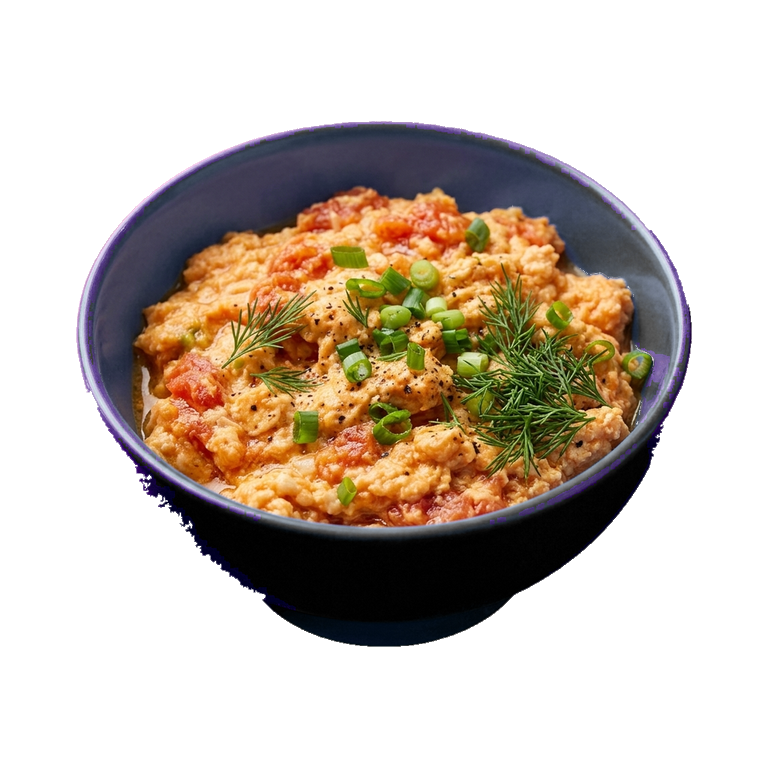 546 kcal
Lunch
930 kcal
- 2 days - 2 serv.Pasta Casserole with Vegetables
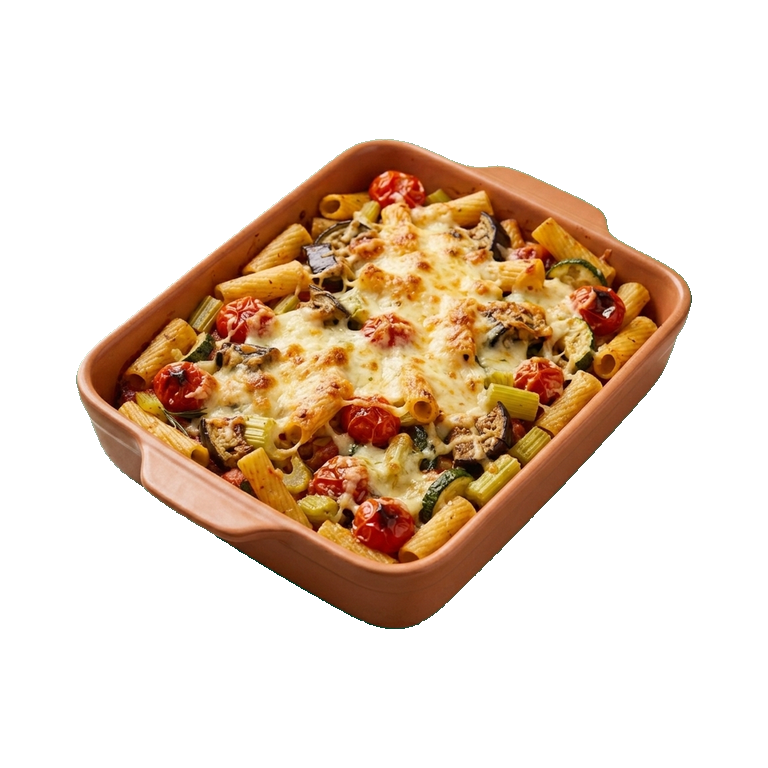 720 kcal
 - 2 days - 2 serv.Chicken Breast and Potato Soup
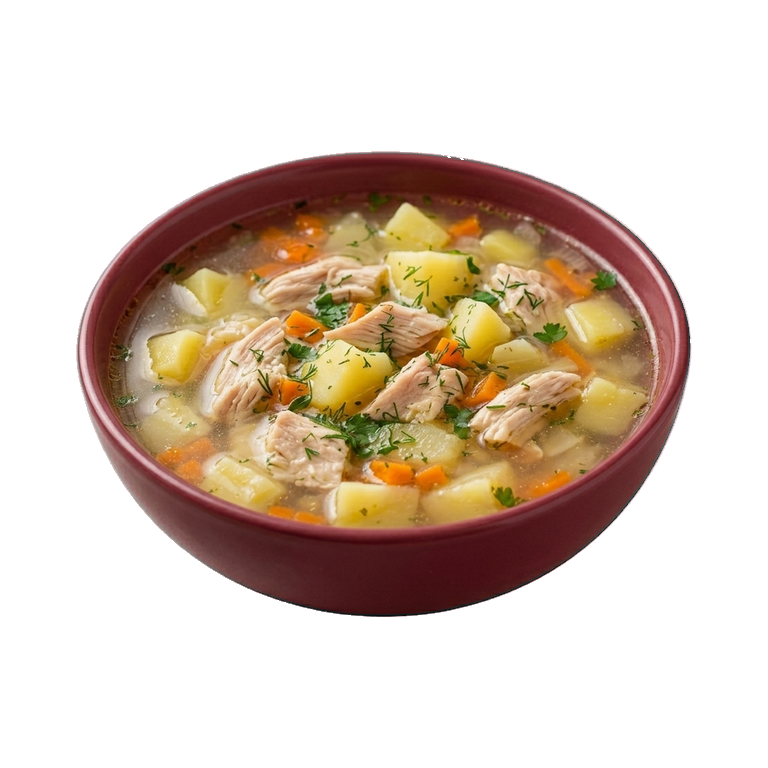 Side210 kcal
Dinner
601 kcal
- 2 days - 2 serv.Frittata with Asparagus, Peas and Mozzarella
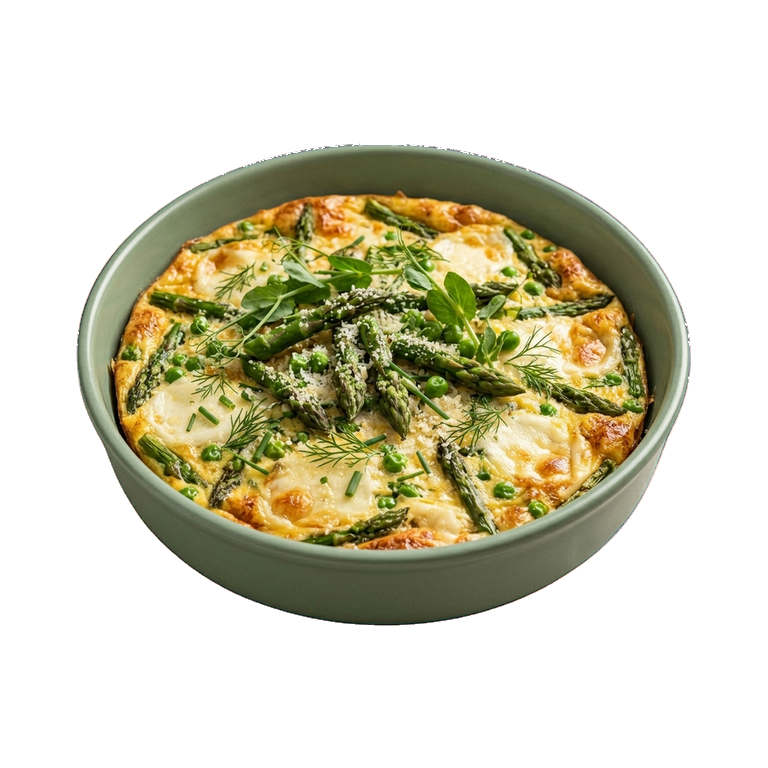 440 kcal
 - 2 days - 2 serv.Roasted Portobello Mushrooms with Garlic and Herbs
 Side161 kcal
6 Oct
2077 of 2108 kcal
Breakfast
546 kcal
- From day 1 batchOmelet with Tomatoes546 kcal
Lunch
930 kcal
- From day 1 batchPasta Casserole with Vegetables720 kcal
- From day 1 batchChicken Breast and Potato SoupSide210 kcal
Dinner
601 kcal
- From day 1 batchFrittata with Asparagus, Peas and Mozzarella440 kcal
- From day 1 batchRoasted Portobello Mushrooms with Garlic and HerbsSide161 kcal
7 Oct
2076 of 2108 kcal
Breakfast
481 kcal
- 2 days - 2 serv.Pancakes with sausage and cheese
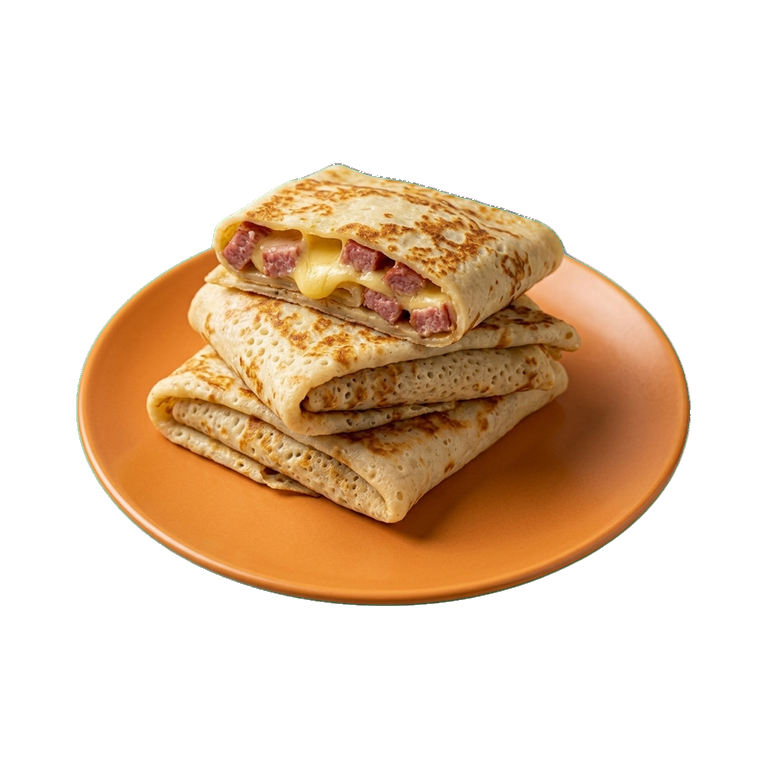 481 kcal
Lunch
846 kcal
- 2 days - 2 serv.Beef Braised with Potatoes in a Cauldron
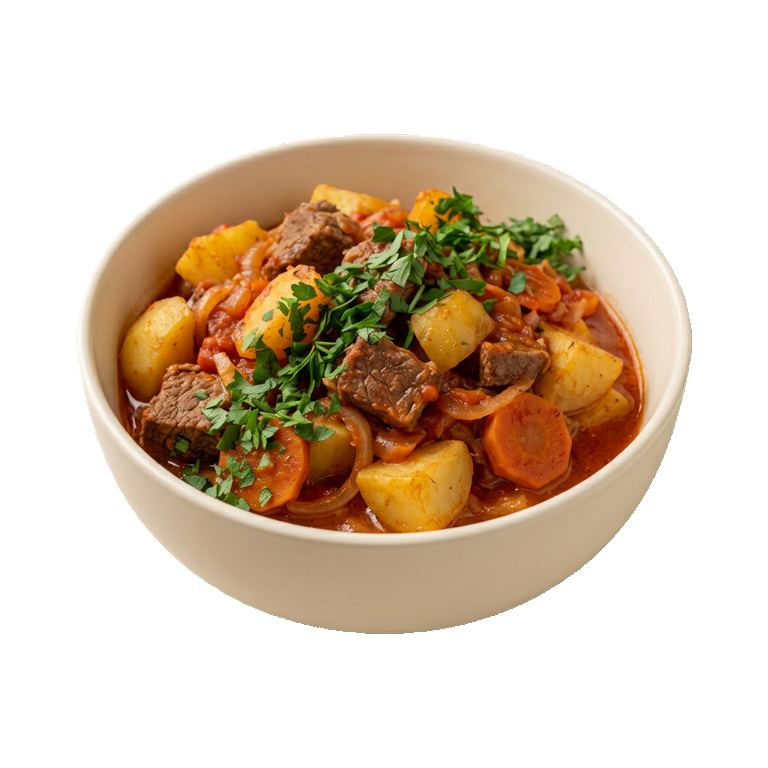 731 kcal
 - 2 days - 2 serv.Meat Broth with Egg
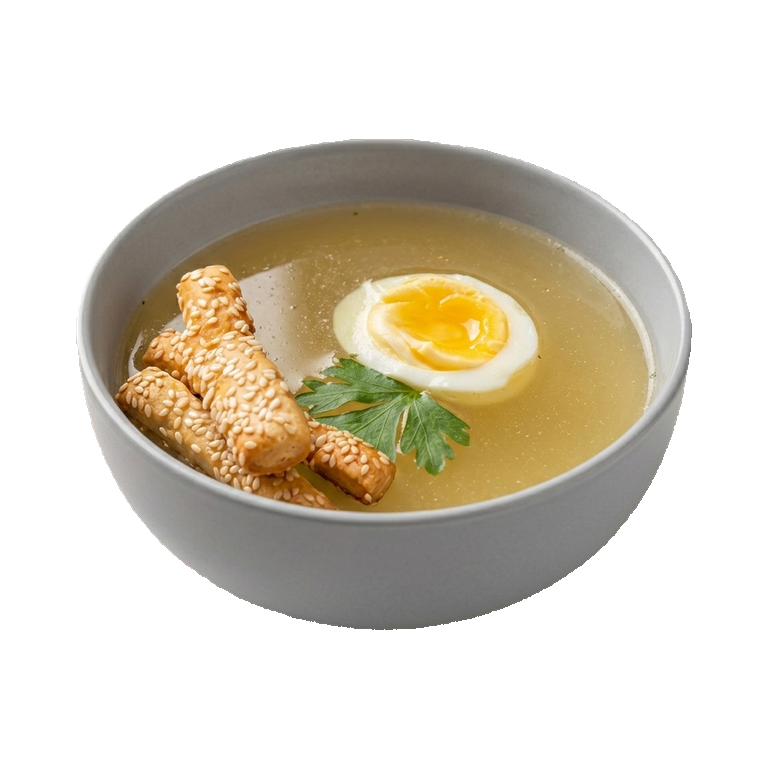 Side115 kcal
Dinner
749 kcal
- 2 days - 2 serv.Shirataki pasta with ground chicken and tomato
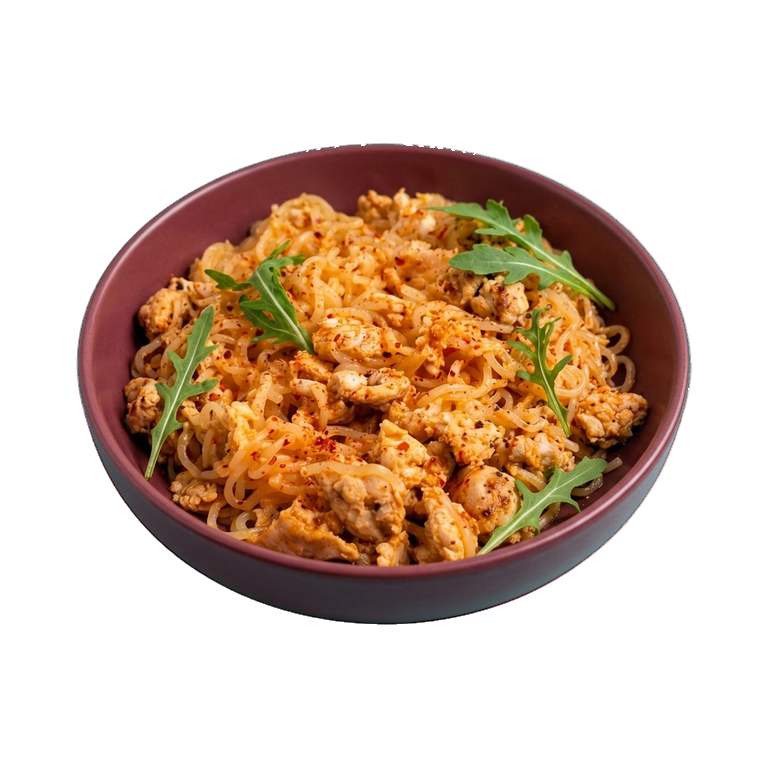 497 kcal
 - 2 days - 2 serv.Eggplants with Sour Cream and Bell Pepper
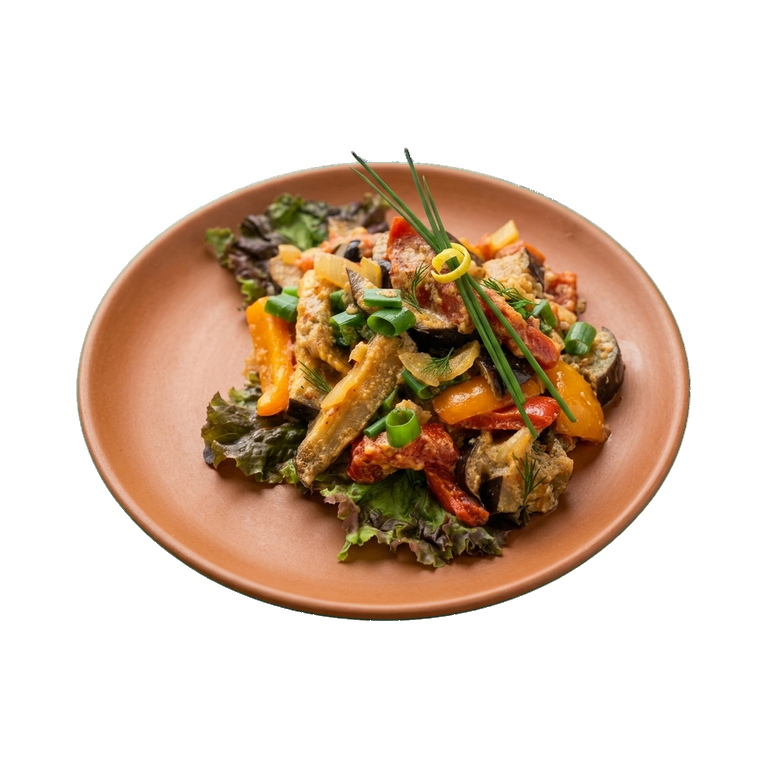 Side252 kcal
8 Oct
2076 of 2108 kcal
Breakfast
481 kcal
- From day 3 batchPancakes with sausage and cheese481 kcal
Lunch
846 kcal
- From day 3 batchBeef Braised with Potatoes in a Cauldron731 kcal
- From day 3 batchMeat Broth with EggSide115 kcal
Dinner
749 kcal
- From day 3 batchShirataki pasta with ground chicken and tomato497 kcal
- From day 3 batchEggplants with Sour Cream and Bell PepperSide252 kcal
9 Oct
1749 of 2108 kcal
Breakfast
440 kcal
- 2 days - 2 serv.Frittata with Asparagus, Peas and Mozzarella440 kcal
Lunch
829 kcal
- 2 days - 2 serv.Mashed Potatoes with Butter
 619 kcal
 - 2 days - 2 serv.Chicken Breast and Potato SoupSide210 kcal
Dinner
480 kcal
- 2 days - 2 serv.Chicken Hearts with Mushrooms in Sour Cream
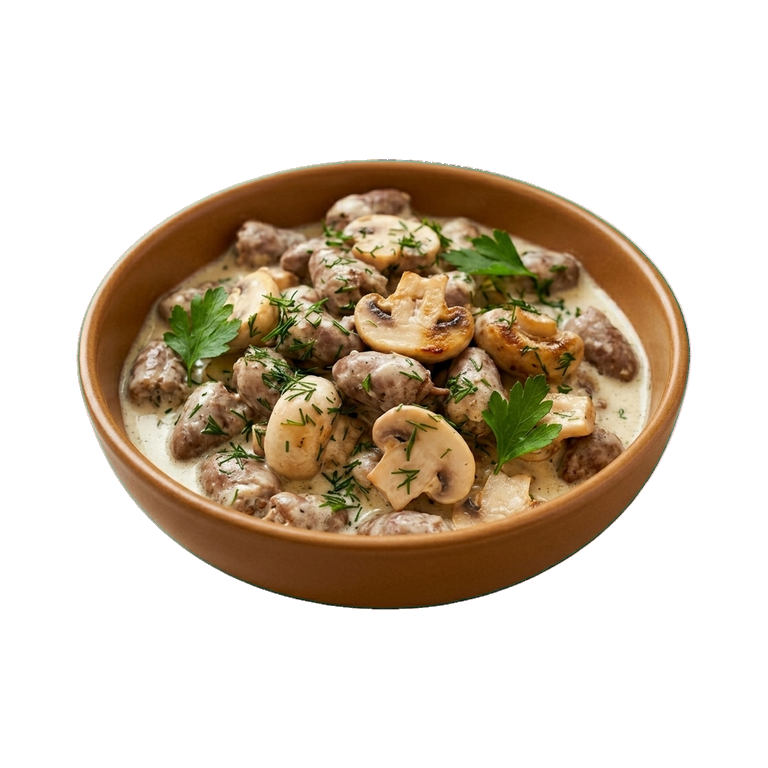 292 kcal
 - 2 days - 2 serv.Brussels Sprouts in Tomato Sour Cream Sauce
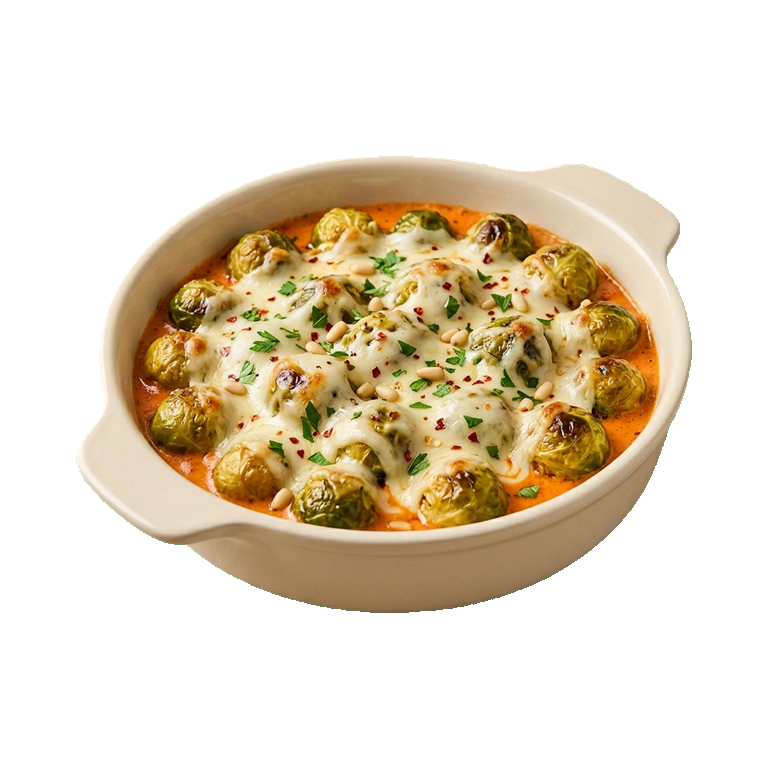 Side188 kcal
10 Oct
1749 of 2108 kcal
Breakfast
440 kcal
- From day 5 batchFrittata with Asparagus, Peas and Mozzarella440 kcal
Lunch
829 kcal
- From day 5 batchMashed Potatoes with Butter619 kcal
- From day 5 batchChicken Breast and Potato SoupSide210 kcal
Dinner
480 kcal
- From day 5 batchChicken Hearts with Mushrooms in Sour Cream292 kcal
- From day 5 batchBrussels Sprouts in Tomato Sour Cream SauceSide188 kcal
11 Oct
1855 of 2108 kcal
Breakfast
532 kcal
- Omelette with butter sausages and tomatoes
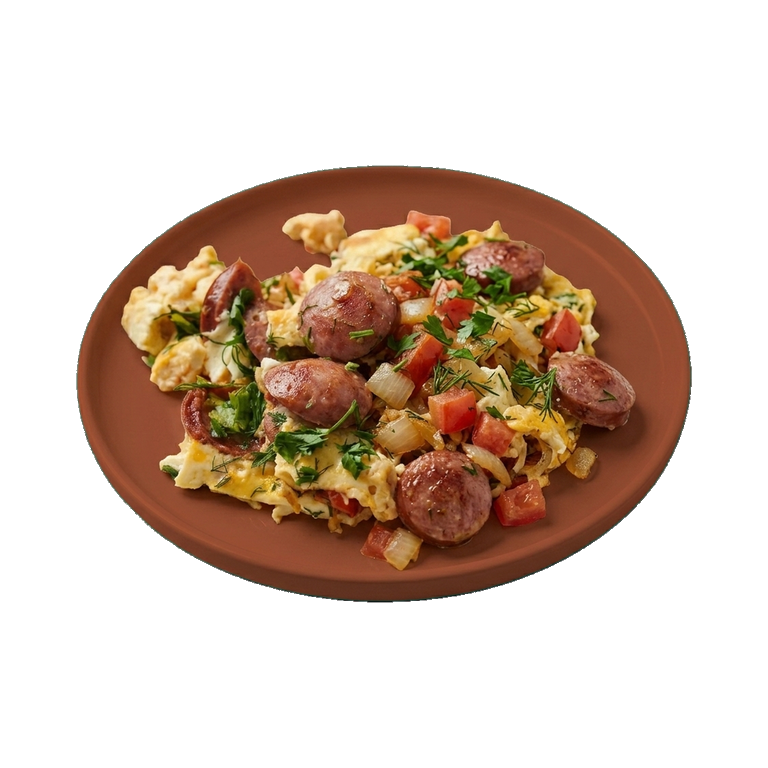 532 kcal
Lunch
624 kcal
- Meat Cutlets with Potatoes
 395 kcal
 - Chicken Soup with Homemade Noodles and Cabbage
 Side229 kcal
Dinner
699 kcal
- Chicken with Prunes in Cream Sauce
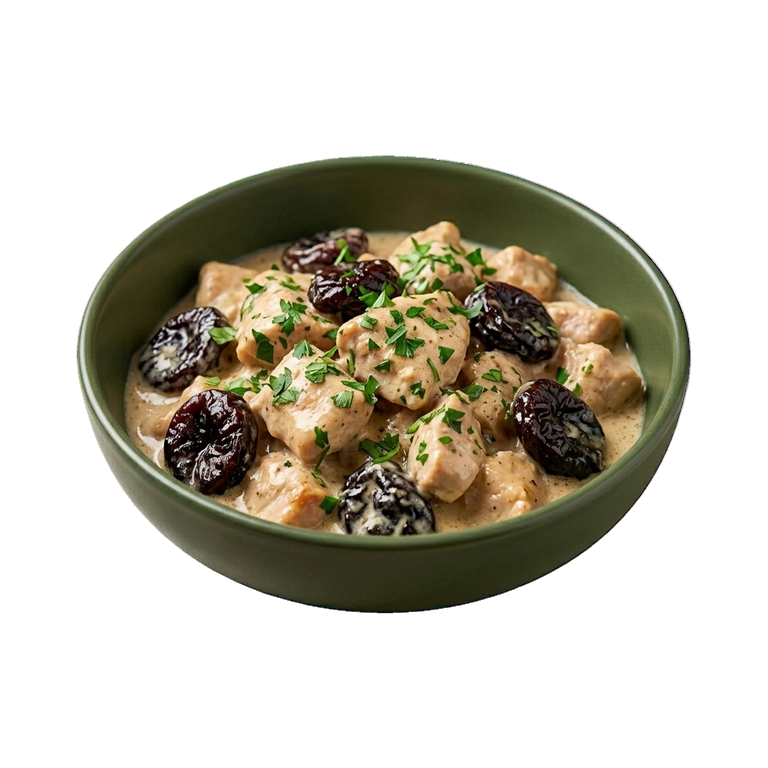 543 kcal
 - Potatoes with Butter in a Slow Cooker
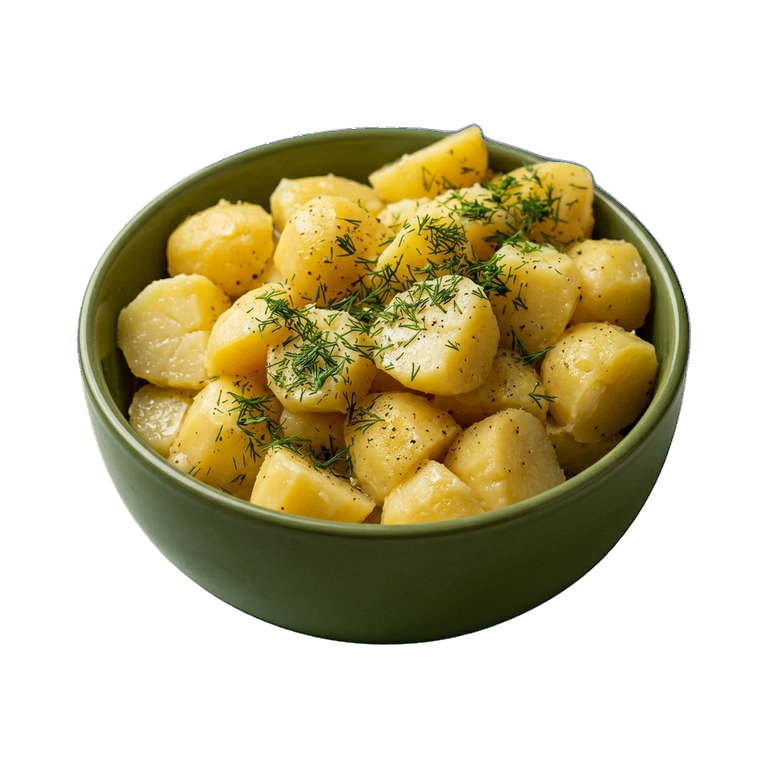 Side156 kcal
Pros and cons
Pros
- Can promote weight loss by reducing appetite
- Helps stabilize blood sugar levels
- Often leads to improved energy and concentration after adaptation
- Can reduce cravings for sweets
- Allows for diverse nutrition with meat, fish, and vegetables
Cons
- First few days may be accompanied by fatigue and headaches
- Requires careful meal planning
- Can be more expensive due to the priority of protein products
- Not suitable for intense sports training without adjustment
- May cause deficiency of certain micronutrients if the diet is not properly balanced
Who it is for
Who it suits
- People aiming for weight loss
- Those experiencing energy fluctuations and hunger throughout the day
- People with elevated blood sugar levels
- Those who prefer meat and fish to plant-based foods
- People engaged in moderate physical activity
Who should skip it
- Athletes requiring high carbohydrate loads before intense training
- People with kidney or liver disease
- Pregnant and nursing women without specialist consultation
- Children and teenagers during active growth periods
- People with eating disorders
Recipes for this diet
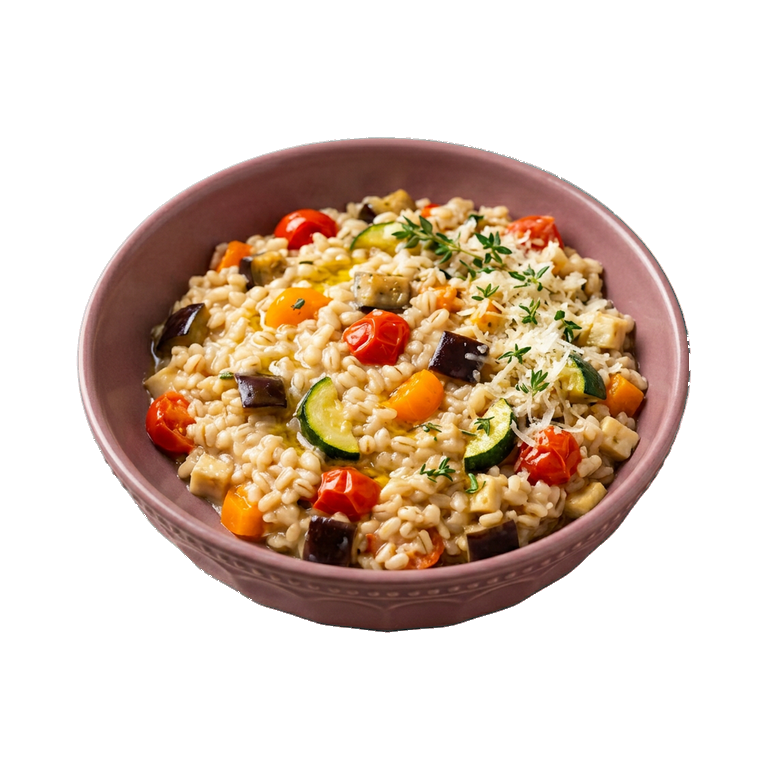
Barley Risotto with Vegetables
A hearty dish made from pearl barley with tomatoes, eggplant, zucchini, and celery root. Prepared like classic risotto — the grain gradually absorbs the broth, becoming soft and creamy. Served hot or cold.
- 10.5g
- Protein
- 12.6g
- Fat
- 54.8g
- Carbs
369 kcal / for 1 serving (564.1 g)
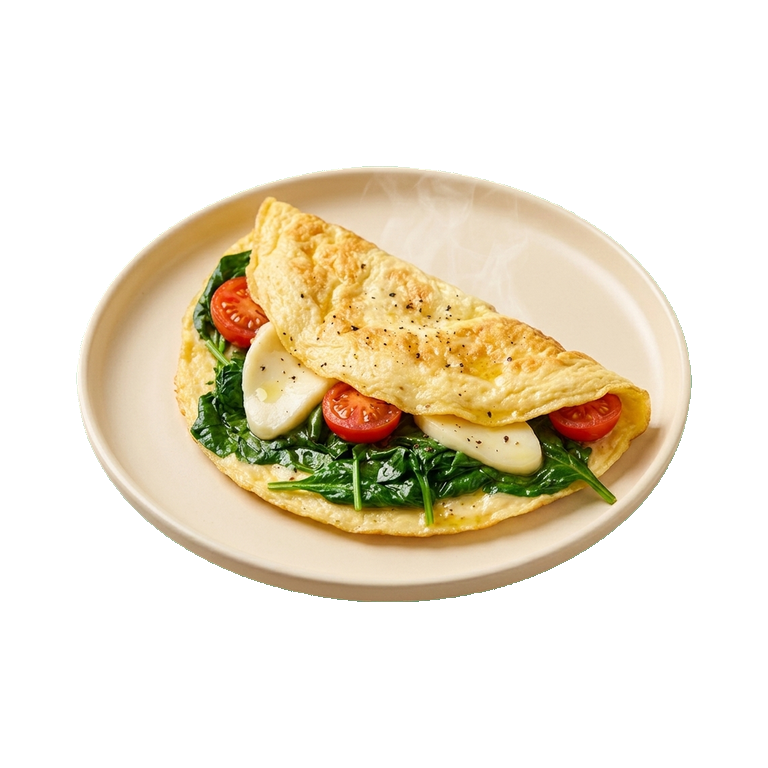
Omelette with Suluguni Cheese and Spinach
Quick omelet with tender spinach, melted cheese, and fresh tomatoes. The dish is prepared in a pan in just a few minutes and is perfect for breakfast or a light lunch.
- 29g
- Protein
- 20.5g
- Fat
- 9.4g
- Carbs
328 kcal / for 1 serving (370 g)
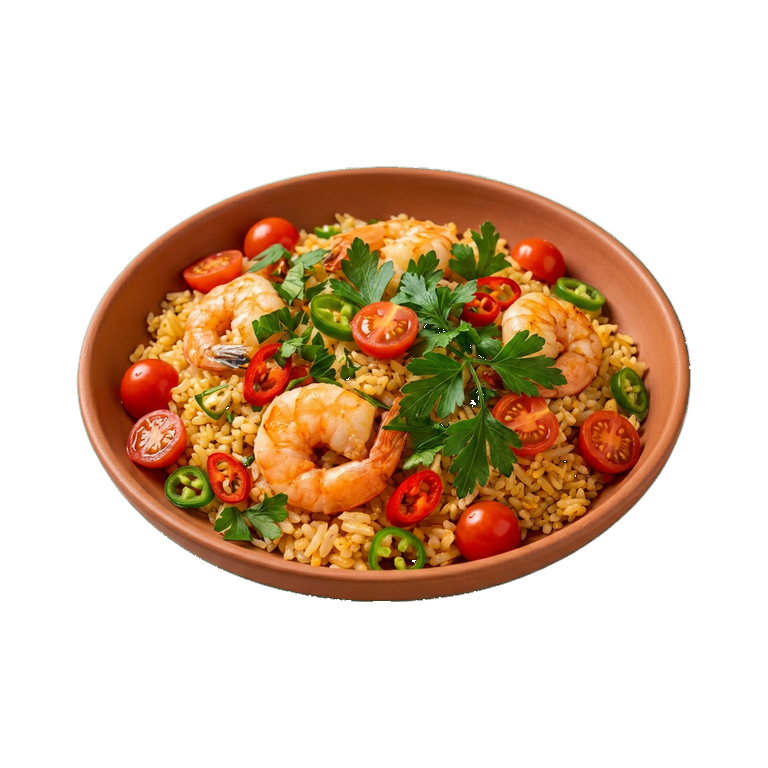
Rice with Shrimp, Tomatoes and Parsley
A quick dish with crispy rice, tender shrimp, and fresh herbs. The rice is fried until golden brown with hot pepper, then garnished with cherry tomatoes and parsley. Perfect for a light dinner or lunch.
- 24.3g
- Protein
- 0.9g
- Fat
- 32.5g
- Carbs
251 kcal / for 1 serving (290 g)
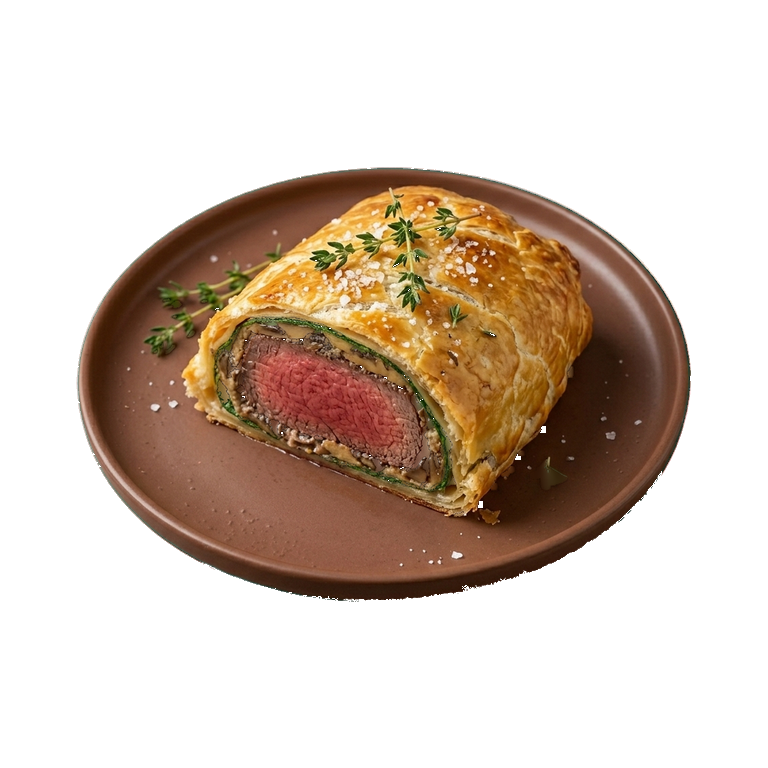
Beef Wellington with Liver Pâté
Festive meat dish in puff pastry with liver pâté, foie gras, and spinach. Tender beef tenderloin wrapped in a crispy crust, perfect for a formal table.
- 44.4g
- Protein
- 35.3g
- Fat
- 34.4g
- Carbs
644 kcal / for 1 serving (370.4 g)
Croutons with Cheese and Fresh Dill
Crispy croutons with a tender center, sprinkled with grated cheese and garnished with fresh dill. A simple and hearty dish that takes just a few minutes to prepare.
- 39.1g
- Protein
- 33.8g
- Fat
- 53.2g
- Carbs
678 kcal / for 1 serving (443 g)
Tartlets with cod liver and egg
Appetizer with canned cod liver, egg and herbs in crispy tartlets. A simple recipe for a festive table or everyday treat.
- 11.2g
- Protein
- 51.9g
- Fat
- 15.4g
- Carbs
579 kcal / for 1 serving (182 g)
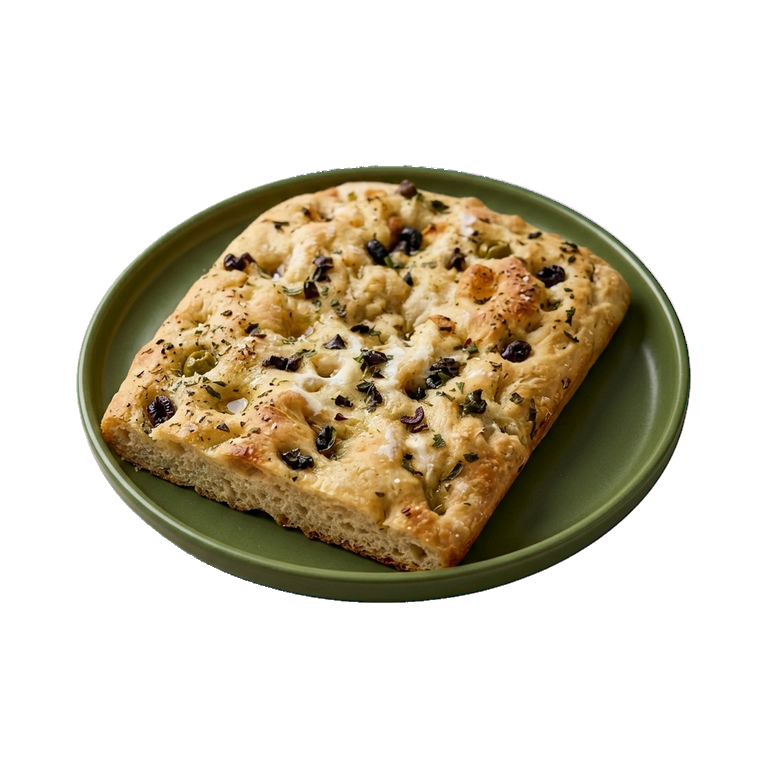
Italian Focaccia with Olives
Fragrant flatbread with a crispy crust, generously brushed with olive oil and decorated with olives, sea salt, and Italian herbs. A simple recipe for home cooking.
- 8.1g
- Protein
- 16g
- Fat
- 51.1g
- Carbs
397 kcal / for 1 serving (109.2 g)
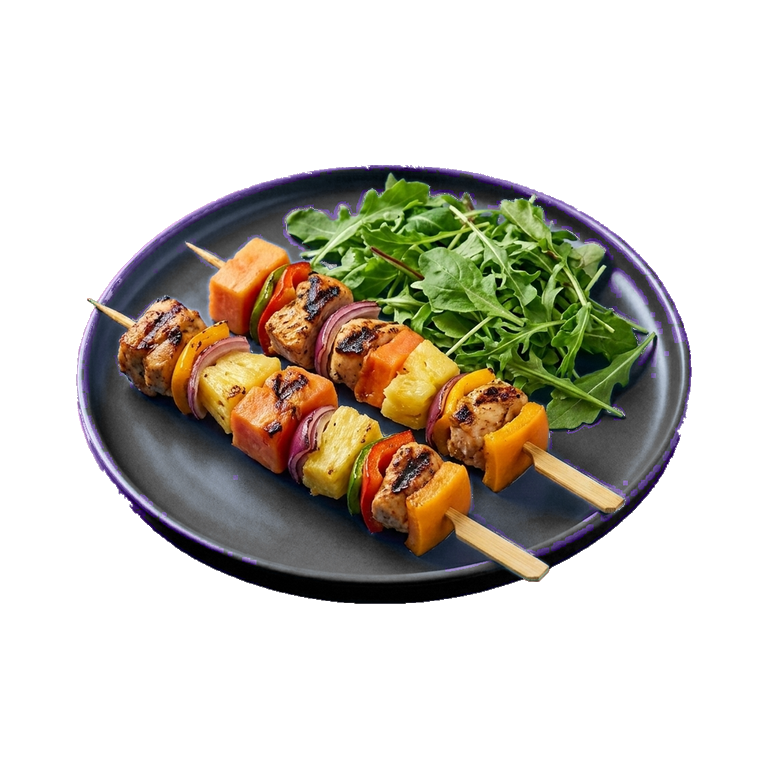
Chicken Skewers with Tropical Fruits
Juicy chicken skewers with papaya, pineapple and grilled vegetables. Chicken is marinated in lemon juice with honey, then threaded onto skewers together with onion, pepper and fruit. Grilled until golden brown.
- 94.1g
- Protein
- 12.5g
- Fat
- 17.8g
- Carbs
578 kcal / for 1 serving (472.9 g)
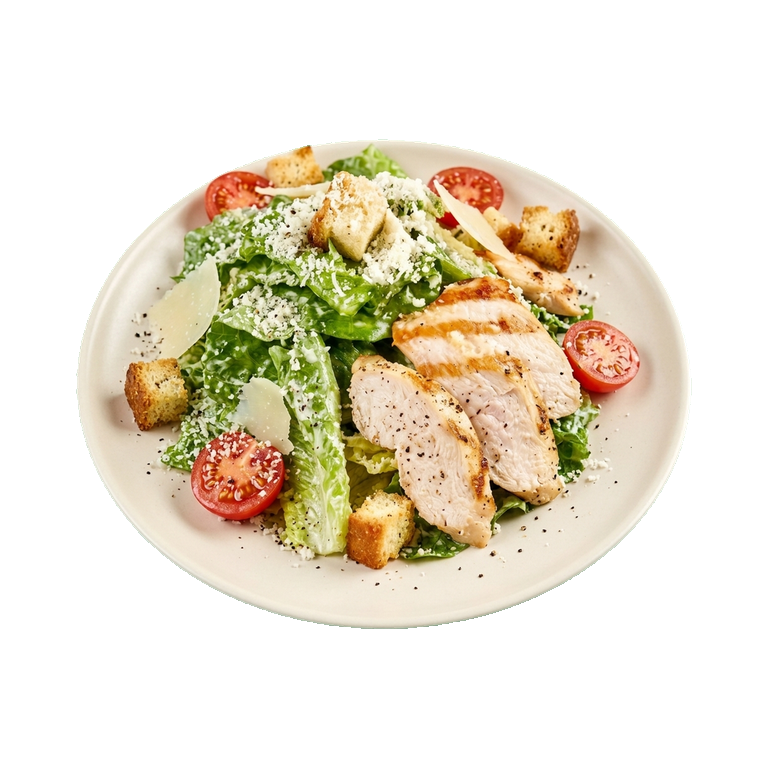
Caesar Salad with Chicken and Parmesan
Classic salad with crispy iceberg lettuce, tender grilled chicken, crunchy croutons, and thin slices of parmesan. Dressed with a piquant Caesar sauce with garlic.
- 71.3g
- Protein
- 34.7g
- Fat
- 29.5g
- Carbs
737 kcal / for 1 serving (381.6 g)
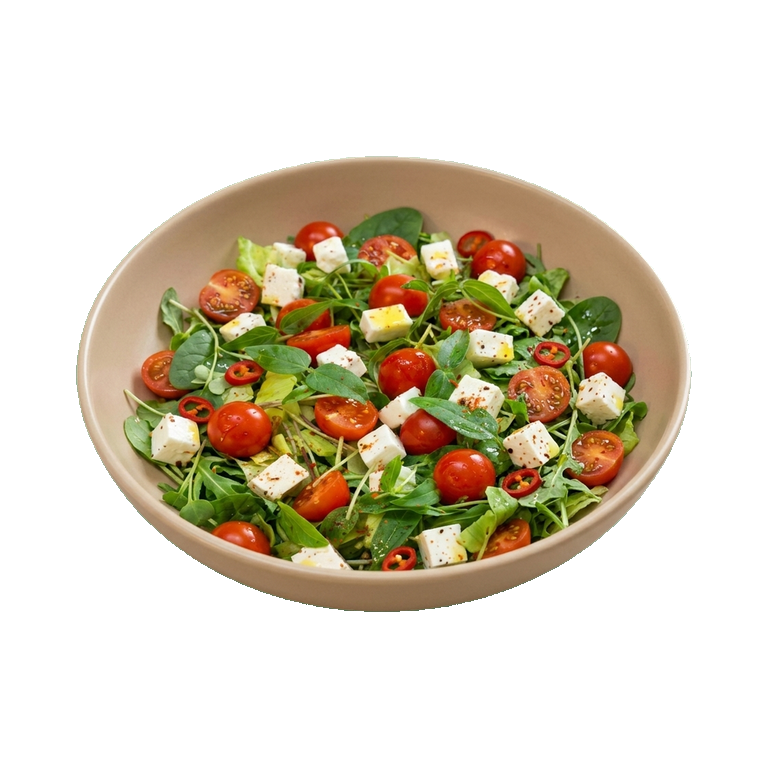
Light Salad with Goat Cheese and Tomatoes
A fresh salad made with tender greens, sweet cherry tomatoes, and creamy goat cheese. A simple dish with bright flavors, dressed with olive oil and seasoned with spicy chili pepper.
- 8.9g
- Protein
- 12.4g
- Fat
- 3.1g
- Carbs
164 kcal / for 1 serving (108 g)
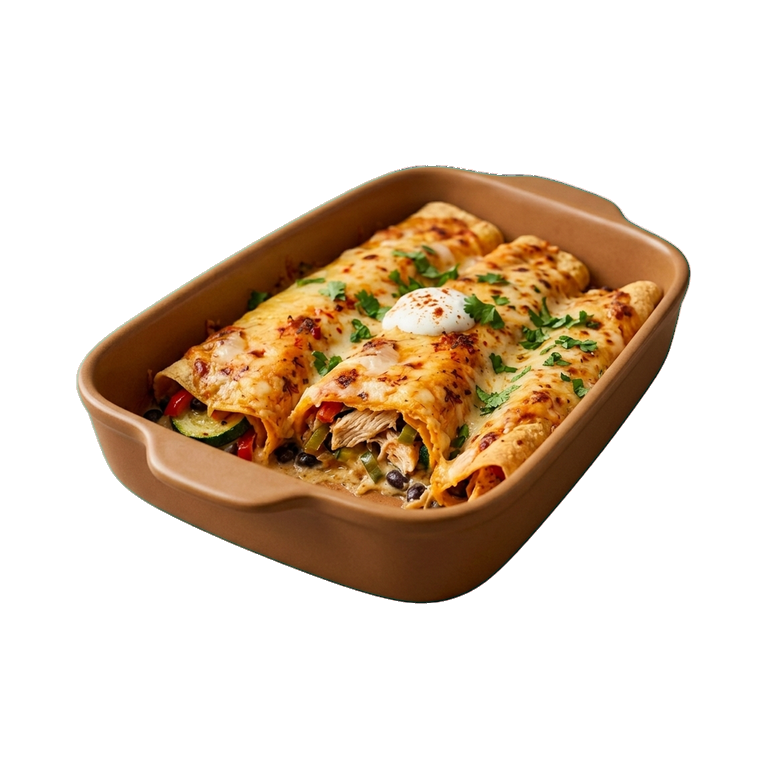
Chicken and Vegetable Enchiladas with Cheese
A Mexican dish made with tortillas and chicken, baked with grilled vegetables, tomato sauce, and cream cheese. You can use any ready-made chicken — grilled, boiled, or smoked.
- 40.5g
- Protein
- 48.4g
- Fat
- 64.7g
- Carbs
849 kcal / for 1 serving (651.1 g)
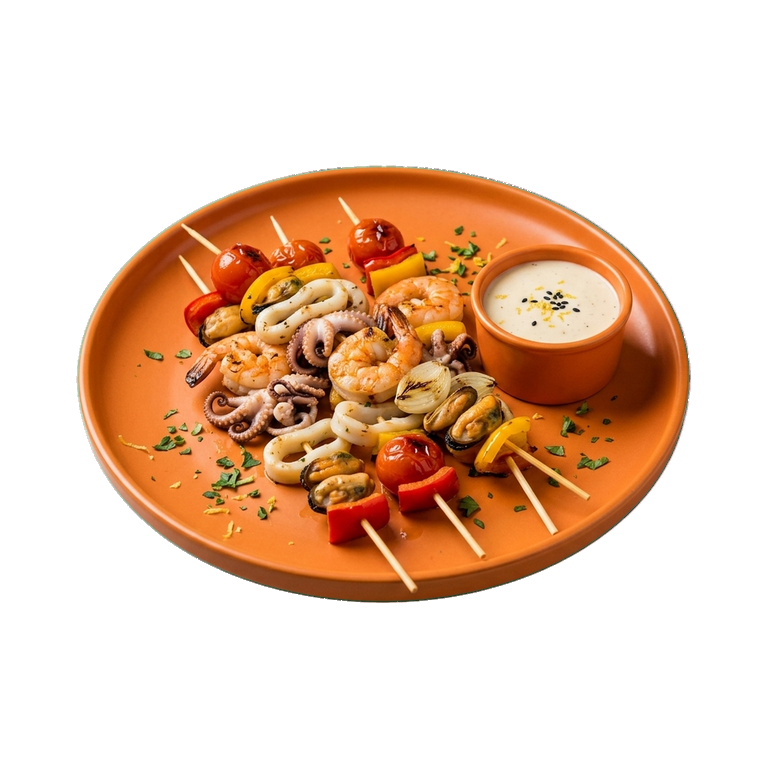
Seafood Skewers
Skewers of squid, shrimp, octopus and mussels with Asian sauce. Seafood is marinated in soy sauce, threaded onto skewers and seared in butter. Served with a sauce made from mayonnaise, soy sauce and lemon.
- 297.2g
- Protein
- 17.2g
- Fat
- 1g
- Carbs
1,544 kcal / for 1 serving (1,646.6 g)


Read more
Low-Carb Diet
A low-carbohydrate diet involves reducing the proportion of carbohydrates in the diet to 10–25% of daily energy intake while increasing the proportion of proteins and fats. This approach helps stabilize blood sugar levels and can promote weight loss by reducing appetite and providing a longer-lasting feeling of fullness.
Basic Nutrition Principles
In a low-carbohydrate diet, carbohydrates make up 10–25% of daily energy, proteins — 20–30%, and fats — 45–60%. Priority is given to protein products, healthy fats, and low-carbohydrate vegetables. Meals are built on the basis of meat, fish, eggs, cheese, and non-starchy vegetables. Products with a high glycemic index are excluded or minimized. It is important to drink enough water and monitor electrolyte balance.
What you can and cannot eat
Allowed products include meat, poultry, fish, seafood, eggs, cottage cheese, cheese, butter, plain yogurt, broccoli, cauliflower, zucchini, cucumbers, tomatoes, leafy greens, bell peppers, olive oil, coconut oil, avocado, nuts and seeds. Excluded are bread, pasta, rice, sugar, candy, cookies, cakes, carbonated drinks, juices, bananas, grapes, mango, dried fruits, potatoes, corn and processed foods with additives.
Benefits and Features of Adaptation
A low-carb diet can promote weight loss by reducing appetite, helps stabilize blood sugar levels, and often leads to improved energy and concentration after adaptation. In the first few days, fatigue, headaches, and irritability are possible — these are temporary phenomena associated with the body's adaptation. They usually pass within a week. Gradual carbohydrate reduction helps the body adapt more smoothly.
Low-carbohydrate nutrition is suitable for people seeking weight reduction, those experiencing energy and hunger fluctuations throughout the day, people with elevated blood sugar levels, those who prefer meat and fish to plant-based foods, and people engaged in moderate physical activity. However, this diet is not recommended for athletes requiring high carbohydrate loads before intense training, people with kidney or liver disease, pregnant and nursing women without specialist consultation, children and adolescents during active growth periods, as well as people with eating disorders.
Questions
Short answers to the most common questions about this diet.
