 Usuba
Usuba

High-protein
A high-protein diet involves increasing the share of protein in your diet to 25–35% of daily energy intake. This approach helps maintain a feeling of fullness longer, supports muscle mass, and accelerates metabolism. Fats make up 20–35% of energy, carbohydrates — 30–50%.
- Protein25–35%
- Fat20–35%
- Carbs30–50%
The diet in numbers
Macros
Most calories come from carbs: 30–50%.
Percentages show the share of daily calories from each macronutrient. A range is a corridor, so there is no exact number to hit.
- Protein25–35%
- Fat20–35%
- Carbs30–50%
Calories by meal
The biggest meal is lunch: 40% of daily calories.
This is how daily calories split across breakfast, lunch, and dinner.
- Breakfast25%
- Lunch40%
- Dinner35%
How it works
- 1
Include a protein source in each meal
- 2
Alternate between animal and plant-based proteins
- 3
Choose lean and medium-fat protein sources
- 4
Drink enough water for normal digestion
- 5
Distribute protein evenly throughout the day
- 6
Combine proteins with vegetables and whole-grain products
What to eat and what to avoid
Foods to eat
Meat and Poultry
- chicken breast
- turkey
- lean beef
- rabbit
Fish and Seafood
- salmon
- cod
- pollock
- shrimp
- squid
Eggs and Dairy Products
- eggs
- cottage cheese
- plain yogurt
- hard cheese
- milk
Plant-Based Proteins
- lentils
- chickpeas
- beans
- tofu
- soy milk
Vegetables
- broccoli
- spinach
- tomatoes
- bell pepper
- carrots
Cereals and Bread
- oatmeal
- buckwheat
- brown rice
- whole-grain bread
Limit
Fats
- butter
- vegetable oil
- sour cream
- heavy cream
Carbohydrates
- white bread
- pasta from soft wheat
- sweet drinks
Processed Foods
- sausages
- smoked meat
- canned goods with additives
Avoid
Fatty Meat
- fatty pork
- duck
- goose
- lard
Sweets and Baked Goods
- cakes
- cookies
- candy
- pastries
- buns
Fast Food
- burgers
- pizza
- fried chicken
- french fries
Alcohol and Sweet Drinks
- beer
- sweet soda
- energy drinks
Sample menu for the week
Target 2108 kcal. One cooking session covers 3 days.
5 Oct
1715 of 2108 kcal
Breakfast
459 kcal
- 3 days - 3 serv.Pancakes on Buttermilk Without Eggs
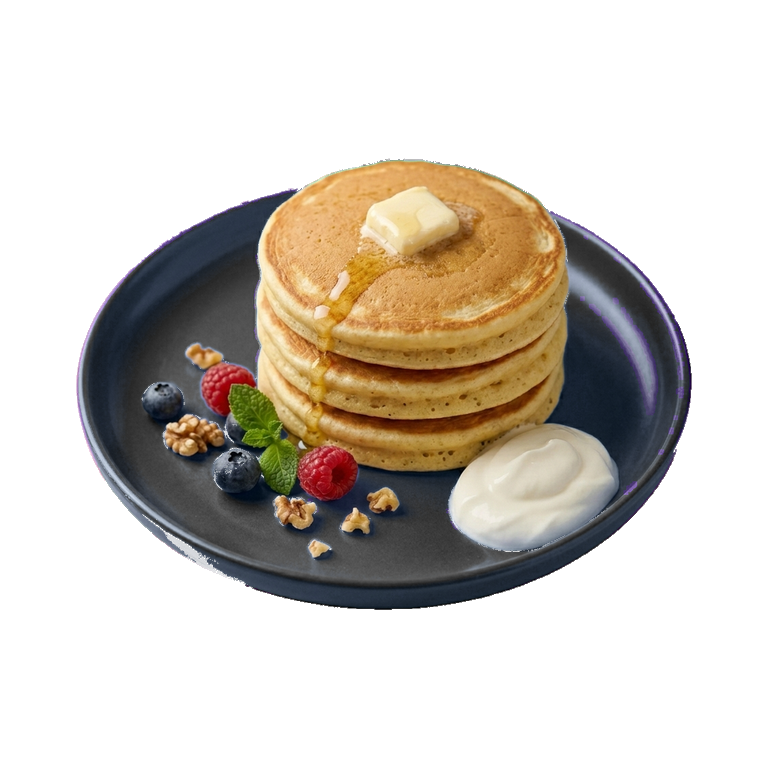 459 kcal
Lunch
564 kcal
- 3 days - 3 serv.Chicken Fillet with Mushrooms in Cream Sauce
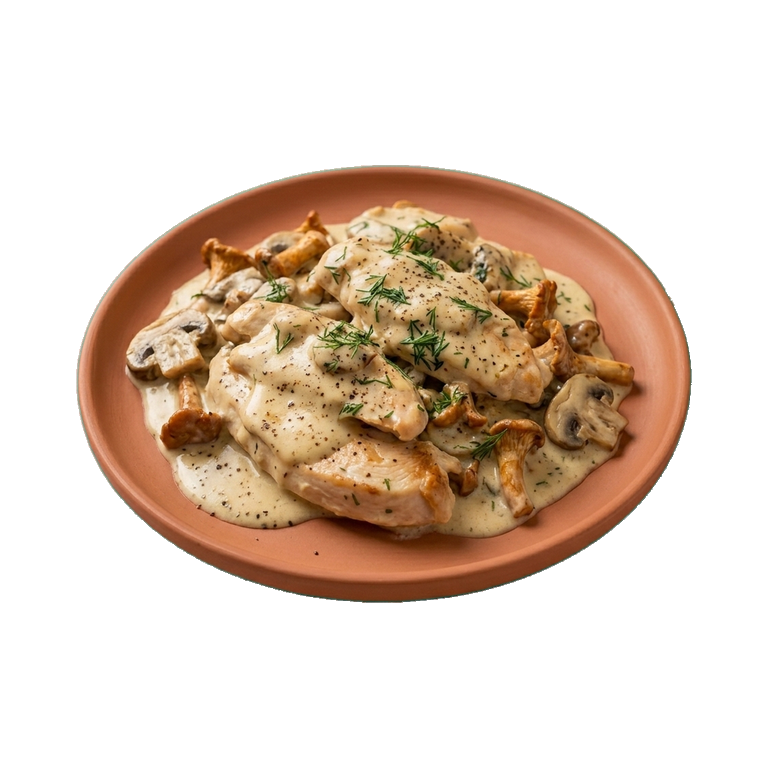 329 kcal
 - 3 days - 3 serv.Sorrel Soup with Beef in a Slow Cooker
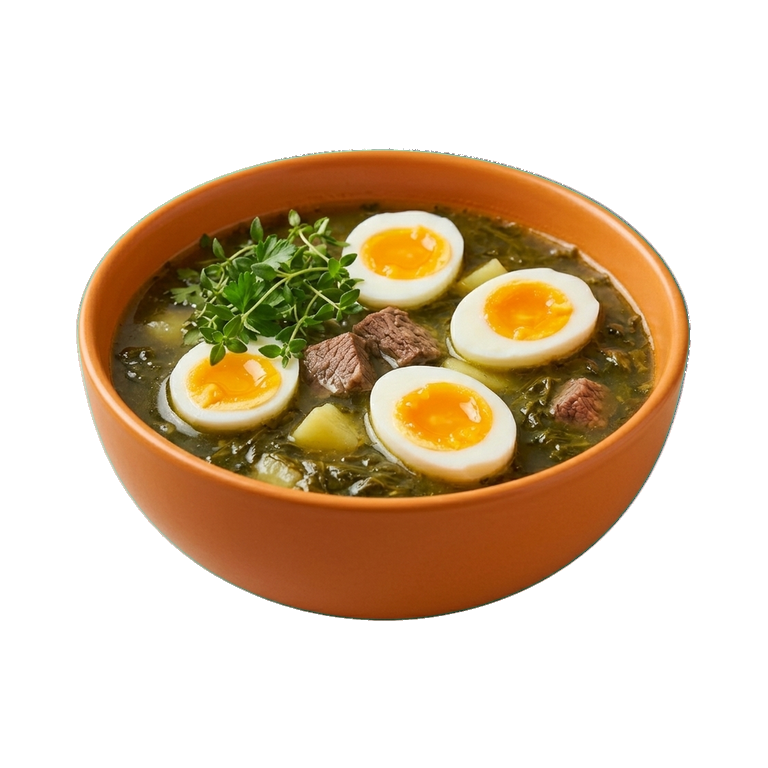 Side235 kcal
Dinner
692 kcal
- 3 days - 3 serv.Potato Waffles with Mushrooms and Cheese
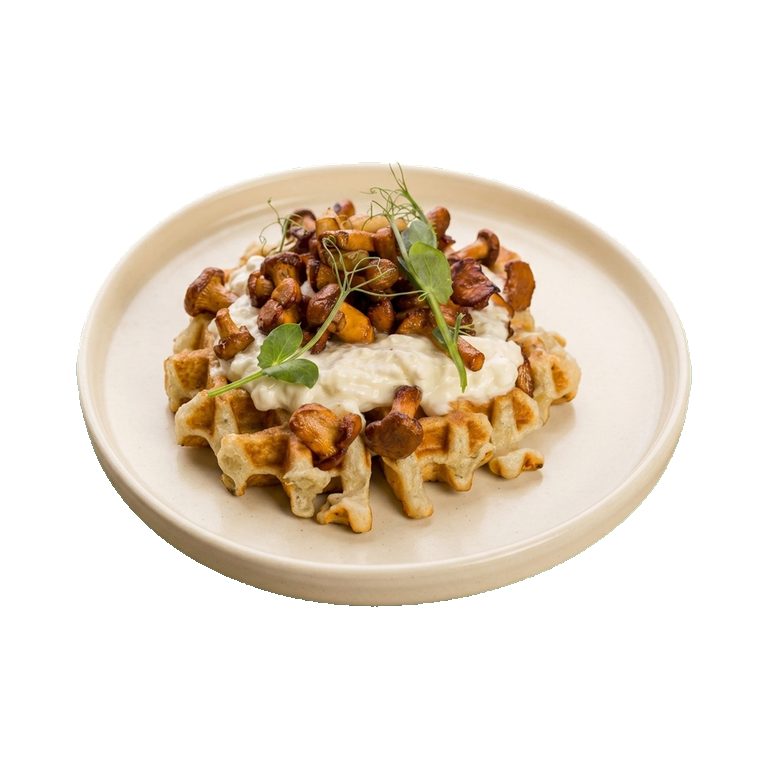 590 kcal
 - 3 days - 3 serv.Stewed Cabbage with Mushrooms
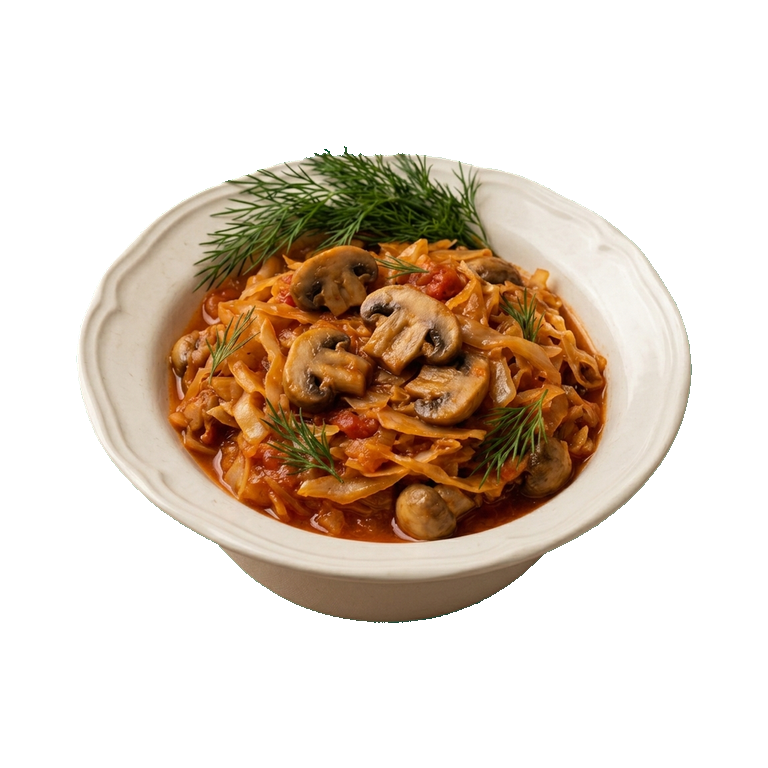 Side102 kcal
6 Oct
1715 of 2108 kcal
Breakfast
459 kcal
- From day 1 batchPancakes on Buttermilk Without Eggs459 kcal
Lunch
564 kcal
- From day 1 batchChicken Fillet with Mushrooms in Cream Sauce329 kcal
- From day 1 batchSorrel Soup with Beef in a Slow CookerSide235 kcal
Dinner
692 kcal
- From day 1 batchPotato Waffles with Mushrooms and Cheese590 kcal
- From day 1 batchStewed Cabbage with MushroomsSide102 kcal
7 Oct
1715 of 2108 kcal
Breakfast
459 kcal
- From day 1 batchPancakes on Buttermilk Without Eggs459 kcal
Lunch
564 kcal
- From day 1 batchChicken Fillet with Mushrooms in Cream Sauce329 kcal
- From day 1 batchSorrel Soup with Beef in a Slow CookerSide235 kcal
Dinner
692 kcal
- From day 1 batchPotato Waffles with Mushrooms and Cheese590 kcal
- From day 1 batchStewed Cabbage with MushroomsSide102 kcal
8 Oct
1941 of 2108 kcal
Breakfast
620 kcal
- 3 days - 3 serv.Tender pancakes on buttermilk with whipped egg whites
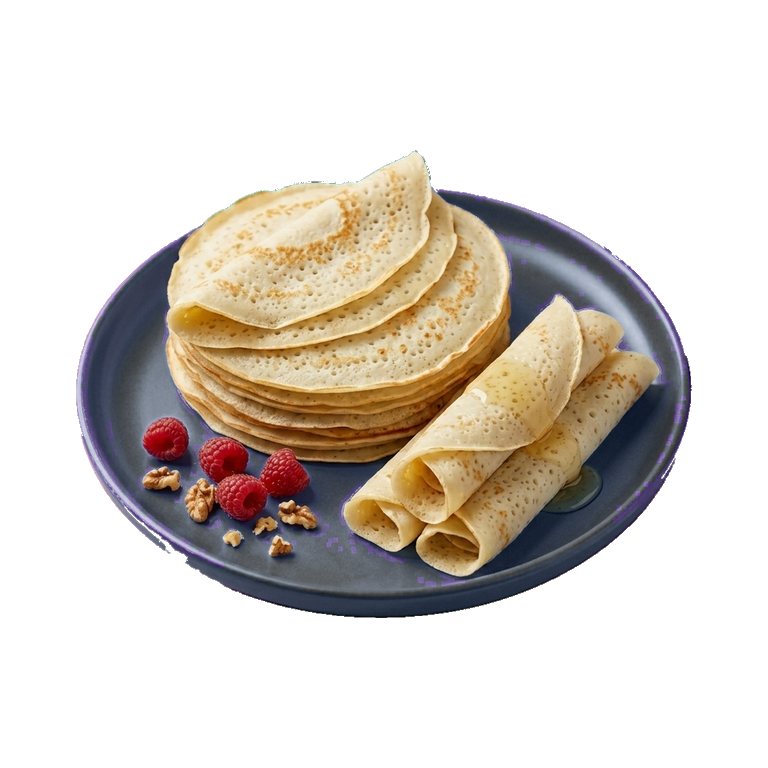 620 kcal
Lunch
587 kcal
- 3 days - 3 serv.Baked Fish with Potatoes
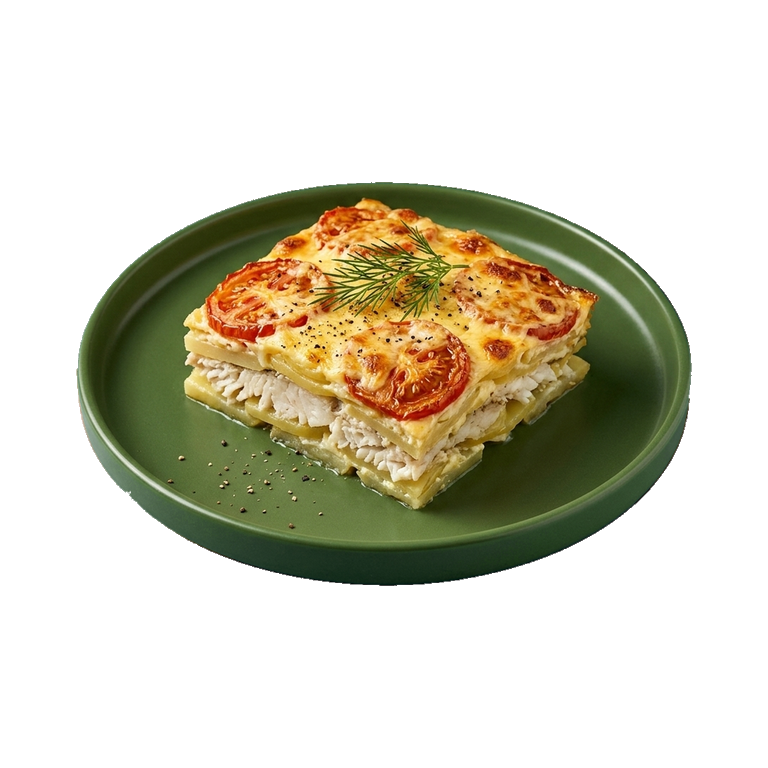 284 kcal
 - 3 days - 3 serv.Chicken Meatball and Barley Soup
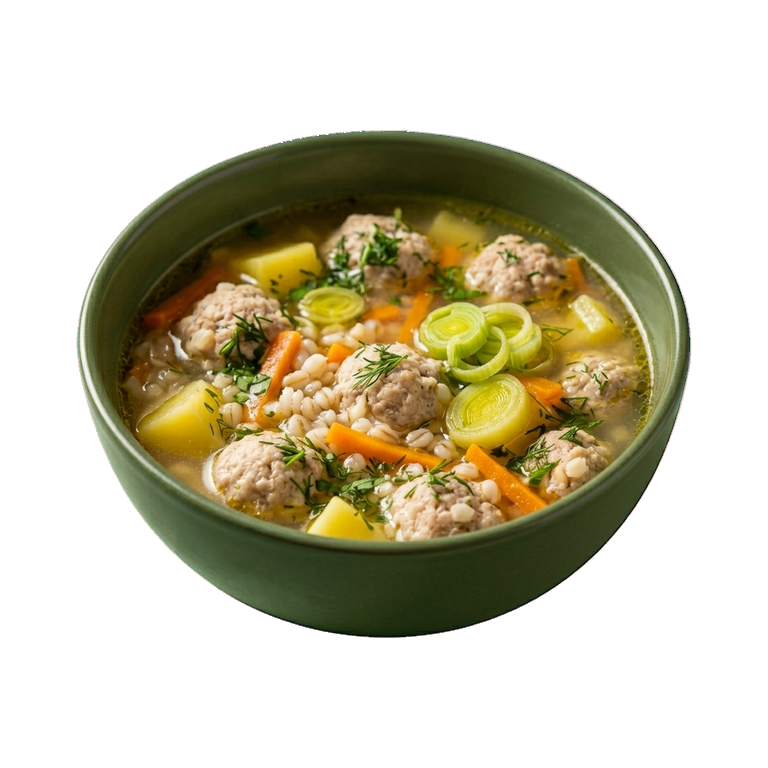 Side303 kcal
Dinner
734 kcal
- 3 days - 3 serv.Breaded Meat Patties
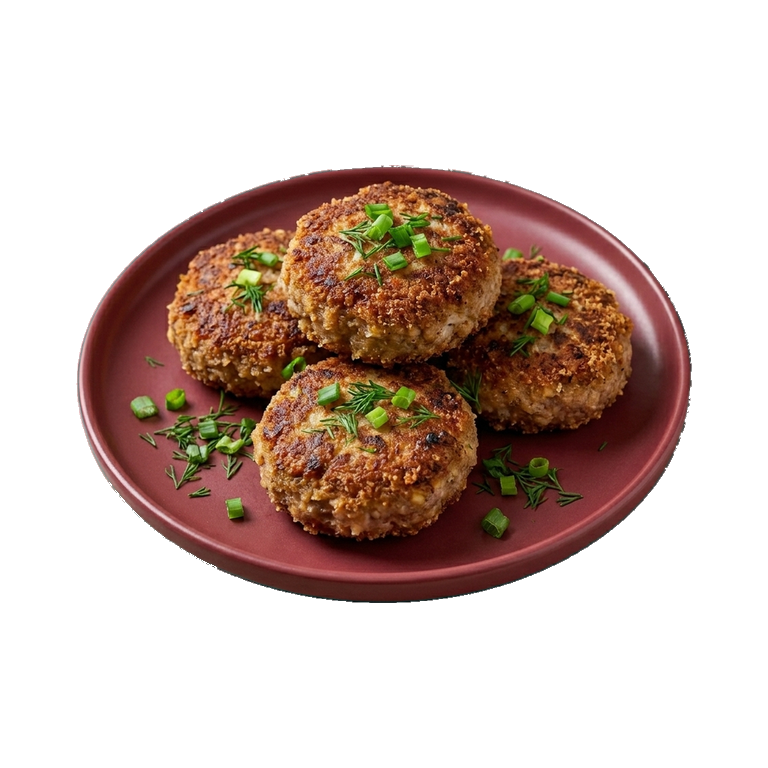 547 kcal
 - 3 days - 3 serv.Mashed potatoes with egg and milk
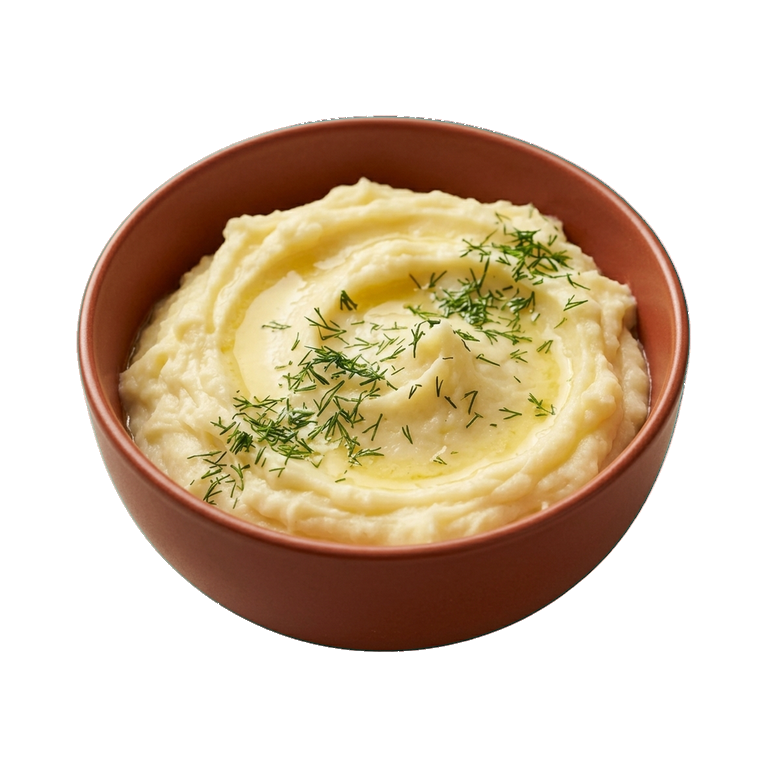 Side187 kcal
9 Oct
1941 of 2108 kcal
Breakfast
620 kcal
- From day 4 batchTender pancakes on buttermilk with whipped egg whites620 kcal
Lunch
587 kcal
- From day 4 batchBaked Fish with Potatoes284 kcal
- From day 4 batchChicken Meatball and Barley SoupSide303 kcal
Dinner
734 kcal
- From day 4 batchBreaded Meat Patties547 kcal
- From day 4 batchMashed potatoes with egg and milkSide187 kcal
10 Oct
1941 of 2108 kcal
Breakfast
620 kcal
- From day 4 batchTender pancakes on buttermilk with whipped egg whites620 kcal
Lunch
587 kcal
- From day 4 batchBaked Fish with Potatoes284 kcal
- From day 4 batchChicken Meatball and Barley SoupSide303 kcal
Dinner
734 kcal
- From day 4 batchBreaded Meat Patties547 kcal
- From day 4 batchMashed potatoes with egg and milkSide187 kcal
11 Oct
1934 of 2108 kcal
Breakfast
487 kcal
- Oatmeal Pancakes with Blueberries
 487 kcal
Lunch
683 kcal
- Pan-fried Potatoes with Cabbage
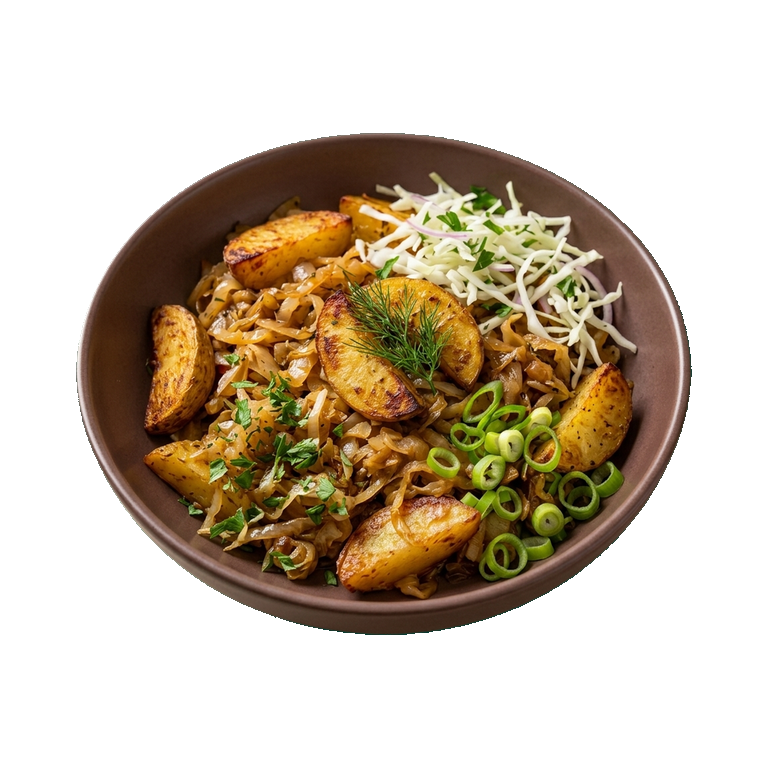 462 kcal
 - Shchi with Sauerkraut on Chicken Broth
 Side221 kcal
Dinner
764 kcal
- Baked Fish Fillet with Mushrooms and Potatoes
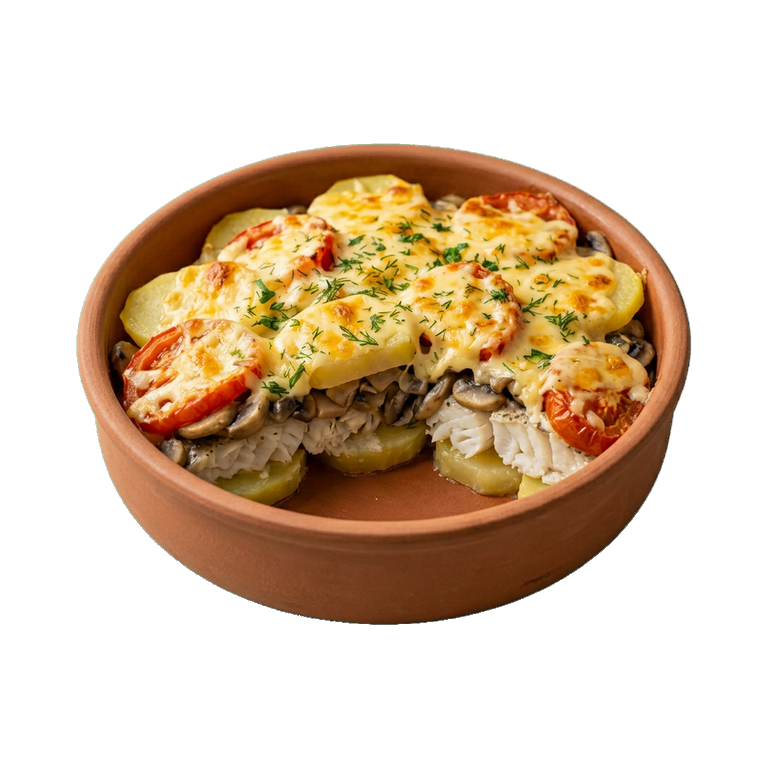 522 kcal
 - Layered Tuna, Rice and Egg Salad
 Side242 kcal
Pros and cons
Pros
- Helps feel full longer and control appetite
- Supports muscle mass during physical activity
- Accelerates metabolism and energy expenditure at rest
- Stabilizes blood sugar levels
- Suitable for active people and athletes
Cons
- Requires careful selection of protein sources
- Quality protein products can be expensive
- Need to monitor hydration
- Not recommended for certain kidney diseases
Who it is for
Who it suits
- People engaged in strength training
- Those who want to lose weight without losing muscle mass
- Active people with high energy expenditure
- People aiming to improve body composition
Who should skip it
- People with chronic kidney disease
- Those with digestive problems
- People with allergies to protein products
- Pregnant and nursing women without specialist consultation
Recipes for this diet
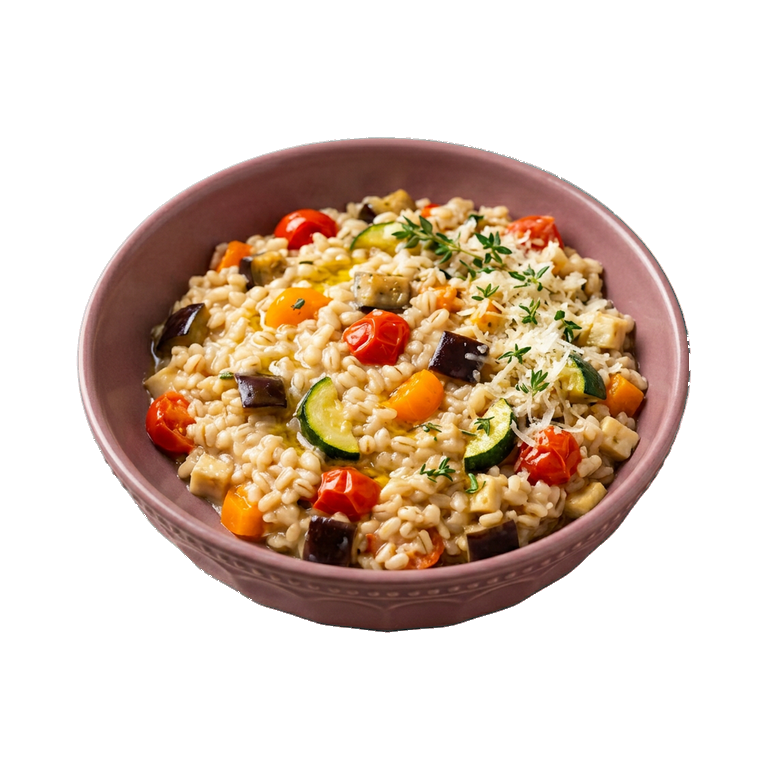
Barley Risotto with Vegetables
A hearty dish made from pearl barley with tomatoes, eggplant, zucchini, and celery root. Prepared like classic risotto — the grain gradually absorbs the broth, becoming soft and creamy. Served hot or cold.
- 10.5g
- Protein
- 12.6g
- Fat
- 54.8g
- Carbs
369 kcal / for 1 serving (564.1 g)
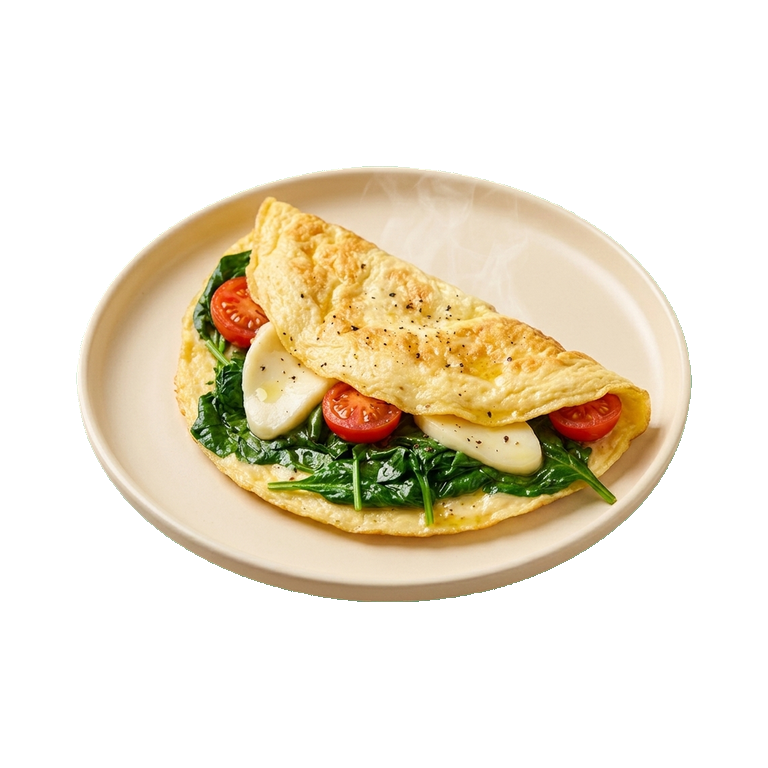
Omelette with Suluguni Cheese and Spinach
Quick omelet with tender spinach, melted cheese, and fresh tomatoes. The dish is prepared in a pan in just a few minutes and is perfect for breakfast or a light lunch.
- 29g
- Protein
- 20.5g
- Fat
- 9.4g
- Carbs
328 kcal / for 1 serving (370 g)
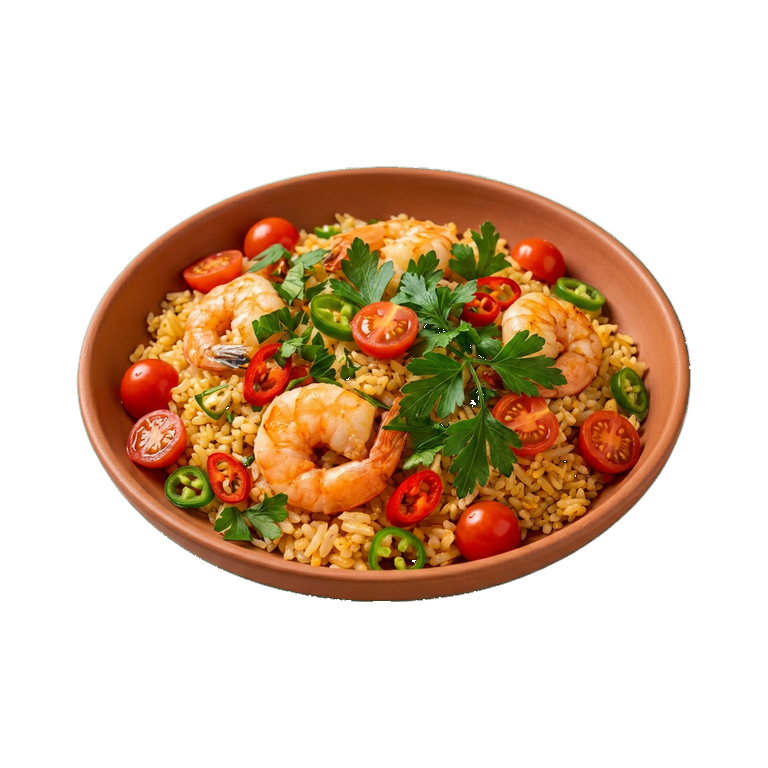
Rice with Shrimp, Tomatoes and Parsley
A quick dish with crispy rice, tender shrimp, and fresh herbs. The rice is fried until golden brown with hot pepper, then garnished with cherry tomatoes and parsley. Perfect for a light dinner or lunch.
- 24.3g
- Protein
- 0.9g
- Fat
- 32.5g
- Carbs
251 kcal / for 1 serving (290 g)
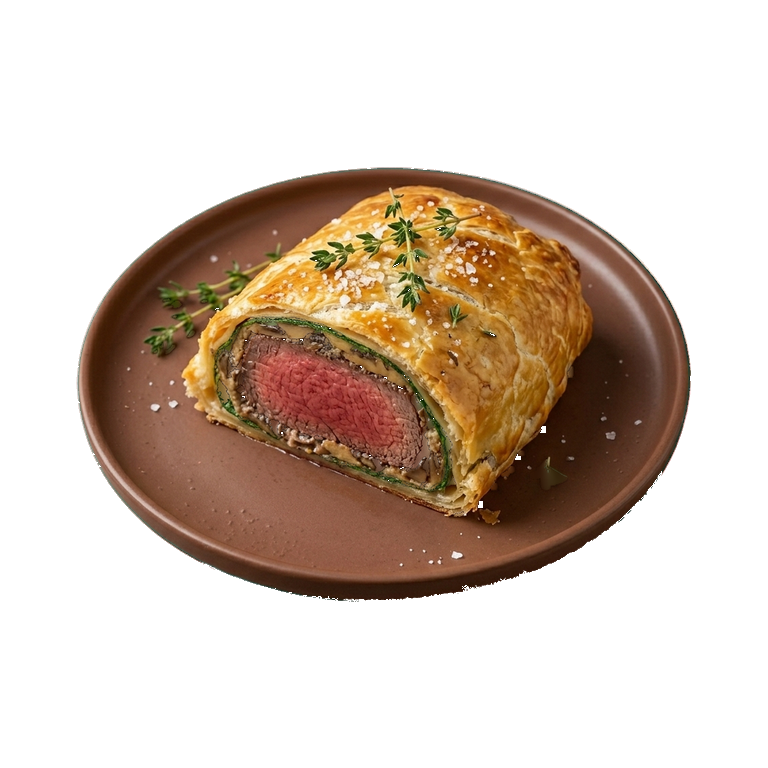
Beef Wellington with Liver Pâté
Festive meat dish in puff pastry with liver pâté, foie gras, and spinach. Tender beef tenderloin wrapped in a crispy crust, perfect for a formal table.
- 44.4g
- Protein
- 35.3g
- Fat
- 34.4g
- Carbs
644 kcal / for 1 serving (370.4 g)
Croutons with Cheese and Fresh Dill
Crispy croutons with a tender center, sprinkled with grated cheese and garnished with fresh dill. A simple and hearty dish that takes just a few minutes to prepare.
- 39.1g
- Protein
- 33.8g
- Fat
- 53.2g
- Carbs
678 kcal / for 1 serving (443 g)
Tartlets with cod liver and egg
Appetizer with canned cod liver, egg and herbs in crispy tartlets. A simple recipe for a festive table or everyday treat.
- 11.2g
- Protein
- 51.9g
- Fat
- 15.4g
- Carbs
579 kcal / for 1 serving (182 g)
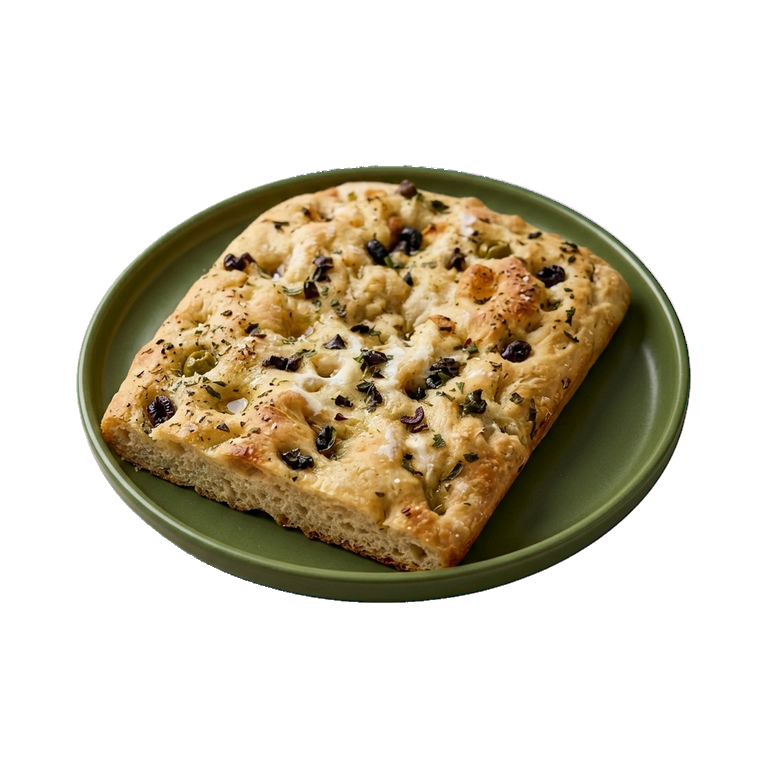
Italian Focaccia with Olives
Fragrant flatbread with a crispy crust, generously brushed with olive oil and decorated with olives, sea salt, and Italian herbs. A simple recipe for home cooking.
- 8.1g
- Protein
- 16g
- Fat
- 51.1g
- Carbs
397 kcal / for 1 serving (109.2 g)
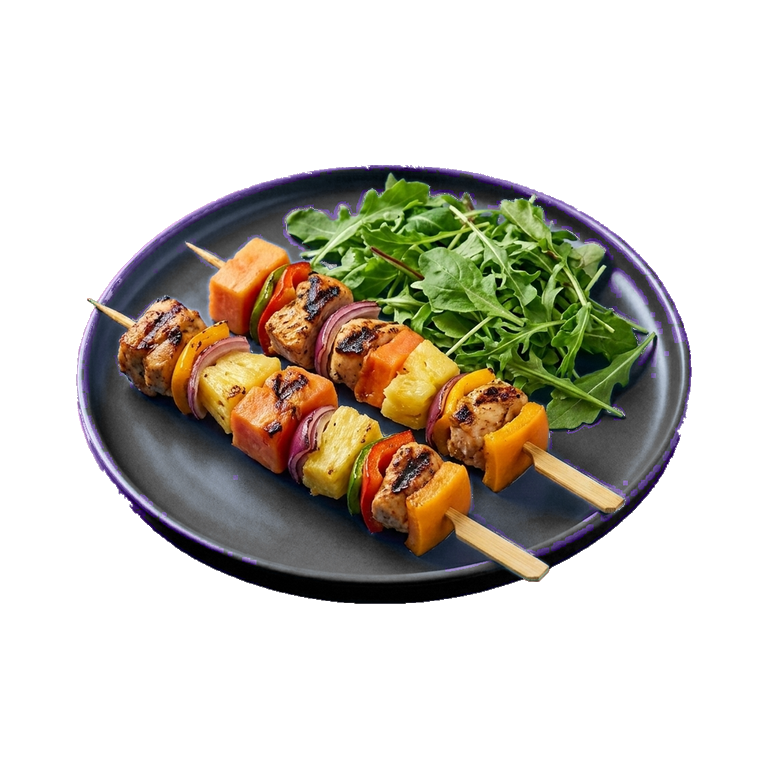
Chicken Skewers with Tropical Fruits
Juicy chicken skewers with papaya, pineapple and grilled vegetables. Chicken is marinated in lemon juice with honey, then threaded onto skewers together with onion, pepper and fruit. Grilled until golden brown.
- 94.1g
- Protein
- 12.5g
- Fat
- 17.8g
- Carbs
578 kcal / for 1 serving (472.9 g)
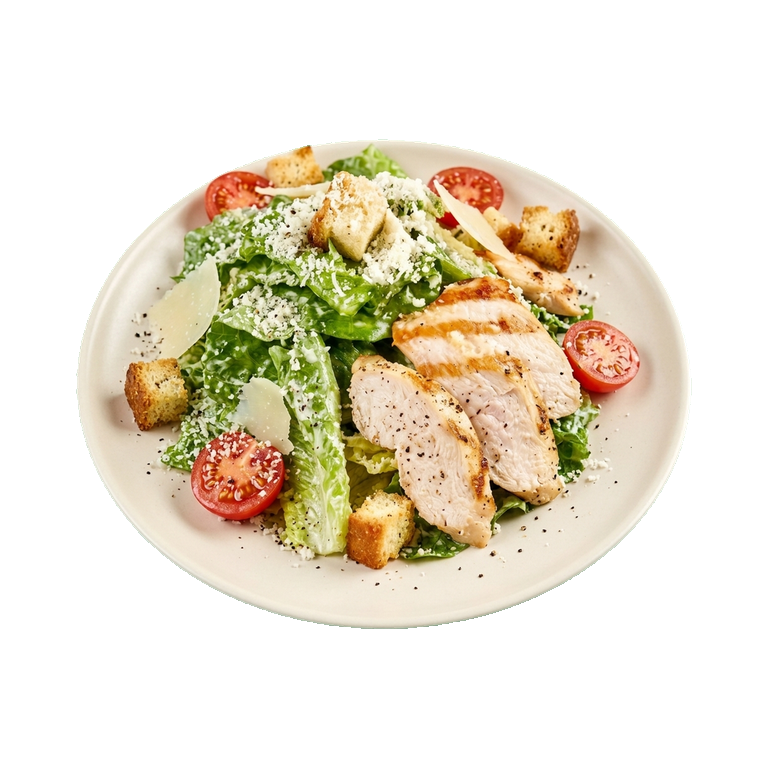
Caesar Salad with Chicken and Parmesan
Classic salad with crispy iceberg lettuce, tender grilled chicken, crunchy croutons, and thin slices of parmesan. Dressed with a piquant Caesar sauce with garlic.
- 71.3g
- Protein
- 34.7g
- Fat
- 29.5g
- Carbs
737 kcal / for 1 serving (381.6 g)
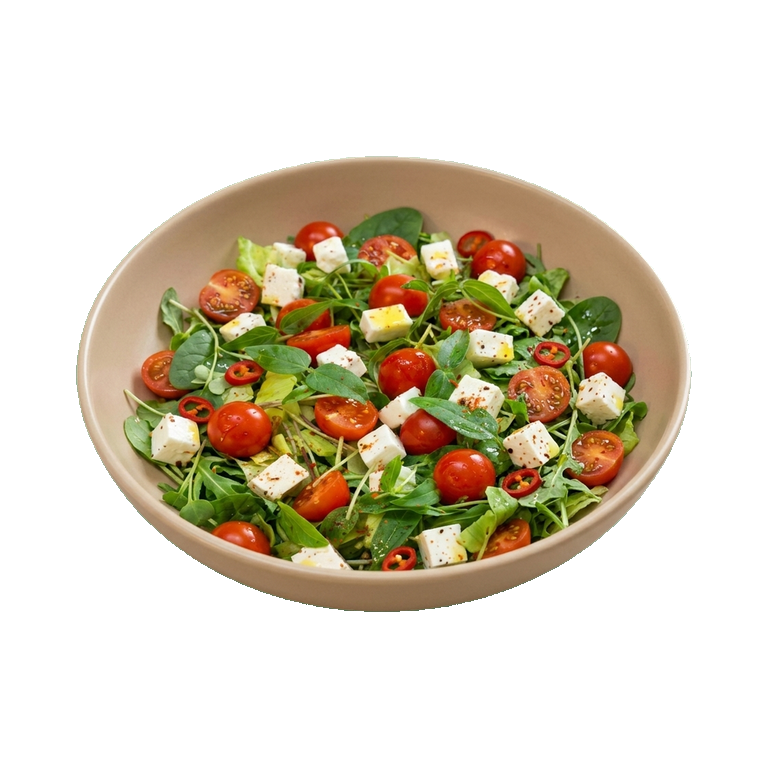
Light Salad with Goat Cheese and Tomatoes
A fresh salad made with tender greens, sweet cherry tomatoes, and creamy goat cheese. A simple dish with bright flavors, dressed with olive oil and seasoned with spicy chili pepper.
- 8.9g
- Protein
- 12.4g
- Fat
- 3.1g
- Carbs
164 kcal / for 1 serving (108 g)
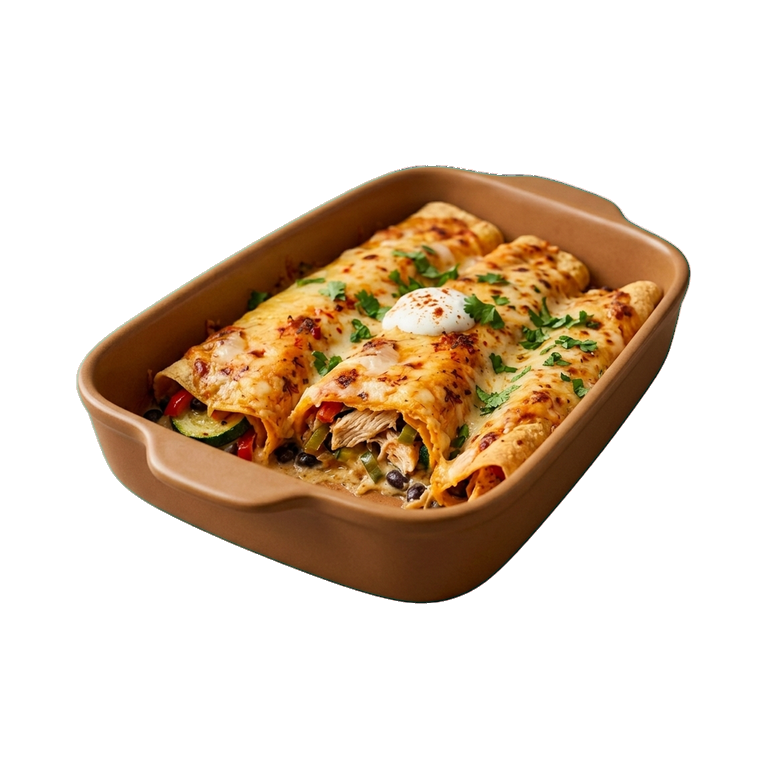
Chicken and Vegetable Enchiladas with Cheese
A Mexican dish made with tortillas and chicken, baked with grilled vegetables, tomato sauce, and cream cheese. You can use any ready-made chicken — grilled, boiled, or smoked.
- 40.5g
- Protein
- 48.4g
- Fat
- 64.7g
- Carbs
849 kcal / for 1 serving (651.1 g)
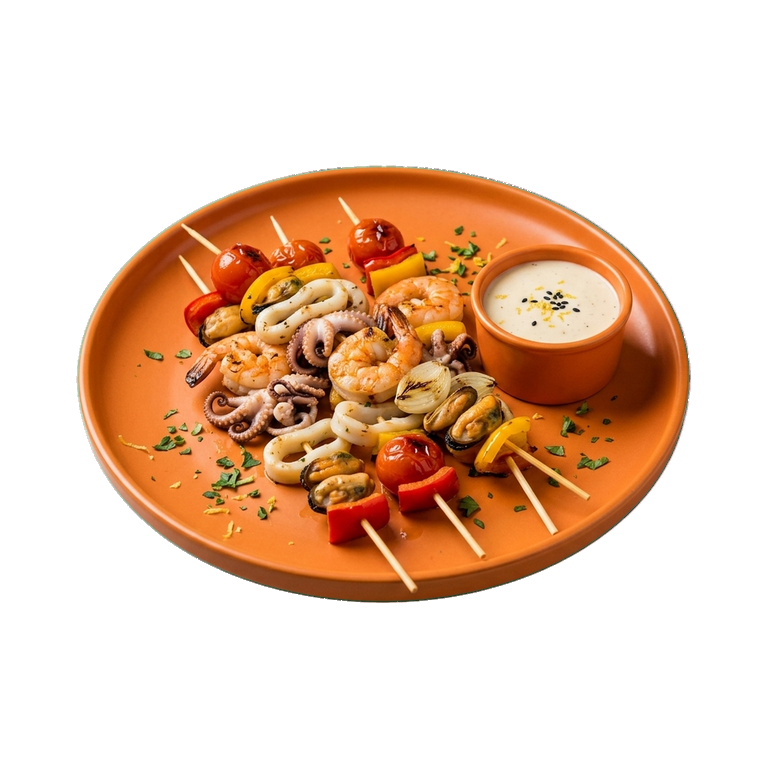
Seafood Skewers
Skewers of squid, shrimp, octopus and mussels with Asian sauce. Seafood is marinated in soy sauce, threaded onto skewers and seared in butter. Served with a sauce made from mayonnaise, soy sauce and lemon.
- 297.2g
- Protein
- 17.2g
- Fat
- 1g
- Carbs
1,544 kcal / for 1 serving (1,646.6 g)


Read more
High-Protein Diet: Basic Principles
A high-protein diet involves increasing the proportion of protein in your diet to 25–35% of daily energy. With this distribution, fats make up 20–35% of energy, and carbohydrates make up 30–50%. This approach helps maintain a feeling of fullness longer, supports muscle mass, and accelerates metabolism.
How to Organize Your Diet Properly
Include a protein source in every meal and alternate between animal and plant-based proteins. Choose lean and medium-fat sources: chicken breast, turkey, fish, cottage cheese, eggs, legumes. Combine proteins with vegetables and whole grain products, distribute protein evenly throughout the day, and drink enough water for proper digestion.
What to Include and What to Exclude
The basis of your diet should consist of poultry, fish, seafood, eggs, dairy products, and plant-based proteins. Limit butter, sour cream, white bread, and pasta made from soft wheat varieties. Exclude fatty meat, sweet pastries, fast food, alcohol, and sugary drinks.
Who is this diet suitable for
A high-protein diet is especially effective for people engaged in strength training and those who want to lose weight without losing muscle mass. It is suitable for active people with high energy expenditure and those who aim to improve body composition. Before starting the diet, people with chronic kidney or liver disease should consult with a specialist.
Questions
Short answers to the most common questions about this diet.
