Usuba
Usuba
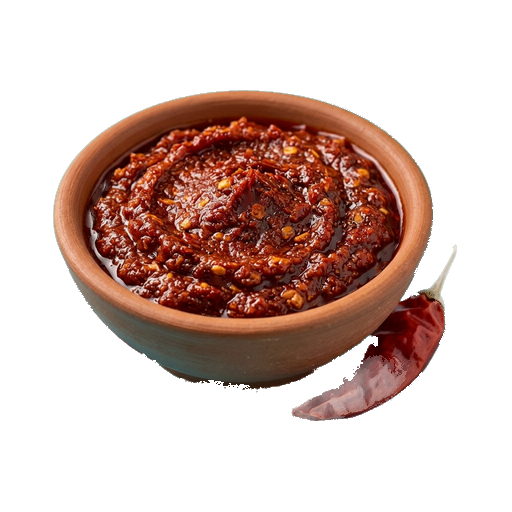
Albuhara
Albukhara is a spicy red seasoning based on chili peppers, widely used in North African and Middle Eastern cuisine. It has a bright, pungent flavor with fruity notes and a rich aroma of roasted pepper. Suitable for marinades, sauces, stewed dishes, and as a seasoning for meat and vegetables. Requires caution when dosing due to its high heat level.
About
Albukhara is a spice found in Eastern cuisine and gradually gaining the attention of European chefs. Its name sounds exotic, but in practice it proves to be a universal helper. It is a spice blend where red pepper, turmeric, and other aromatic components dominate. If you are not yet familiar with this spice, it's time to understand how to use it in the kitchen and why it deserves a place on your shelf.
Aroma and Taste
Albukhara attracts attention primarily through its warmth and depth. The aroma features the piquancy of red pepper, but without aggression — rather as an invitation. The turmeric base adds earthy, slightly bitter notes. When you open the jar, the smell immediately evokes images of Eastern bazaars and complex sauces.
In the language of albukhara, it unfolds gradually. The first impulse is a light spiciness that doesn't burn but warms. Then spicy notes appear that give the dish roundness and complexity. The bitterness of turmeric balances with other components, creating a multi-layered flavor profile. The aftertaste is warm, slightly woody.
Where to use albukhara
This spice works everywhere you need depth and mild heat. It's added to meat marinades — it helps the meat absorb flavor and become tender. In rice dishes, albuhara creates a golden hue and pleasant background taste. Vegetable stews and soups become more interesting if you add a pinch of this blend at the end of cooking.
- Marinades for chicken, lamb and beef
- Pilaf and other rice dishes
- Sauces for meat and fish
- Vegetable stews and braised dishes
- Soups and broths
- Hummus and other chickpea pastes
Combinations and Proportions
Alhahaca pairs well with garlic and onions — they enhance each other. If you're preparing a marinade, add olive oil, lemon juice, and a pinch of salt: you'll get a fragrant base for meat. With coconut milk, alhahaca creates creamy sauces that work well with chicken and seafood.
Start with a small amount — about a quarter teaspoon per serving. Albuhara is quite concentrated, and it's better to add more than to overdo it right away. If cooking for four people, one full teaspoon will be enough for a marinade or sauce. For rice dishes, add the spice together with oil at the beginning of cooking so it releases all its aromas.
Selection and Storage
When choosing albukhara, pay attention to the color — it should be rich, reddish-brown, without a gray coating. The smell should be clear and pleasant, without mustiness. If the spice is sold in transparent packaging, check for lumps and foreign inclusions. Fresh albukhara smells invigorating, not dull.
Store albukharu in an airtight container, away from light and heat. Ideally, keep it in a dark cabinet at room temperature. Moisture is the enemy of this spice: if water gets into the jar, it may become damp and lose its aroma. With proper storage, albukharu retains its qualities for about a year. After this period, the spice does not spoil, but becomes less aromatic.
Alluhara is a spice for experimentation. Start with a meat marinade, and you'll quickly find its place in your culinary arsenal.
Nutrition
per 100 g
- Calories
- 240 kcal
- Protein
- 2.2 g
- Fat
- 0.4 g
- Carbs
- 63.9 g
Measures and weight
- 1 pcs
- 30 g
Measure calculator
- Weight
- 100 g
- Calories
- 240 kcal