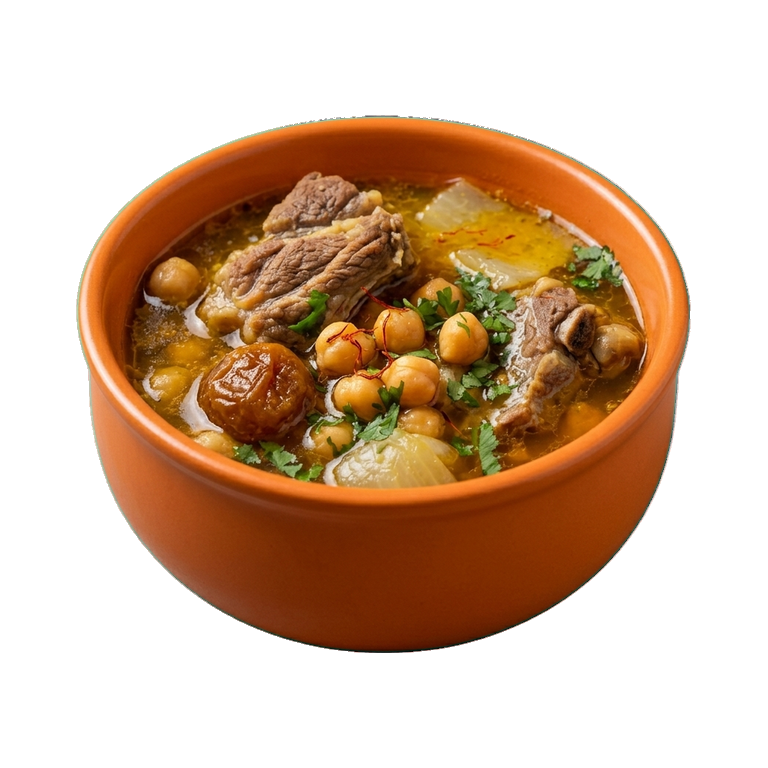
Usuba
Usuba
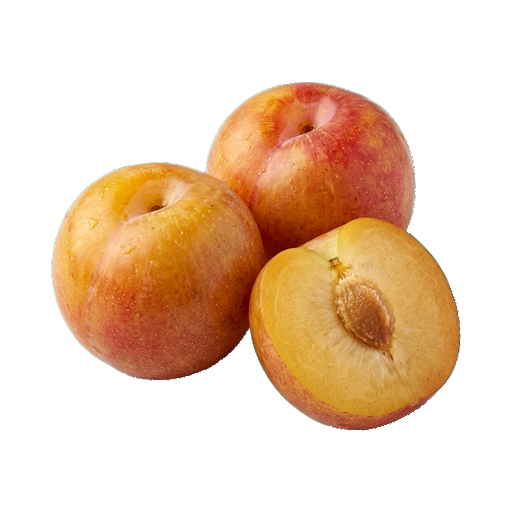
Cherry plum
Cherry plum is a small tart fruit similar to a plum, with yellow, red, or purple skin depending on the variety. Its sharp, slightly astringent taste with a hint of bitterness makes it ideal for sauces, jams, and marinades, as well as for adding to meat dishes. When selecting, look for fruits with smooth skin free from damage, and if you prefer sweetness, choose fully ripe berries with a softer texture.
About
Cherry plum is a small fruit with a dense skin and juicy flesh, often called wild plum. To taste, it is more sour and tart than regular plum, with a characteristic astringent note that makes it ideal for preserving and sauces. Fresh cherry plum requires boldness: it is not sweet in the classical sense, but it is precisely this sharpness that makes it valuable in cooking.
Taste and Aroma
Cherry plum has a pronounced acidity with fruity notes. Depending on ripeness and variety, it can be almost unsweetened or have a light sweetness at the finish. The aroma of fresh cherry plum is piercing and slightly herbaceous, with a mineral undertone. This characteristic makes it indispensable in cooking, where natural acidity is needed without adding lemon or vinegar.
Role in dishes and pairings
Cherry plum works in three directions: as a base for sauces for meat and poultry, as a component of jams and compotes, and as a sharp spice in the form of puree. Its acidity perfectly cuts through the richness of duck, pork, or lamb. In sauces, cherry plum often pairs with garlic, spices, and herbs — such a combination gives a deep, multi-layered flavor.
- Meat sauces: cherry plum sauce with garlic and hot spices
- Jams and preserves: cherry plum gels well thanks to natural pectin
- Marinades: cherry plum acidity helps tenderize meat and adds bright flavor
- Compotes and fruit drinks: refreshing beverages with a piquant note
- Rice side dishes: cherry plum puree as a traditional condiment in some cuisines
Selection and Storage
Choose cherry plums with firm, unblemished skin. Ripe fruits yield slightly to pressure but should not be soft. The color varies from yellow to red and dark purple depending on the variety — this does not affect quality. Underripe cherry plums are suitable for canning as they will hold their shape; softer ones are better for sauces and purees.
Store fresh cherry plums in the refrigerator for a week or two. They freeze well whole or in halves — frozen cherry plums are perfect for jams and sauces, as the flesh becomes looser and releases juice faster during cooking. For long-term storage, cherry plums are preserved by making jam, compote, or pickled fruits.
Cherry plum is not a dessert fruit in the conventional sense, but rather a culinary tool. Its acidity, astringency, and density make it indispensable in complex sauces, preserving, and marinades. If you're cooking meat or looking for a natural way to add acidity to a dish, cherry plum is your choice.
Nutrition
per 100 g
- Calories
- 27 kcal
- Protein
- 0.2 g
- Fat
- 0.1 g
- Carbs
- 6.5 g
Measures and weight
- 1 pcs
- 20 g
Measure calculator
- Weight
- 100 g
- Calories
- 27 kcal