Usuba
Usuba
Apple Wine
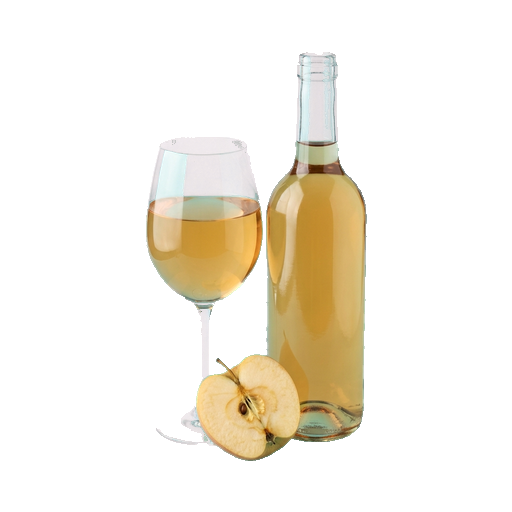
Apple wine is a low-alcohol beverage produced through the fermentation of apple juice with added yeast and sugar. It has a soft, fruity flavor with subtle acidity and the aroma of fresh apples, often with floral notes. In cooking, it is used both for marinating meat and fish, as well as for preparing sauces, desserts, and cocktails, adding a delicate sweet-tart depth to dishes.
About
Apple wine is not just fermented juice, but a beverage that occupies a special place between fortified juice and true wine. It is made from apple juice through natural fermentation, and the result is a drink with delicate acidity, fruity aroma, and soft sweetness or dryness — depending on the apple variety and production technology.
Taste and Aroma
Apple wine is distinguished by a subtle, unobtrusive taste. It features fruity freshness, a light tartness, and a pleasant acidity that doesn't bite the tongue but rather refreshes it. The aroma typically reminds one of ripe apples, sometimes with notes of pear, honey, or even floral undertones. The alcohol content ranges from 8 to 14 degrees, making the drink not too heavy.
Culinary applications
In the kitchen, apple wine works as a universal helper. It is added to marinades for meat and poultry — it softens the fibers and gives the dish a light fruity note. In sauces for duck, pork, or chicken, apple wine creates a balance between sweetness and acidity, without overpowering the taste of the main ingredient.
- Deglazing the pan after searing meat — wine dissolves the stuck-on layer and becomes the base for sauce
- Stewing fruits and berries — apple wine enhances the fruit flavor of compotes and jams
- Jellies and mousses — adds depth of flavor and beautiful color
- Fish dishes — especially pairs well with white fish and seafood
Combinations and Selection
Apple wine works well with spices — cinnamon, cloves, ginger. It complements sharp sauces by softening their harshness, and harmonizes with herbs like thyme and rosemary. If you're choosing wine for cooking, pay attention to acidity — it should be noticeable, but not sharp. Dry apple wine is more versatile than sweet, as it pairs better with main dishes.
Storage and practical tips
Store a sealed bottle of apple wine in a cool, dark place — a kitchen cabinet or pantry will work well. After opening, the wine maintains its quality for 2-3 weeks if the cork is tightly sealed. Before using in a recipe, make sure the wine hasn't turned sour — the aroma should remain fruity and pleasant. If the wine is very sweet and you need a dry one for a marinade, add a bit more wine than specified in the recipe so the sugar dissolves better when heated.
Apple wine is an ingredient that doesn't require boldness in experiments. Start with small amounts in marinades and sauces, and you'll quickly understand how it works with your favorite dishes.
Nutrition
per 100 ml
- Calories
- 50 kcal
- Protein
- 0.1 g
- Fat
- 0 g
- Carbs
- 4 g
Measures and weight
- 1 tbsp
- 14.8 g
- 1 tsp
- 5 g
- 1 cup
- 247.5 g
Measure calculator
- Weight
- 100 g
- Calories
- 51 kcal