Usuba
Usuba
Arctic char
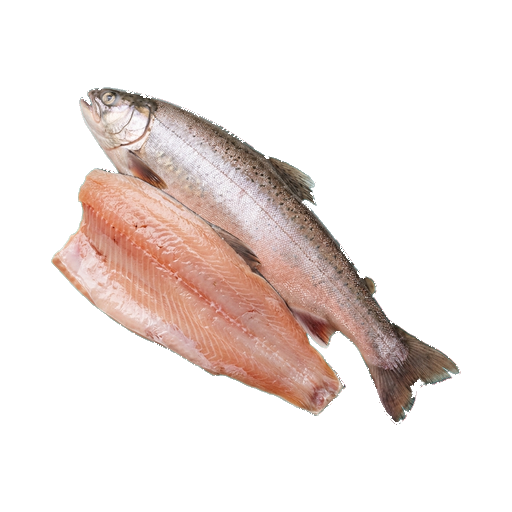
Arctic char is a freshwater fish of the salmon family with tender white meat and delicate flavor. Arctic char meat contains few bones and is well-suited for baking, smoking, and grilling. When choosing, prefer chilled fish with firm flesh and fresh aroma, as frozen arctic char may lose some of its taste qualities.
About
Arctic char is a freshwater fish found in cold rivers and lakes. In cooking, it is valued for its tender, white meat with a delicate flavor and minimal bones. The fish is relatively affordable, but when properly prepared, it delivers a delicate result to dishes that will not disappoint even an experienced chef.
Taste and Texture
Arctic char meat is tender and dense at the same time — it doesn't fall apart during cooking, but easily separates from the bones. The taste is mild, slightly sweet, without a strong fishy smell. The fat content is moderate, which makes the fish versatile: it works well in light dishes and in richer sauces. The fillet is light, almost white, sometimes with a pinkish tint.
How to Cook
- In a pan — Arctic char fillet holds its shape well when fried in butter or vegetable oil. 3–4 minutes on each side over medium heat is sufficient.
- On a grill or rack — the fish won't stick if you oil the rack beforehand. A whole fish or large fillet takes 8–10 minutes.
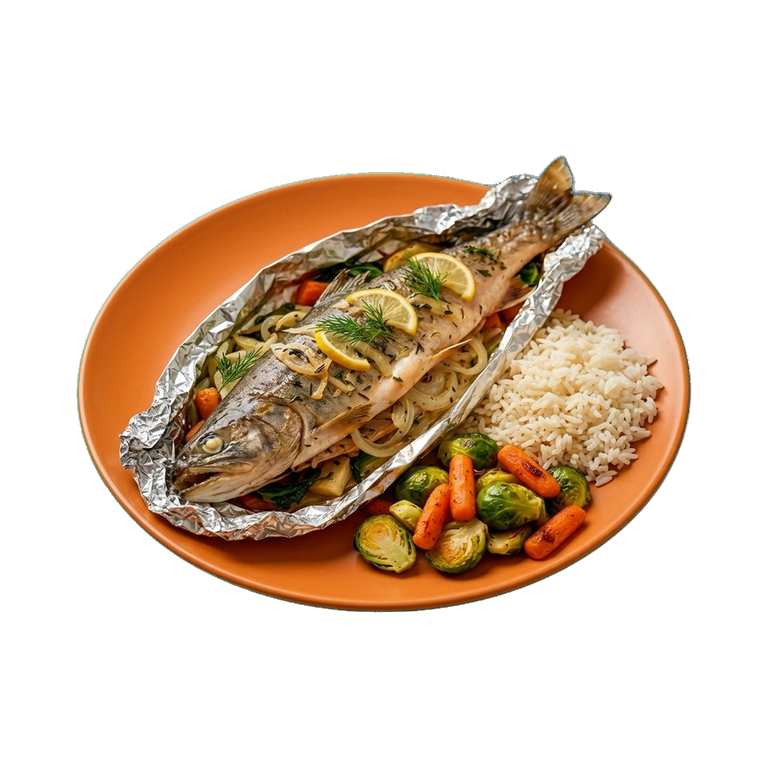
- In the oven — baking at 180 degrees gives a tender result. You can wrap it in foil with lemon and herbs for 12–15 minutes.
- Steamed — a gentle method for those watching their health. Fillet cooks in 10–12 minutes and stays juicy.
- In soup or fish stew — Arctic char releases its flavor into the broth without falling apart. Add it at the end of cooking so the meat stays intact.
What pairs well with
Arctic char's tender meat pairs well with delicate flavors: lemon, fresh herbs, butter, and white wine. A classic combination is with potatoes, grilled vegetables, and cauliflower. Spices should be used cautiously: a pinch of white pepper, dill, parsley, and tarragon. Sharp sauces and spices can overpower the fish's subtle flavor, so they are used rarely and in minimal amounts.
Selection and Storage
- Fresh fish has bright eyes, pink gills and firm flesh. When pressed, the indentation should quickly disappear.
- The smell should be of the sea, without ammonia or decay. Any unpleasant odor is a reason to refuse the purchase.
- Store in the refrigerator on a shelf at a temperature of 0–2 degrees for no more than 2 days. Fillets are best used on the day of purchase.
- Frozen char can be stored for up to 3 months. Thaw in the refrigerator, not at room temperature.
Arctic char is a fish for those who appreciate simplicity and quality. It requires no complex preparation, handles various cooking methods well, and gives dishes a clean, pleasant taste without unnecessary fuss.
Nutrition
per 100 g
- Calories
- 135 kcal
- Protein
- 19.1 g
- Fat
- 6.3 g
- Carbs
- 0 g
Measure calculator
- Weight
- 100 g
- Calories
- 135 kcal