 Usuba
Usuba
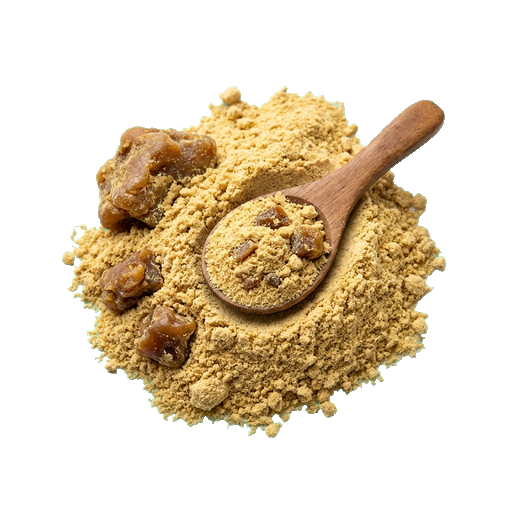
Asafoetida
Asafetida is a resinous spice with a sharp garlic and onion aroma that unfolds into a soft, deep flavor with nutty notes when heated in oil. In Indian and Iranian cuisine, it's used in micro-doses as a flavor enhancer in legume and vegetable dishes and sauces, helping to mask heaviness and improve digestion. Choose asafetida in powder form mixed with rice flour, as pure resin is too concentrated and can ruin a dish. When adding it, always start with a pinch — it's easier to overdo it than to use too little.
About
Asafoetida is a spice with a sharp, almost unpleasant smell in its pure form, which when used correctly becomes an invisible helper in the kitchen. Its pungent, slightly garlic-onion aroma is completely transformed when heated, unfolding with subtle, deep notes. This is not a spice you eat for its own sake — this is a spice that makes other ingredients brighter and more complete.
Aroma and Character
Asafetida powder smells quite pungent — acrid and sharp, almost unpleasant. But this first impression is deceiving. Once you add it to hot oil or a preheated pan, magic happens: the sharpness fades, leaving warm, deep notes with hints of garlic and onion, but milder and more refined. The taste becomes rounded, piquant, and not overpowering.
Its main property is to enhance and unite the flavors of other ingredients. Asafoetida works as a spicy binding element, making the dish more harmonious and rich, even if its presence is not immediately recognizable to the taste.
Where and how to use
Asafoetida is indispensable in Indian and Iranian cuisine, where it is added to legume dishes, vegetable curries, lentils, and dal. It works especially well with chickpeas, mung beans, and other legumes — it helps them digest and softens their density. A few pinches in lentil soup or in stewed vegetables will create a depth that is difficult to achieve otherwise.
- Add to hot oil at the beginning of cooking — this way it will fully reveal its flavor
- Use very little: a quarter teaspoon per serving is often enough
- Pairs well with turmeric, cumin, coriander, and black cumin
- Good not only in spicy dishes, but also in neutral vegetable side dishes
Selection and Storage
Asafetida is sold as a yellow or brownish powder, often with added flour (to prevent clumping). Choose packages with a bright color — this is a sign of freshness. The smell when opened should be sharp, but not musty.
Store asafetida in an airtight glass jar in a dark, cool place, away from moisture. When stored properly, it retains its properties for years. The key is to keep the lid tightly closed so its strong odor doesn't spread throughout the kitchen and doesn't get absorbed by nearby products.
If you're cooking Indian dishes or experimenting with spices, asafoetida is an investment in depth of flavor. One jar will last a long time, and the result is worth overcoming the first impression of its smell.
Nutrition
per 100 g
- Calories
- 297 kcal
- Protein
- 4 g
- Fat
- 1.1 g
- Carbs
- 67.8 g
Measures and weight
- 1 tbsp
- 9 g
- 1 tsp
- 3 g
- 1 cup
- 150 g
Measure calculator
- Weight
- 100 g
- Calories
- 297 kcal
