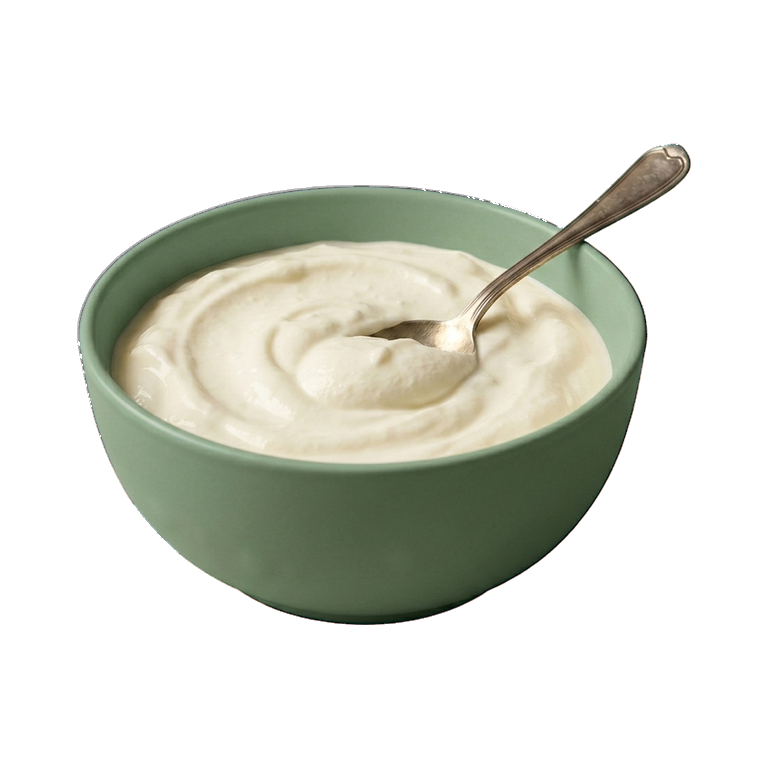
Usuba
Usuba
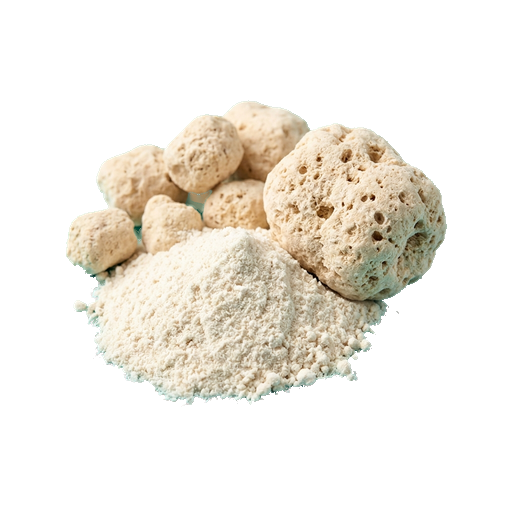
Bacterial starter culture
Bacterial starter culture is a culture of lactic acid bacteria used for fermenting milk and creating fermented dairy products. It contains live microorganisms that convert lactose into lactic acid, giving the product its characteristic tangy taste and dense consistency. When choosing a starter culture, it is important to pay attention to the expiration date and storage conditions, as bacterial activity decreases over time, and live cultures are needed to achieve quality results.
About
Bacterial starter culture is a living culture of microorganisms that initiates fermentation and transforms ordinary ingredients into fermented dairy products, pickled vegetables, and bread. It is not just an additive, but an active participant in the cooking process that works for you while you attend to other matters.
How it works and why you need it
A starter culture contains beneficial bacteria (most often lactic acid bacteria) that feed on sugar and lactose, producing lactic acid. This acid is what gives the product its characteristic tangy taste, dense consistency, and ability to be stored for long periods. Without a starter culture, yogurt would remain milk, and cabbage would just be chopped vegetables.
In practice, fermentation starter performs several tasks simultaneously: it preserves the product naturally, develops probiotics that are beneficial for digestion, and creates a recognizable taste. Additionally, fermentation makes some nutrients more available for absorption.
Types of Starter Culture and Its Application
Starters vary in purpose and composition. Special cultures are used for dairy products, rye or wheat starters with wild yeast and bacteria are used for bread, and even sea salt and time will work for vegetables.
- Yogurt and kefir — lactic acid cultures turn milk into a thick, sour product in 6–12 hours
- Cottage cheese and sour cream — special cultures with higher activation temperature
- Sourdough bread — long fermentation develops aroma, improves digestibility and extends freshness
- Fermented vegetables — lactic acid fermentation at room temperature with salt
- Kumis and ayran — specific cultures for fermented milk drinks
Selecting a starter culture and working conditions
Starter is sold as a dry powder, liquid suspension, or frozen culture. Dry is more convenient for storage but requires activation before use. Liquid works faster but has a limited shelf life in the refrigerator. Choose a starter depending on what you plan to make: yogurt requires one type of culture, bread requires a completely different one.
Bacteria are very sensitive to temperature. Lactic acid cultures work most actively at 35–45 degrees, bread starters prefer 22–28 degrees. Too cold — fermentation will slow down, too hot — bacteria will die. Therefore, the place where you leave the product is very important.
Storage and Care of Starter
Store dry starter in the refrigerator or freezer in an airtight container — it can last for months or even years. Liquid starter needs to be periodically "fed" — add fresh milk or flour so the bacteria don't starve. If you're making starter yourself (for example, for bread), feed it regularly, approximately once a day, and it will work more reliably with each passing day.
Many homemade starters can be reused. After you have made yogurt or fermented vegetables, part of the culture remains in the product — it can be used as a starter for the next batch. This saves money and often gives better results, because the bacteria adapt to your conditions.
Practical tips for success
- Use sterile dishes — residue from previous products or foreign microbes will interfere with fermentation
- Do not overheat milk before adding the starter culture — hot milk will kill the bacteria
- Do not disturb the product during fermentation — let the bacteria work undisturbed
- Check the temperature with a thermometer, not by touch — this will give you an accurate result
- If the starter culture is not working, check the expiration date and storage conditions — dead bacteria will not ferment anything
Bacterial starter culture is a tool that opens up a whole world of homemade fermented dairy products and fermented dishes. It doesn't require complex skills, but it does require attention to detail. Start with simple yogurt or sauerkraut, feel how live cultures work, and you'll understand why fermentation is so popular among people who cook with pleasure.
Nutrition
per 100 g
- Calories
- 350 kcal
- Protein
- 25 g
- Fat
- 5 g
- Carbs
- 50 g
Measures and weight
- 1 tbsp
- 9 g
- 1 tsp
- 3 g
- 1 cup
- 150 g
Measure calculator
- Weight
- 100 g
- Calories
- 350 kcal