Usuba
Usuba
Lamb Ribs
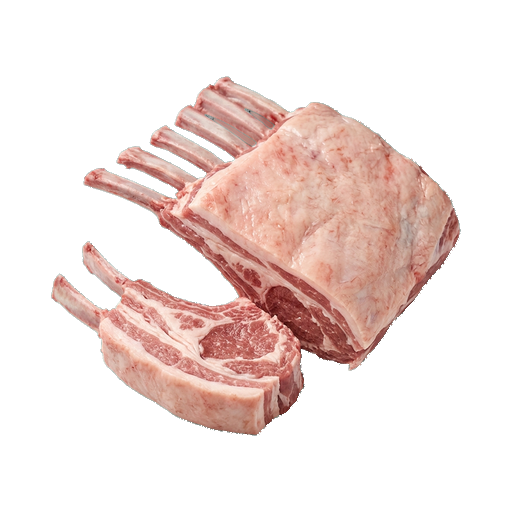
Lamb ribs are meat on the bone with fat layers, distinguished by a rich, characteristic flavor with subtle herbal notes. The meat is quite tender and cooks quickly, especially if marinated beforehand or braised over low heat. When selecting, pay attention to the color of the meat — it should be pinkish-red, without dark spots, and the fat should be light and firm.
About
Lamb ribs are one of the most rewarding cuts for home cooking. They contain enough meat to make the dish hearty, yet remain more tender than beef. The fat held between the bones and on the surface melts during cooking and makes the meat juicy, while the broth becomes rich and aromatic. This requires no complex techniques — just time and the right temperature.
Aroma and Flavor
Lamb has a characteristic, but not sharp smell. Young meat smells milder, with a light herbal note. As it cooks, the aroma becomes more pronounced and deeper — this is a natural result of the interaction between fat and proteins when heated. The taste of lamb is slightly sweet, with a light piquancy, which is well balanced by spices and sour sauces.
How to cook
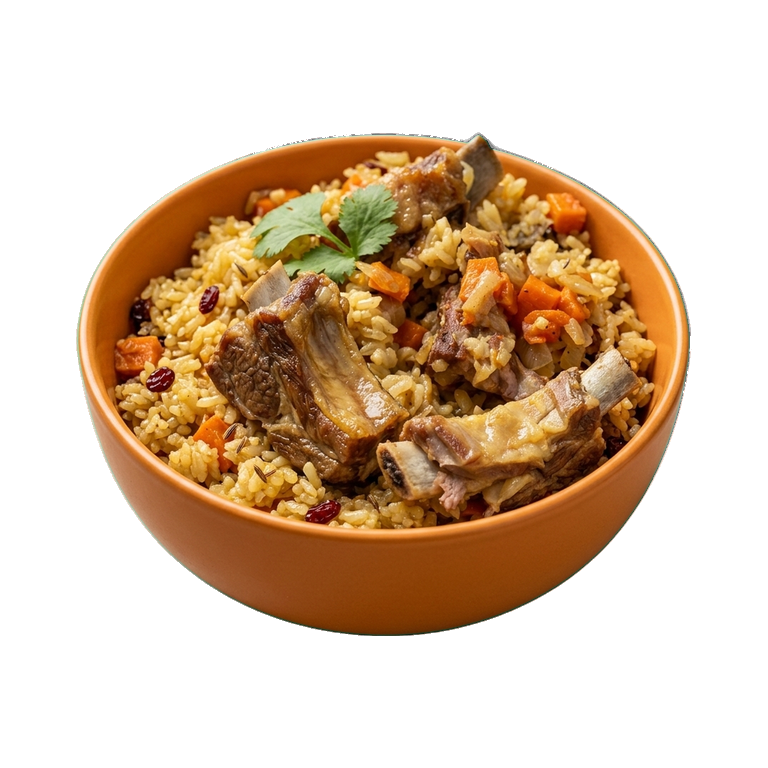
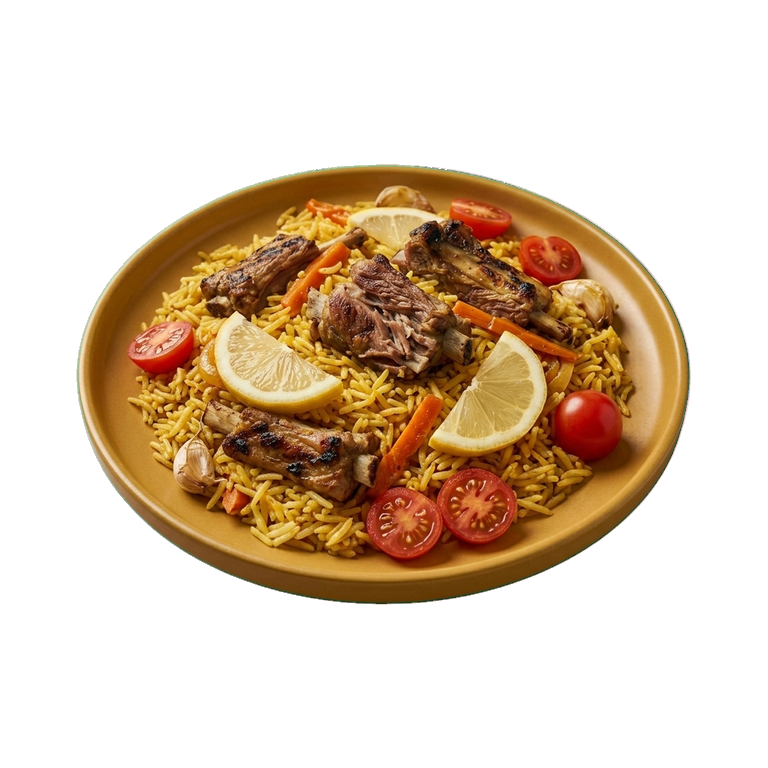
Lamb ribs work well in several formats. On the grill or in the oven, they turn golden on the outside and remain pink inside — this will take 20–25 minutes at 200 degrees. Slow-cooked and braised, the meat falls off the bone in one and a half to two hours, and the broth becomes thick and aromatic. In soup or pilaf, ribs are cooked longer — 1.5–2 hours, depending on the age of the animal.
- Let the meat rest at room temperature for 30–40 minutes before cooking — this will help it cook evenly
- Don't skimp on salt and spices — lamb absorbs them well
- Don't trim the fat on the ribs completely; leave a thin layer for juiciness
- If the ribs seem too fatty, place the finished dish in the cold for an hour — the fat will harden and be easier to remove
Pairings and Spices
Lamb pairs well with aromatic spices: cumin, coriander, garam masala, rosemary, and thyme. Acidity helps soften the density of the meat — add tomatoes, lemon, or pomegranate juice. Garlic and onion enhance the flavor, while ginger and hot peppers add depth. Ribs go well with potatoes, chickpeas, rice, and root vegetables.
Selection and Storage
Look for ribs with bright red or pink meat color and white fat — these are signs of freshness. The bone should be moist at the cut, but not wet. Avoid dark, almost brown color — this indicates the product's age or improper storage. The meat should feel firm to the touch, not soft or sticky.
In the refrigerator, lamb ribs are stored for 3–4 days in the coldest part, preferably on the lower shelf, so the juice doesn't drip onto other products. Wrap them in parchment paper or place them in a container. In the freezer, ribs can be stored for 2–3 months. Thaw them in the refrigerator overnight, not at room temperature — this way the meat will remain juicier.
Nutrition
per 100 g
- Calories
- 376 kcal
- Protein
- 15.6 g
- Fat
- 35 g
- Carbs
- 0 g
Measure calculator
- Weight
- 100 g
- Calories
- 376 kcal