Usuba
Usuba
Lamb broth
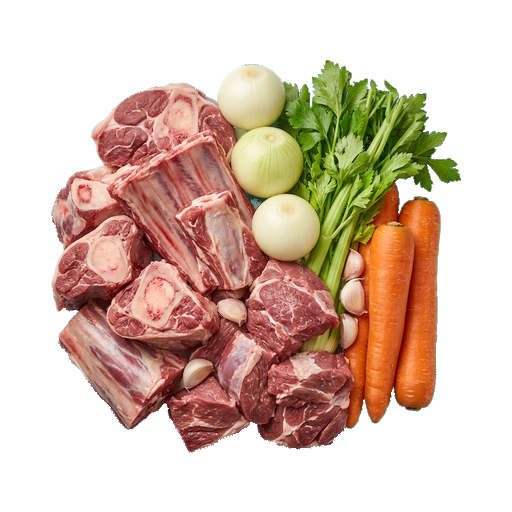
Lamb broth is a rich, aromatic stock made from lamb meat and bones, distinguished by a deep, slightly gamey flavor and dense consistency due to high gelatin content. It is prepared by prolonged simmering with vegetables and spices, creating a base for soups, stews, and sauces, particularly in Caucasian, Central Asian, and Middle Eastern cuisine. When selecting lamb for broth, it is important to use meat from a young animal to avoid excessive toughness and strong odor, and fat should be skimmed during cooking for a more delicate taste.
About
Lamb broth is the foundation on which many traditional cuisines are built. Its rich, deep flavor and dense consistency make it indispensable in soups, stews, and sauces. Unlike chicken or beef, lamb broth has a characteristic aroma that is instantly recognizable in a dish and gives it a special expressiveness.
Aroma and Taste
Mutton broth has a distinctive, somewhat sharp aroma that intimidates an unprepared cook but becomes a treasure for an experienced chef. The taste is full-bodied, with meaty notes and a slight bitterness. The fat that releases during cooking creates thickness and a coating sensation in the mouth. To soften the intensity, it is enough to add carrots, onions, and celery at the beginning of cooking — they absorb excess sharpness and make the broth more harmonious.
Role in dishes
Mutton broth is especially valued in cuisines where lamb is a traditional product. It serves as the foundation for pilaf, thick soups with legumes, and meat stews. It is used for preparing sauces for lamb and for cooking grains when a more flavorful base is needed than plain water. Even a small amount of mutton broth added to vegetable soup completely changes its character — making it more robust and satisfying.
- Soups with chickpeas, beans and vegetables
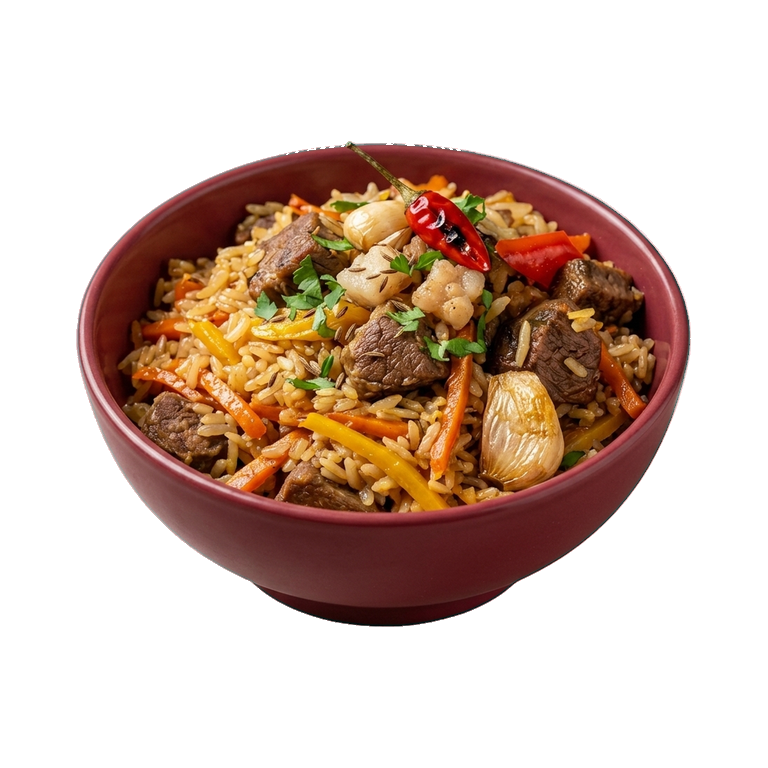
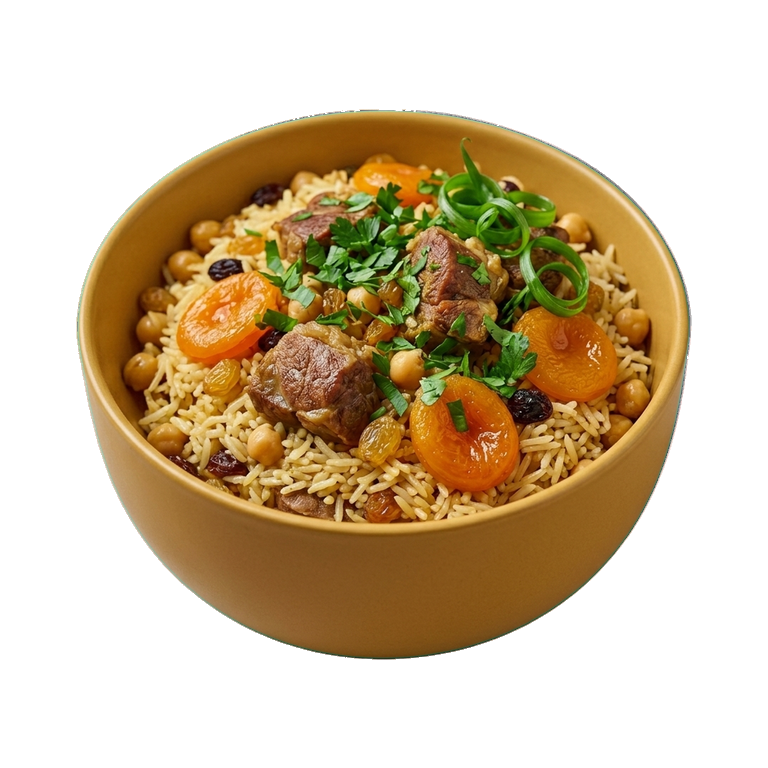
- Pilaf and risotto with lamb
- Stews and braised meat dishes
- Sauces for fried lamb
- Cooking grains and cereals
Successful Pairings
Mutton broth works well with spices familiar to Eastern cuisines: cumin, coriander, cloves, and cinnamon. They don't overpower its flavor but rather complement and round it out. Onion and garlic are essential companions that soften the sharpness and add sweetness. Tomatoes, bell peppers, and carrots create a bright contrast. Herbs pair best with mint, parsley, and cilantro — they refresh the broth without losing its meaty richness.
Selection and Storage
If you're making broth from scratch, choose bones with meat on them — they provide more flavor and nutrition. Simmer over low heat for at least two hours, skimming off foam during the first 20 minutes. Strain the finished broth and let it cool — the fat will rise to the surface and can be easily removed if you prefer a lighter version. Refrigerated broth keeps in an airtight container for up to four days, and in the freezer for several months. Freeze it in portions using ice cube trays — this makes it convenient to take out the amount you need.
Lamb broth demands respect and understanding of its character. If you are cooking with it for the first time, start with soup or stew, where its flavor will be supported by vegetables and spices. Gradually you will learn to appreciate its depth and will be able to use it as a base for more delicate dishes.
Nutrition
per 100 ml
- Calories
- 20 kcal
- Protein
- 2 g
- Fat
- 1 g
- Carbs
- 0 g
Measures and weight
- 1 tbsp
- 15 g
- 1 tsp
- 5 g
- 1 cup
- 250 g
Measure calculator
- Weight
- 100 g
- Calories
- 20 kcal