Usuba
Usuba
Mutton fat
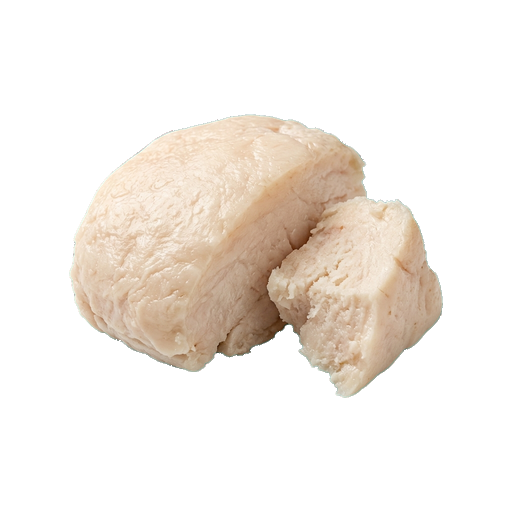
Mutton fat — rendered animal fat with a characteristic rich, slightly sharp taste and aroma that adds depth and richness to dishes. Used in Caucasian, Central Asian, and Eastern cuisine for frying meat, preparing pilaf, flatbreads, and traditional dishes, where its high smoke point allows achieving a good crust. When choosing, pay attention to the color — quality fat should be light or creamy, without a rancid smell, and when stored in the refrigerator it becomes solid and white.
About
Mutton fat is one of the most reliable helpers in the kitchen if you cook meat dishes, baked goods, or want to add depth of flavor to a simple side dish. It is not just a byproduct of carcass processing: properly rendered fat has a clean, pleasant aroma and becomes a universal ingredient that stores for months and never lets you down.
Aroma and taste
Good mutton fat smells like meat — soft, without sharpness or unpleasant notes. If the smell is too sharp or musty, it's a sign of improper storage or low-quality raw materials. The fat has a neutral taste with a barely noticeable sweetness that manifests when heated. It is this characteristic that makes it ideal for frying: it doesn't overpower the dish with its own flavor, but enhances the natural aromas of the main ingredient.
Where and how to use
- Frying meat — lamb, beef, game acquire rich flavor and crispy crust
- Pilaf and rice — fat coats the grains, making the dish aromatic and crumbly
- Baking — adds softness and flakiness to flatbreads, pies and cookies
- Stewing vegetables — potatoes, carrots, onions become tastier and acquire golden color
- Sauces and gravies — fat serves as the basis for creating deep, coating flavor
Important note: lamb fat has a high smoke point (around 200 degrees), which makes it safe for intense frying and deep frying. However, it is not suitable for low-temperature cooking or dishes where neutral fat is needed — its aroma will be too noticeable.
How to Choose and Store
- Color — from creamy white to light yellow; dark or gray tint indicates quality issues
- Consistency — should be firm at room temperature, but not rock-hard; crumbles easily when pressed
- Smell — clean, meaty, without foreign impurities and unpleasant notes
Rendered fat is stored in an airtight container in the refrigerator for up to four months, in the freezer for up to a year. If you notice that the fat has started to darken or an unpleasant smell has appeared, it's better not to risk it. Before using, make sure the fat has completely thawed and returned to normal consistency.
Lamb fat is an investment in the quality of your dishes. Once you try pilaf made with it or potatoes fried in this fat, you'll understand why it remains popular in kitchens around the world. The main thing is to choose a fresh, well-rendered product and not be afraid to use it.
Nutrition
per 100 g
- Calories
- 897 kcal
- Protein
- 0 g
- Fat
- 99.7 g
- Carbs
- 0 g
Measures and weight
- 1 tbsp
- 13.5 g
- 1 tsp
- 4.5 g
- 1 cup
- 225 g
Measure calculator
- Weight
- 100 g
- Calories
- 897 kcal