Usuba
Usuba
Becherovka Liqueur
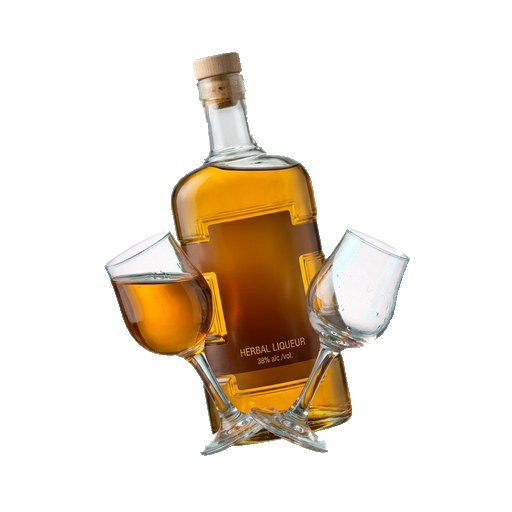
Herbal liqueur with a distinctive bitter-spicy flavor and intense aroma, created on the basis of more than 20 types of herbs and spices. In cooking, it is used for preparing cocktails, adding to desserts and baked goods, as well as as a digestif after a heavy meal. When replacing with other liqueurs, keep in mind its pronounced bitterness and spiciness — exact analogues are difficult to find, but other herbal liqueurs with a similar flavor profile can be used.
About
This herbal liqueur is one of the most recognizable in its class. Its alcohol content is around 40%, and the flavor profile is built on a blend of spicy, herbal, and slightly bitter notes. The drink has a characteristic yellow-brown hue and thick consistency that coats the mouth with a warm sensation. The aroma features anise, coriander, clove, and many other spices, but none of them dominates — everything works as a unified whole.
Taste and use in cocktails
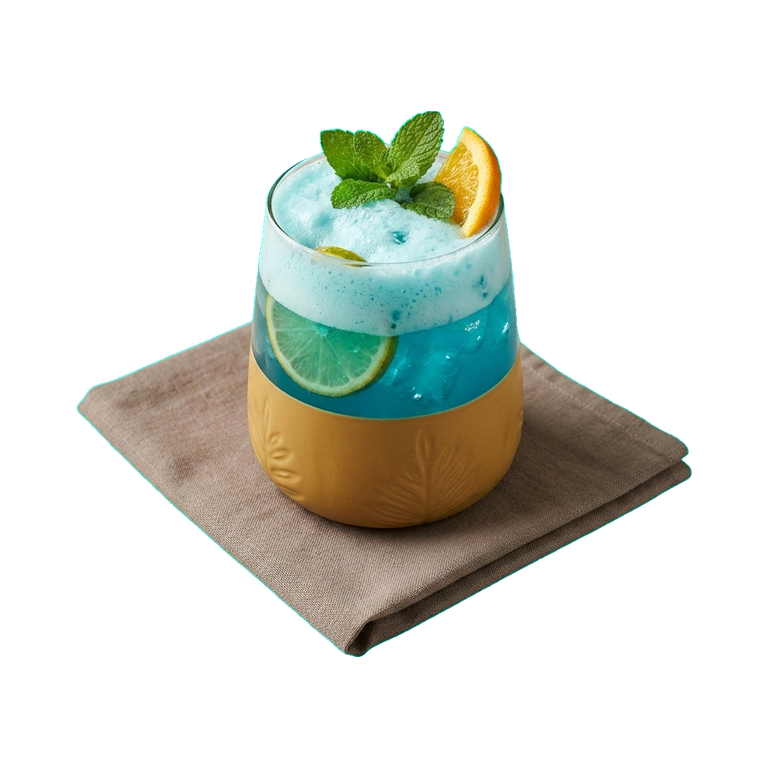
To the taste it is sweet, but not cloying — the sugar is balanced by spices and a light bitterness. It is drunk cold, often as a digestif after a heavy meal. However, in bar culture, the liqueur is actively used in cocktails: it works well with lemon juice, ginger beer, tonic, and strong alcohol. Its spicy profile adds depth to drinks that might otherwise seem too simple.
Combinations and Experimentation
- With ice and soda — a classic way when you want something refreshing without extra sweetness
- In a cocktail with vodka, lemon juice and honey syrup — a warming drink with spicy character
- With dark rum and ginger beer — perfect for a cold evening
- As an ingredient for hot drinks: add to tea or coffee for a spicy note
Store the liqueur in a cool place, protected from direct sunlight. After opening, it's best to keep the bottle in the refrigerator, especially if you opened it a long time ago. Thanks to its high alcohol content, the drink keeps well, but the taste may change over time. Use an open bottle within a year for maximum flavor freshness.
This liqueur is a universal helper in a home bar. You can drink it on its own, add it to cocktails, or use it to impart spiced depth to hot beverages. If you haven't yet tried working with herbal liqueurs in your experiments, this is an excellent entry point: the drink is aromatic and distinctive enough that you'll immediately feel how it transforms the taste of a dish or beverage.
Nutrition
per 100 ml
- Calories
- 230 kcal
- Protein
- 0 g
- Fat
- 0 g
- Carbs
- 16 g
Measures and weight
- 1 tbsp
- 15.8 g
- 1 tsp
- 5.3 g
- 1 cup
- 262.5 g
Measure calculator
- Weight
- 100 g
- Calories
- 219 kcal