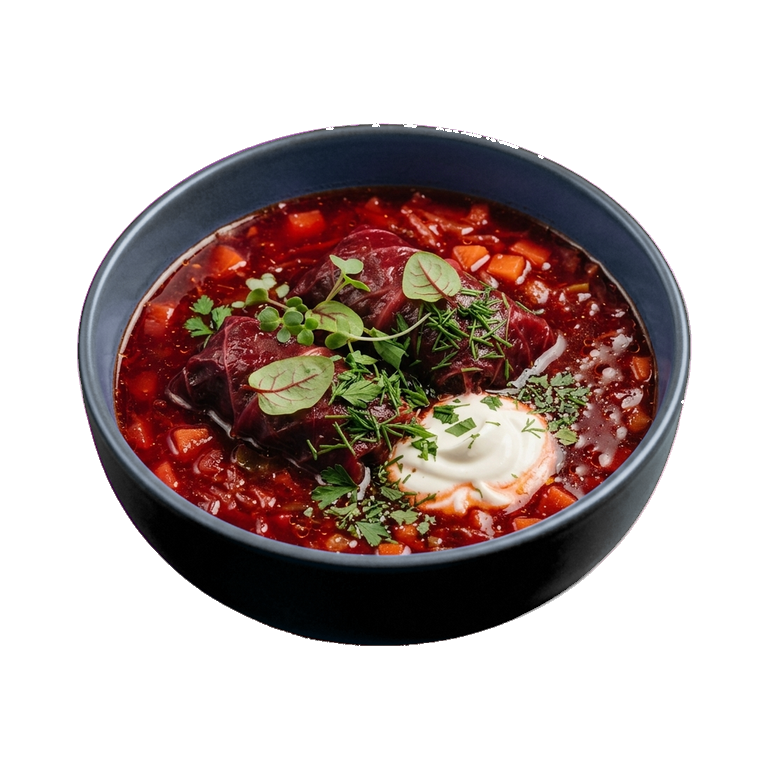
Usuba
Usuba
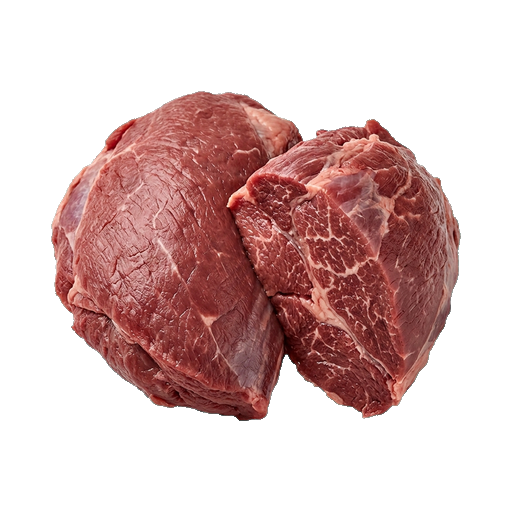
Beef cheeks
Beef cheeks are meat with a high content of connective tissue and collagen that becomes tender and acquires a rich flavor during prolonged stewing. This is a budget-friendly yet valuable ingredient for slow cooking, perfectly suited for stews, soups, and braised dishes. When selecting, pay attention to the color of the meat — it should be dark red, and when cooking, cheeks require a minimum of 2–3 hours to achieve the desired tenderness.
About
Beef cheeks are a cut of meat that for many years was considered a byproduct and ended up in ground meat. Today, chefs around the world have discovered its potential: when properly prepared, cheeks become an incredibly tender delicacy with a rich flavor. The meat here is dense, with good marbling and an abundance of connective tissue that, when cooked slowly or braised for a long time, transforms into gelatin and makes the dish literally melt in your mouth.
Taste and texture
Cheeks have a deep, concentrated beef flavor — more pronounced than in steaks or cutlets. This happens because the muscle is constantly working, containing more myoglobin and developing a more intense flavor profile. After prolonged braising, the texture becomes tender and fibrous, almost like a stew, but with an even more pleasant consistency. Each piece literally falls apart at the touch of a fork.
How to cook cheeks
The main rule: cheeks need time. Quick processing won't work. The optimal method is low-temperature braising for three to four hours. Start by searing on high heat to create a crust and develop aromatic compounds. Then transfer the meat to a pot with liquid (broth, wine, tomato juice) and braise in the oven at 160-180 degrees until completely tender.
- Brown the cheeks on all sides in a thick-bottomed pot or Dutch oven
- Add vegetables (carrot, celery, onion) and brown them
- Pour in red wine, beef broth, or a mixture of both
- Cover with a lid and braise in the oven for 3-4 hours
- Check for doneness: the meat should separate easily with a fork
Pairings and Dishes
Cheeks are ideal for braised dishes: classic Bolognese, French bourguignon, Spanish ragout. They work well in soups — the meat imparts all its flavor to the broth while becoming tender and aromatic. Red wine, tomatoes, garlic, bay leaf, thyme and rosemary — these are the natural companions of cheeks. Cheeks also pair excellently with root vegetables: carrots, potatoes, parsnips.
Selection and Preparation
When purchasing, pay attention to the color: the meat should be dark red, without gray or brown spots. Cheeks are sold as whole pieces or cut into portions. Whole pieces are cheaper and more convenient for long stewing. Before cooking, remove the film if present and rinse the meat. There is no need to trim the fat — it adds flavor and helps keep the meat juicy.
Fresh cheeks can be stored in the refrigerator for 2-3 days. If you plan to cook them later, freeze them — in the freezer they will maintain their quality for up to three months. A finished dish made from cheeks stores well and even improves the next day when the flavors fully develop. This makes cheeks a convenient choice for a weekend meal or a holiday table.
Nutrition
per 100 g
- Calories
- 130 kcal
- Protein
- 20 g
- Fat
- 5 g
- Carbs
- 0 g
Measure calculator
- Weight
- 100 g
- Calories
- 130 kcal