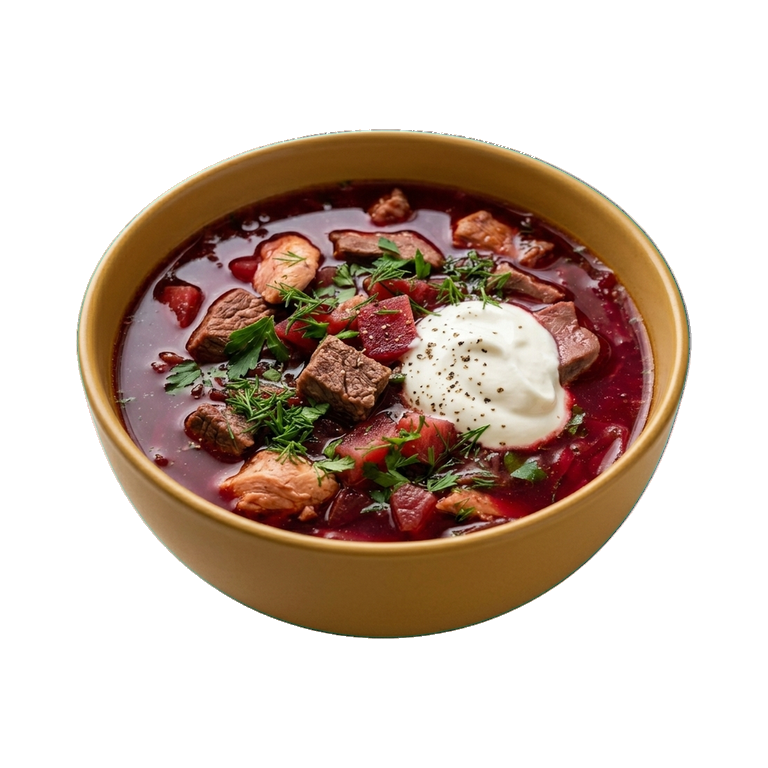
Usuba
Usuba
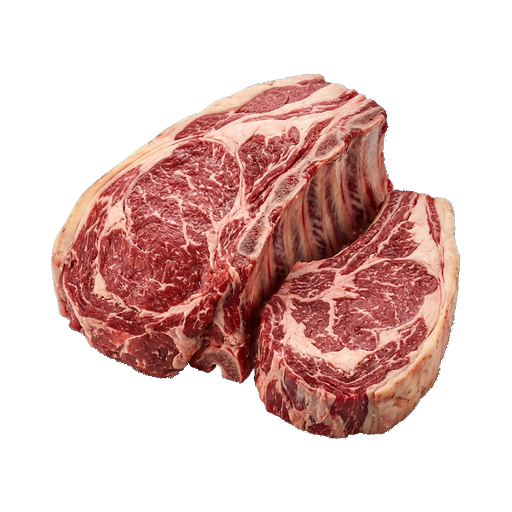
Beef short loin, bone-in
This is a large piece of beef with ribs from the back part of the carcass, featuring a marbled structure and good fat marbling. The meat is distinguished by its juiciness and rich flavor thanks to the bone base, which enriches the dish with gelatin and minerals during cooking. Rib roast is ideal for roasting as a whole piece, grilling steaks, and long braising — the bone serves as support and prevents the meat from drying out. When choosing, it is important to ensure the density of the meat and the light-red color of a fresh cut.
About
Beef rib on the bone is a premium cut of meat that combines the marbling of muscle tissue with the density of bone structure. The bone in this cut acts as a natural heat conductor and a source of collagen, which during prolonged cooking transforms into gelatin and gives the dish a rich flavor and noble consistency.
Taste and aroma
Ribeye meat has a deep, pronounced beef flavor with a subtle sweetness note. When seared, it forms a crispy crust with caramel undertones — this is the result of the Maillard reaction, which brings out all aromatic compounds. The bone adds umami, making the dish more complex and lingering on the palate.
How to cook and use
Pork loin is excellent for slow cooking: braising, baking in the oven, simmering at low temperature. The bone holds the shape of the piece, so the meat doesn't fall apart and remains juicy even with prolonged cooking. For quick cooking (pan-frying or grilling), choose thinner cuts — they will cook evenly, and the bone will add a beautiful appearance to the finished dish.
- French classic recipe: sear over high heat until golden brown, then braise in red wine with vegetables at low temperature for 3–4 hours
- Baked in the oven with herbs and garlic — the bone protects the meat from drying out, and the marrow fat enriches the tissue
- In soups and broths — the bone gives a clear, aromatic broth, and the meat remains tender and fibrous
- On the grill or coals — the bone serves as a natural handle, and the meat cooks to medium-rare in 8–12 minutes
Selection and Storage
When choosing, pay attention to the color of the meat — it should be bright red or dark red, without gray spots. The bone should be white or cream-colored, without darkening. The fat (if present) should be light and dense, not yellow or soft. The smell should be fresh, meaty, without sourness or mustiness.
Store the pork loin best on the lower shelf of the refrigerator in its original packaging or wrapped in parchment paper — this way it doesn't contact other products and doesn't lose moisture. In the freezer, meat maintains its quality for up to 3–4 months. Before cooking, take it out 30–40 minutes before you start — the meat should warm up to room temperature for even cooking.
Dish Combinations
Pork loin works well with dense vegetables: carrots, celery, onions. Red wine, dark beer, beef broth — classic braising liquids. Herbs: rosemary, thyme, bay leaf — enhance the meaty flavor. Spices: black pepper, mustard, juniper — add pungency and depth. Mushrooms (porcini, button mushrooms) create even more umami and make the sauce silkier.
Nutrition
per 100 g
- Calories
- 205 kcal
- Protein
- 19.5 g
- Fat
- 14 g
- Carbs
- 0 g
Measure calculator
- Weight
- 100 g
- Calories
- 205 kcal