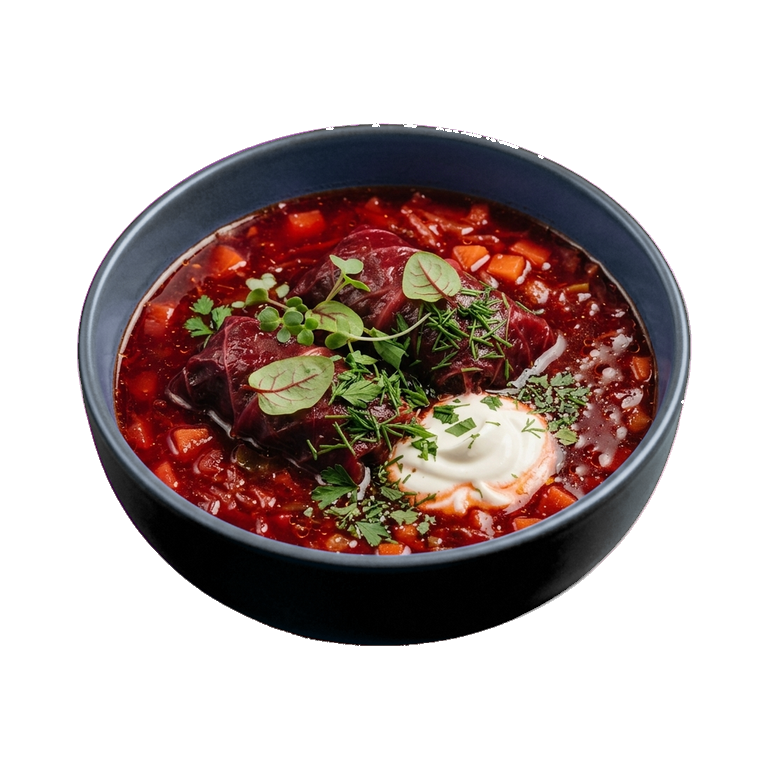
Usuba
Usuba
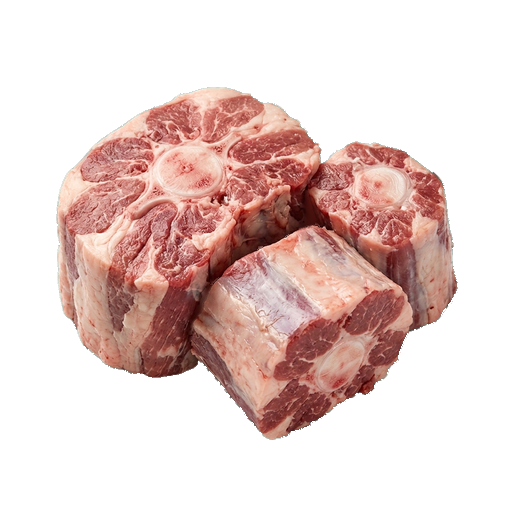
Beef tail
Beef tail is a meat and bone product with high collagen and fat content that transforms into tender aspic with rich, savory flavor during prolonged simmering or braising. Thanks to the bones and connective tissue, the tail is ideal for making broths, soups, stews, and meat jellies, imparting deep flavor and natural gelatin to the liquid. When selecting, prefer tails with a clean surface and firm meat, and when cooking, allow a minimum of 2–3 hours of braising or simmering to achieve tenderness.
About
Beef oxtail is one of the most rewarding cuts of meat for long cooking. It consists of vertebrae surrounded by layers of muscle tissue and connective material, which, when properly prepared, transform into tender, literally melt-in-your-mouth meat. It is not a premium cut, but its value is revealed precisely in the cooking process.
Taste and Aroma
The tail is distinguished by a rich, deep meaty flavor. Due to its high content of collagen and fat, during long stewing or boiling it releases a huge amount of gelatin, which enriches the broth and gives the dish thickness and velvety texture. The aroma while cooking becomes strong and meaty, with subtle notes of bone marrow.
Role in dishes
- Broths and soups — tail creates the base for a rich, clear or creamy broth, ideal for borscht, noodle soup or classic meat soup
- Stews and braised dishes — meat easily separates from bones after one to one and a half hours of cooking, remains juicy and easily absorbs sauces
- Aspic and jellied dishes — thanks to collagen, tail is ideal for preparing these dishes, gives a natural gelatinous consistency
- Asian dishes — tail works well in Thai soups, Chinese stews, Vietnamese broths
Combinations with spices and vegetables
Oxtail pairs well with bold flavors. It goes great with black pepper, bay leaf, thyme, and rosemary. The classic combination is carrots, celery, and onions. For a more pronounced taste, add tomato paste, red wine, and garlic. In Asian cuisine, oxtail works beautifully with ginger, lemongrass, star anise, and soy sauce.
Selection and Storage
When choosing, look at the color of the meat — it should be bright red or dark red, without gray spots. The tail is often sold cut into rings 4–6 cm thick, which is convenient for cooking. Make sure the meat is firm and the bone has no dark coating.
- In the refrigerator — up to 3–4 days in the coldest part, in an airtight container or on a plate covered with plastic wrap
- In the freezer — up to 6–8 months in a vacuum-sealed bag or wrapped in plastic wrap and foil
- Thaw in the refrigerator overnight — this way the meat will retain its moisture and structure
Cooking Tips
Before cooking, scald the tail with boiling water to remove dirt and blood. Don't rush with the temperature — slow stewing over low heat will give better results than intense boiling. Cook for a minimum of one and a half hours, but preferably two to three hours. The meat is ready when it easily separates from the bone with a fork. If you're making broth, remember to skim off the foam during the first 10–15 minutes of cooking.
Nutrition
per 100 g
- Calories
- 220 kcal
- Protein
- 20 g
- Fat
- 15 g
- Carbs
- 0 g
Measure calculator
- Weight
- 100 g
- Calories
- 220 kcal