Usuba
Usuba
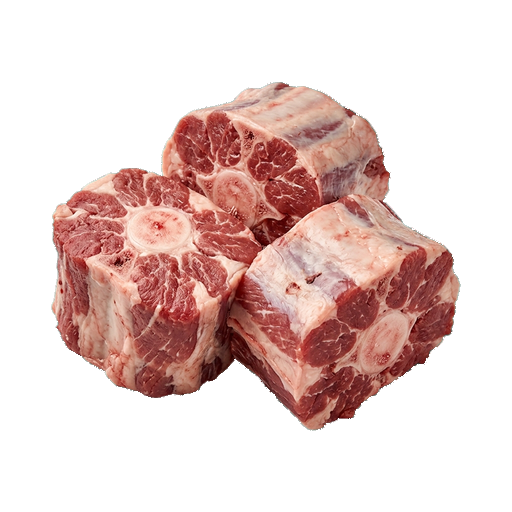
Beef with bone
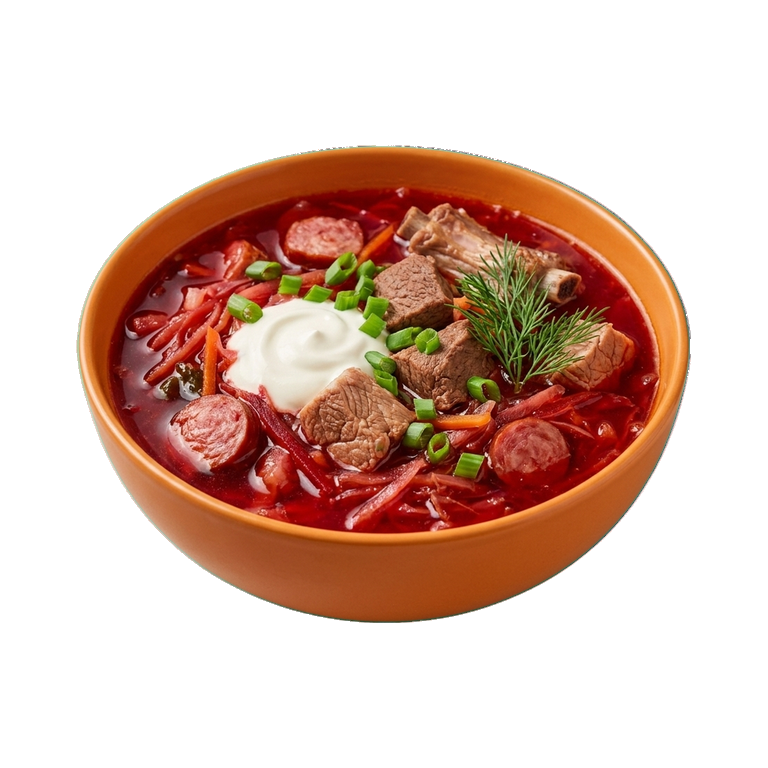
Beef on the bone consists of meat cuts with bone that are ideal for long braising, making broths and soups. The bone imparts a deep, rich flavor to the dish and makes the broth gelatinous thanks to collagen, while the meat itself becomes tender and juicy with proper heat treatment. When selecting, prefer cuts with a beautiful marbled fat pattern, and avoid dark spots and discoloration — these are signs of improper storage.
About
Beef with bones is not just a piece of meat, but a full-fledged ingredient that works on the flavor of the dish at multiple levels at once. The bone releases collagen into the broth, which transforms into gelatin and gives the dish thickness and an enveloping texture. Meat next to the bone remains more juicy during boiling and frying because the bone transfers heat more slowly. As a result, you get not just a finished product, but the foundation for a complete dish.
Aroma and depth of flavor
Bone contains bone marrow and minerals that, when heated for a long time, reveal a rich, almost nutty aroma. This is especially noticeable in slow-cooked dishes — stews, soups in which beef simmers for hours. The meat acquires a more pronounced beef flavor, becomes less bland and dull. When you cut such a piece, you see pink marrow inside the bone — this is an indicator of freshness and quality.
Where and how to use it
- Broths and soups — bone simmers for 4–6 hours and imparts all its value to the liquid; meat becomes tender and easily separates from the bone
- Stews and braised dishes — beef on the bone doesn't fall apart, remains whole and beautiful on the plate, and the sauce turns out rich and viscous
- Roasted and baked meat — bone protects the meat from drying out and helps it cook evenly
- Aspic and jelly — cannot be made without bones; it's the bone that gives the desired consistency after cooling
Practical cooking tips
Before cooking, it's best to pour boiling water over the meat — this will remove surface contaminants and make the broth clearer. If you're frying beef with bone, start at high temperature so the meat seals and retains its juices inside. The bone should be taken into account when calculating the yield: approximately one-third of the piece's weight is bone, which is not eaten but contributes to the flavor.
Selection and Storage
Fresh meat has a bright red color, the bone is light without darkening. The smell should be meaty, pleasant, without sourness. If the bone is wrapped in film and there is liquid visible, this is normal, but the liquid should not be cloudy or brown. In the freezer, beef with bone is stored for up to four months, in the refrigerator for two to three days. Thaw slowly in the refrigerator so the meat does not lose moisture.
Combinations with other ingredients
- Root vegetables (carrots, celery, onion) — a classic trio for broth; they enhance the aroma and add sweet notes
- Tomatoes and tomato paste — add acidity and depth, especially in stews
- Red wine — works in braised dishes, tenderizes meat and adds complexity
- Herbs (bay leaf, thyme, rosemary) — emphasize the meat flavor without overpowering it
- Black pepper and juniper — provide spicy notes without harshness
Beef with bones is a choice for those willing to invest time in the process and get a dish that cannot be achieved with boneless meat. Bone is not waste, it is an investment in depth of flavor and quality of the finished dish.
Nutrition
per 100 g
- Calories
- 218 kcal
- Protein
- 18.9 g
- Fat
- 15.3 g
- Carbs
- 0 g
Measure calculator
- Weight
- 100 g
- Calories
- 218 kcal