Usuba
Usuba
Sponge cake base for cake
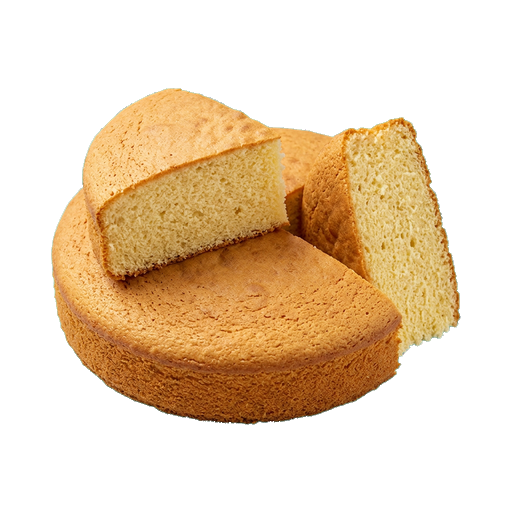
Light and airy sponge cake is a versatile base for layered cakes, created by whisking eggs with sugar and carefully folding in flour. The finished layer has a delicate, porous structure that absorbs syrups and creams well, creating a balanced flavor and soft texture in each layer. When selecting, it's important to ensure the sponge cake is not overdried and retains its elasticity — this way it will better hold its shape under the weight of fillings and won't crumble when sliced.
About
Sponge cake base is the foundation on which most classic cakes are built. Light, porous, with a tender crumb, sponge cake absorbs syrups and creams, yet remains dense enough to hold its shape. It is a universal canvas on which pastry chefs work: it is equally good with fruit fillings, butter creams, and glazes.
Structure and Texture
The main advantage of sponge cake is its porous structure. Air cells are formed thanks to whipped eggs, which trap air bubbles. When you cut such a cake layer, it does not crumble, but neatly divides into layers. The crumb remains soft, but not moist — this is the ideal balance for absorbing the syrup without the risk of falling apart.
Role in cakes
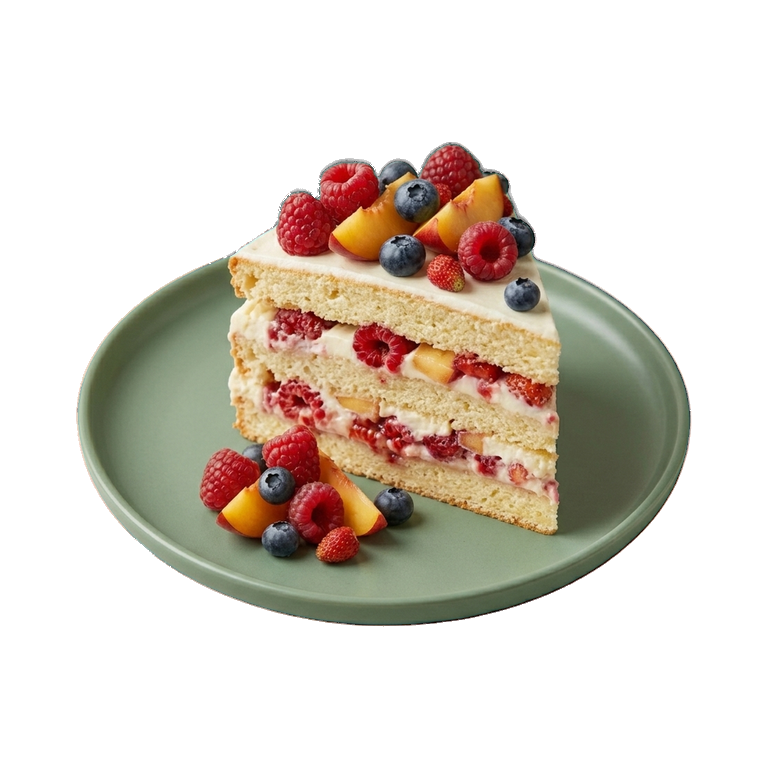
The sponge base works as a neutral partner. Its soft, slightly sweet flavor doesn't compete with fillings — whether it's raspberry with cream, chocolate ganache, or caramel. It supports the weight of the upper layers without deforming, and distributes moisture evenly throughout the cake, ensuring consistent texture in every slice.
Combinations and Infusions
- Sugar syrup with vanilla or lemon — a classic option that doesn't overpower the cream flavor
- Fruit juices and compotes — add freshness and additional moisture
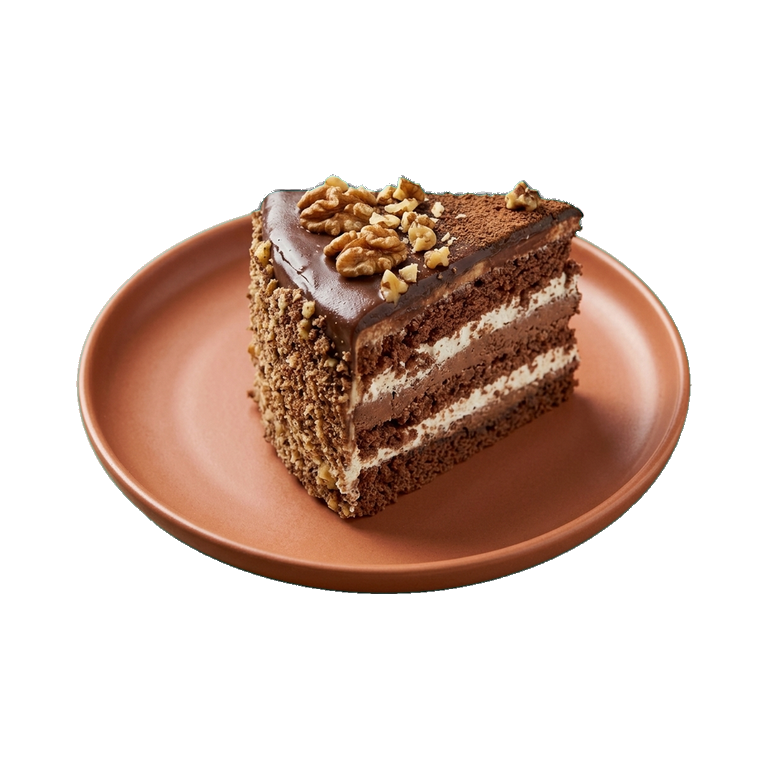
- Coffee solution — pairs well with chocolate and butter fillings
- Alcoholic impregnations (cognac, rum, liqueurs) — add depth and help preserve moisture
How to choose and use
If you're baking a cake at home, look for ready-made sponge bases with a simple composition: eggs, sugar, flour, and minimal leavening agent. A good sponge cake should not be too dense — when pressed with a finger, it should spring back and restore its shape. Pay attention to the expiration date: fresh sponge cake is softer and better absorbs the filling.
When using, slice the base into layers horizontally with a sharp knife dipped in hot water. Soak each layer evenly, but don't overdo it — excess liquid will soften the structure. Let the cake rest in the refrigerator so that the layers bond well and the flavors blend together.
Sponge cake base is not just a base, but a pastry chef's tool. It allows you to bring any idea to life: from a classic napoleon to a custom cake with unusual flavor combinations. When properly chosen and properly used, it makes every piece of cake a pleasure.
Nutrition
per 100 g
- Calories
- 300 kcal
- Protein
- 6 g
- Fat
- 7 g
- Carbs
- 52 g
Measures and weight
- 1 pcs
- 350 g
Measure calculator
- Weight
- 100 g
- Calories
- 300 kcal