Usuba
Usuba
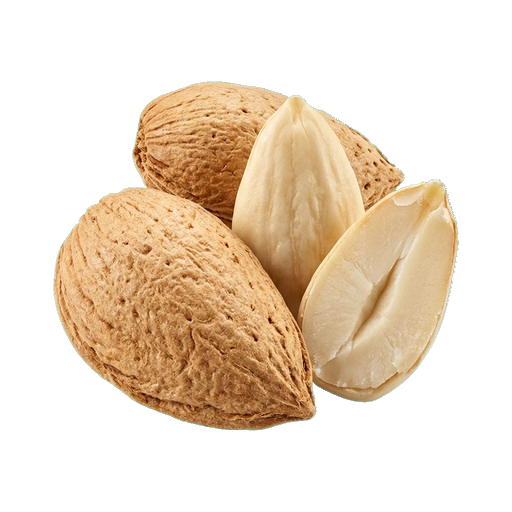
Bitter almond
Bitter almond contains amygdalin — a substance that transforms into hydrocyanic acid when processed, which is why it cannot be consumed fresh. After special heat treatment or extraction, it acquires an intense, pronounced almond aroma and is used in the production of almond oil, extracts, and flavorings in the confectionery industry. In home cooking, bitter almond is rarely encountered — it is usually replaced with almond extract or essence, which are safe and provide the desired flavor effect in baking, desserts, and beverages.
About
Bitter almond is not a separate variety, but the kernels of a wild almond tree that contain the glycoside amygdalin. This substance gives them a characteristic bitter taste and intense almond aroma. In cooking, bitter almond is not used as a standalone snack, but as a flavoring agent and component for creating extracts, oils, and liqueurs. It is important to remember: in raw form, bitter almond contains substances that require processing before consumption.
Aroma and taste intensity
Bitter almonds have a bright, almost piercing aroma — much more pronounced than sweet almonds. Just a few kernels are capable of flavoring an entire dish. The taste is rich, with a slight bitterness and astringency that adds depth and complexity. This is precisely why it is often used in minimal quantities — it's easy to overdo it, and the result can be bitter and unpleasant.
Role in Cooking
In professional kitchens, bitter almonds work as an aromatic flavor enhancer. They are used to make almond extract, which is added to baked goods, creams, ice cream, and beverages. A few kernels, ground and added to cookie or pie dough, give them a recognizable almond character. Bitter almonds are also found in some liqueurs and tinctures thanks to their intense flavor profile.
Successful Combinations
- Baked goods and confectionery — cookies, sponge cakes, cupcakes, pastries
- Creams and mousses — for adding almond flavor without extra sugar
- Fruits in syrup — pears, peaches, apricots acquire a refined taste
- Meat dishes — in marinades and sauces for duck or pork
- Beverages — in milk cocktails, hot chocolate, coffee
Selection and Storage
Bitter almonds are sold mainly in specialized stores or online shops, often in the form of kernels in shells. Choose kernels without cracks, mold, and musty odors. Bitter almonds should be stored in an airtight container in a cool, dark place or in the refrigerator — the oils contained in the kernel oxidize quickly in light and air. Storage life under proper conditions is 6–8 months.
Correct dosage
The main rule when working with bitter almonds is caution. For extract, typically use 10–15 kernels per 500 ml of alcohol. In baking, add 5–10 ground kernels per kilogram of dough. Start with a smaller amount, taste the result, and then adjust to your preference. One or two kernels, grated into a dish, can completely change its aromatic profile.
Important About Safety
Bitter almonds contain amygdalin, which under certain conditions can be converted into hydrogen cyanide. This does not mean that the ingredient is dangerous, but it requires respect for the technology. Heat treatment (roasting, boiling, baking) neutralizes potential risks. Use bitter almonds in recipes where they undergo heat treatment, or in the form of an extract, where hazardous substances are already inactivated. Avoid consuming raw bitter almonds in large quantities.
Practical Tips
- Chop bitter almonds immediately before use to keep the aroma as fresh as possible
- Lightly roast the kernels before adding to the dish — this will enhance the flavor and ensure safety
- For homemade almond extract, pour chopped kernels into vodka or spirits and steep for 2–3 weeks
- Mix bitter almonds with sweet almonds in a 1:10 ratio for a balanced aroma without excessive bitterness
Nutrition
per 100 g
- Calories
- 575 kcal
- Protein
- 21.3 g
- Fat
- 49.9 g
- Carbs
- 21.6 g
Measures and weight
- 1 tbsp
- 9 g
- 1 tsp
- 3 g
- 1 cup
- 150 g
- 1 pcs
- 1.2 g
Measure calculator
- Weight
- 100 g
- Calories
- 575 kcal