Usuba
Usuba
Black beans
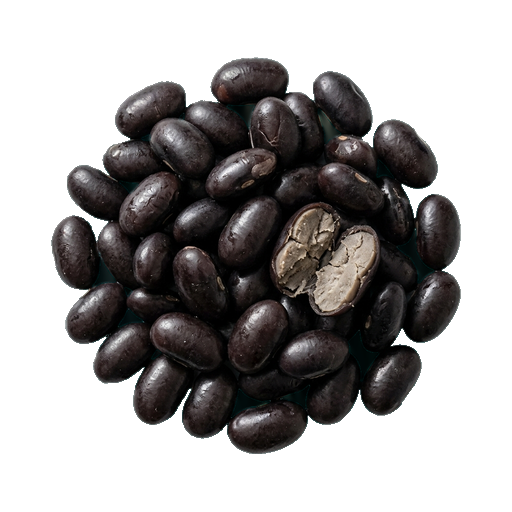
Black beans are a nutritious source of protein and fiber with dense flesh and a slightly sweet, earthy flavor. They absorb the flavors of spices and other ingredients well, making them ideal for soups, stews, salads, and fillings. When selecting, prefer whole beans without cracks, and soak them overnight before cooking to reduce cooking time and improve digestibility.
About
Black beans are dense, nearly black grains with a rich earthy flavor and creamy texture after cooking. They absorb the flavors of spices and sauces, making them easy to incorporate into spicy, aromatic, and hearty dishes. Beans are versatile: suitable for soups, stews, salads, and even sweet desserts in some cuisines.
Taste and Texture
When cooked, black beans become soft while maintaining their shape — they don't fall apart into mush. The flavor is neutral, slightly sweet, with a barely noticeable bitterness in the skin. This allows them to work well in both spicy Mexican dishes and delicate soups and side dishes. If overcooked, the beans will lose their structure, so it's important to monitor the cooking time.
Preparation and cooking
Dry beans should be rinsed and soaked for 6–8 hours or overnight. This reduces cooking time and aids digestion. After soaking, drain the water, add fresh water, and simmer for 1–1.5 hours over medium heat until tender. It's best to salt at the end of cooking — salt slows down the softening of beans. Canned beans are ready to use immediately: simply rinse and add to your dish.
Where to use
- Soups and stews — beans provide thickness and nutritional value
- Stews and chili — classic ingredient in spicy dishes
- Salads — cold salads with beans, vegetables and lemon dressing
- Purees and pasta — base for spreads and side dishes
- Rice and grains — complement to side dishes for protein balance
Combinations and seasonings
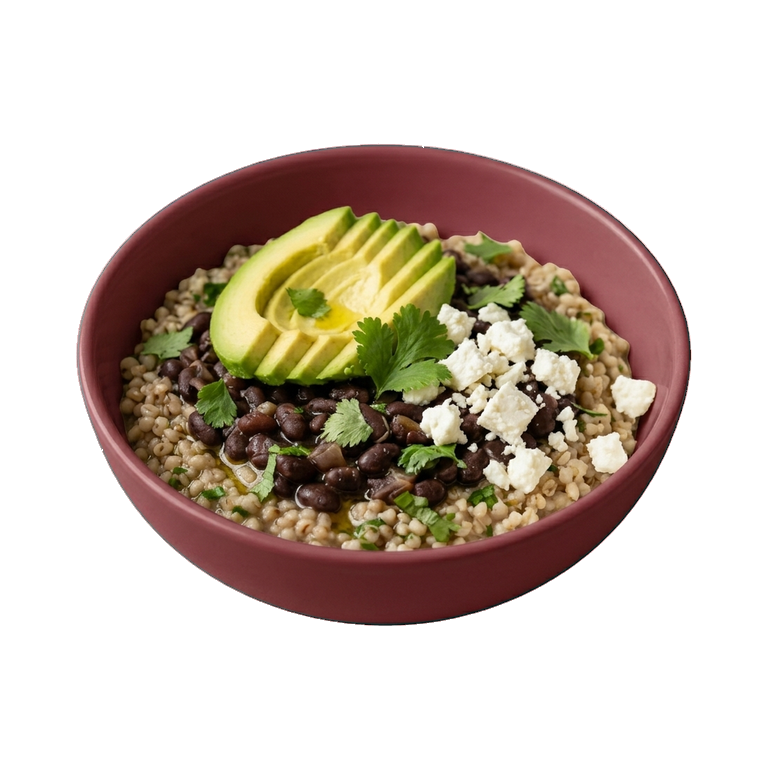
Black beans pair well with spicy spices: garlic, cumin, paprika, and chili. Onions and tomatoes create a classic base. Coconut milk adds creaminess, lime and cilantro bring freshness. They handle the smoky notes of smoked paprika and warm notes of cinnamon well. Try combining beans with avocado, corn, and hot sauce for a rich dish.
Selection and Storage
When buying dried beans, make sure they are uniformly black in color without cracks or deformities. Store them in an airtight container in a dry place — this way they will retain their properties for up to a year. Canned beans in tin cans or glass jars take up less space and cook faster, but contain more sodium. Cooked beans can be frozen in portions in containers or bags — they will last 3–4 months and will be useful for quick dinners.
Black beans are an economical source of plant-based protein and fiber. They require minimal preparation and work great in both traditional and experimental recipes. Try adding them to your favorite dishes — the flavor will be richer and the nutritional value higher.
Nutrition
per 100 g
- Calories
- 341 kcal
- Protein
- 21.6 g
- Fat
- 1.4 g
- Carbs
- 61.6 g
Measures and weight
- 1 tbsp
- 12 g
- 1 tsp
- 4 g
- 1 cup
- 200 g
Measure calculator
- Weight
- 100 g
- Calories
- 341 kcal