Usuba
Usuba
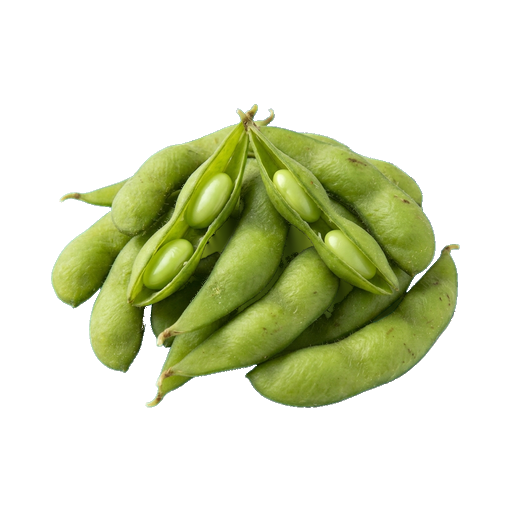
Edamame
Young soybeans in pods with tender, slightly sweet flesh and a nutty flavor. They are served as an appetizer, often salted, or used in salads, soups, and Asian dishes, adding protein and texture. When selecting, look for bright green pods without darkening, and it's best to freeze edamame right after purchase to preserve freshness and nutrients.
About
What is edamame and why is it on the table
Edamame are young soybean pods harvested before full maturity. They remain tender, slightly sweet, and have a pleasant buttery texture. Unlike mature soybeans, edamame are eaten straight from the pod by removing the beans with your teeth or fingers — this makes them a convenient snack and an interesting side dish to main courses.
Edamame is rich in plant-based protein, fiber, and contains all essential amino acids. This makes them a valuable product for both vegetarians and those who simply want to diversify their diet with quality protein. At the same time, the calorie content remains moderate, and the fats are mainly beneficial.
Taste and Aroma
Edamame has a delicate and slightly nutty taste with a barely perceptible sweetness. Young beans have a soft, almost creamy flavor that easily absorbs seasonings. The aroma is fresh and herbaceous, especially pronounced in freshly cooked pods. The texture is firm but not tough — the beans easily break down on the tongue.
How to cook and use
The simplest way is to boil edamame in salted water for 4–5 minutes if fresh, or 7–8 minutes if frozen. Sprinkle the cooked beans with sea salt, drizzle with oil, and serve warm. This is a classic appetizer to serve with beer or an aperitif.
Edamame works well in salads — add them to vegetables, greens, and light dressings. They are suitable for soups, rice bowls, and Asian noodle dishes. You can stir-fry the beans with spices, garlic, and ginger for a more rich flavor. Some make pasta from them or use them as a component in vegan burgers.
- Sea salt and black pepper — a classic
- Garlic oil and chili flakes — for a piquant touch
- Sesame and soy sauce — Asian style
- Lemon juice and fresh herbs — for lightness
- Paprika and turmeric — for warmth and color
Selection and Storage
Fresh edamame can be harder to find than frozen, but frozen is just as good — they are harvested at peak ripeness and frozen quickly. When choosing frozen edamame, make sure the pods are whole, without ice crystals or clumps. Store them in the freezer in an airtight container for up to six months.
If you're lucky enough to find fresh beans, use them within two to three days. Store in the refrigerator in a plastic bag or container. Before cooking, rinse under cold water and pat dry lightly.
Combinations with other ingredients
Edamame pairs well with hot spices, garlic, and ginger. They work well with citrus fruits — lemon and lime highlight their freshness. Sesame, coconut milk, and soy sauce create an Asian context. In the European style, edamame goes well with olive oil, fresh herbs, and cheese.
Edamame is one of the rare ingredients that is equally good as an appetizer, side dish, and a full-fledged component of a complex dish. Their versatility makes them a constant guest in the kitchen.
Nutrition
per 100 g
- Calories
- 122 kcal
- Protein
- 11.9 g
- Fat
- 5.2 g
- Carbs
- 9.9 g
Measure calculator
- Weight
- 100 g
- Calories
- 122 kcal