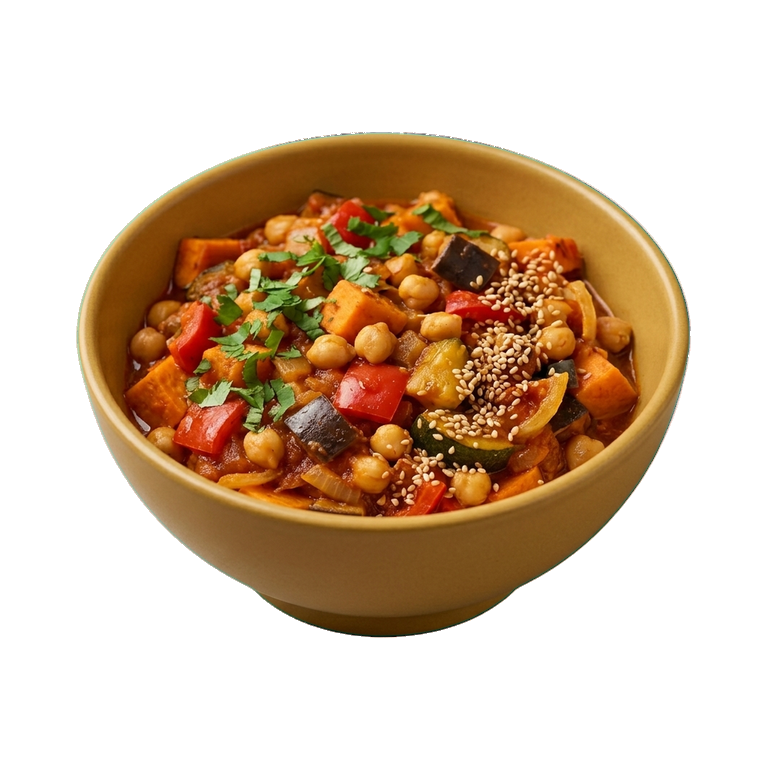
Usuba
Usuba
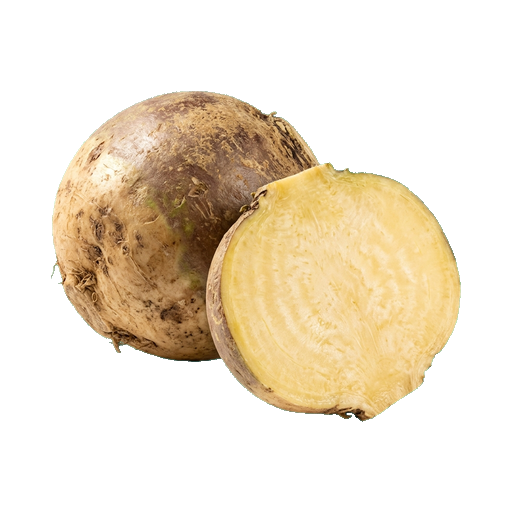
Rutabaga
Rutabaga is a cruciferous vegetable with dense yellow or purple flesh that tastes like radish with a hint of sweetness and bitterness. It is used in soups, stews, and side dishes, and tolerates long storage and prolonged heat treatment well. When choosing, prefer small fruits without damage — they are more tender and sweeter than large specimens.
About
What is a rutabaga and why you should cook it
Rutabaga is a root vegetable often confused with turnip, but it is larger, sweeter, and denser. The flesh is yellow or orange, with thick skin and a characteristic purple or yellow tint. In taste, rutabaga resembles a cross between turnip and carrot: sweet, with a slight bitterness and nutty notes. It is one of those vegetables that reveals its potential precisely during heat treatment — frying, boiling, or baking.
Aroma and Taste
Raw rutabaga crunches and tastes slightly bitter — it has the same sharpness as radish, but milder. When you boil or fry it, the bitterness disappears, sweetness emerges, and the structure becomes soft, almost creamy. Baked rutabaga acquires caramel notes and resembles mashed potatoes in consistency. The aroma is earthy, with light honey undertones.
How to cook and what to pair with
Rutabaga is versatile in the kitchen. You can cut it into cubes and add it to soup together with potatoes and carrots — it holds its shape well and doesn't fall apart. Fry it in oil until golden brown as a standalone dish or side dish. Bake it whole in the oven, then scrape out the flesh with a spoon — you'll get a puree that pairs well with butter and black pepper.
- Meat: beef, pork, duck — rutabaga absorbs meat juices perfectly and softens the richness
- Herbs: thyme, rosemary, sage — they emphasize the nutty background
- Oil: butter, nut oil, olive oil — any oil makes rutabaga richer
- Spices: nutmeg, black pepper, coriander — add depth
- Vegetables: carrots, potatoes, parsnips — work well in one dish
Selection and Storage
Choose medium-sized rutabagas — young ones are too soft, very large ones are often woody. The skin should be smooth, without dents or soft spots. If a rutabaga is light for its size, there may be a hollow inside. A heavy root vegetable is a sign that it is juicy and dense.
Rutabaga stores for a long time — in the refrigerator in the vegetable compartment it will last a month without any problems. In a cool dark place (cellar, basement) it can be stored for several months. Before storage, don't wash it, just wipe off the dirt. If the skin starts to wrinkle, don't worry — everything inside is still fine. Wrap chopped rutabaga in plastic wrap and use it within a week.
Rutabaga is a vegetable for those willing to give it some time on the stove. Raw, it goes unnoticed, but once you heat it, it opens up completely: becoming sweet, soft, and very satisfying.
Nutrition
per 100 g
- Calories
- 37 kcal
- Protein
- 1.2 g
- Fat
- 0.1 g
- Carbs
- 8.1 g
Measures and weight
- 1 pcs
- 500 g
Measure calculator
- Weight
- 100 g
- Calories
- 37 kcal