Usuba
Usuba
Cannelloni Pasta
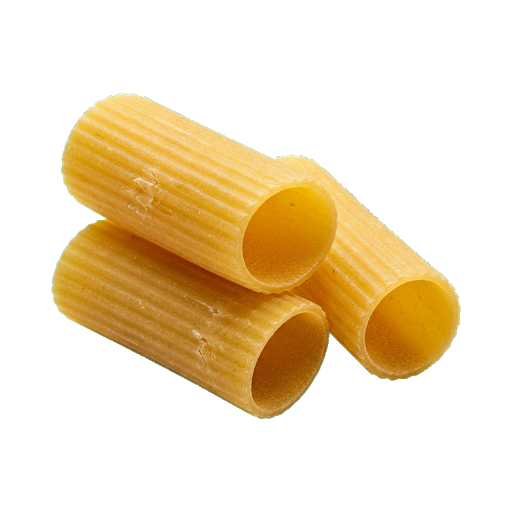
Cannelloni pasta consists of large hollow tubes approximately 2 cm in diameter, designed for filling with various ingredients. Thanks to its smooth surface and thick walls, the tubes absorb sauces well and hold the filling inside without breaking during cooking and baking. When choosing, pay attention to the color — quality pasta should be golden or yellow, without white spots, and cannelloni should not stick together or lose its shape during cooking.
About
Cannelloni are hollow pasta tubes of medium size, specially designed for stuffing. They are wider than regular tubular pasta and have a smooth or slightly ridged surface. The pasta is intended to be filled with stuffing directly inside or through the open ends, and then baked in sauce. It is not just pasta, but a ready-made base for a complete dish.
Role in dishes
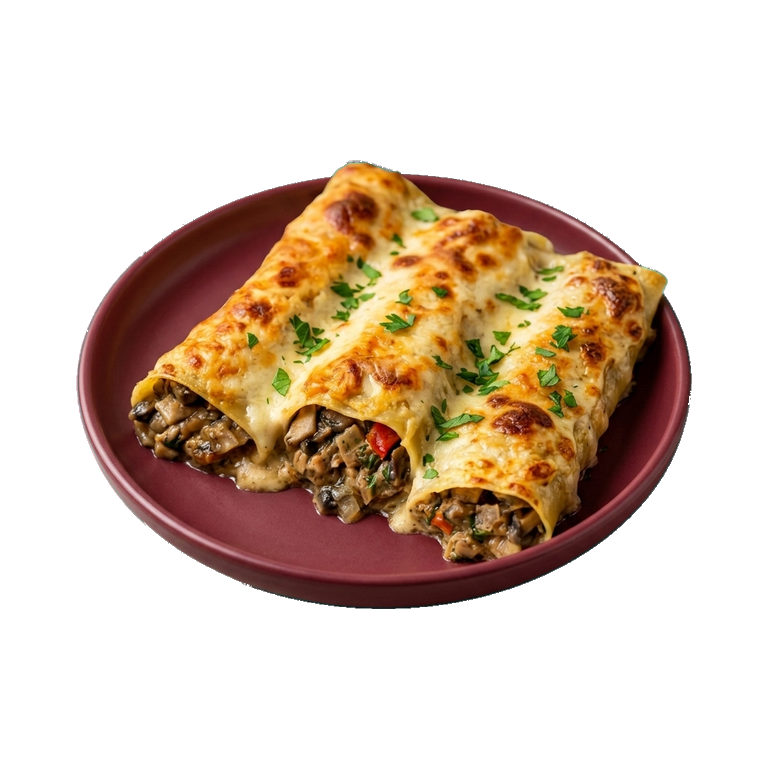
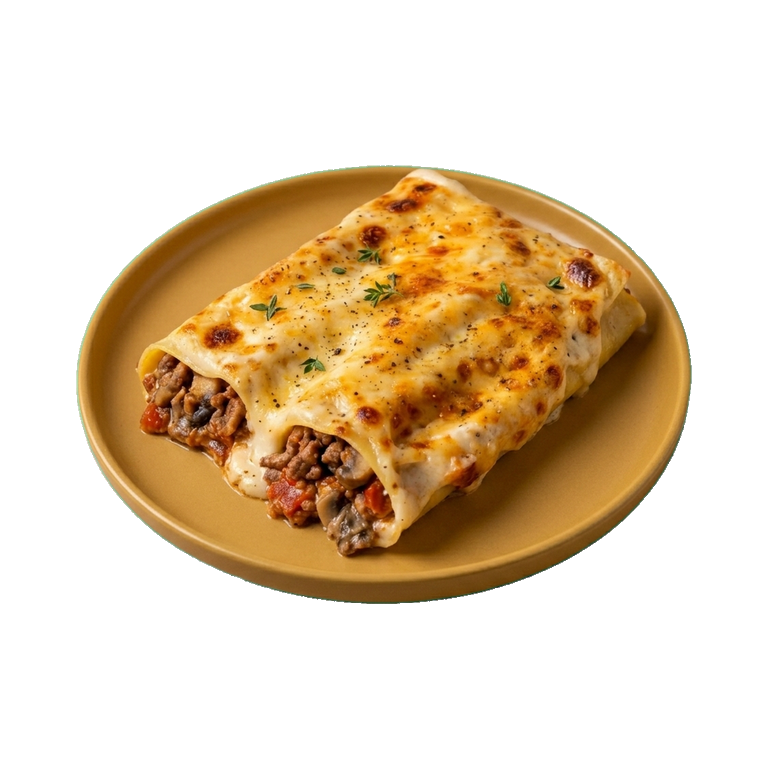
Cannelloni work as a container that holds the filling and absorbs the sauce during baking. Thanks to its hollow structure, the pasta becomes part of the composition, rather than just a side dish. The filling can be meat, cheese, vegetable, or mixed — pasta handles any of them equally well. During baking, the pasta softens, the sauce penetrates inside, and the result is a unified, well-integrated dish.
How to cook and stuff
- Boil cannelloni in salted boiling water usually for 8–10 minutes until the pasta is al dente — it will continue cooking in the oven
- Place the cooked pasta on a damp towel so the tubes don't stick together and are easier to fill
- It's most convenient to fill the pasta using a piping bag or a regular spoon directly into the tube opening
- Arrange the filled cannelloni in an oiled baking dish, cover with sauce (tomato, béchamel, or a combination) and bake at 180–200°C for about 25–30 minutes
Taste and Texture
The pasta itself is neutral in taste, without a pronounced aroma. Its purpose is to create a soft, delicate texture and serve as a base for other components. After cooking and baking, cannelloni become soft but do not fall apart if not overcooked. The flavor of the dish entirely depends on the filling and sauce, which are absorbed into the pasta.
Classic Combinations
- Meat filling (beef, pork or their mixture) with tomato sauce and béchamel
- Ricotta, spinach and parmesan with light tomato sauce
- Seafood (shrimp, fish) with cream sauce and white wine
- Vegetable filling (eggplant, tomatoes, mushrooms) with parmesan and olive oil
Selection and Storage
When purchasing, pay attention to the integrity of the tubes — they should not be broken or dented. Pasta made from durum wheat holds its shape best. Store dry pasta in an airtight package at room temperature away from moisture and sunlight — it easily absorbs odors. Properly packaged cannelloni can be stored for several years, but it is best to use them within a year of purchase for maximum freshness.
Main rule: do not overcook the pasta before stuffing. It should be slightly firmer than for a regular dish, because it will soften even more during baking.
Nutrition
per 100 g
- Calories
- 350 kcal
- Protein
- 13 g
- Fat
- 1.5 g
- Carbs
- 70 g
Measures and weight
- 1 pcs
- 15 g
Measure calculator
- Weight
- 100 g
- Calories
- 350 kcal