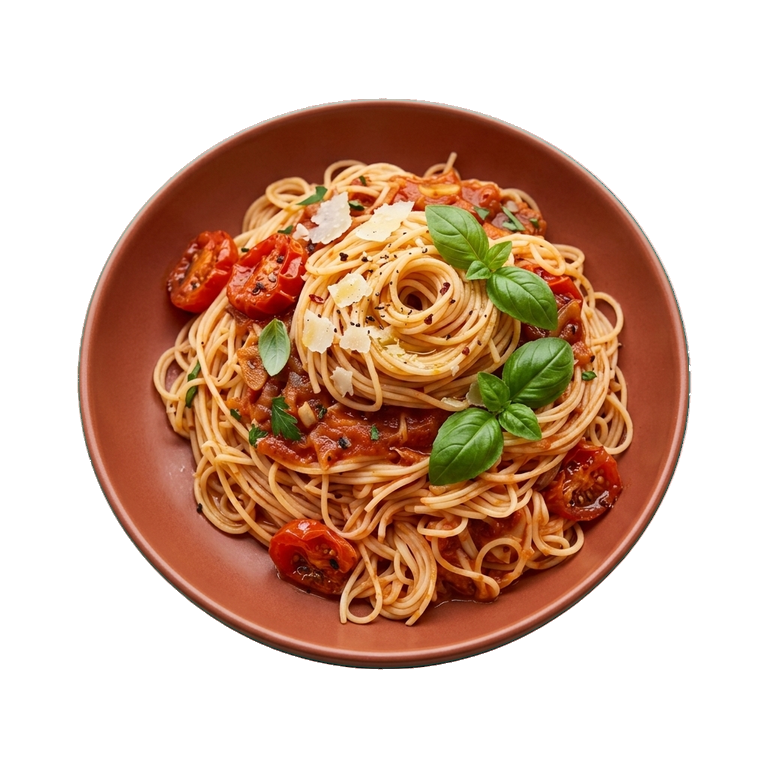
Usuba
Usuba
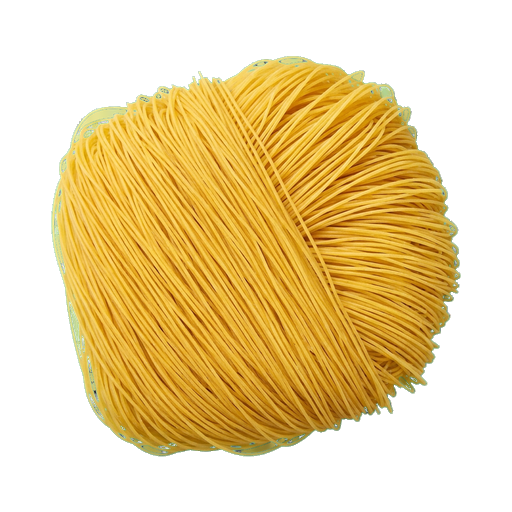
Capellini Pasta
Capellini is a thin, long pasta resembling hair with a diameter of just about 0.9 mm, which cooks two to three times faster than regular pasta. Thanks to its minimal thickness, it perfectly absorbs light sauces based on oil, tomatoes, or seafood without weighing down the dish. When choosing, look for pasta made from durum wheat and monitor the cooking time carefully — overcooked capellini quickly becomes soft and sticks together, so check for doneness a minute earlier than indicated on the package.
About
Capellini is a pasta that exists on the border between regular pasta and noodles. Its thickness does not exceed a millimeter, the strands are almost transparent in light, and they cook for only two to three minutes. It is not just thin pasta, but a separate class of product that requires special handling and understanding of how to prepare it so that it doesn't turn into mush.
Texture and Behavior in Water
The main property of capellini is its fragility and quick cooking time. Thin strands absorb water instantly, so overcooking them is very easy. Properly cooked capellini has an elastic core and a delicate, almost silky surface. It should be neither hard nor mushy — this is the golden mean that requires attention and a timer in the kitchen.
What to cook with it
Capellini works best with light sauces that don't weigh down its delicate thread structure. Garlic oil, tomato sauce, creamy herb dressings, seafood — these are its natural companions. Heavy meat ragus and thick cream sauces overpower capellini, causing it to lose its character.
- Aglio e olio — a classic with oil, garlic and red pepper
- With scallops or shrimp — delicate strands perfectly complement seafood
- Tomato paste with basil — simple sauce reveals the delicacy of capellini
- With lemon butter and parsley — light, summery dish
How to cook it
Start with well-salted boiling water — that's the key. Capellini cooks for 2–3 minutes, and you need to watch it, tasting every 30 seconds after two minutes of cooking. Don't cover the pot with a lid so the water doesn't boil over. Drain into a colander carefully, without breaking the strands, and immediately mix with the sauce so the pasta doesn't stick together.
Capellini requires constant attention. A minute's difference – and instead of delicate pasta you'll have a mushy mass. This is not a drawback, but its peculiarity, which makes it interesting to cook.
Selection and Storage
When purchasing, pay attention to the integrity of the threads in the package — capellini is fragile and often breaks during transportation. Good pasta has a yellow or light golden color, without white spots or signs of moisture. Store it in a dry place in an airtight container — moisture is the enemy of thin pasta.
Nutrition
per 100 g
- Calories
- 350 kcal
- Protein
- 12 g
- Fat
- 1.5 g
- Carbs
- 70 g
Measure calculator
- Weight
- 100 g
- Calories
- 350 kcal