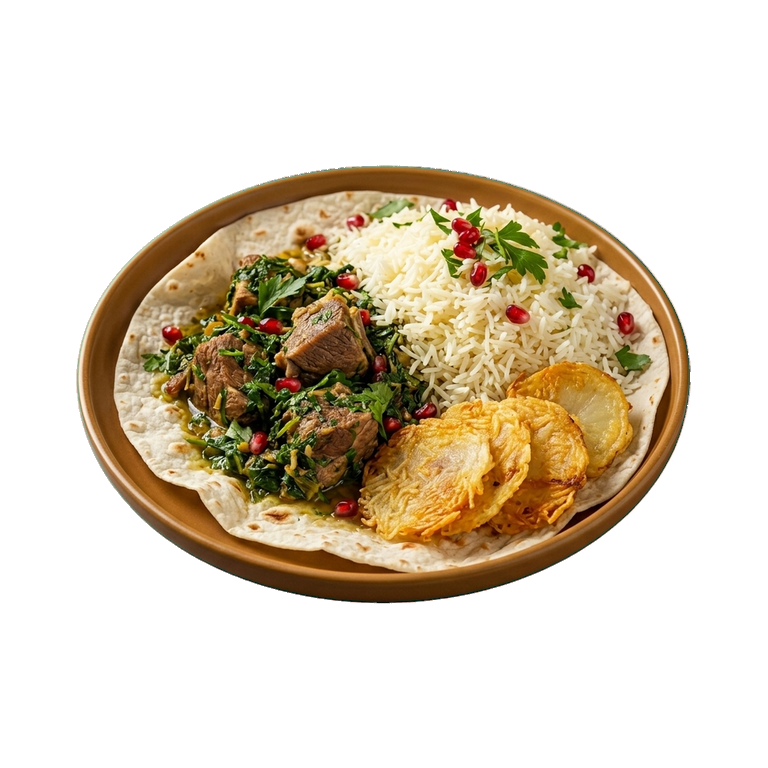
Usuba
Usuba
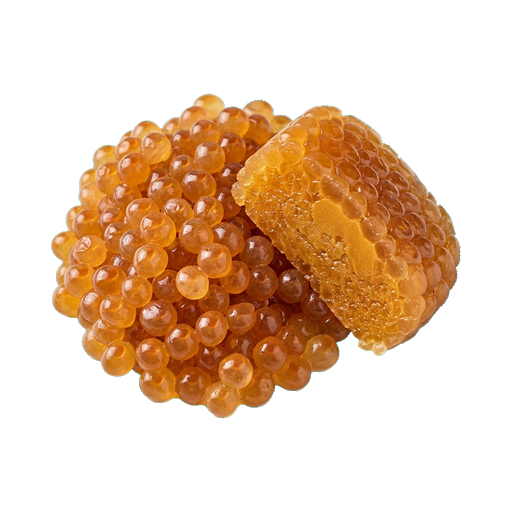
Caviar
Caviar is fish roe distinguished by its large grain size and dense consistency. It has a rich salty taste with a subtle bitterness and a delicate sea aroma. It is used as a standalone dish on sandwiches, in sushi and salads, and also serves as a garnish and delicate addition to appetizers and main courses.
About
What is keavar and why chefs value it
Caviar is sturgeon roe, which is considered one of the most delicate and expensive caviars in the world. The grains are large, dense, with a thin shell that bursts on the tongue, releasing an oily, slightly nutty flavor. The color varies from light gray to black depending on the sturgeon species and the fish's age. This caviar adorns the menus of Michelin-starred restaurants and becomes the center of attention at festive tables.
Taste and Aroma
Caviar has a deep, rich flavor with hints of sea salt and a subtle nutty aftertaste. The aroma is delicate, reminiscent of sea freshness. When stored and served properly, caviar should not have a fishy smell — this is a sign of poor quality or improper processing. Each grain literally melts in your mouth, leaving a subtle, noble trace.
How to use in cooking
Kyavar is caviar that requires minimal processing. It is served chilled, often as an appetizer or garnish for main dishes. The classic version is caviar on toast with butter or on pancakes with sour cream. In modern cuisine, kyavar is used to garnish sushi, added to seafood salads, served with oysters, or as a final touch to fish dishes. The main rule: kyavar is not cooked or heated to preserve its structure and flavor.
Perfect Pairings
- Butter and white bread — a classic combination that highlights the delicate flavor of caviar
- Sour cream and pancakes — a traditional Russian way of serving
- Champagne and white wines — caviar shines brighter alongside sparkling beverages
- Seafood — shrimp, oysters, crab meat harmonize with caviar
- Potatoes — hot baked potatoes or potato chips contrast beautifully with chilled caviar
How to Choose and Store
When selecting caviar, pay attention to the integrity of the grains — they should be firm and not sticky. The caviar should have a shine, but not be excessively moist. The smell should be marine, without a fishy odor. The color depends on the type, but it should be uniform. Check the production date and storage conditions with the seller.
Caviar should be stored in the refrigerator at a temperature between minus 2 and minus 4 degrees Celsius. Once opened, it is best to use the jar within a week. Never freeze caviar under any circumstances — this will destroy the structure of the grains. Serve caviar chilled, but not icy: the optimal temperature is around 8 degrees. Use a mother-of-pearl or wooden spoon for serving, not a metal one, to avoid oxidation.
Caviar is not just fish eggs, it is a symbol of sophistication. Each grain tells a story of water purity and processing craftsmanship. Use it with respect for the product and for those who will taste it.
Nutrition
per 100 g
- Calories
- 230 kcal
- Protein
- 20 g
- Fat
- 15 g
- Carbs
- 0 g
Measure calculator
- Weight
- 100 g
- Calories
- 230 kcal