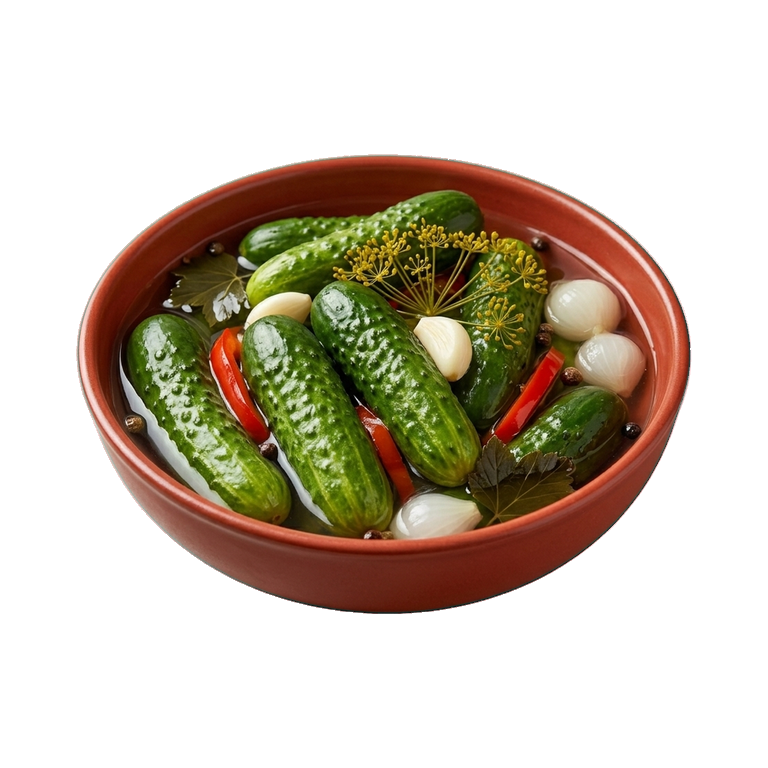
Usuba
Usuba
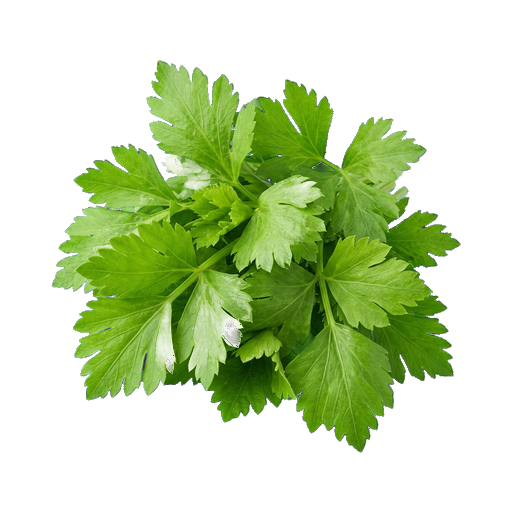
Celery leaves
Celery leaves have a fresh, slightly peppery flavor with herbaceous notes and a pleasant aroma. They are used both fresh in salads and as garnishes, as well as an aromatic addition to soups, broths, and stews. When selecting, prefer young, bright green leaves without any darkening. If substituting, parsley or sorrel can be used, though the flavor will differ.
About
Celery leaves are not a byproduct, but a full-fledged ingredient that is often underestimated in the kitchen. They have a more intense and complex flavor than stalks, and can transform a dish if you know how to use them. Fresh, crisp leaves with a characteristic spicy aroma become an excellent find for those who want to add depth and freshness to everyday recipes.
Aroma and Taste
Celery leaves impart a bright spiciness with a subtle bitterness and herbal notes to any dish. Unlike the stalks, they are more aromatic and concentrated in flavor. The freshness they bring to mind is reminiscent of both parsley and dill, yet with their own distinctive character. When the leaves are dried or heated, their aroma becomes even more expressive and pungent.
Role in dishes
Celery leaves work on several levels. They are perfect for broths and soups — adding depth and aroma when added to boiling water a few minutes before completion. In salads, fresh leaves become an accent, especially in light vegetable compositions. They can be finely chopped and added to sauce, used as a garnish for fish or meat, or included in a blend of herbs for marinades.
Combinations and Applications
- With seafood and shellfish — leaves emphasize the freshness and marine character of the dish
- In tomato sauces and stews — add a herbal note that balances the acidity of tomatoes
- With lemon and olive oil — create a light and fresh dressing for vegetables
- In potatoes and root vegetables — leaves add liveliness to the dish and prevent monotony of flavor
- With eggs and butter — in omelets and fried eggs, leaves add sophistication
Selection and Storage
Choose leaves that are bright green in color, without spots or signs of wilting. They should be firm and emit a fresh, aromatic smell. If the leaves were purchased together with celery root, separate them and use them first — they lose moisture faster. Store in the refrigerator, wrapped in a damp towel or in a bag with holes for air circulation. Freshness is preserved for 3–5 days, but it is best to use them within the first two days after purchase.
Don't throw away celery leaves if you're cooking with stalks. They are the most aromatic part of the plant and deserve their place on the table.
Nutrition
per 100 g
- Calories
- 16 kcal
- Protein
- 0.7 g
- Fat
- 0.2 g
- Carbs
- 3 g
Measures and weight
- 1 tbsp
- 3 g
- 1 tsp
- 1 g
- 1 cup
- 50 g
- 1 bunch
- 50 g
Measure calculator
- Weight
- 100 g
- Calories
- 16 kcal