Usuba
Usuba
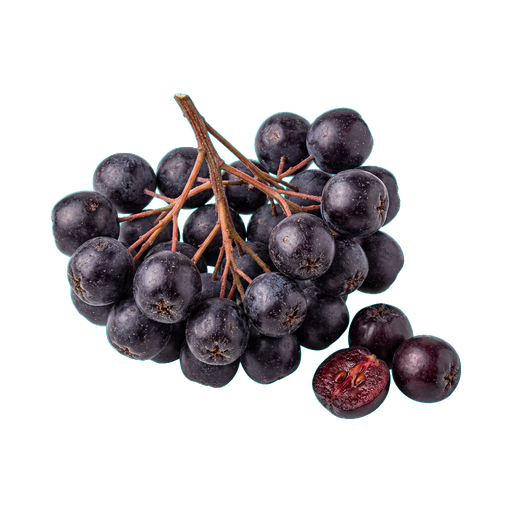
Black chokeberry
Chokeberry is a berry with a tart, slightly astringent taste and a delicate aroma that works well for compotes, jams, and fruit drinks. Thanks to its high pectin content, the berry gels excellently during cooking, making it perfect for producing dense jams and kissel. When selecting, pay attention to the dark, almost black color of ripe berries — unripe fruits will be even more astringent and bitter.
About
Black rowan — a berry with a tart, slightly astringent taste and a deep purple-black color. In its fresh form, it is rarely eaten: the taste requires getting used to and often seems too harsh. However, when processed, it reveals itself completely differently — it becomes the base for compotes, syrups, marmalades, and tinctures, where its tartness transforms into a noble bitterness, and its natural sweetness becomes more pronounced.
Taste and Aroma
The flavor profile of chokeberry is complex: it combines tartness (like an unripe banana), a slight bitterness, and sweetness all at once. The aroma is subtle yet distinctive — herbaceous with berry notes, without harshness. This very combination makes it ideal for compotes and jams: it doesn't overpower other ingredients but creates a background against which spices or citrus sound beautiful.
Role in dishes
Chokeberry is a helper, not a star. It is used to add depth and color, to thicken thanks to its high pectin content, to create contrast with sweet or sour components. In compotes, it works with apples, pears, and spices. In marmalades, it holds its shape and gives a rich black hue. In tinctures and liqueurs, it reveals its astringent character, which is well balanced by sugar and alcohol.
- Compotes: with apple, pear, lemon and cinnamon
- Jam: with sugar, ginger, vanilla
- Marmalade and marshmallow: maintains shape thanks to pectin without additives
- Tinctures and liqueurs: with vodka, sugar and spices
- Sauces: for meat and game to add acidity and color
Selection and Storage
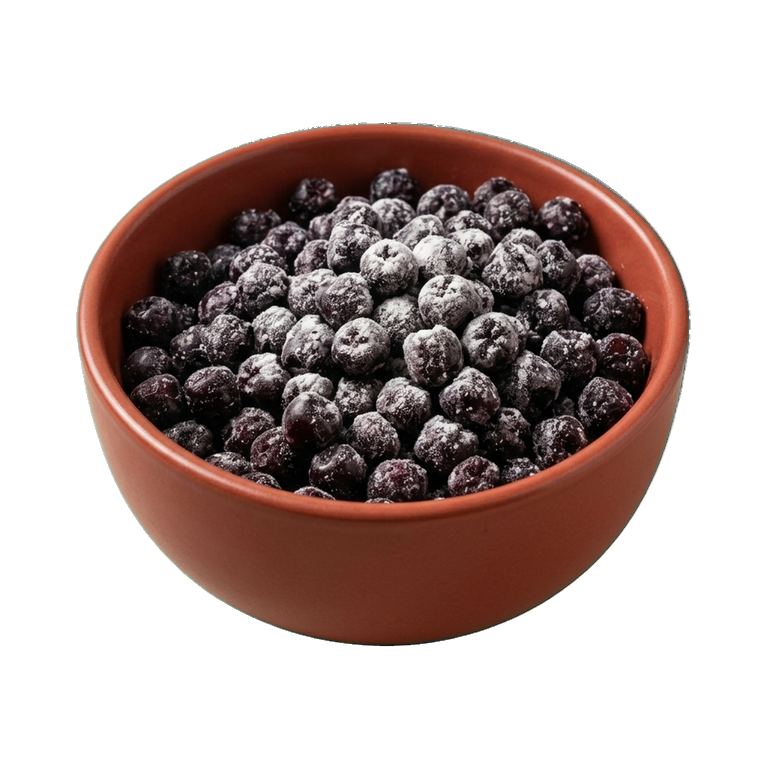
Look for fresh chokeberry in late summer — early fall. The berries should be black, matte, without damage. Avoid shiny or underripe fruits with a purple tint — they are even more astringent. Fresh berries are stored in the refrigerator for a week or two, but it's much easier to buy frozen ones: they retain all their properties, are cheaper and more convenient to use.
Frozen chokeberry keeps throughout the winter. Before use, it doesn't need to be thawed — just throw it straight into boiling water for compote or into a pot for jam. Dried rowan berries are also convenient: they take up little space and last a year or two in a dry place. For compotes, soak the dried berries in hot water for 15 minutes before cooking.
Chokeberry is not a delicacy, but a workhorse berry. It doesn't claim the leading role, but at the right moment creates the right mood: tartness, color, texture. If you're making compote, jam, or tincture, it will be your faithful helper.
Nutrition
per 100 g
- Calories
- 52 kcal
- Protein
- 1.5 g
- Fat
- 0.2 g
- Carbs
- 10.9 g
Measures and weight
- 1 tbsp
- 9 g
- 1 tsp
- 3 g
- 1 cup
- 150 g
Measure calculator
- Weight
- 100 g
- Calories
- 52 kcal