Usuba
Usuba
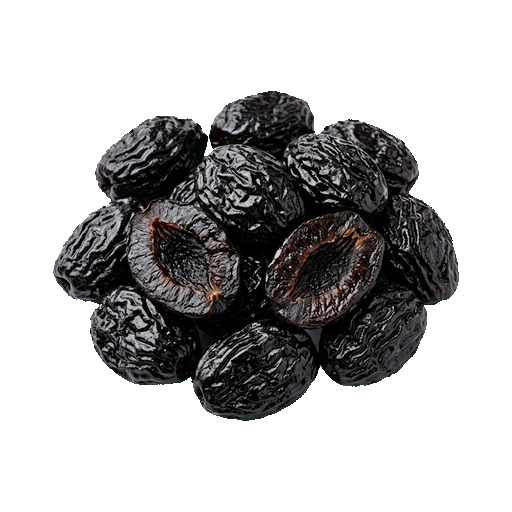
Pitted prunes
A sweet and soft dried fruit with a rich fruity flavor and light astringency, made from dried black plums. Thanks to its pit-free nature, it's convenient to use — you can add it whole to compotes, porridges, baked goods, or chop it for fillings and sauces. When selecting, pay attention to softness and black color without white coating, and when substituting, keep in mind that prunes impart not only sweetness but also a light acidity to dishes, which balances fatty meat dishes well.
About
Pitted prunes are dried fruits that are ready to use in any dish. There's no need to bother with removing the pit, and there's no risk of accidentally hitting it with your tooth. Those who cook often and don't like unnecessary kitchen manipulations will appreciate this convenience. At the same time, the taste and nutritional value remain the same as regular prunes.
Aroma and Taste
Prunes smell sweet and deep — it's the scent of caramel with subtle woody notes. The taste is dominated by sweetness with a pleasant sourness that prevents the dish from becoming cloying. The flesh is soft, almost melting in your mouth, yet dense enough to maintain its shape during cooking.
Where to use it
- In compotes and fruit drinks — gives the beverage a rich color and natural sweetness
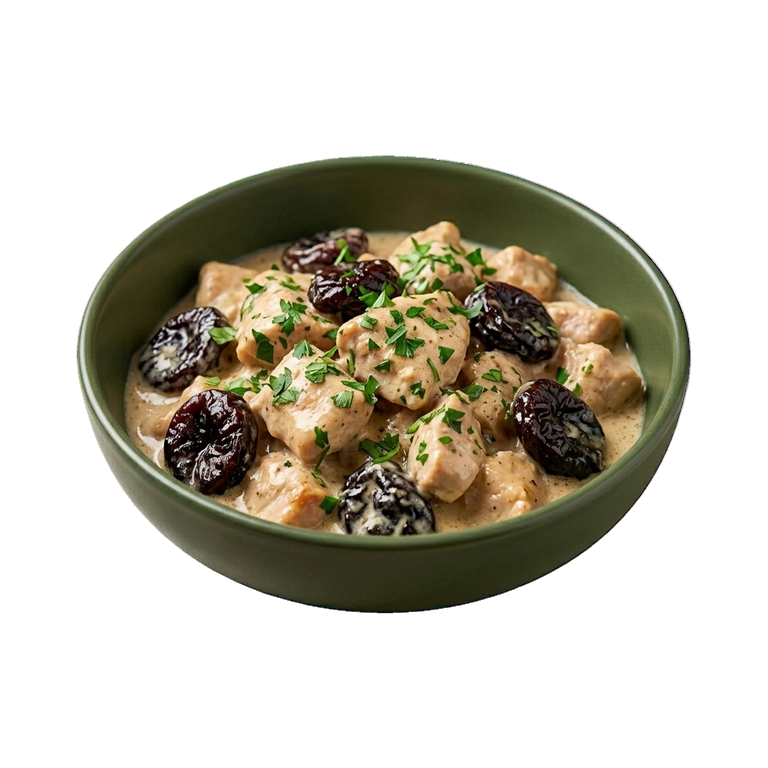
- In meat dishes — duck, pork, beef pair well with the tartness and sweetness of prunes
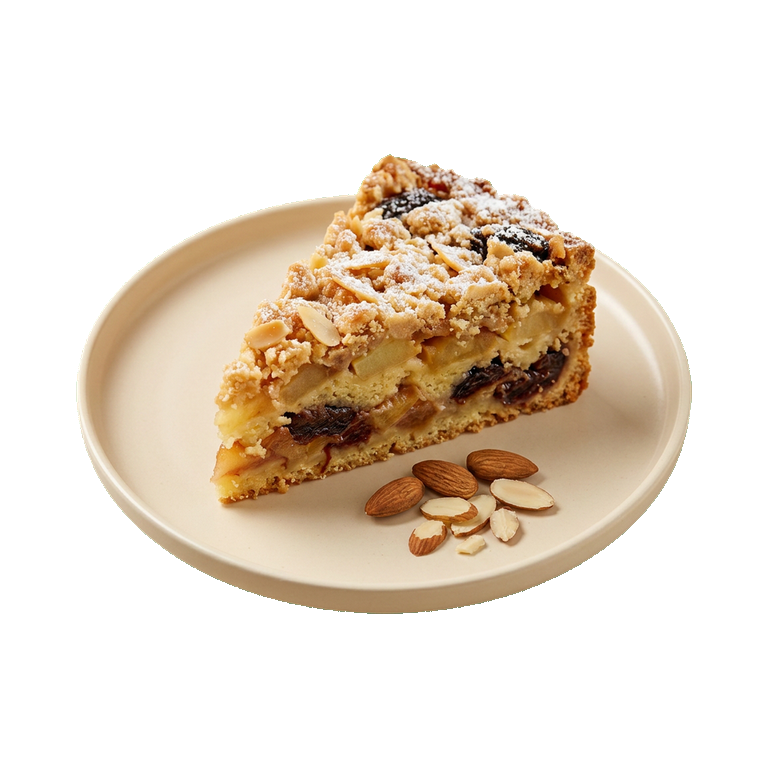
- In baked goods — buns, cupcakes, pies become more aromatic and moist
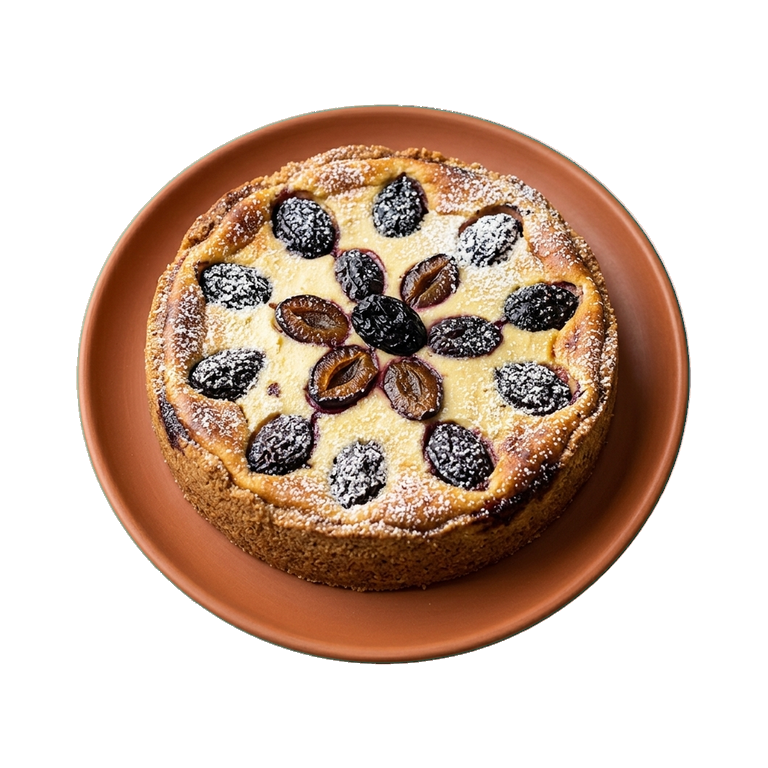
- In cottage cheese desserts and casseroles — adds contrasting flavor
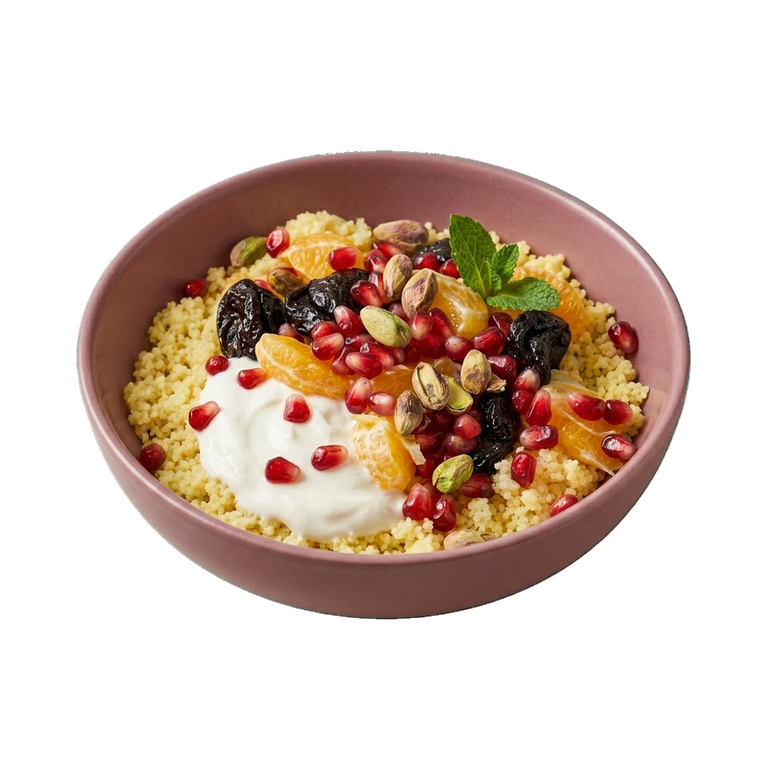
- In porridge — especially good with buckwheat or rice with prunes
- In sauces — for meat or poultry, where both sweetness and depth are needed
How to Choose and Store
When shopping, pay attention to the color — it should be dark, almost black, but not shiny. Shine often indicates treatment with mineral oil. Good prunes are slightly wrinkled, soft to the touch, but not sticky. If the berry seems too moist, it may be a sign of improper storage or additives.
Store prunes in an airtight container in a cool, dry place or in the refrigerator. With proper storage, they will not lose quality for several months. Before using in dishes where softness is needed, soak them in warm water for 10–15 minutes — this will restore their juiciness and make slicing easier.
Successful Combinations
- With cinnamon and ginger — create a warm, spicy profile
- With nuts — almonds, walnuts, or pistachios enhance flavor complexity
- With lemon — lemon acidity highlights the natural tartness of prunes
- With vanilla — a classic combination for sweet dishes
- With red wine and broth — creates a noble sauce for meat dishes
Pitted prunes save time in the kitchen, but don't compromise on taste. Use them boldly in any recipes where you need sweetness with depth — from simple porridges to festive dishes.
Nutrition
per 100 g
- Calories
- 231 kcal
- Protein
- 2.3 g
- Fat
- 0.4 g
- Carbs
- 58.7 g
Measures and weight
- 1 pcs
- 7 g
Measure calculator
- Weight
- 100 g
- Calories
- 231 kcal