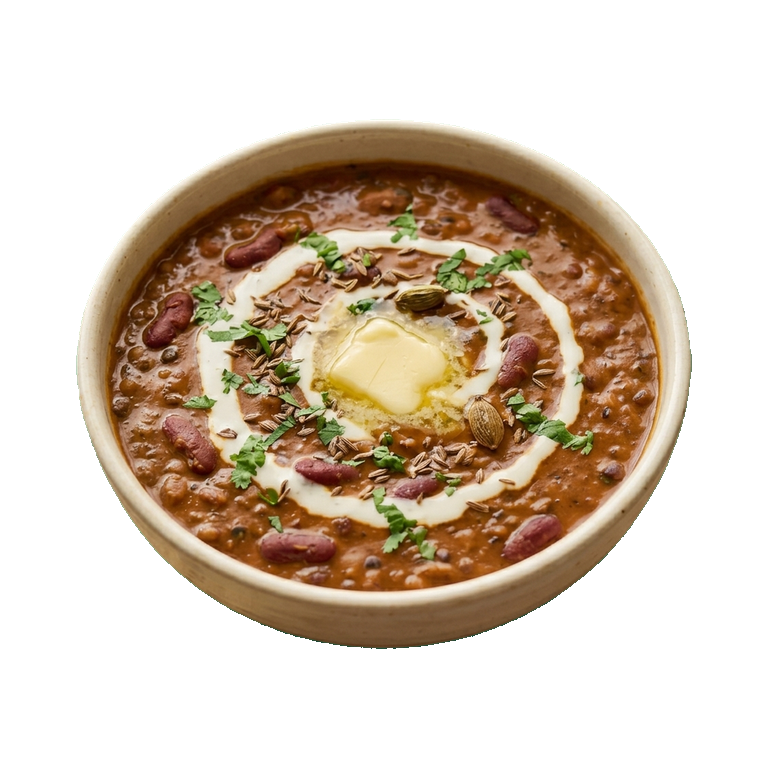
Usuba
Usuba
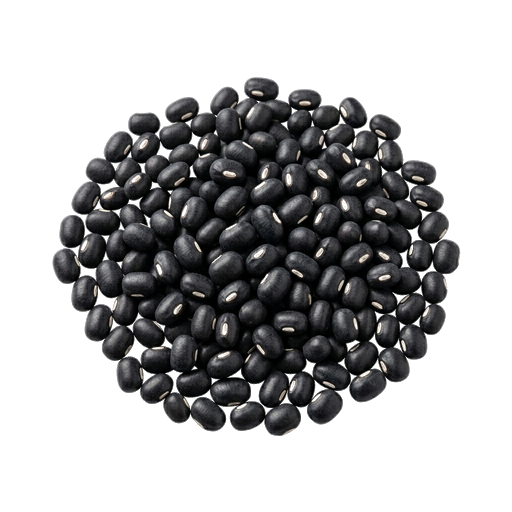
Black Mung Bean
Black mung beans are small black beans with a distinctive white ridge, popular in Asian cuisine. They have a tender texture and a mild, slightly sweet flavor with nutty notes. When cooked, mung beans break down quickly (in 30–40 minutes), making them ideal for soups, porridges, pasta dishes, and desserts; they are often used in Indian and Chinese dishes. When looking for a substitute, regular green mung beans or lentils will work, though the flavor will be slightly different.
About
Black mung beans are small black beans with a barely noticeable white scar, often confused with black beans. But mung beans are much more tender: they cook faster, hold their shape better, and have a completely different, more delicate flavor. They are one of the most convenient legumes for everyday cooking, if you're willing to give them some attention.
Taste and Aroma
Black mung bean has a delicate, slightly nutty flavor with a barely perceptible sweetness. It does not dominate the dish, but rather supports and enhances other ingredients. When cooked, mung bean releases starch, which makes the broth slightly viscous and enriches it with body. The aroma is unobtrusive, earthy, without sharp notes.
Cooking Features
The main advantage of black mung bean is speed. While black beans need to be cooked for 1.5–2 hours, mung beans will be ready in 30–45 minutes. Pre-soaking is not necessary, but if you have time, it will improve digestion. Salt the mung beans at the end of cooking, otherwise the skin may crack. It's better to change the water once, after 15 minutes of boiling — this way you'll get rid of excess gas-forming substances.
Where to use
- In soups and stews — mung beans don't fall apart, remaining firm and beautiful
- In salads — cold mung beans with vegetables and sour dressing becomes light and refreshing
- In curries and ragus — absorbs spices and sauces well
- In pâtés and cutlets — mung beans are easier to blend into a purée thanks to their tender structure
- In side dishes for meat and fish — as an alternative to rice or lentils
Combinations with other ingredients
Black mung bean works well with sharp spices: cumin, coriander, chili pepper. Its delicacy unfolds alongside coconut milk, lemon, and garlic. Vegetables — carrots, celery, onions — create a strong base with mung bean for soups. Tomatoes and olive oil give it a Mediterranean character. Mung bean appreciates herbs: cilantro, parsley, basil.
Selection and Storage
Choose mung beans with uniform black color without cracks or spots. If the beans look dull or have a coating, this is a sign of improper storage. Store mung beans in an airtight glass jar in a cool, dry place — this way they will retain their properties for up to a year. Check the expiration date before purchasing: old mung beans take longer to cook and may remain hard.
If you're in a hurry, soak the mung beans in hot water for 30 minutes instead of cold soaking — this will speed up cooking by another 10–15 minutes.
Nutrition
per 100 g
- Calories
- 347 kcal
- Protein
- 24 g
- Fat
- 1.5 g
- Carbs
- 62 g
Measures and weight
- 1 tbsp
- 12.8 g
- 1 tsp
- 4.3 g
- 1 cup
- 212.5 g
Measure calculator
- Weight
- 100 g
- Calories
- 347 kcal