Usuba
Usuba
Chicken fat
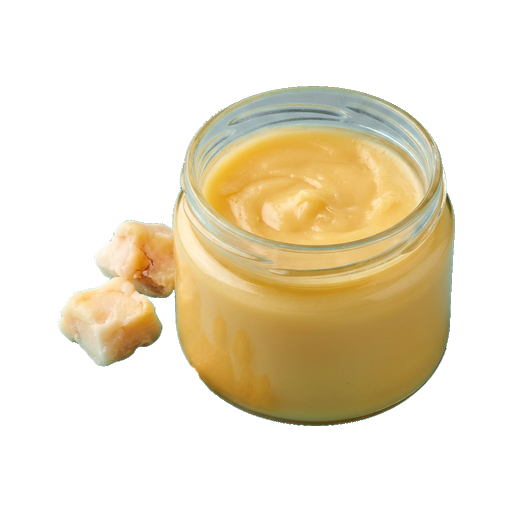
Chicken fat is a rendered product extracted from poultry skin and subcutaneous tissue, with a mild buttery flavor and delicate aroma. It is ideal for frying vegetables, potatoes, and meat, as it has a high smoke point and gives dishes a golden crust and deep flavor. When choosing, prefer fat from home-raised poultry — it is lighter and more aromatic than that from industrial production, and keeps in the refrigerator for several months.
About
Chicken fat is one of the most versatile and accessible culinary ingredients, which often goes unnoticed in the kitchen. It is not merely a by-product; it is a full-fledged component that can dramatically change the flavor and texture of a dish. Fat rendered from poultry skin and meat has a mild, delicate taste and a golden color that experienced chefs instantly recognize.
Aroma and Taste
Chicken fat has a delicate, barely noticeable chicken aroma that doesn't overpower but complements the dish. Unlike more aggressive fats, it has no bitterness or sharp aftertaste. The taste depends on the quality of the raw material: fat from homemade poultry will be more aromatic than from industrial poultry. When heated, the fat reveals itself more fully, releasing a pleasant, slightly nutty note.
Role in dishes
Chicken fat works on several levels. First, it's an excellent medium for frying: it doesn't smoke at moderate temperatures and distributes evenly across the pan. Second, it's an essential component for creating texture — a crispy crust on potatoes or meat, tenderness in pie dough. Third, fat carries fat-soluble flavors, making the dish more expressive.
- Frying potatoes, vegetables and meat
- Base for pasta, sauces and gravies
- Additive for cookie, bun and pie dough
- Lubricant for baking sheets and molds
- Component for confit and rillettes
Combinations and Harmony
Chicken fat works well with classic combinations: potatoes, onions, garlic, herbs like thyme and rosemary. Its mild flavor allows you to experiment without fear — the fat won't overshadow the taste of spices or acidity. Try using it instead of butter in mashed potatoes, add it to vegetable stew, or use it for frying mushrooms. With sharp spices, black pepper, and smokiness, the fat creates a deep, rich flavor profile.
Selection and Storage
It is best to render chicken fat yourself from the skin and trimmings when butchering the carcass. If you are buying ready-made fat, look for a product of light yellow color without any rancid smell. The fat should be clean, without any foreign particles. Store chicken fat in a sealed container in the refrigerator — it will keep for a month or two, or in the freezer — for up to six months. With proper storage, the fat remains pliable and ready to use at any time.
Chicken fat is not a luxury, but a practical ingredient that deserves a place in every kitchen. It is economical, versatile, and capable of rewarding even a simple dish with depth of flavor and perfect texture.
Nutrition
per 100 g
- Calories
- 898 kcal
- Protein
- 0 g
- Fat
- 99.8 g
- Carbs
- 0 g
Measures and weight
- 1 tbsp
- 13.5 g
- 1 tsp
- 4.5 g
- 1 cup
- 225 g
Measure calculator
- Weight
- 100 g
- Calories
- 898 kcal