Usuba
Usuba
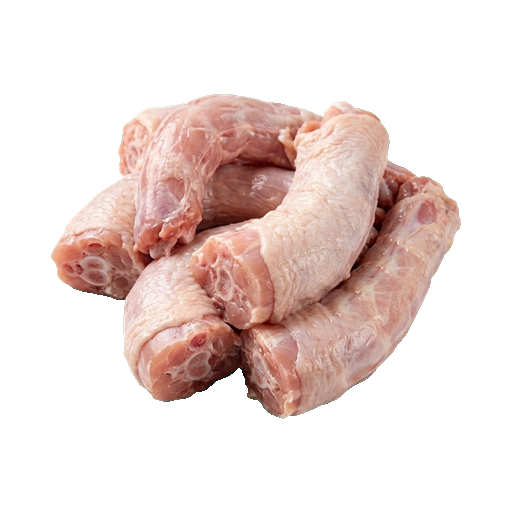
Chicken Necks
Chicken necks are a budget-friendly poultry cut with tender meat and cartilage that turn into gelatin during prolonged cooking. They are ideal for broths, soups, and stews thanks to their rich flavor and ability to enrich liquid dishes. When selecting, pay attention to the color — the meat should be pink or light red, without dark spots or unpleasant odor.
About
Chicken necks are one of the most underrated parts of poultry, although chefs know their value. These are bony parts with a thin layer of meat and skin that, when properly prepared, become the foundation for rich broths, aromatic soups, and complex sauces. The price of necks makes them an affordable choice for home cooking, and their flavor potential is no less than more expensive cuts.
Taste and Aroma
Chicken necks stand out for their intense chicken flavor thanks to the concentration of bone marrow and connective tissue. During long, slow cooking, they release gelatin, which gives the broth body and viscosity. The skin contains fat, which when boiled or fried creates a deep, rich aroma. The meat on the necks is tender, although there is not much of it — the main value lies in the bones and gelatin.
How to use in the kitchen
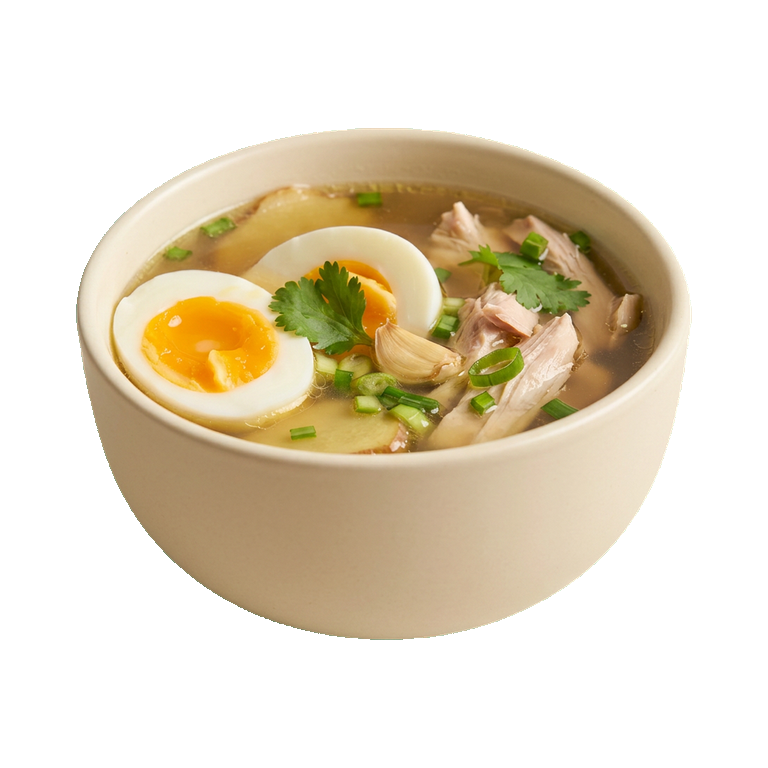
- Broth and soup — simmer for 2–3 hours over low heat to extract maximum flavor and gelatin
- Stews and braised dishes — neck meat becomes tender in prolonged braising and enriches the sauce
- Fried neck — crispy skin and tender meat are achieved by frying over high heat
- Base for sauces — neck broth is ideal for demi-glace and sauces for meat dishes
- Ground meat and pâtés — minced meat adds moisture and flavor
Selection and Preparation
Look for necks with pink meat and white or slightly yellow skin. The smell should be neutral, chicken-like. Before cooking, rinse them with cold water and remove any feathers with tweezers if necessary. If the necks are frozen, thaw them in the refrigerator overnight — this will preserve their quality.
Storage
Store chicken necks in the refrigerator for 2–3 days in an airtight container. You can freeze them for 2–3 months — place in a bag, removing excess air. Before use, thaw in the refrigerator, not at room temperature.
Don't discard the broth after cooking the necks — it becomes the foundation for subsequent dishes. Cool it, remove the fat from the surface, and use it within a week or freeze it in portions.
Nutrition
per 100 g
- Calories
- 190 kcal
- Protein
- 18.5 g
- Fat
- 12 g
- Carbs
- 0 g
Measures and weight
- 1 pcs
- 45 g
Measure calculator
- Weight
- 100 g
- Calories
- 190 kcal