Usuba
Usuba
Chili Paste
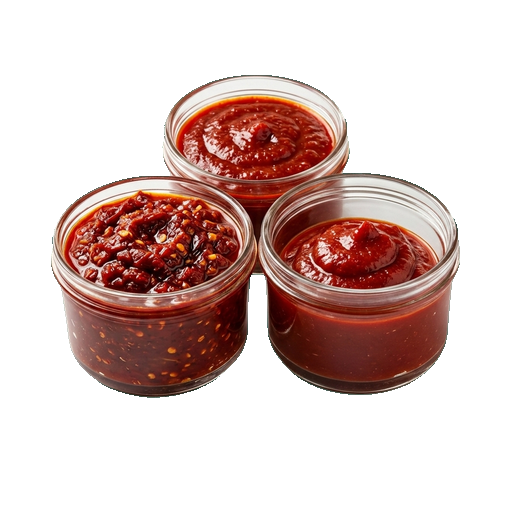
A spicy paste made from ground red pepper, garlic, and oil with an intense burning flavor and deep aroma. Used as a seasoning for soups, meat dishes, rice side dishes, and sauces, adding heat and piquancy to them. When choosing, pay attention to the consistency — it can be more liquid or thick depending on the manufacturer, which affects the dosage in the recipe.
About
Chili paste is a concentrated blend of hot peppers, garlic, and spices that transforms any dish into a fiery adventure. Unlike sauce, paste is thicker and more intense: it's not poured but added by the spoonful or spread. It's a working tool in the kitchen that saves time and guarantees consistent results.
Aroma and Flavor
Chili paste smells sharp and bold — you immediately notice hot peppers and garlic notes. The taste starts with piquancy and transitions into true heat that builds gradually. Good paste doesn't just burn your tongue; it reveals the complexity of the pepper itself: its sweetness, smokiness, or floral undertones. The intensity depends on the variety and amount of pepper added, so different brands behave differently.
Role in dishes
Chili paste works everywhere you need heat and depth. Add it to a meat marinade, and it will infuse with spice in an hour. Mix it into sour cream or yogurt — you'll get a piquant sauce for vegetables or bread. In soups and stews, the paste doesn't just add heat, but enriches the flavor profile, making the dish more expressive.
- Asian noodles and rice — pasta becomes the base for sauce
- Meat dishes — marinade, rub or addition to ground meat
- Grilled vegetables — thin layer before cooking or after
- Pizza and bread — spread before baking
- Sauces and dips — mix with mayonnaise, sour cream or olive oil
Combinations with other ingredients
Chili paste pairs well with acidity: lemon juice or vinegar soften the heat and reveal new flavor dimensions. Richness and sweetness — honey or brown sugar — create balance and intrigue. With garlic and ginger, the paste becomes even more expressive; with coconut milk, it becomes softer and creamier.
Selection and Storage
When purchasing, check the ingredients: the fewer additives, the better. Ideally, the paste should contain only pepper, garlic, salt, and oil. The color should be rich — from dark red to brown, without any gray coating. The consistency may vary, but the paste should not be liquid or lumpy.
Store an open jar in the refrigerator under a tight lid — the paste will last for months. If the oil has separated from the main mass, simply stir it. You can freeze the paste in ice cube trays: it's convenient to take out one portion at a time. A hermetic container will protect the paste from absorbing odors from neighboring products.
Dosage
- For marinade per kilogram of meat: one to two tablespoons
- In sauce or dip: half a teaspoon per cup of base
- In soup or stew: quarter teaspoon per serving, add gradually
- For spreading on bread or vegetables: a pinch on the tip of a knife
Chili paste is not just a hot seasoning, but a tool for creating flavor. It saves time, takes up minimal shelf space, and is always ready to use. Start with small portions to understand what intensity you prefer, and then experiment without fear.
Nutrition
per 100 g
- Calories
- 160 kcal
- Protein
- 5.3 g
- Fat
- 8.2 g
- Carbs
- 15.4 g
Measures and weight
- 1 tbsp
- 16.5 g
- 1 tsp
- 5.5 g
- 1 cup
- 275 g
Measure calculator
- Weight
- 100 g
- Calories
- 160 kcal