Usuba
Usuba
Serrano chile
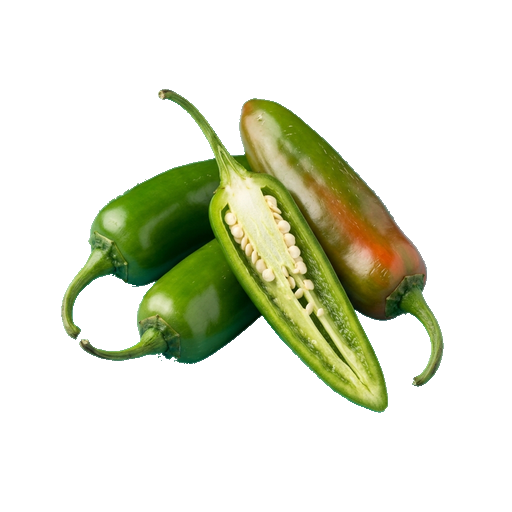
A medium-sized hot pepper with thin skin and a sharp, herbaceous flavor that develops as it ripens from green to red. Used fresh in salsas, salads, and as a garnish, and also dried and ground into powder for sauces and seasonings. When selecting, look for firm peppers without wrinkles, remember that red serranos are hotter than green ones, and jalapeños make a suitable substitute if needed, though they are milder and less spicy.
About
Serrano is a medium-sized hot pepper that is noticeably spicier than jalapeño, but not as fiery as habanero. In its fresh form, it has firm flesh, smooth skin, and a quite pronounced aroma. When the pepper is green, it is more fresh and herbaceous; as it ripens to red, it becomes sweeter and develops fruity notes. This very versatility makes serrano indispensable in cuisines where you need heat without excessive aggression.
Aroma and Taste
Serrano smells fresh and slightly herbaceous, especially if the pepper has just been picked. It tastes of pure heat without bitterness — the spiciness is balanced and doesn't overpower other flavors in the dish. Green pepper gives a light grassy note, red adds sweetness and mildness. The flesh is dense, juicy, with a thin skin that's easy to bite through.
Role in dishes
- In salsas and guacamole, serrano is the main ingredient that provides the necessary heat without clouding the flavor
- For marinades for meat and fish: sliced or whole pepper adds depth and piquancy
- In hot dishes — soups, stews, curries — it reveals its potential when heat-treated
- Fresh sliced pepper garnishes appetizers, sandwiches and salads, adding a contrasting accent
- For hot sauces and pastes, serrano is ideal — it's easy to blend with a blender
Pairings
Serrano works well with lime, cilantro, and garlic — this is a classic trio for Mexican cuisine. It doesn't conflict with tomatoes, onions, and avocado. The heat of the pepper is balanced by the acidity of lemon juice or vinegar, which is why it's often added to marinades and dressings. With coconut milk, fish sauce, and ginger, serrano creates Asian flavor profiles.
Selection and Storage
Choose peppers with smooth, glossy skin without dents or dark spots. Green serrano should be firm, red ones slightly softer, but not soft. If the pepper is soft and wrinkled, it has already lost its moisture and flavor. Serrano keeps in the refrigerator in a paper bag or container for about two weeks. For longer storage, you can freeze whole peppers or sliced pieces in the freezer — they will retain their heat, although the texture will soften.
Practical Tips
- Remove the seeds and white membrane inside to significantly reduce the heat — use this if cooking for sensitive eaters
- When working with hot peppers, avoid touching your face and eyes — pepper oils can cause burning
- Red serrano is hotter than green, so choose the color depending on your desired level of spiciness
- For fresh salsa, chop the pepper finely just before serving — this will preserve maximum flavor
Nutrition
per 100 g
- Calories
- 32 kcal
- Protein
- 1.4 g
- Fat
- 0.2 g
- Carbs
- 6.7 g
Measures and weight
- 1 tbsp
- 7.5 g
- 1 tsp
- 2.5 g
- 1 cup
- 125 g
- 1 pcs
- 5 g
Measure calculator
- Weight
- 100 g
- Calories
- 32 kcal