Usuba
Usuba
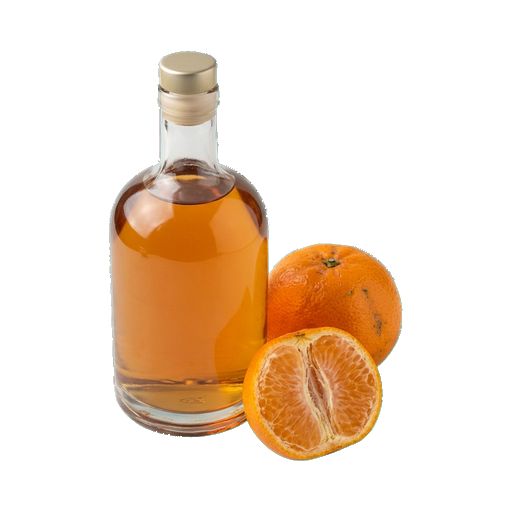
Chinese rice wine
Rice wine is a fermented beverage with a mild, slightly sweet flavor and low alcohol content, made from rice, koji mold, and water. In cooking, it is used as a marinade, sauce, and ingredient for braising meat and vegetables, adding delicate sweetness and depth of flavor to dishes. When selecting, pay attention to sugar and salt content — less sweet varieties are suitable for marinades, while sweeter types are better for desserts and beverages.
About
What is it and how to recognize it
Rice wine is not quite wine in the classical sense. What you have before you is rather a strong drink made from fermented rice with a soft, slightly sweet character and alcohol content usually ranging from 14 to 20 degrees. On store shelves, you'll find it under the names shaoxing, mirin, or simply rice wine. The color varies from almost transparent to deep golden and even brown — it all depends on the production method and aging. The aroma is delicate, with notes of caramel, nuts, and a light floral quality.
Rice wine tastes sweetish but not cloying, with a pleasant roundness and a barely noticeable bitterness on the finish. The texture is oily and enveloping. The longer the wine is aged, the more complex and profound its profile becomes — umami notes and earthy nuances emerge.
Role in cuisine and pairings
In Asian cuisine, rice wine is one of the basic ingredients, not just a beverage to accompany meals. It is added to marinades for meat and fish, used in stewing, in sauces and soups. Wine softens sharp aromas, gives dishes depth of flavor and helps reveal the aromas of spices. When heated, the alcohol evaporates, leaving only sweetness and complexity.
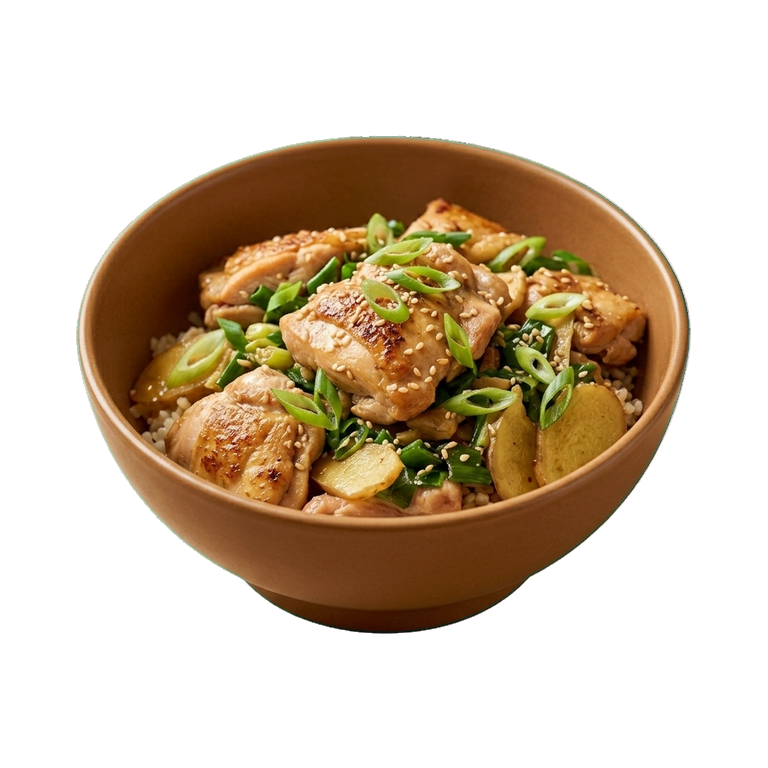
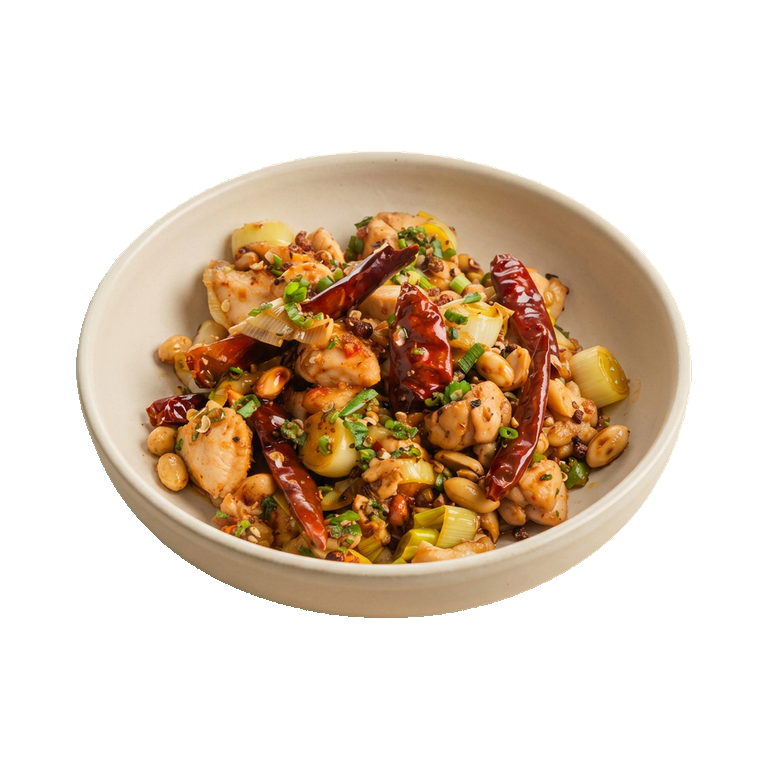
- Meat dishes: chicken, duck, pork in sauces and marinades
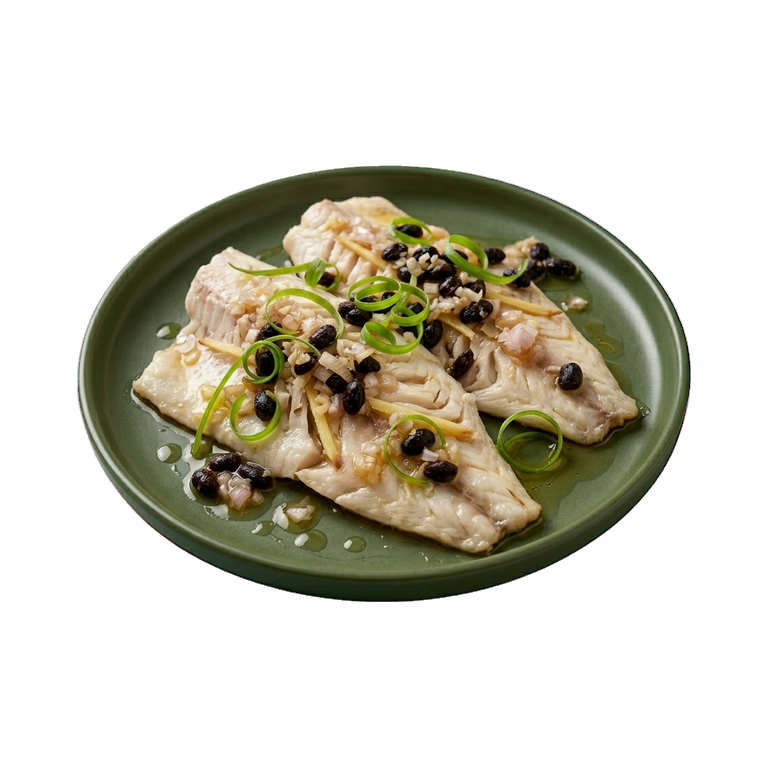
- Seafood: shrimp, squid, steamed fish or fish in broth
- Vegetables: mushrooms, bamboo, greens in quick stir-fries
- Soups and broths: especially with noodles or rice
- Sauces: base for glazes and savory dressings
If you don't have rice wine on hand, you can replace it with a mixture of dry white wine and a pinch of sugar, but the dish will have a less rounded flavor. Mirin (sweet rice syrup) will also work, but will give a different profile — more sugary and less complex.
Selection and Storage
When choosing, pay attention to the color — darker wine is usually more aged and aromatic, lighter wine is suitable for delicate dishes. Check the packaging date: fresher wine opens up its flavor more actively in cooking. The label should indicate the origin and alcohol content. For everyday cooking, a mid-range priced wine is suitable, for special dishes it's worth choosing a more aged one.
Store rice wine in a cool, light-protected place — a cabinet away from the stove or a cellar would work well. Keep an open bottle in the refrigerator and use it within a month or two. When stored properly, wine doesn't spoil for years and sometimes even improves. Before use, shake the bottle — any sediment, if present, will add authenticity to your dish.
Practical tips
- Add wine at the beginning of cooking so the alcohol has time to evaporate and the aromas can develop
- For marinades, use a lighter wine — it won't darken the meat
- Pour wine into soups and broths a few minutes before serving to preserve its delicate aroma
- If the dish seems too sweet, add a drop of soy sauce or rice vinegar for balance
- Experiment with the amount: start with 1–2 tablespoons per serving and adjust to your taste
Nutrition
per 100 ml
- Calories
- 134 kcal
- Protein
- 0.1 g
- Fat
- 0 g
- Carbs
- 5.2 g
Measures and weight
- 1 tbsp
- 15.2 g
- 1 tsp
- 5 g
- 1 cup
- 252.5 g
Measure calculator
- Weight
- 100 g
- Calories
- 133 kcal