Usuba
Usuba
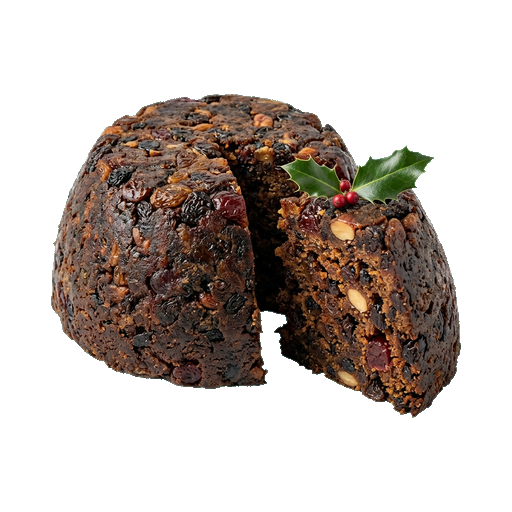
Christmas pudding
A dense and rich dessert of British tradition, made from dried fruits, nuts, spices, and fat, which is left to infuse for several weeks before serving. The taste is multi-layered and deep — combining notes of cinnamon, nutmeg, and clove with the sweetness of raisins, apricots, and prunes, while alcohol (usually brandy or rum) adds refinement and helps retain moisture. Served hot with vanilla sauce or cream, often decorated with a sprig of mistletoe and drizzled with warm spirit for a dramatic flaming effect before serving at the table.
About
Christmas pudding is not just a dessert, but an entire ritual. Dense, rich, generously soaked in alcohol and spices, it is prepared weeks, sometimes months before the holiday. This dish requires patience and planning, but the result is worth it: each slice tells a story of attention to detail and respect for tradition.
What is it really
Despite its name, this is not a frozen dessert in the modern sense. Christmas pudding is a steamed cake made from dried fruits, nuts, spices, and breadcrumbs, bound together with eggs and fat. The base consists of raisins, currants, and candied fruits, which are soaked for a long time in brandy or rum. The batter turns out very moist and dense, almost like compact jam with a textured consistency.
Taste and Aroma
It's an explosion of spices: cinnamon, nutmeg, clove, and ginger create a warm, slightly piquant backdrop. Dried fruits add sweetness and stickiness, while alcohol brings depth and a noble note. The nuances depend on what the chef adds: some prefer black cumin and coriander, others prefer orange zest and vanilla. The aroma is so expressive that the scent alone is enough to feel the festive atmosphere.
How it is prepared and served
The process begins long before the holiday. Dried fruits are soaked in spirits for several weeks — this gives them a deep flavor and helps the pudding keep. Then they are mixed with grated suet, breadcrumbs, spices, eggs and flour. The resulting dough is tightly packed into a mold and steamed for several hours. After cooling, the pudding is usually wrapped and stored in a cool place, where it can be kept for months.
Before serving, the pudding is warmed over steam, placed on a plate, and drizzled with hot sauce — usually a butter sauce with rum or brandy. Sometimes alcohol is set on fire on top to create a flame effect. It is served with ice cream, whipped cream, or custard. One slice is very filling, so portions are small, but the impressions are large.
When and why to use it
This is a dish for a festive table, when you want something substantial and symbolic. It is prepared on Christmas Eve, Thanksgiving, New Year's Day. Pudding requires time and planning, so it is not made spontaneously. However, it can be prepared in advance: a properly cooked and packaged pudding keeps for months, and its taste only improves with age.
How to Choose and Store
If you are buying ready-made pudding, pay attention to the production date. The older it is, the better — the flavors have time to blend together. The packaging should be hermetically sealed, without any damage. Store in a cool, dark place at room temperature or in the refrigerator. If you are making it yourself, make sure you use enough alcohol and fat — they preserve the pudding and allow it to be stored for a long time.
Practical Tips
- Start preparing the pudding 4–6 weeks before the holiday to allow the flavors to fully develop
- Use high-quality butter or fat — it's the foundation of the structure and taste
- Don't skimp on alcohol: it not only adds flavor but also preserves the dish
- Before serving, always steam the pudding to make it softer and more aromatic
- The finished pudding can be frozen if you don't plan to serve it right away
Christmas pudding is not just food, it is an anchor of tradition. When you cut a slice and see the juice seeping out, smell the spices and alcohol, you understand why this dish is passed down from generation to generation. It requires time and effort, but that is precisely what makes it valuable.
Nutrition
per 100 g
- Calories
- 330 kcal
- Protein
- 4 g
- Fat
- 12 g
- Carbs
- 50 g
Measures and weight
- 1 tbsp
- 12 g
- 1 tsp
- 4 g
- 1 cup
- 200 g
Measure calculator
- Weight
- 100 g
- Calories
- 330 kcal