Usuba
Usuba
Coffee liqueur
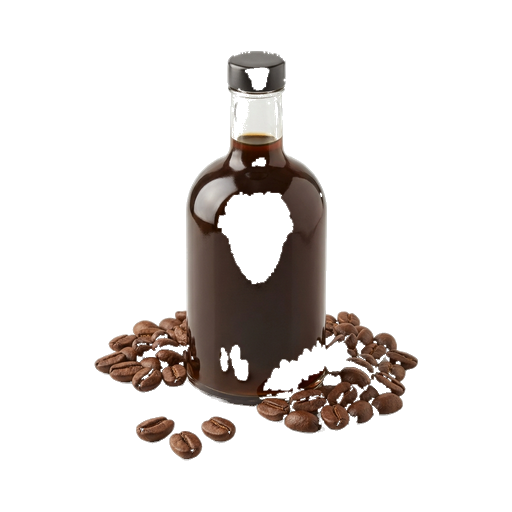
Coffee liqueur is a strong alcoholic drink with a pronounced aroma of roasted coffee and sweet taste, made by infusing coffee beans or extract in alcohol with added sugar. In cooking, it is used to flavor desserts, cocktails, ice cream, and creams, giving them a deep coffee flavor with pleasant bitterness and alcoholic notes. When choosing, consider the strength and sweetness of the particular liqueur — denser versions are better suited for heavy desserts, while lighter and less sweet varieties work well in cocktails and with ice cream.
About
Coffee liqueur is a beverage that works in the kitchen on two fronts at once: as a standalone digestif and as an ingredient for cocktails and desserts. Its thick consistency, rich coffee flavor, and sweetness make it a versatile kitchen helper, especially when you need to quickly add depth and complexity to a dish.
Taste and Aroma
The main highlight of coffee liqueur is its concentrated coffee flavor, which doesn't get lost even in complex drinks. It's sweet but not cloying, with bitter notes that remind you of real coffee. The aroma is enveloping, with chocolate and caramel undertones that appear thanks to the production process.
The liqueur has a thick and viscous consistency — this is important to understand when working with it. It does not dissolve instantly, so in hot drinks it needs to be heated or stirred well, and in cold cocktails it is better to first dilute it with a small amount of liquid.
Where and How to Use
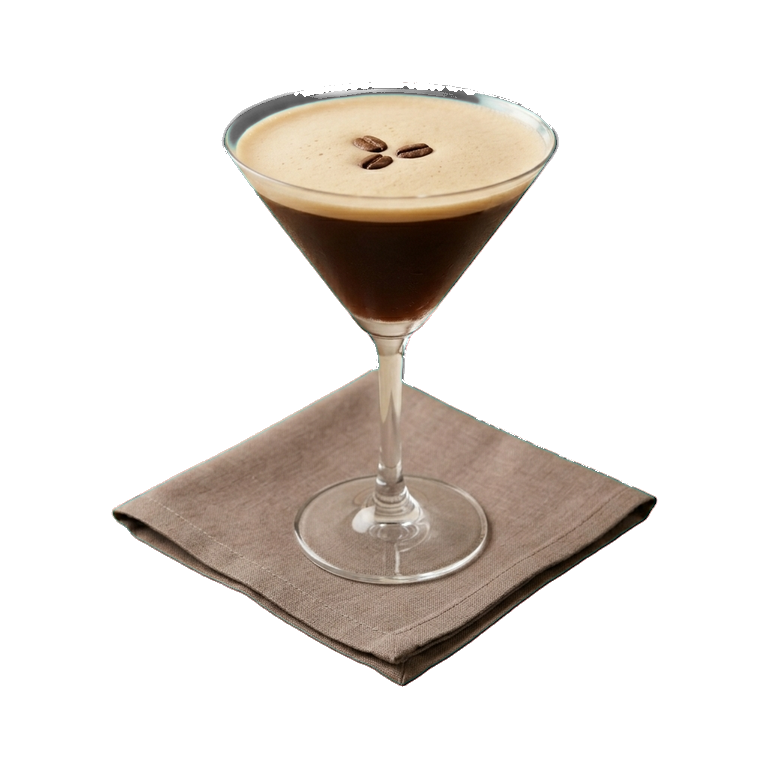
In cocktail culture, coffee liqueur is a classic ingredient. It works well in strong drinks with vodka, rum, or Irish whiskey, as well as in creamy cocktails with milk or cream. Its bitterness balances the sweetness of other components and makes the drink more interesting.
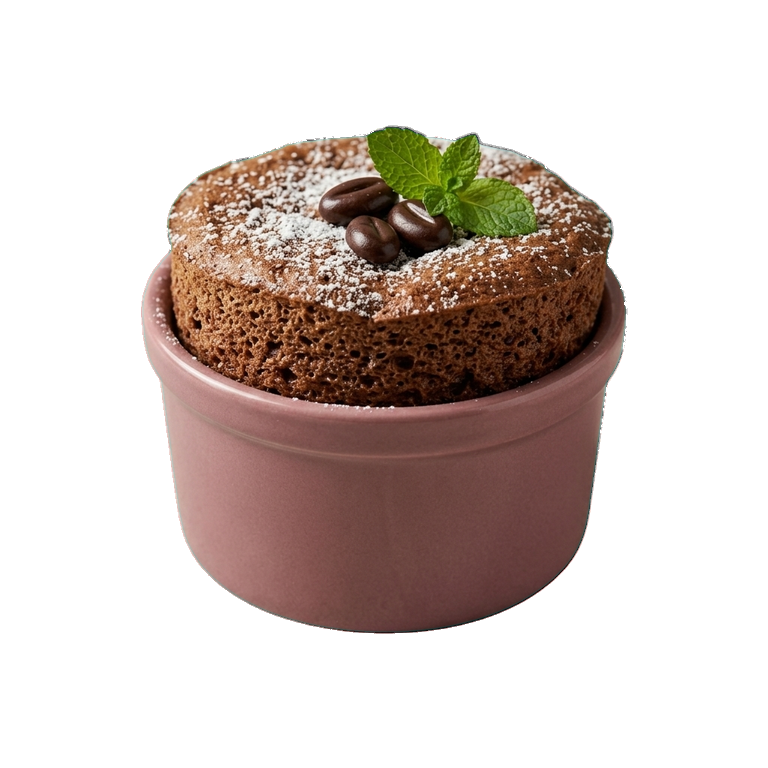
Coffee liqueur is useful in the kitchen when preparing desserts. It is added to cake batter, creams and glazes, ice cream and panna cotta. Even a tablespoon of liqueur in chocolate mousse or in a sauce for coffee cake will give a noticeable result — the dish will become deeper and more interesting.
Pairs well with chocolate, vanilla, cinnamon, and other spices. If you're making something with these ingredients, coffee liqueur will enhance their flavor profile. It also works great with nuts — walnuts, almonds, and hazelnuts.
Selection and Storage
When choosing a coffee liqueur, pay attention to the color — it should be dark, almost black, and check the label for the coffee content. The higher the percentage of natural coffee extract, the better. Viscosity is also important: a good liqueur should flow slowly down the side of a glass, not spread like water.
Coffee liqueur keeps for a long time — the alcohol in its composition acts as a preservative. Keep the bottle in a cool place, protected from direct sunlight. After opening, the liqueur remains in good condition for several months, but it's best to use it within a year. If you notice that the liqueur has thickened or changed color, it's a sign that it's time to use it.
Practical Tips
- If the liqueur is too thick, dilute it with a small amount of coffee or water before adding to the dish
- In hot desserts, add coffee liqueur at the end of cooking to preserve the aroma
- For cocktails, it's easier to work with if you slightly warm the liqueur in a water bath beforehand
- Don't be afraid to experiment: coffee liqueur works well in unexpected combinations, for example with hot spices or citrus
Nutrition
per 100 ml
- Calories
- 320 kcal
- Protein
- 0 g
- Fat
- 0 g
- Carbs
- 35 g
Measures and weight
- 1 tbsp
- 16.5 g
- 1 tsp
- 5.5 g
- 1 cup
- 275 g
Measure calculator
- Weight
- 100 g
- Calories
- 291 kcal