Usuba
Usuba
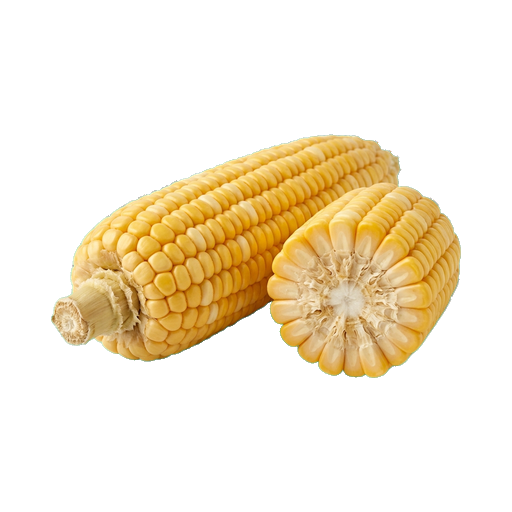
Corn cobs
Corn cobs are the inner part of the corn ear to which kernels are attached. After the kernels are removed, the cobs are used in cooking to prepare broths and decoctions, as they contain sweet components and starch that enrich the liquid with a mild corn flavor. Cobs are well-suited for prolonged simmering in soups, stews, and when cooking grains — they impart a light sweetness to dishes and make the broth more rich, though they require considerable time for flavor extraction.
About
What is this and why is it needed
Corn cob is not a production byproduct, but a full-fledged ingredient that often goes unnoticed. It is the hard central part of the corn cob that remains after the kernels are threshed. In the kitchen, it is used to extract an intense corn aroma and sweetness that the kernels alone cannot provide. The cob contains essential oils and carbohydrates that, when boiled or steeped, impart a deep flavor to the liquid.
How to cook and use
Most often, corn cobs are boiled in water to obtain aromatic corn broth. Such broth becomes the base for soups, risotto, porridges, or is used for cooking rice and other cereals. Cooking time is 30–45 minutes; the longer the cob boils, the more saturated the flavor will be. One cob enriches approximately one liter of liquid.
In addition to broth, corn cobs are suitable for infusing milk or cream — this method produces a delicate corn cream for sauces and desserts. Some chefs smoke or sear the cobs before cooking to add depth and a subtle bitterness to the dish. Charred cobs can also be added to cocktail syrups or tinctures.
Where to start
- Corn soup — the cob is cooked in chicken or vegetable broth, then removed, and the liquid is used as a base
- Corn risotto — broth made from the cob is ideal for slow-cooking rice
- Corn porridge or polenta — the cob will impart the desired aroma and sweetness to the liquid
- Corn cream sauce — milk infused with the cob is the base for a delicate sauce for fish or vegetables
- Panna cotta or mousse — cream with corn flavor creates an unusual dessert
Selection and Storage
Corn cobs are best used fresh or frozen during corn season. Dried cobs store for a long time in a cool place, but provide a less vibrant flavor. When choosing, make sure the cob is whole, without mold or dark spots. The smell should be sweet and corny, without mustiness.
Fresh corn cobs are stored in the refrigerator in a bag for 3–5 days. Frozen ones last up to a year in the freezer. After boiling, the broth can be frozen into ice or stored in the refrigerator for 2–3 days. Don't throw away the used cob right away — if the flavor hasn't been completely extracted, it can be boiled again, although the result will be weaker.
Corn cobs are a tool for those who want to deepen the flavor of a dish in a natural way. They are economical, versatile, and work in any kitchen, from homemade soups to restaurant sauces. Start with a simple broth, and you'll understand why experienced chefs never throw away this part of corn.
Nutrition
per 100 g
- Calories
- 86 kcal
- Protein
- 3.3 g
- Fat
- 1.2 g
- Carbs
- 18.7 g
Measures and weight
- 1 pcs
- 200 g
Measure calculator
- Weight
- 100 g
- Calories
- 86 kcal