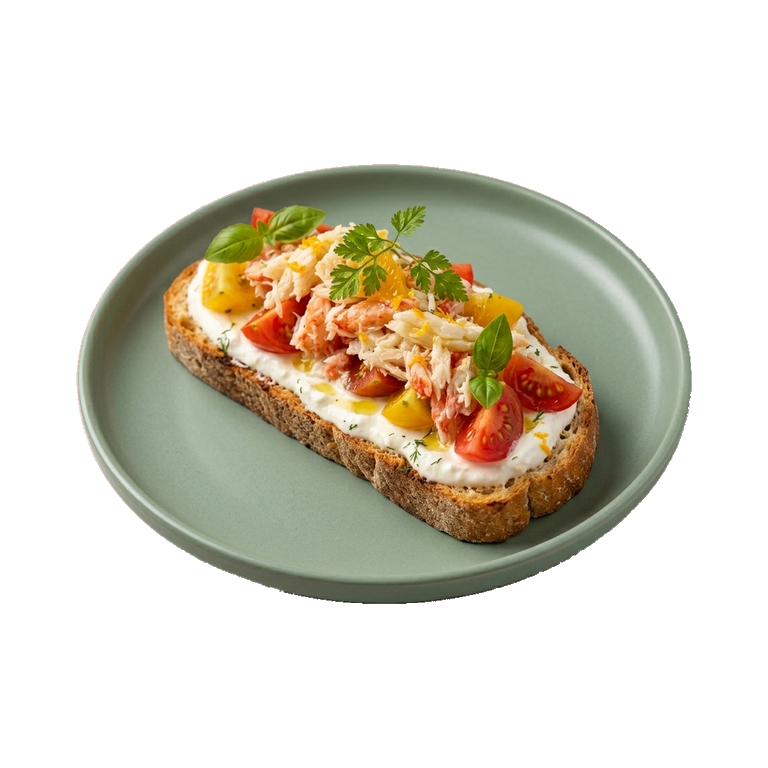
Usuba
Usuba
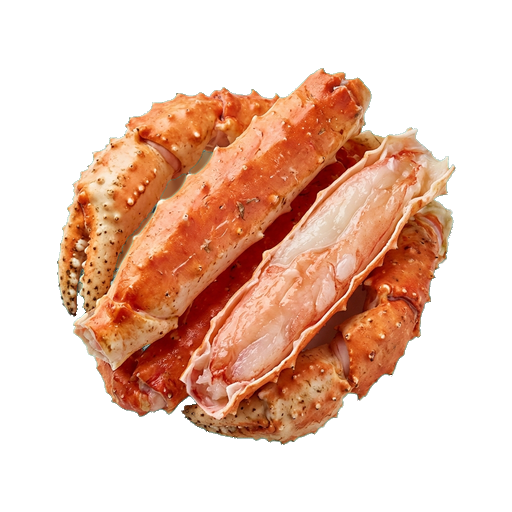
Crab legs
Crab claws are limbs of a crustacean containing tender, slightly sweet meat with a delicate seafood flavor. They are used in soups, salads, pastas, and served as a standalone dish, often accompanied by melted butter or lemon sauce. When selecting, pay attention to the integrity of the shell and fresh sea aroma; they are frozen quickly, so quality frozen product is just as good as fresh.
About
Crab legs are meaty limbs of an arthropod that are harvested specifically for culinary use. Beneath a dense chitinous shell lies tender, slightly sweet meat that is easier to extract than from the body. This is one of the most convenient ways to obtain quality crab products without unnecessary manipulation.
Taste and Texture
The meat of crab legs is distinguished by a delicate, almost tender texture. It is not fibrous, as it can be in other seafood, but rather dense and juicy. The taste is distinctly marine, with natural sweetness that is clearly evident even with minimal heat treatment. The smell of fresh crab is iodized and clean, without ammonia notes.
How to Cook and Use
Crab claws are versatile: they can be boiled, grilled, baked in the oven, or used raw for salads. The simplest method is to boil them in salted water with the addition of lemon and herbs. The meat easily separates from the shell—just slightly crack the shell or use a special tool.
- Pasta with crab meat — phalanges are boiled, meat is added to butter or tomato sauce
- Salads and appetizers — cold meat pairs well with avocado, citrus, light dressing
- Sushi and rolls — thinly sliced meat is added to the filling
- Cream soups — meat dissolves in the creamy base, creating deep flavor
- Garnishes for fish and seafood — phalanges are served separately with melted butter
Pairings and Seasonings
Crab meat doesn't require aggressive seasoning — salt, pepper, and fresh lemon are enough. Delicate herbs work well: dill, parsley, tarragon. Butter or olive oil highlights the sweetness of the meat. Garlic and ginger are added in moderate amounts so as not to overpower the delicate flavor. It's best to avoid hot spices or use them minimally.
Selection and Storage
When selecting, pay attention to the smell — it should be fresh and briny, without any mustiness. The shell should not be damaged or cracked. Langoustines are sold fresh, frozen, and cooked-frozen. Fresh ones are stored in the refrigerator for no more than two days. Frozen ones can be kept in the freezer for several months, but it's better to use them within two to three months. Before cooking, frozen langoustines are thawed in the refrigerator or under cold running water.
If you are cooking phalanges for the first time, start with a simple method: boiling in salted water with lemon. This way you will feel the true taste of the meat and understand which seasonings you prefer.
Nutrition
per 100 g
- Calories
- 82 kcal
- Protein
- 18.1 g
- Fat
- 0.6 g
- Carbs
- 0 g
Measure calculator
- Weight
- 100 g
- Calories
- 82 kcal