Usuba
Usuba
Croissant
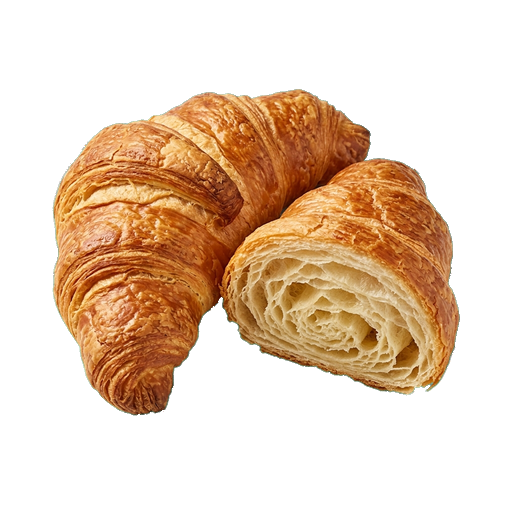
Crescent-shaped puff pastry with a crispy exterior and delicate multi-layered structure inside. Croissants are made from butter and yeast dough through repeated folding and rolling, which creates characteristic layers. This is a versatile breakfast or snack that can be eaten on its own or used to prepare sandwiches and other dishes.
About
What is a croissant and why is it loved everywhere
A croissant is a laminated pastry that begins with simple dough and becomes a work of art through repeated folding with butter. The result: a crispy exterior crust and delicate, airy layers inside. It's not just bread, but an entire technique that requires patience and precision. When you bite into a fresh croissant, the butter literally melts on your tongue, leaving a feeling of luxury even in an ordinary breakfast.
Taste and Aroma
A classic croissant has a delicate, slightly sweet taste with pronounced buttery notes. Aroma is one of its main assets: a freshly baked croissant smells of butter, vanilla, and caramelized flour. It's the kind of smell that wakes up even the sleepiest person. The flavor profile is simple, yet perfect: salt, butter, flour, and time create a harmony that's hard to improve upon.
Role in dishes and pairings
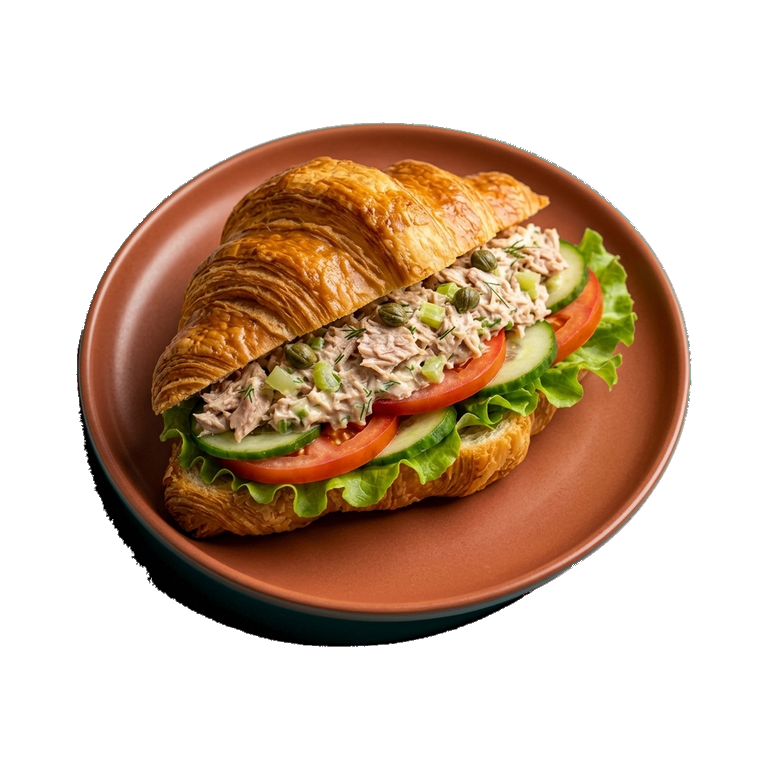
The croissant works as a universal player in cooking. For breakfast, it is good on its own — with a cup of coffee or hot chocolate. But it also becomes the basis for more complex dishes: it is cut in half and filled with ham and cheese for an appetizer, used as a base for desserts with cream and berries, or transformed into a sweet chocolate croissant.
- With coffee, cappuccino or hot chocolate — classic breakfast
- With butter and jam — simple and tried-and-true option
- With ham, cheese and mustard — for a light lunch
- With cream, fruits and berries — for dessert
- With avocado and egg — for a modern breakfast
Selection and Storage
A fresh croissant is recognized by its golden color, even shape, and crunch when pressed. If it is soft and moist, this is a sign that it has already begun to stale or was stored improperly. Buy croissants from trusted bakeries where they are baked fresh every day. They taste best within a few hours after baking.
Store the croissant in a paper bag at room temperature for no more than a day. Plastic will make it moist and soft. If you need to keep it longer, freeze it in an airtight container for up to three months. Before serving, thaw it at room temperature or warm it slightly in the oven — this will restore its crispness and revive its aroma.
A croissant is not just pastry, but the result of a baker's craftsmanship. Every layer of butter and every fold of dough is an investment in the perfect breakfast. Learn to choose a good croissant, and you will discover a simple pleasure that the French have known for more than a century.
Nutrition
per 100 g
- Calories
- 406 kcal
- Protein
- 7.5 g
- Fat
- 22 g
- Carbs
- 42 g
Measures and weight
- 1 pcs
- 60 g
Measure calculator
- Weight
- 100 g
- Calories
- 406 kcal