Usuba
Usuba
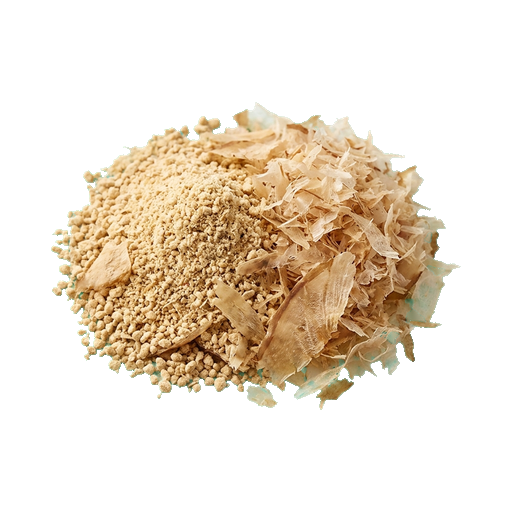
Dashi stock, dry
Dry dashi is a concentrated Japanese broth made from dried ingredients, most commonly bonito flakes and kombu seaweed, which release a deep umami flavor and subtle sea aroma when steeped in hot water. It is used as a base for soups, sauces, and marinades in Japanese cuisine, delivering rich flavor without prolonged boiling. When selecting dashi, pay attention to the composition — quality dashi contains minimal ingredients with no additives, and during storage it should be protected from moisture in an airtight container.
About
Dry dashi is a concentrated foundation of Japanese cuisine that transforms plain water into an aromatic, deep broth in just minutes. If you've ever tasted authentic miso soup or ramen broth with a clean, clear flavor, then you're already familiar with the result of dashi. It's not just a seasoning — it's the foundation upon which all Japanese culinary arts are built.
Taste and Aroma
Dry dashi has a characteristic marine, slightly sweet profile with umami notes. It's not a sharp fishy smell — rather a delicate, almost imperceptible aroma that creates a sense of fullness and richness. When you pour hot water over dashi, it unfolds gradually, filling the broth with a soft, rounded flavor without harshness or aggressiveness.
Umami in dashi is its main feature. Thanks to the high content of glutamates and nucleotides, even a small amount of this powder or granules is capable of awakening deep taste receptors and making the dish much more expressive.
How to use in the kitchen
Dry dashi works everywhere you need a clean, subtle broth. Miso soup, udon, ramen, tofu soup — here's a basic list. But don't limit yourself to traditional dishes: dashi is perfect for cooking rice instead of water, for making sauces, for adding to omelets and even vegetable stews if you want to give them depth without an obvious fishy taste.
Simple ratio: one teaspoon of dry dashi per liter of water. If using granules, use about the same amount. Pour hot water over it, let it steep for 1–2 minutes — and you're done. No need to boil or simmer for a long time; dashi releases its aroma and flavor almost instantly.
- Base for soups and noodles
- Liquid for cooking rice and grains
- Component of sauces and marinades
- Additive for omelets and egg dishes
- Base for cooking vegetables and tofu
Selection and Storage
When choosing, pay attention to the composition. Pure dashi contains only dried fish (usually mackerel) and kombu seaweed. If you see many additives, starches, and flavor enhancers, it is no longer a full-fledged dashi, but its imitation. Good quality is when there are a maximum of two or three ingredients in the composition.
Dry dashi keeps well in an airtight container or jar, away from sunlight and moisture. The shelf life is usually a year or more, but it's best to use it within 6–8 months after opening while the aroma remains vibrant. If you notice a musty or unpleasant smell, it's a sign that moisture has gotten inside — such dashi should not be used.
Dry dashi is an investment in your kitchen. One package is enough for dozens of dishes, and it's affordable. If you cook Japanese cuisine even occasionally, this is a must-have on your shelf.
Nutrition
per 100 g
- Calories
- 250 kcal
- Protein
- 20 g
- Fat
- 1 g
- Carbs
- 40 g
Measures and weight
- 1 tbsp
- 9 g
- 1 tsp
- 3 g
- 1 cup
- 150 g
Measure calculator
- Weight
- 100 g
- Calories
- 250 kcal