Usuba
Usuba
Ditalini Pasta
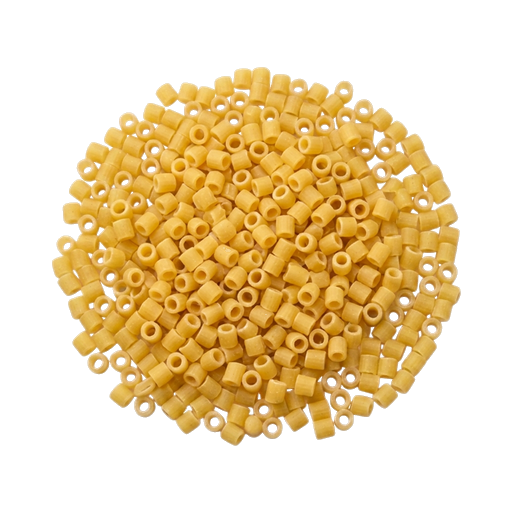
A small tubular pasta about a centimeter long, resembling miniature pasta shapes. It's convenient to use in soups since it cooks quickly and absorbs broth well without falling apart. Ditalini is also suitable for casseroles and cold salads, where you need pasta that won't take up much space in the dish and will provide a uniform texture.
About
Ditalini is a short tubular pasta the size of a grain of rice, ideal for soups and side dishes. Its name comes from the Italian word for "thimble," which accurately describes its shape: miniature hollow cylinders just 5–7 millimeters long. Thanks to its compact size and ability to absorb broth, this pasta has become indispensable in kitchens around the world.
Where and how to use
Ditalini is primarily used in soups — from simple chicken broth to thick vegetable or minestrone soups. Its small size allows the pasta to complement the dish rather than dominate it, creating a pleasant texture. The pasta cooks quickly, usually in 8–10 minutes, so add it to the soup towards the end of cooking so it doesn't overcook and retains its firmness.
In addition to soups, ditalini is suitable for pasta salads, especially when you need pasta that won't overwhelm light vegetable or cream sauces. It can be used in casseroles, where its compact shape ensures even distribution across the layers.
Selection and Storage
When purchasing, pay attention to the color — quality ditalini has a uniform light yellow shade, without white spots or chips. If the pasta is made from durum wheat (hard wheat), it will be more elastic and won't become overcooked in soup. Check the cooking time on the package: it can vary from 7 to 12 minutes depending on the manufacturer and the thickness of the pasta.
- Store dry pasta in an airtight container or in its original packaging in a dark cool place — at room temperature it will keep for a year or longer
- Avoid moisture and direct sunlight, otherwise the pasta may become damp or darken
- If the pasta is already cooked, transfer it to a container and store in the refrigerator for no more than three days
Pairings and Tips
Ditalini pairs well with clear and light broths that don't overpower its delicate flavor. In soups with tomatoes, bacon, and vegetables, the pasta absorbs all the aromas, enriching every spoonful. If you're making pasta salad, dress it with olive oil and lemon juice — this will highlight the neutral flavor of the pasta and add freshness.
Tip: cook ditalini in salted water separately, then add it to the soup. This way you control the consistency and prevent overcooking. If the pasta goes into hot broth at the end, it will be crispy and tender, not soft and mushy.
Nutrition
per 100 g
- Calories
- 350 kcal
- Protein
- 12 g
- Fat
- 1.5 g
- Carbs
- 70 g
Measures and weight
- 1 tbsp
- 7.5 g
- 1 tsp
- 2.5 g
- 1 cup
- 125 g
Measure calculator
- Weight
- 100 g
- Calories
- 350 kcal