Usuba
Usuba
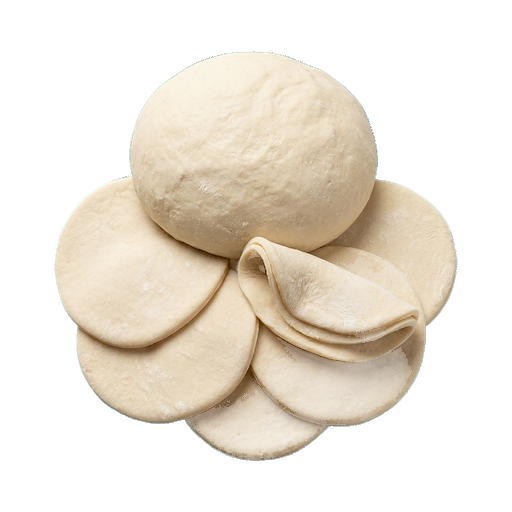
Dough for khinkali and manti
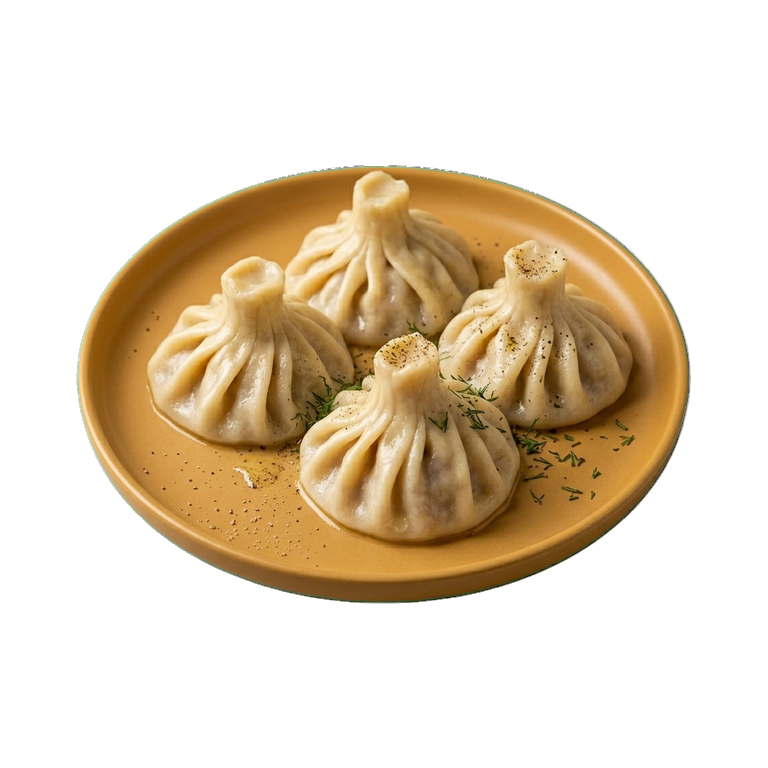
A stiff unsweetened dough made from flour, water, and salt, prepared without eggs or fat. Its main characteristic is an elastic, resilient consistency that stretches well during shaping and doesn't tear during boiling or steaming. This dough serves as the base for shaping khinkali with meat filling and manti, providing them with a dense shell that holds its shape and doesn't let broth escape during cooking.
About
Dough for khinkali and mantu is the foundation of two iconic dishes of Caucasian and Central Asian cuisine. Despite different names and folding techniques, both require the same dough: thin, elastic, and capable of withstanding abundant filling without tearing. It is not just a flour product, but a real tool in the hands of a chef, which must be strong enough not to fall apart when boiled or steamed, yet tender in taste.
What makes this dough special
The main characteristic is a minimum of ingredients. Flour, water, salt, and sometimes egg. No yeast, no sugar. The dough is kneaded stiff, almost like for noodles, and requires active hand work. During kneading, gluten develops, which gives the dough the necessary elasticity and flexibility. The result should be smooth, slightly shiny, and not sticky at all.
The difference between khinkali and manti is not in the dough itself, but in how it is used. For khinkali, the dough is rolled out thinly and cut into medium-sized squares, which are then gathered into a characteristic pouch with a tail. Manti require a slightly thicker layer and a square or rectangular shape — they are usually steamed in a special vessel.
How to work with dough
The kneaded dough needs to rest — this is critical. Usually 20–30 minutes is enough, wrapped in plastic wrap or a towel. During this time, the gluten relaxes and the dough becomes more elastic. Without rest, it will stubbornly resist rolling and tear.
- Roll out the dough on a lightly floured surface using a rolling pin or even a glass
- The layer should be thin — approximately 2–3 millimeters for khinkali, slightly thicker for manti
- If the dough starts to tear, let it rest for a few minutes and try again
- Finished products are best cooked or steamed immediately — they should not sit for long
Practical Tips
If you are cooking at home for the first time, don't be alarmed if the dough seems too stiff. This is normal — it should be exactly like that. Over time, you will develop a feel for the right consistency. Water varies in different regions, so add it gradually, in small portions.
Professional tip: if you're making manti or khinkali in large quantities, you can cover the rolled dough with a damp towel to prevent it from drying out. But don't overcomplicate things — the dough for these dishes is quite forgiving and tolerates minor mistakes. The key is not to rush during the mixing and resting stages.
Nutrition
per 100 g
- Calories
- 270 kcal
- Protein
- 9 g
- Fat
- 2 g
- Carbs
- 53 g
Measure calculator
- Weight
- 100 g
- Calories
- 270 kcal